Does Toyota 4Runner Qualify for Section 179 Deductions
The Toyota 4Runner can qualify for Section 179 deductions if it meets IRS requirements like gross vehicle weight rating and business use thresholds. Understanding the rules helps you claim a powerful tax write-off on your business vehicle purchase. Let us break down exactly what you need to know.
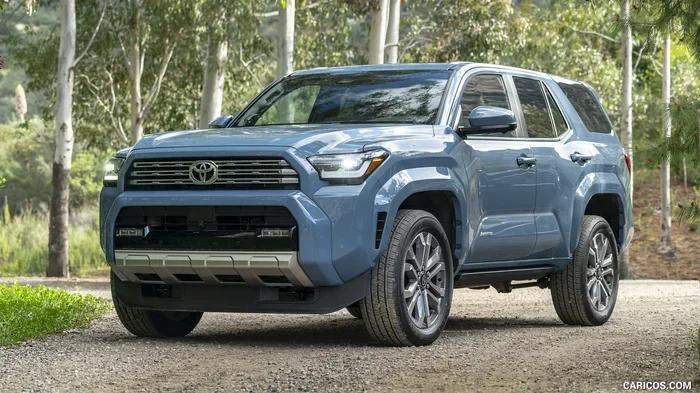
Are you thinking about buying a Toyota 4Runner for your business? If so, you might be wondering whether this popular SUV can help you save money on taxes. The answer is yes, the Toyota 4Runner can qualify for Section 179 deductions, but there are specific rules you need to follow.
Section 179 is a powerful tax code that lets small business owners deduct the full cost of qualifying equipment and vehicles in the year they are purchased. This can save you thousands of dollars. But not every vehicle qualifies. The IRS has clear guidelines that determine whether your Toyota 4Runner makes the cut.
In this guide, we will walk through everything you need to know about Section 179 deductions for the 4Runner. We will cover the requirements, the limits, how to calculate your deduction, and common mistakes to avoid. Whether you are a first-time business owner or a seasoned entrepreneur, this article will give you the clarity you need to make smart tax decisions.
Key Takeaways
- The 4Runner can qualify: If the gross vehicle weight rating exceeds 6,000 lbs, the Toyota 4Runner may qualify for full Section 179 deductions.
- Business use is mandatory: You must use the vehicle primarily for business purposes to claim the deduction.
- Deduction limits apply: Section 179 has annual caps that can limit how much you write off in a single year.
- Timing matters: The vehicle must be placed in service during the tax year you are claiming the deduction.
- Keep detailed records: IRS audits require solid documentation of business use and purchase details.
- Compare options: Section 179 is not the only tax benefit. Bonus depreciation and regular depreciation are alternatives worth considering.
📑 Table of Contents
- What Is Section 179 and How Does It Work?
- Does the Toyota 4Runner Meet Section 179 Requirements?
- How Much Can You Deduct for a Toyota 4Runner?
- Business Use: The Key to Qualifying
- Section 179 vs. Other Tax Deduction Methods
- How to Claim Section 179 for Your Toyota 4Runner
- Common Mistakes to Avoid
- Expert Insights on Vehicle Tax Deductions
- Final Thoughts on Toyota 4Runner Section 179 Deductions
What Is Section 179 and How Does It Work?
Section 179 is a section of the U.S. Internal Revenue Code that allows businesses to deduct the full purchase price of qualifying assets in the year they are bought. Instead of spreading the cost out over several years through depreciation, you can write off the entire amount at once. This is a huge benefit for small business owners who need to reduce their taxable income quickly.
Who Can Claim Section 179?
Any business that purchases or finances qualifying property can claim the deduction. This includes sole proprietors, partnerships, corporations, and LLCs. The property must be used more than 50% for business purposes. Personal use vehicles can still qualify, but the deduction is reduced based on the percentage of business use.
What Types of Property Qualify?
Section 179 covers a wide range of business assets. These include machinery, equipment, computers, and certain vehicles. SUVs and light trucks with a gross vehicle weight rating above 6,000 lbs are eligible. This is where the Toyota 4Runner comes into play. The 4Runner is classified as a SUV, and many models meet the weight threshold required by the IRS.
It is important to note that Section 179 does not cover real estate or vehicles that are not placed in service during the tax year. You also cannot claim the deduction if the vehicle is used exclusively for personal purposes.
Does the Toyota 4Runner Meet Section 179 Requirements?
The short answer is: it depends on the model year and configuration. The IRS sets specific rules for SUVs and light trucks to qualify for the full Section 179 deduction. Let us look at the key requirements.
Gross Vehicle Weight Rating (GVWR)
The most important factor is the vehicle’s gross vehicle weight rating. To qualify for the full Section 179 deduction and avoid the luxury vehicle limits, the SUV must have a GVWR of over 6,000 lbs. The Toyota 4Runner has a GVWR that is right around this threshold. Depending on the model year and trim, some 4Runner configurations meet the requirement while others fall just short.
You can find the GVWR on the driver’s side door jamb sticker or in the owner’s manual. Always double-check this number before claiming the deduction. If the GVWR is under 6,000 lbs, the vehicle falls under the luxury auto limits, which cap your depreciation deductions significantly.
Vehicle Classification
The IRS classifies the 4Runner as a SUV. This classification matters because different vehicle types have different deduction rules. Pickup trucks and vans often have an easier path to qualifying. SUVs like the 4Runner must meet the weight requirement to unlock the full deduction potential. When comparing options, some owners also consider whether a truck like the Toyota Tacoma might offer better tax benefits, since it often exceeds the weight threshold more comfortably.
New vs. Used Vehicles
Both new and used vehicles can qualify for Section 179. The vehicle just needs to be purchased and placed in service during the tax year. A used 4Runner can absolutely qualify, as long as it meets the GVWR requirement and is used for business purposes. This is great news for buyers looking at pre-owned models.
How Much Can You Deduct for a Toyota 4Runner?
The Section 179 deduction amount depends on several factors. Let us break down the numbers so you understand what to expect.
Section 179 Limits
For the 2024 tax year, the maximum Section 179 deduction is $1,160,000. However, this is the total amount you can deduct across all qualifying property. If you purchase multiple items, the total deduction cannot exceed this cap. For a single vehicle like the 4Runner, the deduction is limited to the purchase price of the vehicle.
The deduction also cannot exceed your taxable business income. If your business earns $60,000 and you buy a 4Runner for $40,000, your maximum deduction is $40,000. If the vehicle costs more than your business income, the deduction is capped at the income amount.
Luxury Vehicle Limits
If your 4Runner does not meet the GVWR requirement of over 6,000 lbs, it falls under the luxury vehicle limits. These limits restrict how much depreciation you can claim each year. For 2024, the first-year depreciation limit for luxury SUVs is $20,200. This is significantly lower than the full purchase price deduction available under Section 179.
This is why checking the GVWR is so important. A vehicle that qualifies under Section 179 can save you thousands more than one that falls under the luxury limits.
Bonus Depreciation as an Alternative
If Section 179 does not work for your situation, you may have another option. Bonus depreciation allows you to deduct a large percentage of the vehicle’s cost in the first year. For 2024, bonus depreciation is 60%. This can still provide a significant tax benefit. You can also combine Section 179 with bonus depreciation, but you cannot double-dip on the same expense.
Business Use: The Key to Qualifying
Even if your 4Runner meets all the IRS requirements, you must prove that it is used for business. The IRS takes this very seriously. If you use the vehicle for both personal and business purposes, you need to track and document your usage carefully.
Tracking Business Miles
Keep a detailed mileage log. Record the date, destination, purpose, and miles driven for every business trip. Apps and spreadsheets make this easy. The IRS accepts both the standard mileage rate and the actual expense method for calculating deductions. For 2024, the standard mileage rate is 67 cents per mile.
Using the 4Runner for commuting between home and a regular workplace does not count as business use. However, driving to client meetings, job sites, or multiple workplaces does qualify.
Documentation You Need
Keep all receipts related to the vehicle purchase. This includes the bill of sale, financing documents, registration, and insurance records. Also save records of any maintenance and repairs. For example, regular oil changes and tire replacements are deductible business expenses. If you are unsure about maintenance costs, it is worth checking whether does it really matter what oil I put in my car since using the right oil can affect long-term deductible maintenance expenses.
Percentage of Business Use
If the vehicle is used 60% for business and 40% for personal use, you can only deduct 60% of the cost. The IRS may ask for evidence of this split, so keep your mileage log up to date throughout the year.
Section 179 vs. Other Tax Deduction Methods
There are several ways to deduct vehicle costs for your business. Understanding the differences helps you choose the best option for your situation.
Section 179 Deduction
This method lets you deduct the full purchase price in year one. It works best for vehicles that meet the GVWR requirement and are used primarily for business. The Toyota 4Runner can qualify if it clears the weight threshold.
Bonus Depreciation
Bonus depreciation lets you deduct a large percentage (currently 60% for 2024) in the first year. The remaining balance is depreciated over the standard schedule. This is a good option if Section 179 limits are too restrictive.
Standard Mileage Rate
This method uses a set rate per mile driven for business. It is simpler than tracking actual expenses but may not be as lucrative for high-cost vehicles. For the 4Runner, the actual expense method combined with Section 179 often provides a larger deduction.
Actual Expense Method
This method lets you deduct all vehicle-related costs, including fuel, insurance, repairs, and depreciation. It requires more record-keeping but can result in a larger total deduction over time.
| Deduction Method | First-Year Benefit | Complexity | Best For |
|---|---|---|---|
| Section 179 | Full purchase price | Medium | Qualifying SUVs and trucks |
| Bonus Depreciation | 60% of cost | Medium | Vehicles not qualifying for Section 179 |
| Standard Mileage | 67 cents per mile | Low | Simple record-keeping |
| Actual Expense | Varies | High | High-cost vehicles with heavy use |
How to Claim Section 179 for Your Toyota 4Runner
Claiming the deduction is straightforward, but you need to follow the correct steps to avoid issues with the IRS.
Step 1: Confirm Eligibility
Check the GVWR on your 4Runner. Verify that the vehicle is used for business purposes more than 50% of the time. Make sure the vehicle is placed in service during the tax year you are claiming.
Step 2: Gather Your Documents
Collect the purchase contract, financing paperwork, registration, and insurance documents. Keep a mileage log for the entire year. Save all receipts for fuel, repairs, and maintenance.
Step 3: Fill Out IRS Form 4562
Form 4562 is the official form for claiming Section 179 and depreciation deductions. Complete Part I for the Section 179 deduction. Enter the vehicle information, purchase price, and business use percentage.
Step 4: File With Your Tax Return
Attach Form 4562 to your federal tax return. If you are using tax software, the form is usually integrated into the vehicle deduction section. Consider consulting a tax professional if your situation is complex.
Quick Tips for a Smooth Claim
- Buy early in the year: Purchasing the vehicle in January or February gives you the full year to use it for business.
- Check the GVWR carefully: Even small differences between model trims can affect eligibility.
- Do not mix personal and business use: The more you use it for business, the larger your deduction.
- Consult a tax advisor: A professional can help you maximize your deduction and stay compliant.
Common Mistakes to Avoid
Many business owners make preventable errors when claiming Section 179. Avoiding these mistakes can save you time, money, and headaches.
Not Tracking Business Use
The most common mistake is failing to keep a mileage log. Without documentation, the IRS may disallow your deduction. Start tracking from day one of ownership.
Ignoring the GVWR Requirement
Assuming every 4Runner qualifies is a risky move. Different trims and model years have different weight ratings. Always verify the exact number before filing.
Claiming More Than Business Income
You cannot deduct more than your taxable business income from the vehicle. If your business earns less than the vehicle cost, your deduction is limited. Plan accordingly to avoid a surprise at tax time.
Forgetting About State Taxes
Section 179 is a federal deduction. Some states also allow similar deductions, while others do not. Check your state tax rules to understand the full picture.
Expert Insights on Vehicle Tax Deductions
Tax professionals agree that the Toyota 4Runner is one of the more popular choices for business owners seeking a Section 179 deduction. Its rugged capability makes it ideal for work use, and many models meet the GVWR threshold. According to tax advisors, the key is planning ahead. Purchase the vehicle early in the tax year, maintain thorough records, and choose the deduction method that best fits your business needs.
One expert tip is to compare the 4Runner against other Toyota models. For instance, owners who need a truck for towing or hauling might find that are Toyota Tacomas good for towing research helps them decide between a 4Runner and a Tacoma for maximum business value and tax benefits.
Another consideration is the total cost of ownership. Beyond the tax deduction, factor in fuel costs, insurance, and maintenance. Using the right fuel grade and staying on top of regular service keeps the vehicle running efficiently and reduces long-term expenses. Simple decisions like using the correct octane fuel can make a difference in overall operating costs.
Final Thoughts on Toyota 4Runner Section 179 Deductions
The Toyota 4Runner is a capable and durable SUV that can absolutely qualify for Section 179 deductions. The key is meeting the IRS requirements around gross vehicle weight rating, business use, and proper documentation. When done correctly, this deduction can save you a significant amount of money on your taxes.
Start by checking your specific 4Runner model’s GVWR. Track your business miles from day one. Keep every receipt. And do not hesitate to work with a tax professional who understands vehicle deductions. The effort you put into planning today can lead to real savings when tax season arrives.
Whether you are a contractor, freelancer, or small business owner, the 4Runner offers both the utility and the tax benefits you need. Take the time to understand the rules, and you will be well positioned to make the most of your Section 179 deduction this year.
Frequently Asked Questions
Can a used Toyota 4Runner qualify for Section 179?
Yes, a used 4Runner can qualify as long as it meets the gross vehicle weight rating requirement and is placed in service during the tax year. The vehicle does not need to be new to claim the deduction.
What happens if my 4Runner GVWR is under 6,000 lbs?
If the GVWR is under 6,000 lbs, the vehicle falls under the luxury auto limits. This caps your first-year depreciation deduction significantly, usually around $20,200 for 2024. You would still be able to claim some deduction, but it would be much smaller than the full Section 179 benefit.
Can I claim Section 179 if I use my 4Runner partially for personal use?
Yes, but you can only deduct the business portion. If you use the vehicle 70% for business, you can claim 70% of the deduction. You must maintain a mileage log to support this split.
What is the maximum Section 179 deduction for 2024?
The maximum Section 179 deduction for 2024 is $1,160,000 across all qualifying property. The vehicle deduction cannot exceed your taxable business income.
Do I need a special form to claim Section 179?
Yes, you must file IRS Form 4562 with your tax return. This form covers both Section 179 deductions and depreciation claims. Most tax software includes this form in their vehicle deduction section.
Can I combine Section 179 with bonus depreciation for my 4Runner?
You can use either Section 179 or bonus depreciation, but not both on the same dollar amount. You can, however, apply Section 179 first and then use bonus depreciation on the remaining balance if applicable.
=== CONCLUSION ===
The Toyota 4Runner is a strong candidate for Section 179 deductions, but qualifying requires meeting specific IRS criteria. Focus on the gross vehicle weight rating, document your business use thoroughly, and stay within the deduction limits. With the right preparation, you can turn your 4Runner purchase into a valuable tax advantage for your business.