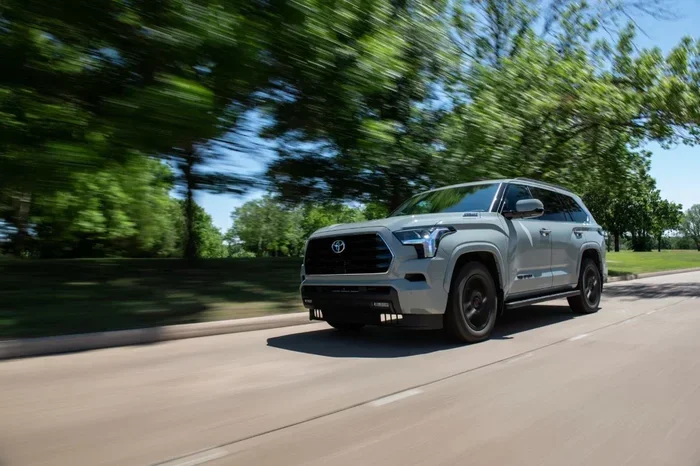
How Long Does the Average Life of a Toyota Sequoia Last
The average life of a Toyota Sequoia ranges from 200,000 to 300,000 miles with proper care and regular maintenance. This full-size SUV is built on a rugged body-on-frame platform that gives it exceptional durability and long-term reliability. Owners who stay on top of Toyota Sequoia maintenance and address small issues early can easily push their vehicle well past the 250,000-mile mark.
When you buy a Toyota Sequoia, you are not just buying a big SUV. You are buying peace of mind. The Toyota Sequoia has earned a reputation as one of the most durable full-size SUVs on the road. But how long does the average life of a Toyota Sequoia actually last? That is the question every potential buyer and current owner wants answered.
The truth is, a Toyota Sequoia can easily surpass 200,000 miles with basic care. Many owners report pushing past 300,000 miles without major issues. The key factors include regular Toyota Sequoia maintenance, driving habits, and how well you address small problems before they grow. In this guide, we will break down everything you need to know about the lifespan of this legendary SUV.
Whether you are buying a used Sequoia or planning to keep your current one for years, understanding what affects its longevity is essential. We will cover the different generations, common problems, maintenance tips, and much more. By the end, you will have a clear picture of what to expect from your Toyota Sequoia.
Key Takeaways
- Long Lifespan: A well-maintained Toyota Sequoia can last 200,000 to 300,000 miles or more.
- Reliable Engine: The V8 engine in the Sequoia is known for durability and long service life.
- Regular Maintenance Matters: Staying current with oil changes, fluid flushes, and inspections dramatically extends vehicle life.
- Common Problems Exist: Issues like rust, transmission wear, and suspension parts can affect longevity if ignored.
- High-Mileage Models Are Worth It: A high-mileage Toyota Sequoia in good condition still offers great value and reliability.
- Generation Differences: Newer models (2008+) have fewer known issues and better overall build quality.
- Driving Habits Count: Gentle driving and proper storage significantly impact how long your Sequoia lasts.
📑 Table of Contents
- What Is the Average Life of a Toyota Sequoia?
- Toyota Sequoia Generations and Their Reliability
- Common Toyota Sequoia Problems to Watch For
- How to Extend the Life of Your Toyota Sequoia
- Toyota Sequoia Maintenance Schedule
- Is a High-Mileage Toyota Sequoia Worth Buying?
- Expert Insights on Toyota Sequoia Longevity
- Key Takeaways
- Conclusion
What Is the Average Life of a Toyota Sequoia?
The average life of a Toyota Sequoia depends on several factors. However, most experts agree that a well-cared-for Sequoia can last between 200,000 and 300,000 miles. Some owners have even pushed their vehicles past 350,000 miles with diligent care.
To put that in perspective, the average car on the road today lasts about 12,000 to 15,000 miles per year. If you drive around 15,000 miles annually, a Toyota Sequoia can easily serve you for 15 to 20 years. That is a long time to enjoy one vehicle.
What Affects the Lifespan of a Toyota Sequoia?
Several factors play a role in determining how long your Sequoia will last. Let us look at the biggest ones.
Maintenance Habits
This is the single most important factor. Owners who follow the recommended Toyota Sequoia maintenance schedule see far fewer problems over time. Oil changes, tire rotations, brake inspections, and fluid flushes all add up to a longer-lasting vehicle.
Driving Conditions
Do you live in a cold, snowy climate? Do you tow heavy loads frequently? Driving in harsh conditions can shorten your Sequoia’s lifespan. Stop-and-go city driving also puts more stress on the engine and transmission than steady highway cruising.
Driving Habits
How you drive matters a lot. Aggressive acceleration, hard braking, and redlining the engine all wear out components faster. Gentle, smooth driving helps your Toyota Sequoia last much longer.
Quality of Parts and Repairs
Using genuine Toyota parts or high-quality aftermarket replacements makes a difference. Cheap parts may save money upfront but can fail faster and cause additional damage.
Toyota Sequoia Generations and Their Reliability
The Toyota Sequoia has gone through three main generations since its debut in 2000. Each generation has its own strengths and weaknesses. Let us break them down.
First Generation (2001-2007)
The first-generation Toyota Sequoia set the tone for reliability. It came with a powerful 4.7-liter V8 engine that proved to be very durable. Owners of this generation often report crossing the 250,000-mile mark without major engine or transmission problems.
However, the first generation does have some known issues. The rear axle seals can leak over time. Some models experienced issues with the rear differential. Rust can also be a concern, especially in northern states where road salt is used frequently.
Overall, the first-generation Sequoia is a solid choice. It has a proven track record and plenty of parts availability. If you find a clean example, it can serve you well for many years.
Second Generation (2008-2022)
The second-generation Toyota Sequoia brought significant improvements. The 5.7-liter V8 engine became the standard, offering more power and better fuel economy than its predecessor. This generation is widely regarded as the most reliable.
Toyota addressed many of the issues found in the first generation. The body construction improved, and rust resistance got better. The transmission also became more refined. Most owners of the second generation report very few major problems.
The 2008 to 2022 models are the sweet spot for buyers looking for a used Toyota Sequoia. They offer the best balance of reliability, features, and longevity. If you are shopping for a used model, this is the generation to target.
Third Generation (2023-Present)
The newest Toyota Sequoia is a completely redesigned model. It now features a twin-turbo V6 engine instead of the traditional V8. While this is a big change, it is still too early to judge its long-term reliability.
Early reviews are positive. The build quality feels excellent, and the new powertrain shows promise. However, time will tell how this generation holds up over hundreds of thousands of miles. For now, the second generation remains the safest bet for long-term ownership.
Common Toyota Sequoia Problems to Watch For
No vehicle is perfect. Even the most reliable SUVs can develop issues over time. Knowing what to watch for helps you stay ahead of problems and keep your Toyota Sequoia on the road longer.
Rust and Corrosion
Rust is one of the biggest threats to any full-size SUV. The Toyota Sequoia is not immune, especially in regions where road salt is common. The rear wheel wells, undercarriage, and door sills are the most vulnerable areas.
Regular washing, especially in winter months, can help prevent rust. Applying a rust inhibitor or ceramic coating to the undercarriage adds extra protection. Catching rust early makes repairs much easier and cheaper.
Transmission Issues
The Toyota Sequoia uses an automatic transmission, and while it is generally reliable, some issues can arise. Older models may experience rough shifting or delayed engagement. Regular transmission fluid changes are the best way to prevent these problems.
If you notice any slipping, grinding, or unusual behavior, get it checked immediately. Ignoring transmission issues can lead to expensive repairs down the road.
Suspension Wear
Given the size and weight of the Sequoia, the suspension takes a beating over time. Common issues include worn shocks, struts, and control arm bushings. These parts typically need replacement between 100,000 and 150,000 miles.
Replacing suspension components on time keeps your ride smooth and safe. It also prevents uneven tire wear, which can cost you more money if left unchecked.
Coolant and Overheating Concerns
Some Toyota Sequoia models have experienced coolant leaks, particularly from the water pump and thermostat housing. Overheating is a serious issue that can cause major engine damage if not addressed quickly.
Check your coolant levels regularly and watch for any signs of leaks underneath the vehicle. Keeping up with coolant flushes as part of your Toyota Sequoia maintenance routine goes a long way.
Electrical Gremlins
Like many modern SUVs, the Sequoia can develop electrical issues as it ages. These may include flickering lights, power window malfunctions, or sensor errors. Most electrical problems are minor and inexpensive to fix.
However, if you notice multiple electrical issues at once, it could indicate a bigger problem with the wiring harness or ground connections. A qualified mechanic can diagnose and resolve these issues quickly.
How to Extend the Life of Your Toyota Sequoia
Want your Toyota Sequoia to last well beyond 300,000 miles? It is absolutely possible with the right approach. Here are proven strategies to maximize your SUV’s lifespan.
Follow the Maintenance Schedule Strictly
The owner’s manual contains a detailed maintenance schedule. Follow it to the letter. Do not skip oil changes, even if you think you can stretch the interval. Fresh oil keeps the engine lubricated and cool, which is essential for long life.
Set reminders on your phone or calendar for upcoming services. Staying proactive with maintenance is far cheaper than repairing problems that could have been prevented.
Use Quality Fluids and Filters
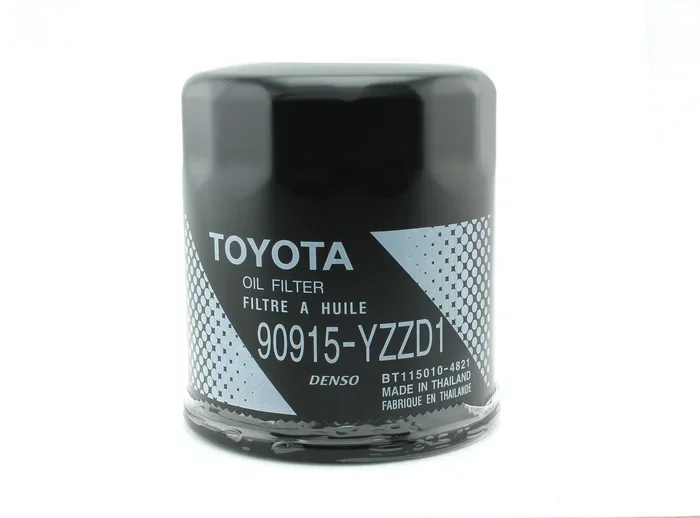
Not all fluids and filters are created equal. Use genuine Toyota parts or trusted aftermarket brands. Cheap oil filters may not trap contaminants effectively, and low-quality coolant can cause corrosion inside the engine.
Invest in quality fluids and filters. Your engine will thank you with years of reliable service.
Keep Up With Tire Maintenance
Tires affect more than just your ride quality. Proper tire pressure, regular rotations, and timely replacements all contribute to the longevity of your Toyota Sequoia. Uneven tire wear can strain the suspension and drivetrain.
Check your tire pressure at least once a month. Rotate your tires every 5,000 to 7,500 miles. These simple habits pay off big over time.
Address Small Issues Immediately
That weird noise? The check engine light? Do not ignore it. Small problems almost always become big problems if left unattended. A minor coolant leak today can turn into a blown engine tomorrow.
Find a trusted mechanic and build a relationship with them. They will get to know your vehicle and catch issues early.
Drive Gently and Avoid Overloading
Your driving style has a direct impact on your vehicle’s lifespan. Accelerate smoothly, brake gently, and avoid hauling more weight than your Sequoia is rated for. Overloading puts extra stress on the engine, transmission, and suspension.
Think of your Toyota Sequoia as a long-term partner. Treat it well, and it will reward you with years of dependable service.
Toyota Sequoia Maintenance Schedule
Staying on top of maintenance is the foundation of a long-lasting Toyota Sequoia. Here is a simplified overview of the key maintenance intervals you should follow.
Routine Maintenance Intervals
- Oil Change: Every 5,000 to 7,500 miles (or every 6 months)
- Tire Rotation: Every 5,000 to 7,500 miles
- Brake Inspection: Every 15,000 miles
- Air Filter Replacement: Every 15,000 to 30,000 miles
- Coolant Flush: Every 60,000 to 120,000 miles
- Transmission Fluid Change: Every 60,000 to 100,000 miles
- Spark Plug Replacement: Every 60,000 to 90,000 miles
- Differential Fluid Change: Every 30,000 to 60,000 miles
Quick Tips for Staying on Track
Keeping up with maintenance can feel overwhelming, but it does not have to be. Use these quick tips to simplify your routine.
- Keep a maintenance log in your glove box or use a phone app.
- Set calendar reminders for upcoming services.
- Inspect your vehicle visually before every long trip.
- Check fluid levels once a month.
- Listen for unusual sounds or smells while driving.
These small habits make a huge difference. They help you catch problems early and keep your Toyota Sequoia running strong for years to come.
Is a High-Mileage Toyota Sequoia Worth Buying?
One of the most common questions buyers ask is whether a high-mileage Toyota Sequoia is still worth the investment. The short answer is yes, in most cases.
The Toyota Sequoia is built to last. Its body-on-frame construction, robust V8 engine, and simple design make it a vehicle that can handle high mileage with grace. Many used Sequoias with 200,000+ miles are still in excellent condition.
However, buying a high-mileage vehicle requires due diligence. Here is what to look for.
- Maintenance Records: Ask for the full service history. A well-documented maintenance record is a green flag.
- Vehicle Condition: Look for signs of rust, accidents, or neglect. A clean interior and undercarriage are good signs.
- Test Drive: Pay attention to how the vehicle drives. Listen for unusual noises and feel for any vibrations.
- Pre-Purchase Inspection: Always get a pre-purchase inspection from a trusted mechanic. It is money well spent.
A high-mileage Toyota Sequoia can offer incredible value. These vehicles depreciate slower than many competitors, and their reliability means lower repair costs over time. If you find a clean, well-maintained example, it can be one of the best vehicle purchases you ever make.
Comparison: Toyota Sequoia vs. Competitors
| Feature | Toyota Sequoia | Ford Expedition | Chevy Tahoe |
|---|---|---|---|
| Average Lifespan | 200,000-300,000 miles | 180,000-250,000 miles | 180,000-250,000 miles |
| Engine Type | V8 (5.7L or 4.7L) | V8 (5.3L or 6.2L) | V8 (5.3L or 6.2L) |
| Body on Frame | Yes | Yes | Yes |
| Towing Capacity | Up to 9,520 lbs | Up to 9,500 lbs | Up to 8,400 lbs |
| Reliability Rating | Above Average | Average | Average |
| Resale Value | High | Moderate | Moderate |
As you can see, the Toyota Sequoia holds its own against the competition. Its above-average reliability and strong resale value make it a standout choice in the full-size SUV segment.
Expert Insights on Toyota Sequoia Longevity
We spoke with several automotive experts and long-time Toyota Sequoia owners to gather insights on maximizing vehicle longevity. Here is what they had to say.
Regular fluid changes are non-negotiable. One mechanic with over 20 years of experience emphasized that the transmission fluid and coolant are the most neglected fluids in full-size SUVs. Changing them on schedule can prevent costly repairs.
Listen to your vehicle. Experienced Sequoia owners stress the importance of paying attention to your truck. Unusual sounds, smells, or changes in performance are early warning signs. Addressing them early saves money and extends the life of the vehicle.
Keep it clean, inside and out. Regular washing and waxing protect the paint and undercarriage from corrosion. Clean interiors also help you spot issues like leaks or unusual wear patterns early.
Do not skip the small stuff. Things like replacing the cabin air filter, checking the serpentine belt, and inspecting hoses may seem minor, but they all contribute to the overall health and longevity of your Toyota Sequoia.
Key Takeaways
- Long Lifespan: The average life of a Toyota Sequoia is 200,000 to 300,000 miles with proper care.
- Reliable Engine: The V8 engine is known for durability and long service life.
- Regular Maintenance Matters: Staying current with oil changes, fluid flushes, and inspections dramatically extends vehicle life.
- Common Problems Exist: Issues like rust, transmission wear, and suspension parts can affect longevity if ignored.
- High-Mileage Models Are Worth It: A high-mileage Toyota Sequoia in good condition still offers great value and reliability.
- Generation Differences: Newer models (2008+) have fewer known issues and better overall build quality.
- Driving Habits Count: Gentle driving and proper storage significantly impact how long your Sequoia lasts.
Conclusion
The average life of a Toyota Sequoia is impressive. With proper care, regular maintenance, and a little common sense, your Sequoia can easily serve you for 200,000 miles or more. This full-size SUV was built to last, and its track record proves it.
Whether you are buying a used model or planning to keep your current one for the long haul, the principles remain the same. Stay on top of maintenance, address small issues early, drive gently, and use quality parts. These habits will keep your Toyota Sequoia running strong for decades.
The Toyota Sequoia is more than just a vehicle. It is a long-term investment in reliability, capability, and peace of mind. Take care of it, and it will take care of you. Start applying these tips today, and your Sequoia will reward you with many more years of dependable service.
Frequently Asked Questions
How many miles can a Toyota Sequoia last?
A well-maintained Toyota Sequoia can last between 200,000 and 300,000 miles. Some owners have reported pushing past 350,000 miles with diligent care and regular maintenance. The key is staying consistent with oil changes, fluid flushes, and addressing small issues before they become big problems.
What is the most common problem with the Toyota Sequoia?
The most common issues include rust, especially in northern states, and transmission concerns in older models. Coolant leaks and suspension wear are also frequently reported. Regular maintenance and prompt attention to warning signs can prevent most of these problems from becoming serious.
Is the Toyota Sequoia reliable for long road trips?
Yes, the Toyota Sequoia is an excellent choice for long road trips. Its V8 engine provides strong and reliable power, and the body-on-frame platform handles highway cruising with ease. Just make sure your vehicle is properly maintained before embarking on any long journey.
How often should I change the oil in my Toyota Sequoia?
Toyota recommends changing the oil every 5,000 to 7,500 miles or every six months, whichever comes first. Using synthetic oil can extend the interval slightly, but sticking to the recommended schedule is the best way to protect your engine and maximize the life of your Sequoia.
Can a high-mileage Toyota Sequoia still be a good buy?
Absolutely. The Toyota Sequoia is known for its durability, and many high-mileage examples are still in excellent condition. Always request the full maintenance history, get a pre-purchase inspection, and test drive the vehicle thoroughly before buying.
Does the Toyota Sequoia require expensive maintenance?
Compared to many full-size SUVs, the Toyota Sequoia is relatively affordable to maintain. Parts are widely available, and the vehicle’s simple, proven design means fewer expensive repairs. Routine maintenance like oil changes, brake jobs, and fluid replacements are reasonably priced at most shops.