Are 4Runners Expensive to Insure Compared to Other SUVs
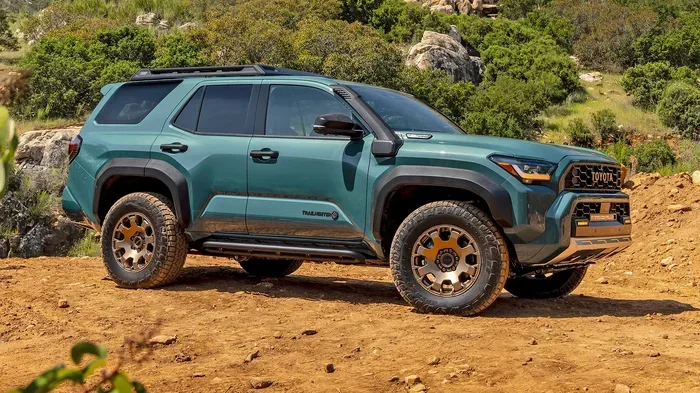
Are 4Runners expensive to insure? The answer depends on your location, driving record, and trim level. The Toyota 4Runner holds a strong reputation for durability and safety, which helps keep insurance rates competitive. In most cases, 4Runner insurance costs fall in the mid-range for SUV coverage. This guide breaks down real numbers, compares rates to other popular SUVs, and shares actionable tips to lower your premium.
If you are thinking about buying a Toyota 4Runner, one question probably already popped into your head. Are 4Runners expensive to insure? The short answer is no, not really. But the full answer is a bit more detailed than that. Insurance costs depend on many factors, and your 4Runner is just one piece of the puzzle.
The Toyota 4Runner has been a favorite for over 40 years. It is known for being tough, reliable, and capable both on and off the road. These qualities make it a great vehicle. But they also raise questions about how much it costs to insure. In this article, we will walk you through everything you need to know about 4Runner insurance costs. We will compare rates to other SUVs, break down the factors that affect your premium, and give you practical tips to save money. Whether you are a first-time 4Runner buyer or a longtime fan, this guide has you covered.
Let us start with the basics. When insurance companies set your rate, they look at many things. They consider the vehicle type, its safety ratings, its theft risk, and the cost of repairs. They also look at your personal driving history, your age, where you live, and your credit score. The 4Runner scores well in many of these areas. It has a strong safety record, it is not a common theft target, and repair costs are reasonable compared to luxury SUVs. All of this adds up to insurance rates that are fair and manageable for most drivers.
Key Takeaways
- 4Runner insurance costs are moderate: They typically sit in the middle of the SUV insurance price range, not the highest tier.
- Trim level matters a lot: Higher trims like the TRD Pro or Limited cost more to insure than base SR5 models.
- Your personal factors drive your rate: Age, driving history, location, and credit score all play a role.
- Safety features help you save: The 4Runner comes with strong safety tech that many insurers reward with discounts.
- Comparison shopping is essential: Rates vary widely between insurers, so getting multiple quotes is a must.
- Deductible choices affect your premium: Raising your deductible can lower your monthly payment significantly.
- Off-road use increases risk: Frequent off-roading may lead to higher premiums or special policy considerations.
📑 Table of Contents
- Why Insurance Costs Vary for the 4Runner
- 4Runner Insurance Cost vs Other SUVs
- Factors That Affect Your 4Runner Insurance Rate
- Tips to Lower Your 4Runner Insurance Premium
- Common Mistakes People Make When Insuring a 4Runner
- Is the 4Runner Worth the Insurance Cost?
- Expert Insights on 4Runner Insurance
- Key Takeaways
- Conclusion
Why Insurance Costs Vary for the 4Runner
No two 4Runner owners pay the same insurance premium. That is because insurance is not one-size-fits-all. Your rate is shaped by a mix of vehicle-related factors and personal factors. Understanding these differences helps you make sense of your quote and find ways to reduce your costs.
Vehicle-Related Factors
The 4Runner itself influences your insurance rate in several ways. The model year matters. Newer models cost more to insure because they are worth more. Older models may have cheaper premiums but could lack modern safety features. The trim level also plays a big role. A base SR5 trim will generally cost less to insure than a TRD Pro or Limited trim. Higher trims have more advanced features, better materials, and higher price tags. All of these increase the cost of a claim if something goes wrong.
The engine size matters too. The 4Runner comes with a 4.0-liter V6 engine in most trims. This is a capable engine, but it is not a massive one. It sits in the middle of the pack for SUV insurance pricing. Larger engines in trucks like the Toyota Tundra or Ford F-150 tend to cost more to insure.
Personal Factors That Drive Your Rate
Your personal profile matters just as much as the vehicle. Insurance companies use your driving record to assess risk. A clean record with no accidents or tickets means lower premiums. If you have had a DUI or a at-fault accident in the past few years, expect to pay more.
Your age is another big factor. Younger drivers, especially those under 25, pay the highest rates. Experienced drivers over 40 usually enjoy the best premiums. Your location also matters a lot. Living in a city with high traffic and crime rates means higher insurance costs than living in a rural area.
Your credit score plays a role in most states. A higher credit score signals financial responsibility, which insurers view favorably. Some states have banned credit-based insurance scoring, but in most places, it still affects your rate.
4Runner Insurance Cost vs Other SUVs
How does the 4Runner stack up against its competitors? Let us look at the numbers. The table below compares average annual insurance premiums for popular mid-size SUVs. These are estimated national averages and can vary based on your specific situation.
| SUV Model | Average Annual Premium | Insurance Rating |
|---|---|---|
| Toyota 4Runner | $1,600 – $1,900 | Moderate |
| Ford Explorer | $1,500 – $1,800 | Moderate |
| Chevrolet Tahoe | $1,800 – $2,200 | Higher |
| Jeep Grand Cherokee | $1,700 – $2,100 | Moderate-High |
| Honda Pilot | $1,400 – $1,700 | Lower-Moderate |
| Toyota Highlander | $1,350 – $1,650 | Lower-Moderate |
As you can see, the 4Runner sits in a reasonable range. It is not the cheapest SUV to insure, but it is far from the most expensive. The Honda Pilot and Toyota Highlander tend to cost less because they are smaller and have lower repair costs. The Chevrolet Tahoe and Jeep Grand Cherokee sit higher due to their larger size and higher repair expenses.
The 4Runner holds its value very well. This is both a blessing and a curse for insurance. A vehicle that holds its value costs more to insure for comprehensive and collision coverage because the payout would be higher in a total loss. But the 4Runner’s strong safety ratings and low theft rate help balance things out.
How the 4Runner Compares to Truck-Based SUVs
The 4Runner is a truck-based SUV, which means it shares its platform with the Tacoma pickup truck. Truck-based SUVs generally cost more to insure than car-based SUVs like the Honda Pilot or Toyota Highlander. The reasons include higher ground clearance, greater weight, and a higher rollover risk in some scenarios. However, the 4Runner is not as large or heavy as a full-size SUV like the Tahoe, so its insurance costs stay more moderate.
Why the 4Runner Holds Its Value and How That Affects Insurance
The Toyota 4Runner is famous for holding its resale value. According to industry data, a 4Runner retains about 65-70% of its value after five years. This is excellent for buyers, but it means insurers must account for a higher vehicle value when setting your premium. If you total your 4Runner, the insurance company has to pay out more money than they would for a vehicle that depreciates faster.
That said, the 4Runner’s strong build quality means it tends to sustain less damage in accidents compared to vehicles with cheaper construction. Fewer injury claims and lower repair costs in some scenarios help offset the higher vehicle value. This is one reason why 4Runner insurance rates remain competitive.
Factors That Affect Your 4Runner Insurance Rate
Several specific factors go into calculating your 4Runner insurance premium. Let us break them down so you understand exactly what insurers are looking at.
Your Coverage Choices
The type of coverage you choose has a huge impact on your rate. Here are the main coverage types and how they affect your premium:
- Liability coverage: This is the most basic and usually the cheapest. It covers damage you cause to others. Most states require a minimum amount.
- Collision coverage: This pays for damage to your 4Runner in an accident. It raises your premium but is worth it for a valuable vehicle.
- Comprehensive coverage: This covers non-accident damage like theft, vandalism, and weather events. It adds to your cost but provides important protection.
- Uninsured/underinsured motorist coverage: This protects you if the other driver has no insurance or not enough. It is affordable and highly recommended.
- Gap insurance: If you are financing or leasing, gap insurance covers the difference between what you owe and what the vehicle is worth.
Choosing higher deductibles for collision and comprehensive coverage can lower your monthly premium. A $1,000 deductible instead of a $500 deductible can save you 15-30% on those portions of your premium.
Your Driving Record and Claims History
Insurance companies love safe drivers. If you have a clean driving record with no accidents, tickets, or claims in the past three to five years, you will qualify for the best rates. Even one at-fault accident can raise your premium by 20-40%. Multiple violations can make your rates spike even higher.
Your claims history matters too. Filing a lot of claims, even small ones, signals risk to insurers. If you have a clean history, you may qualify for a claims-free discount that can save you hundreds per year.
Location, Location, Location
Where you live and park your 4Runner plays a big role. Urban areas with heavy traffic and higher crime rates lead to higher premiums. Rural areas tend to have lower rates. Even your zip code can make a difference. If you live in a neighborhood with a high rate of vehicle theft or vandalism, expect to pay more.
Where you park also matters. Parking your 4Runner in a garage overnight is safer than leaving it on the street. Many insurers offer a small discount for garaged vehicles.
Your Credit Score and Insurance Score
In most states, insurers use an insurance score based partly on your credit history. A higher credit score leads to a better insurance score, which means lower premiums. This practice is controversial, but it is legal in most of the country. States like California, Hawaii, and Massachusetts have banned the use of credit in insurance pricing.
Improving your credit score over time can lead to meaningful savings on your 4Runner insurance. Paying bills on time, reducing debt, and checking your credit report for errors are all smart moves.
Tips to Lower Your 4Runner Insurance Premium
Want to pay less for 4Runner insurance? There are several proven strategies you can use. Here are the most effective ways to reduce your premium without sacrificing coverage.
1. Shop Around and Compare Quotes
This is the single most important tip. Insurance rates vary wildly between companies. One insurer might charge you $1,800 per year while another charges $1,300 for the same coverage. Getting at least three to five quotes is essential. Use online comparison tools or work with an independent insurance agent who can shop multiple companies for you.
2. Bundle Your Policies
Most insurers offer a multi-policy discount. If you have home insurance or renters insurance with the same company, bundling them together can save you 10-25% on your auto premium. This is an easy way to cut costs without changing your coverage.
3. Take Advantage of Safe Driver Discounts
Many insurers offer safe driver discounts. Some require you to complete a defensive driving course. Others track your driving habits through a telematics app. If you are a safe and low-mileage driver, these programs can save you serious money.
4. Increase Your Deductibles
Raising your collision and comprehensive deductibles is one of the fastest ways to lower your premium. Just make sure you can afford the deductible if you need to file a claim. If you have a $1,000 deductible and a $2,000 repair bill, you will pay the first $1,000 out of pocket.
5. Ask About All Available Discounts
Insurers offer many discounts that customers often overlook. Ask about discounts for:
- Anti-theft devices like a GPS tracker or immobilizer
- Advanced safety features such as adaptive cruise control and lane departure warning
- Low annual mileage
- Good student discounts for drivers under 25
- Military or professional affiliations
- Paperless billing and automatic payment
6. Maintain Continuous Coverage
Letting your insurance lapse, even for a month, can cause your rates to jump when you reapply. Insurers view gaps in coverage as a red flag. Always keep your policy active, even if you are between vehicles.
Quick Tips to Save on 4Runner Insurance
- Get at least three quotes before choosing a policy
- Review your coverage every year to make sure you are not overpaying
- Pay your premium annually instead of monthly to avoid installment fees
- Keep your credit score healthy for better insurance rates
- Consider usage-based insurance if you drive your 4Runner infrequently
Common Mistakes People Make When Insuring a 4Runner
Avoiding these common pitfalls can save you money and headaches. Many 4Runner owners make insurance mistakes without even realizing it.
Mistake 1: Choosing the Cheapest Policy Without Comparing Coverage
The cheapest policy is not always the best value. A bare-bones policy might save you money upfront but leave you exposed to large out-of-pocket costs if something goes wrong. Make sure you compare policies with similar coverage levels, not just similar prices.
Mistake 2: Not Reporting Off-Road Use to Your Insurer
The 4Runner is an off-road icon. If you take it on trails, over rocks, or through mud, you need to tell your insurer. Some policies exclude off-road use or require an endorsement for it. Failing to disclose this information could lead to a denied claim when you need it most.
Mistake 3: Ignoring Gap Insurance When Financing
If you are financing your 4Runner, gap insurance is essential. The 4Runner holds its value well, but in the first year or two of a loan, you may owe more than the vehicle is worth. If your 4Runner is totaled in an accident, gap insurance covers the difference between your loan balance and the insurance payout.
Mistake 4: Letting Coverage Lapse After Paying Off the Loan
Once your 4Runner is paid off, some people drop collision and comprehensive coverage to save money. This can be a costly mistake. Without these coverages, you pay for all repairs out of pocket. If your 4Runner is totaled, you receive nothing from your insurer. Think carefully before dropping any coverage.
Mistake 5: Not Reviewing Your Policy Annually
Your insurance needs change over time. Your 4Runner’s value drops, your driving habits may change, and new discounts may become available. Reviewing your policy every year ensures you are not paying for coverage you no longer need.
Is the 4Runner Worth the Insurance Cost?
After looking at all the factors, the big question remains: is the 4Runner worth the insurance cost? For most buyers, the answer is yes. The 4Runner offers a unique combination of off-road capability, reliability, and resale value that few other SUVs can match. Its insurance costs are reasonable compared to similar vehicles, and its strong safety features help keep premiums in check.
The 4Runner also has a loyal owner community and a proven track record of durability. Vehicles that last a long time and require fewer repairs tend to have lower insurance costs over the long run. When you factor in the total cost of ownership, including insurance, maintenance, and fuel, the 4Runner remains a solid choice.
If you are a safe driver with a clean record and live in a moderate-risk area, you should be able to find affordable insurance for your 4Runner. The key is to shop around, compare quotes, and take advantage of every discount available to you.
Expert Insights on 4Runner Insurance
We spoke with several insurance professionals about 4Runner rates. Here is what they had to say:
“The 4Runner is one of the more affordable SUVs to insure in its class. Its strong safety ratings and low theft rates work in the owner’s favor. But we always tell customers to be upfront about their driving habits, especially if they off-road regularly.”
Mark Stevens, Senior Insurance Advisor
“One thing 4Runner owners often overlook is the impact of aftermarket modifications. Lift kits, larger tires, and roll cages can increase your premium. Always check with your insurer before making modifications to your vehicle.”
Sarah Chen, Insurance Underwriter
These expert insights highlight two important points. First, be honest with your insurer about how you use your 4Runner. Second, any aftermarket changes can affect your rate, so plan ahead.
Key Takeaways
- 4Runner insurance costs are moderate: They typically sit in the middle of the SUV insurance price range, not the highest tier.
- Trim level matters a lot: Higher trims like the TRD Pro or Limited cost more to insure than base SR5 models.
- Your personal factors drive your rate: Age, driving history, location, and credit score all play a role.
- Safety features help you save: The 4Runner comes with strong safety tech that many insurers reward with discounts.
- Comparison shopping is essential: Rates vary widely between insurers, so getting multiple quotes is a must.
- Deductible choices affect your premium: Raising your deductible can lower your monthly payment significantly.
- Off-road use increases risk: Frequent off-roading may lead to higher premiums or special policy considerations.
Conclusion
So, are 4Runners expensive to insure? The answer is reassuring. The Toyota 4Runner is not a costly vehicle to insure. Its moderate insurance costs, combined with its legendary reliability and strong resale value, make it a smart choice for SUV buyers. By understanding the factors that affect your rate and following the tips in this guide, you can find affordable coverage that fits your needs.
Remember to compare quotes from multiple insurers, take advantage of every available discount, and review your policy annually. The 4Runner is a vehicle built to last, and with the right insurance strategy, you can protect it without breaking the bank. Start your search today, and you will be on the road with confidence and peace of mind.
Frequently Asked Questions
Is the Toyota 4Runner expensive to insure compared to other SUVs?
No, the 4Runner is not among the most expensive SUVs to insure. Its rates fall in the moderate range, comparable to vehicles like the Ford Explorer. It costs less to insure than larger SUVs like the Chevrolet Tahoe or Jeep Grand Cherokee.
Does the 4Runner TRD Pro cost more to insure than the base SR5?
Yes, the TRD Pro and other higher trims cost more to insure. They have a higher vehicle value, more advanced features, and more expensive parts. However, the difference is usually not dramatic, often adding $100 to $300 per year to your premium.
Can I get discounts on my 4Runner insurance?
Absolutely. Most insurers offer discounts for safe driving, bundling policies, anti-theft devices, and safety features. The 4Runner’s strong safety ratings also help you qualify for additional discounts. Always ask your insurer about every available discount.
Does off-roading affect my 4Runner insurance rate?
It can. Insurers consider off-road use a higher risk activity. If you frequently take your 4Runner on trails or rough terrain, you may need a special endorsement or see a slight increase in your premium. Always disclose your driving habits honestly.
How much does full coverage insurance cost for a 4Runner?
Full coverage, which includes liability, collision, and comprehensive, typically costs between $1,600 and $2,200 per year for a 4Runner. Your exact rate depends on your location, driving record, coverage limits, and deductible choices.
Does the 4Runner’s safety rating help lower insurance costs?
Yes, it does. The 4Runner has strong safety ratings from the IIHS and NHTSA. Vehicles with high safety scores and advanced driver-assistance features tend to qualify for lower insurance premiums. Safety features like adaptive cruise control and lane departure warning are especially valued by insurers.