Do Toyota Tundras Hold Their Value Better Than Most Trucks
Do Toyota Tundras Hold Their Value? Yes, and better than most trucks on the market. The Toyota Tundra consistently ranks among the top trucks for resale, thanks to its reputation for reliability, strong build quality, and high consumer demand. Whether you are buying new or used, the Tundra offers excellent value retention that few competitors can match.
When you buy a truck, one of the biggest decisions is whether it will hold its value over time. Nobody wants to drive off the lot and watch their investment drop like a rock. So, do Toyota Tundras hold their value? The short answer is a strong yes. The Toyota Tundra has built a reputation as one of the most value-retentive trucks on the market. In this article, we will break down exactly why the Tundra holds its value so well, how it compares to rival trucks, and what you can do to keep your Tundra worth more for longer.
Whether you are a first-time truck buyer or a seasoned pickup owner, understanding depreciation and resale value is essential. The Toyota Tundra resale value story is one of the best in the industry. Let us dive into the details and see what makes this truck such a smart purchase.
Key Takeaways
- Toyota Tundras hold their value significantly better than most competing trucks.
- Depreciation rates for the Tundra are lower than the average for full-size pickups.
- Reliability and brand reputation are the biggest factors behind the Tundra’s strong resale.
- Used Toyota Tundra prices remain high even for older model years.
- Proper maintenance and care can further boost your Tundra’s long-term value.
- The Tundra competes favorably with the Ford F-150, Ram 1500, and Chevrolet Silverado in value retention.
- Buying a used Tundra is a smart financial move thanks to slow depreciation.
📑 Table of Contents
- Why the Toyota Tundra Holds Its Value So Well
- Tundra Depreciation Compared to Other Trucks
- What Affects a Toyota Tundra’s Resale Value
- Tundra Generations and Their Value Retention
- Tips to Maximize Your Toyota Tundra’s Value
- Common Mistakes That Hurt Tundra Value
- Expert Insights on Toyota Tundra Value
- Key Takeaways
- Conclusion
Why the Toyota Tundra Holds Its Value So Well
The Toyota Tundra has been a staple in the American truck market since its launch in 1999. Over the years, it has earned a loyal following. But what exactly gives the Tundra such an edge when it comes to holding value? Several key factors come into play.
Toyota Reliability and Brand Trust
Toyota is one of the most trusted names in the automotive world. When people think of reliable trucks, Toyota often comes to mind first. This reputation does not happen by accident. Toyota engineers build their vehicles with durability in mind. The Tundra is no exception. Owners trust that their Tundra will last for hundreds of thousands of miles with proper care.
This trust translates directly into resale value. When you go to sell your Tundra, buyers are willing to pay a premium because they know the truck has a proven track record. Compare this to some brands where resale value drops quickly due to reliability concerns. Toyota enjoys a halo effect where brand loyalty boosts every model’s market value.
Strong Consumer Demand
Demand plays a huge role in how well a truck holds its value. The Tundra consistently ranks high in consumer preference surveys for full-size pickups. When demand is strong, supply shrinks relative to buyers, which keeps prices stable. This is especially true for popular trims and configurations.
The Tundra also benefits from Toyota’s strong marketing and dealer network. More people know about the Tundra, which means more potential buyers when it is time to sell. This broad appeal helps the truck maintain its value across different regions and markets.
Build Quality and Longevity
Toyota builds the Tundra to last. The frame, engine, and drivetrain are designed for heavy-duty use. Many Tundra owners report crossing the 200,000-mile mark without major issues. This longevity means that even older Tundras remain attractive to buyers looking for a dependable workhorse.
The truck’s components are also widely available. If something needs replacing, parts are easy to find and affordable. This reduces the long-term ownership cost, which in turn helps the truck retain value. When a truck is cheap and easy to maintain, buyers feel more confident paying a higher price for it later.
Tundra Depreciation Compared to Other Trucks
Depreciation is the biggest enemy of vehicle value. Most trucks lose a significant chunk of their worth within the first few years of ownership. But how does the Tundra stack up against the competition? Let us take a closer look.
Tundra vs. Ford F-150
The Ford F-150 is the best-selling truck in America, and for good reason. It is a capable and popular vehicle. However, the F-150 depreciates faster than the Tundra in many cases. According to industry data, the F-150 can lose around 30-35% of its value in the first five years. The Tundra typically loses closer to 25-30% over the same period.
This difference may seem small at first, but it adds up significantly over time. A truck that holds its value better means more money back when you sell or trade in.
Tundra vs. Ram 1500
The Ram 1500 is known for its smooth ride and luxurious interior. It is a great truck in many ways. But when it comes to truck depreciation rate, the Ram tends to fall behind the Tundra. The Ram’s more complex features and electronics can lead to higher repair costs down the road, which affects resale value.
The Tundra’s simpler, more rugged approach appeals to buyers who prioritize function over flash. This practical mindset helps the Tundra maintain its value more effectively than the Ram over time.
Tundra vs. Chevrolet Silverado
The Chevrolet Silverado is another strong competitor in the full-size pickup segment. However, the Silverado has seen some reliability concerns in recent years, which has impacted its resale value. The Tundra’s reputation for durability gives it a clear advantage in the used truck market.
Buyers shopping for a used pickup often gravitate toward the Tundra because they perceive it as a safer, longer-lasting investment. This perception is backed by real-world data showing the Tundra’s superior value retention.
Quick Comparison Table
Here is a quick look at how the Tundra compares to its main rivals in terms of value retention:
- Toyota Tundra: Loses approximately 25-30% of value in 5 years.
- Ford F-150: Loses approximately 30-35% of value in 5 years.
- Ram 1500: Loses approximately 30-38% of value in 5 years.
- Chevrolet Silverado: Loses approximately 32-37% of value in 5 years.
As you can see, the Tundra consistently outperforms its rivals in holding value. This makes it one of the best trucks for resale on the market today.
What Affects a Toyota Tundra’s Resale Value
Several factors influence how well your Tundra holds its value. Understanding these can help you make smarter buying and ownership decisions.
Trim Level and Configuration
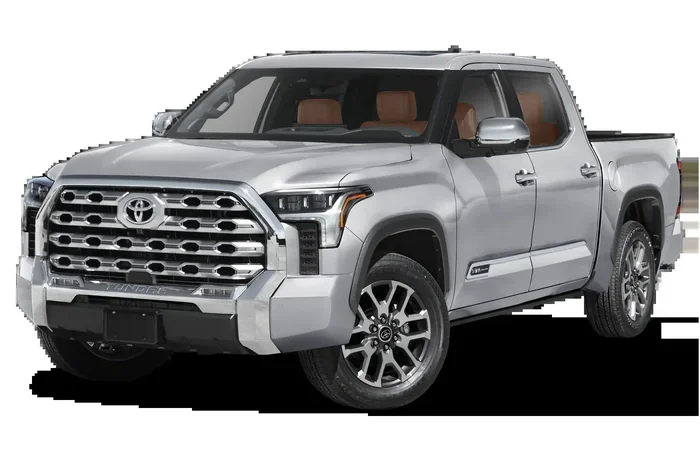
Not all Tundras are created equal when it comes to resale. Certain trims and configurations hold value better than others. The Tundra Platinum and 1794 Edition, for example, tend to retain value more strongly because of their premium features and desirability. Work-oriented trims like the SR also hold value well because they appeal to a broad base of buyers.
Four-wheel-drive models generally command higher resale prices than two-wheel-drive versions. This is because 4WD adds versatility and capability, which buyers are willing to pay more for on the used market.
Mileage and Condition
Lower mileage always helps resale value, but the Tundra is forgiving in this regard. Because the truck is built to last, buyers are less concerned about higher mileage on a well-maintained Tundra. A Tundra with 150,000 miles that has been properly cared for can still fetch a strong price.
Condition matters enormously. Clean interiors, undamaged exteriors, and well-maintained mechanical components all contribute to a higher resale price. Regular washing, waxing, and interior care go a long way in preserving your Tundra’s appearance and value.
Maintenance History
A full maintenance record is one of the most powerful tools for maintaining resale value. When you sell your Tundra, having documented service history gives buyers confidence that the truck has been well cared for. This can justify a higher asking price.
Regular oil changes, tire rotations, brake inspections, and timely repairs all add up. If you ever wonder how much do mechanics charge per hour, keep in mind that investing in routine maintenance pays off handsomely when it comes time to sell.
Fuel Economy and Operating Costs
Fuel costs are a major consideration for truck buyers. The Tundra’s fuel economy has improved over the years, and many buyers consider are Toyota Tundras good on gas when shopping. Better fuel economy means lower operating costs, which makes the truck more attractive to used buyers.
Additionally, Toyota parts and service tend to be more affordable than some competitors. Lower operating costs contribute to a stronger resale value because buyers factor in what they will spend to own and operate the truck going forward.
Market Trends and Timing
The used truck market fluctuates based on economic conditions, fuel prices, and consumer trends. In recent years, truck prices have remained strong due to high demand and limited supply. The Tundra has benefited from these market trends, with used prices holding up remarkably well.
Timing your sale can also impact value. Selling during peak truck-buying seasons, typically spring and summer, can net you a better price. Understanding market trends helps you make the most informed decision about when to buy or sell.
Tundra Generations and Their Value Retention
The Toyota Tundra has gone through two major generations since its introduction. Each generation has its own value retention characteristics.
First Generation (2000-2006)
The first-generation Tundra set the tone for the model. It was a solid, dependable full-size pickup that earned respect in the truck community. First-gen Tundras have proven to hold value exceptionally well for their age. Even after two decades, a well-maintained first-generation Tundra can still command a respectable price.
Parts availability for the first generation is excellent, which keeps ownership costs low. This is a major factor in why these older trucks remain attractive to buyers.
Second Generation (2007-2021)
The second-generation Tundra brought significant improvements in power, comfort, and capability. The 5.7-liter V8 engine became a fan favorite, and the truck’s towing capacity made it a strong competitor in the half-ton truck market. Second-gen Tundras hold value very well, with some models actually appreciating in certain markets.
The 2010-2014 model years are particularly sought after in the used market. These trucks offer a great balance of features, capability, and reliability at a reasonable price point.
Third Generation (2022-Present)
The latest Tundra generation introduced a hybrid powertrain, modern technology, and updated styling. Early data suggests the third-gen Tundra will continue the tradition of strong value retention. The hybrid system adds efficiency without sacrificing capability, which appeals to a wide range of buyers.
It is still early to judge long-term depreciation for the latest generation, but Toyota’s track record gives buyers confidence that the new Tundra will hold its value well.
Tips to Maximize Your Toyota Tundra’s Value
Want to get the most out of your Tundra when it is time to sell? Follow these practical tips to keep your truck in top shape and maximize its resale value.
1. Keep Up with Regular Maintenance
Stick to Toyota’s recommended maintenance schedule. Change your oil regularly, rotate your tires, and address any issues promptly. A well-documented service history is your best friend when selling.
2. Protect the Exterior and Interior
Wash and wax your Tundra regularly to protect the paint. Use seat covers and floor mats to keep the interior looking new. Avoid eating or smoking in the truck, as odors can be a major turn-off for buyers.
3. Address Repairs Promptly
Do not ignore warning lights or unusual sounds. Small problems can become big, expensive issues if left unchecked. Prompt repairs keep your Tundra running smoothly and preserve its value.
4. Keep Records Organized
Store all receipts, service records, and warranty documents in a folder. When a buyer asks for proof of maintenance, you want to be able to hand over a complete file immediately.
5. Consider Your Modifications Carefully
Aftermarket upgrades can be a double-edged sword. Some buyers love lifted trucks or custom wheels, but others prefer stock configurations. If you do modify your Tundra, keep the original parts so you can revert to stock before selling.
6. Drive Responsibly
Avoid aggressive driving and heavy loads that put unnecessary strain on the truck. Gentle driving reduces wear and tear on the engine, transmission, and suspension components.
7. Choose the Right Time to Sell
Monitor market conditions and sell when demand is high. Spring and early summer are typically the best times to list a truck for sale. Avoid selling during periods of low demand or when new model-year trucks are flooding the market.
Common Mistakes That Hurt Tundra Value
Just as there are things you can do to protect value, there are also common mistakes that hurt it. Avoid these pitfalls to keep your Tundra worth more.
- Skipping regular maintenance: Neglected trucks sell for significantly less.
- Ignoring small repairs: A small leak or noise can signal bigger problems to buyers.
- Letting the interior get dirty: First impressions matter. A clean truck sells faster and for more money.
- Modifying excessively: Too many aftermarket changes can narrow your buyer pool.
- Selling too quickly: Holding onto your Tundra a bit longer can result in a better sale price as initial depreciation slows down.
Expert Insights on Toyota Tundra Value
Industry experts consistently rate the Toyota Tundra as one of the top trucks for value retention. According to Kelley Blue Book and Edmunds, the Tundra regularly outperforms its competitors in projected resale value rankings. These organizations analyze thousands of transactions to determine how well vehicles hold their worth.
Automotive analysts point to Toyota’s conservative engineering approach as a key factor. Rather than chasing every new trend, Toyota focuses on proven technology and durable components. This philosophy results in trucks that age gracefully and maintain their appeal over time.
Experts also highlight the Tundra’s strong brand equity. Toyota’s reputation for quality creates a built-in premium that translates into higher resale prices. Even when the Tundra is older, buyers are willing to pay more because they trust the Toyota name.
One interesting trend is the growing interest in older Tundra models among enthusiasts. The first and second generations have developed a cult following, with some models actually appreciating in value. This is rare for a vehicle and speaks to the Tundra’s enduring appeal.
When considering the average weight of a Toyota Rav4 or any other vehicle, it is clear that the Tundra’s larger size and capability do not hurt its value. In fact, the Tundra’s heft is part of what makes it so desirable for work and towing applications.
Key Takeaways
- Toyota Tundras hold their value significantly better than most competing trucks.
- Depreciation rates for the Tundra are lower than the average for full-size pickups, typically losing 25-30% over five years.
- Reliability and brand reputation are the biggest factors behind the Tundra’s strong resale performance.
- Used Toyota Tundra prices remain high even for older model years, thanks to strong demand and durability.
- Proper maintenance and care can further boost your Tundra’s long-term value and market appeal.
- The Tundra competes favorably with the Ford F-150, Ram 1500, and Chevrolet Silverado in value retention metrics.
- Buying a used Tundra is a smart financial move thanks to slow depreciation and proven reliability.
Conclusion
So, do Toyota Tundras hold their value? The evidence is clear and compelling. The Toyota Tundra stands out as one of the best trucks for retaining value in the full-size pickup segment. Its combination of reliability, durability, strong brand reputation, and high consumer demand creates a powerful value proposition that few competitors can match.
Whether you are buying a new Tundra or shopping for a used one, you are making a smart financial decision. The Tundra depreciates more slowly than most rival trucks, which means more money back when you sell or trade in. This is a truck that works hard for you every day and continues to pay dividends long after the purchase.
If you are looking for a truck that will serve you well for years and still hold its worth, the Toyota Tundra should be at the top of your list. It is a vehicle that proves you do not have to sacrifice value for capability. With proper care and maintenance, your Tundra will remain a valuable asset for a long time to come.
Before you make any final decisions, take the time to research your specific needs. Consider factors like fuel economy, towing capacity, and ownership costs. And remember, the best truck is the one that fits your lifestyle and keeps its value over time. The Toyota Tundra checks both boxes, making it a standout choice in the competitive truck market.
Trust in the Toyota name, invest in regular maintenance, and enjoy the peace of mind that comes with owning one of the most value-retentive trucks on the road. Your Tundra will reward you with years of dependable service and strong resale value.
Frequently Asked Questions
Do Toyota Tundras Hold Their Value Better Than Other Full-Size Trucks?
Yes, the Toyota Tundra consistently holds its value better than most full-size competitors including the Ford F-150, Ram 1500, and Chevrolet Silverado. Industry data shows the Tundra typically loses 25-30% of its value over five years, which is lower than the industry average for full-size pickups.
What Is the Average Depreciation Rate for a Toyota Tundra?
The average Toyota Tundra loses about 25-30% of its original value within the first five years of ownership. This is considered excellent for a full-size pickup truck. Factors like trim level, mileage, and maintenance history can influence the exact rate of depreciation.
Are Used Toyota Tundras Worth Buying?
Absolutely. Used Toyota Tundras are an excellent value because they have already absorbed the steepest part of depreciation. You get a reliable, capable truck at a lower price point. The Tundra’s strong reputation for durability means even older models remain dependable and desirable on the used market.
How Can I Improve My Toyota Tundra’s Resale Value?
Regular maintenance is the single most important factor. Keep detailed service records, protect the exterior and interior, address repairs promptly, and avoid excessive modifications. Driving responsibly and selling at the right time of year can also make a significant difference in your final sale price.
Which Toyota Tundra Trim Holds Value Best?
Popular trims like the Tundra Platinum, 1794 Edition, and Limited tend to hold value best due to their desirable features and strong buyer demand. Work-oriented trims like the SR also retain value well because of their practicality and broad appeal in the used truck market.
Does the Toyota Tundra Hybrid Hold Its Value Better?
Early data suggests the hybrid Tundra holds its value well, benefiting from the growing demand for fuel-efficient trucks. The hybrid system adds modern technology and improved fuel economy, which are attractive features for used truck buyers. However, long-term data is still being collected for this newer model.