How to Turn Off the Rear Windshield Wiper on a Volkswagen
Turning off the rear windshield wiper on a Volkswagen is simpler than most drivers think. Whether your VW rear wiper keeps running after a car wash or you just prefer a dry rear window, this guide walks you through every method. From checking the wiper relay to adjusting dashboard settings, we have you covered with practical, model-specific advice.
Have you ever glanced in your rearview mirror and noticed the rear windshield wiper on your Volkswagen just keeps going? It wipes and wipes, even when the rain has long stopped. Annoying, right? You are not alone. Many Volkswagen owners face this exact situation, and the good news is that fixing it is usually straightforward.
This guide will show you exactly how to turn off the rear windshield wiper on a Volkswagen. We will cover every method, from simple stalk adjustments to fuse pulls and electronic settings. Whether you drive a Golf, Passat, Tiguan, or another VW model, you will find the answer here. Let us get into it.
The rear windshield wiper on a Volkswagen serves an important purpose. It clears rain, snow, mud, and debris from the back window. But sometimes it runs when it should not. Maybe the sensor thinks it is raining when it is not. Maybe the switch is stuck. Or maybe you simply do not want it running at all. Whatever the reason, you have options.
Key Takeaways
- Multiple methods exist: You can disable the rear wiper through the control stalk, dashboard menu, or by removing the fuse.
- Know your model: Different Volkswagen models have different access points for the rear wiper settings.
- Check the fuse first: The rear wiper fuse is the quickest way to stop unwanted wiper action.
- Wiper relay matters: A faulty relay can cause the rear wiper to stay on even when turned off.
- Maintenance prevents issues: Regularly inspecting your rear wiper blade and fluid levels keeps everything working properly.
- Legal considerations apply: Some regions require a functioning rear windshield wiper on certain vehicles.
- DIY-friendly fixes: Most rear wiper problems can be solved at home with basic tools.
📑 Table of Contents
- Understanding the Rear Windshield Wiper System on a Volkswagen
- Method 1: Turn Off the Rear Wiper Using the Control Stalk
- Method 2: Pull the Rear Wiper Fuse
- Method 3: Disable the Rear Wiper Through the Vehicle Settings
- Troubleshooting a Rear Wiper That Will Not Turn Off
- When You Should Keep the Rear Wiper On
- Maintaining Your Volkswagen Rear Wiper System
- When to See a Professional Mechanic
- Conclusion
Understanding the Rear Windshield Wiper System on a Volkswagen
Before you dive into the fixes, it helps to understand how the system works. The rear wiper on a Volkswagen is part of a larger network of components. Each piece plays a role in making sure the wiper activates and deactivates at the right time.
How the Rear Wiper Activates
Most Volkswagen models use one of three systems to control the rear wiper. The first is a manual switch on the dashboard or steering column. The second is an automatic rain sensor. The third is a timer-based system that activates after a car wash or during certain driving conditions.
When you flip the switch or the sensor detects moisture, a signal goes to the wiper control module. This module sends power to the wiper motor, which drives the arm and blade across the rear glass. When the cycle ends or the moisture disappears, the module should cut power. When it does not, that is when problems start.
Common Volkswagen Models with Rear Wipers
Not every Volkswagen comes with a rear wiper. Here are the most common models that include one:
- Volkswagen Golf — hatchback models from MK4 through MK7
- Volkswagen Passat — sedan and wagon versions
- Volkswagen Tiguan — compact SUV
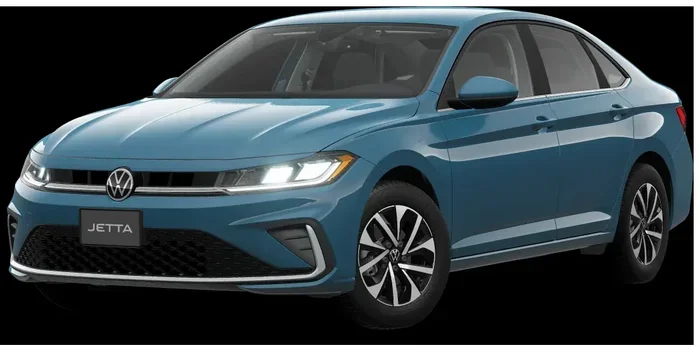
- Volkswagen Jetta — select trims and model years
- Volkswagen Touareg — full-size SUV
- Volkswagen Beetle — older model years
If you own one of these models, the steps in this guide will apply to you. The exact location of controls and fuses may vary slightly, but the principles remain the same.
Method 1: Turn Off the Rear Wiper Using the Control Stalk
The simplest way to turn off the rear windshield wiper on a Volkswagen is through the control stalk. This is the lever or dial on your dashboard that controls all the wipers. Most drivers do not realize they can toggle the rear wiper independently from the front wipers.
Step-by-Step Instructions
- Locate the wiper control stalk on the left side of the steering column.
- Look for a separate toggle or dial labeled for the rear wiper. On some models, this is a small thumb wheel at the end of the stalk.
- Rotate or push the toggle to the “off” position.
- Listen for a click. The rear wiper should stop immediately.
- If it does not stop, move to the next method below.
Quick Tip: On Volkswagen models with an infotainment screen, you may also find wiper controls in the vehicle settings menu. Check under “Vehicle” or “Car Settings” for wiper options. This is especially common in newer VW models from 2015 and later.
What If the Stalk Does Not Respond?
Sometimes the stalk feels unresponsive or stuck. This can happen from wear and tear or from moisture getting into the connector. Try wiggling the stalk gently while switching positions. If it still does not work, do not force it. Move on to the fuse method, which is both effective and safe.
Method 2: Pull the Rear Wiper Fuse
When the stalk control does not do the trick, pulling the fuse is your next best option. Every Volkswagen has a fuse box that protects the electrical circuits. The rear wiper has its own dedicated fuse, which you can remove to completely disable the system.
Finding the Fuse Box
Volkswagen vehicles typically have two fuse boxes. The first is located under the dashboard on the driver side. The second is in the engine bay. For the rear wiper, you will most likely need the interior fuse box.
- Driver-side fuse box: Located to the left of the steering wheel, behind a plastic cover.
- Engine bay fuse box: Located near the battery, on the front of the engine compartment.
Identifying the Correct Fuse
Open the fuse box cover. Inside, you will find a diagram printed on the lid or on the underside of the cover. Look for the label that says “Rear Wiper” or “Wiper Rear.” The fuse number varies by model and year.
Here is a general reference table for common Volkswagen models:
- Volkswagen Golf (MK4-MK7): Fuse #15 or #22 in the interior box
- Volkswagen Passat (B5-B8): Fuse #20 or #30 in the interior box
- Volkswagen Tiguan: Fuse #18 in the interior box
- Volkswagen Jetta: Fuse #15 or #25 in the interior box
Once you find the correct fuse, use a fuse puller or a pair of needle-nose pliers to gently remove it. The rear wiper will stop working immediately. This is a great temporary solution if you are dealing with a malfunctioning wiper that will not turn off.
Expert Insight: Always keep a spare fuse of the same amperage in your glove box. If you pull the wrong fuse by mistake, you can swap it back in seconds. You can find the correct amperage rating printed on the fuse itself or in your owner’s manual.
Method 3: Disable the Rear Wiper Through the Vehicle Settings
Newer Volkswagen models come with digital vehicle settings that let you customize almost everything. This includes the ability to turn off the rear windshield wiper through the infotainment screen. This method works best on models from 2015 onward that feature the MIB infotainment system.
Step-by-Step Instructions for Modern VW Models
- Press the “Vehicle” button on the infotainment screen.
- Navigate to “Settings” or “Car Settings.”
- Look for a section called “Wipers” or “Exterior Lighting and Wipers.”
- Find the toggle for the rear wiper.
- Switch it off.
- Confirm the change if prompted.
On some Volkswagen models, you may need to hold down a specific button for three seconds to access the advanced settings menu. Check your owner’s manual for the exact sequence. If you do not have the manual, you can often find a digital version on the Volkswagen website by entering your VIN.
Why Use the Settings Menu?
The settings menu method is the cleanest approach because it does not involve removing any fuses or physically disconnecting anything. It simply tells the wiper control module to stop sending power to the rear motor. This is ideal if you want to keep the option available but just disable it for now.
Quick Tip: If you cannot find the rear wiper setting in the menu, try searching for “rear window” or “rear wiper” in the settings search bar. Some VW models organize settings by function rather than by category, so the search feature can save you a lot of time.
Troubleshooting a Rear Wiper That Will Not Turn Off
Sometimes the problem goes deeper than a simple switch or setting. If you have tried the stalk, the fuse, and the digital settings, and your rear windshield wiper still will not stop, you may have a more serious issue. Here are the most common causes and how to address them.
Faulty Wiper Relay
The wiper relay is a small electrical switch that sends power to the wiper motor. When it fails, it can get stuck in the “on” position. This causes the rear wiper to keep running even when you turn it off. To check the relay, locate it in the fuse box. It is usually labeled “Wiper” or “Rear Wiper.” Swap it with a relay of the same type and see if the problem goes away.
Water Damage to the Wiper Module
Volkswagen rear wiper modules are exposed to the elements. Over time, moisture can seep into the connector and cause corrosion. This can short-circuit the module and make it believe the wiper should always be on. If you suspect water damage, you may need to have the module inspected or replaced by a professional.
Stuck Wiper Switch
The physical switch on your dashboard or stalk can wear out over time. When the internal contacts stick together, the signal stays active even when you think you have turned it off. Cleaning the switch with electrical contact cleaner can sometimes fix this. If not, a replacement switch is relatively inexpensive and easy to install.
Software Glitch in the Control Module
Modern Volkswagens rely heavily on software to control electrical functions. Occasionally, a software glitch can cause the rear wiper to malfunction. In these cases, a simple reset of the vehicle’s electrical system can help. Disconnect the negative battery terminal for 15 minutes, then reconnect it. This resets the wiper control module and often clears up strange electrical behavior.
Common Mistake: Do not try to disconnect the battery while the engine is running. Always turn the ignition off and remove the key before disconnecting any battery terminals. This prevents damage to the vehicle’s computer system.
When You Should Keep the Rear Wiper On
While this guide is about turning the rear wiper off, there are times when you absolutely should keep it on. Understanding when the rear wiper is essential helps you make informed decisions about when to disable it and when to leave it running.
Driving in Rain or Snow
The rear windshield gets just as much moisture as the front. In heavy rain or snowfall, the rear windshield wiper is critical for visibility. Turning it off in these conditions can be dangerous. If your auto-sensing wiper keeps activating, it is doing its job. Let it work.
After a Car Wash
Many Volkswagens automatically activate the rear wiper after an automatic car wash. This is by design. The system assumes you just went through a wash and need the rear window cleared of soap and water. In most cases, the wiper will stop after a few cycles. If it does not, use the methods in this guide to turn it off manually.
Towing or Driving in Dusty Conditions
If you haul a trailer or drive on dirt roads, the rear window gets dirty fast. Keeping the rear wiper functional and ready is a good idea. Just remember to turn it off when you no longer need it, so you do not wear out the rear wiper blade prematurely.
Related Reading: If you are curious about the legal requirements for rear wipers, check out our article on whether you legally have to have a rear windshield wiper. It covers the rules that vary by state and country.
Maintaining Your Volkswagen Rear Wiper System
Prevention is always better than repair. A little regular maintenance goes a long way in keeping your rear wiper system working properly. Here are the best practices every Volkswagen owner should follow.
Replace the Rear Wiper Blade Regularly
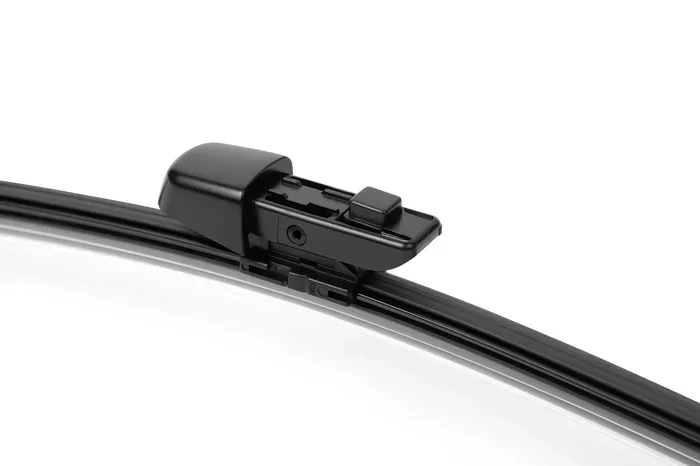
The rear wiper blade wears out just like the front blade. Most experts recommend replacing it every six to twelve months. Signs that it is time for a new blade include streaking, chattering, and skipping across the glass. A worn blade can also strain the wiper motor and lead to bigger problems.
Check the Wiper Fluid
Your Volkswagen has a separate reservoir for rear wiper fluid in most models. Keep it topped off, especially during the rainy season. Use a quality fluid that does not freeze in cold weather. This keeps the system lubricated and prevents buildup on the rear glass.
Clean the Wiper Arm and Connector
Dirt and grime can build up on the wiper arm pivot point and the electrical connector. This can cause intermittent operation or a wiper that will not turn off. Wipe these areas down with a damp cloth every few months. A little maintenance now saves you a lot of trouble later.
Protect the Wiper Module from Moisture
Since water damage is one of the leading causes of rear wiper problems, consider applying a thin layer of dielectric grease to the electrical connector. This repels moisture and prevents corrosion. It is a small step that can extend the life of your Volkswagen wiper system significantly.
Quick Tip: When you replace your front wiper blades, take a moment to inspect the rear blade at the same time. This makes it easy to remember and keeps both sets of wipers in top condition.
When to See a Professional Mechanic
Most rear wiper issues can be fixed at home with the methods described above. However, some problems require the expertise of a trained mechanic. Here are signs that it is time to book a service appointment.
- The rear wiper makes grinding or screeching noises.
- The wiper arm moves but the blade does not.
- You smell burning plastic or notice a hot odor near the wiper motor.
- The fuse keeps blowing after you replace it.
- The wiper works intermittently with no clear pattern.
These symptoms could indicate a deeper electrical problem or a failing motor. A professional mechanic can run diagnostic tests on the Volkswagen electrical system and pinpoint the exact cause. In most cases, the repair is affordable and completed in under an hour.
Also, if your vehicle is still under warranty, it is worth checking with your dealership before attempting any electrical repairs yourself. Some repairs could void the warranty if not done by a certified technician. You can also check our guide on dealership warranty work for general advice on warranty-covered repairs.
One more thing to keep in mind: if you are experiencing electrical issues beyond just the rear wiper, such as flickering lights or a check engine light that keeps coming on, these could be related. A full electrical diagnostic is always a good idea when multiple systems are acting up.
Conclusion
Turning off the rear windshield wiper on a Volkswagen does not have to be complicated. You have multiple paths to choose from. The control stalk offers the quickest fix. The fuse provides a reliable temporary solution. The digital settings menu gives you a clean, non-invasive option for newer models. And for those stubborn cases where the wiper simply will not stop, troubleshooting the relay, module, or switch can get to the root of the problem.
The key is to start simple and work your way up. Check the stalk first, then the fuse, then the settings. If none of those work, dig deeper into the electrical components. And remember, regular maintenance of your rear wiper blade and system keeps everything running smoothly for years to come.
Whether you are dealing with a sticky switch, a faulty relay, or just want to disable the rear wiper for a while, you now have all the tools and knowledge you need. Take action today and enjoy a quieter, more controlled driving experience in your Volkswagen. Your rear window and your sanity will thank you.
Frequently Asked Questions
Why does my Volkswagen rear wiper keep running even when turned off?
This is usually caused by a stuck wiper relay, a faulty wiper control module, or moisture damage to the electrical connector. Start by checking the fuse and relay, as these are the most common culprits. If those are fine, the control module may need professional diagnosis.
Can I drive my Volkswagen without the rear windshield wiper working?
Yes, you can drive without a functioning rear wiper, but it may affect visibility in rainy or snowy conditions. Some regions have legal requirements for rear wipers, so check local laws before driving without one. For more details, see our guide on rear wiper legal requirements.
How do I know if the rear wiper fuse is blown?
A blown fuse will look visibly damaged, with a broken metal strip inside the glass tube. You can also test it with a multimeter for continuity. If the fuse is blown, replace it with one of the same amperage rating to avoid electrical damage.
Does the rear wiper drain the car battery if left on?
Yes, leaving the rear wiper on for an extended period can drain the battery. The wiper motor draws a significant amount of power. If you notice your battery is weak after a wiper malfunction, you may want to check our article on car lights draining the battery for related tips on preventing battery drain.
Can I disable the automatic rain-sensing rear wiper on my Volkswagen?
Yes, most modern Volkswagens allow you to turn off the automatic rain-sensing feature through the vehicle settings menu. Look under “Wiper Settings” or “Driver Assistance” in the infotainment system. If you cannot find it, consult your owner’s manual for the exact menu path.
How often should I replace my Volkswagen rear wiper blade?
Most experts recommend replacing the rear wiper blade every six to twelve months. If you notice streaking, chattering, or reduced clearing performance, it is time for a new blade. Replacing it is a quick, inexpensive fix that takes only a few minutes.