Car Colors to Avoid That Will Hurt Your Resale Value
Car colors to avoid can seriously damage your vehicle’s resale value and make it harder to sell. Many drivers do not realize that their car paint color choice affects how quickly a car sells and for how much money. Least popular car colors like certain bright shades and unusual tones tend to sit on lots longer. Understanding car color preference helps you make smarter buying decisions. This guide reveals the car colors to avoid and explains why they hurt your wallet when it is time to sell.
You spent hours picking out the perfect car. You test drove it, checked the features, and negotiated the price. But did you think about the color? Most people do not. They pick whatever looks good in the showroom or whatever their favorite celebrity drives. The truth is that your car color choice has a bigger impact on your wallet than you might think. It affects how fast your car sells, how much money you get back, and even how much you spend on maintenance. This is why understanding car colors to avoid is one of the smartest things you can do before signing on the dotted line.
The used car market is incredibly competitive. Buyers have options, and they are picky. A car paint color that seems fun and exciting in the showroom can become a liability when it is time to sell. Certain shades make cars harder to photograph for listings, less appealing to car buyer preferences, and more likely to sit on a dealer’s lot for months. On the other hand, the right color can make your vehicle sell faster and for a higher price. The difference between a popular exterior color and a least popular car color can mean hundreds or even thousands of dollars at resale.
In this guide, we will walk you through the car colors to avoid, explain why they hurt your resale value, and help you make a smarter car color choice for your next purchase. We will also look at which colors sell best, how color affects car maintenance costs, and what car color trends are shaping the used car market right now. By the end, you will have a clear picture of what to pick and what to skip.
Key Takeaways
- Bold, unusual colors hurt resale: Bright yellows, oranges, and purples are the hardest colors to sell.
- Neutral tones hold value best: White, black, gray, and silver remain the top choices for buyers.
- Color affects maintenance costs: Some shades show dirt faster and require more frequent washing.
- Trends shift over time: What is popular today may not be popular in two years.
- Matte finishes are niche: They limit your buyer pool and can reduce resale by up to 10%.
- Personal taste matters less than market demand: Choose colors that appeal to the widest range of buyers.
📑 Table of Contents
Why Car Color Matters for Resale Value
It might sound silly to worry about paint when a car has a working engine and solid frame. But the car color you choose is one of the first things a buyer notices. Studies show that color popularity directly influences how quickly a vehicle sells and at what price. When you understand car color psychology, it becomes clear why certain shades perform better than others in the resale market.
Think about it this way. When you scroll through listings online, what catches your eye first? It is usually the photo, and the photo shows the car’s color. A dirty car paint job or a fading shade immediately turns buyers off. Even if the car is in excellent mechanical condition, the exterior color creates a first impression that is hard to undo. This is why vehicle demand for certain colors stays high while others struggle to find buyers. Car depreciation is already a reality for every vehicle owner, and your color choice can accelerate or slow that loss in value.
The Science Behind Car Color Preference
Car color psychology plays a bigger role than most people realize. Neutral colors like white, black, gray, and silver are associated with reliability, professionalism, and timeless style. Bright or unconventional colors, on the other hand, can signal a fun personality but also suggest a car that appeals to a narrow audience. When you are trying to sell, you want the broadest possible pool of vehicle demand. That means sticking with colors that the masses find attractive and easy to live with.
Car buying trends also shift over time. A few years ago, white was the dominant color worldwide. Then gray surged in popularity. Right now, white and black are leading, with gray and silver close behind. These are the car colors to avoid going against if you want to protect your investment. Going against the grain with a bold color can feel great when you drive off the lot, but it can cost you real money later.
Quick Tips
- Always check color popularity rankings for your region before buying.
- Neutral colors have the broadest car buyer preferences across all age groups.
- If you love bold colors, consider them for a daily driver you plan to keep long-term.
The Worst Car Colors to Avoid
Not all car colors are created equal when it comes to resale. Some shades are practically begging buyers to pass them by. Here are the car colors to avoid if you care about your vehicle resale value.
Bright Yellow and Orange
Bright yellow and orange are fun, energetic colors. They look great on a sports car or a summer road trip. But when it comes to resale value, they are among the worst choices you can make. These least popular car colors appeal to a very small segment of buyers. Most families, professionals, and everyday shoppers simply do not want a bright yellow or orange sedan or SUV.
Yellow cars also show dirt and scratches more easily than darker shades. This means your car wash frequency goes up, adding to your car ownership cost over time. Orange cars face similar issues, though they tend to be slightly more accepted in certain regions, particularly in areas with warm climates where the color feels fun and fitting.
Bright Purple and Neon Green
Purple and neon green are bold choices that turn heads. But they also limit your buyer pool significantly. Very few people are searching for a purple sedan or a neon green truck when they browse the used car market. These colors fall into the category of car colors to avoid for anyone who plans to sell within five years.
Neon green in particular has a very niche appeal. It might be popular among a small group of enthusiasts, but it does not translate to broad vehicle demand. If you buy a neon green car, you should plan to keep it for a very long time or be prepared to accept a lower offer when you sell.
Brown and Beige
Brown and beige cars have always been polarizing. Some people find them warm and earthy. Others see them as dull and forgettable. In the used car market, brown and beige cars consistently rank at the bottom for resale. They are not the least popular car colors in the same way as bright yellow, but they still struggle to attract buyers.
Brown cars also have a unique problem: they show dust and minor scratches very clearly. This makes them look older and less well-maintained than they actually are. For car maintenance purposes alone, brown is a challenging color to keep looking good.
Matte Finish Colors
Matte finishes have become trendy in recent years. They look sleek and modern on the showroom floor. But when it comes to resale value, matte finishes are a gamble. Many buyers are unfamiliar with matte paint care, and some simply do not like the look. This narrows your vehicle demand pool considerably.
Matte finishes also cannot be easily touched up or repainted. If your car gets a scratch or a dent, the repair process is more complex and expensive. This adds to your car ownership cost and can further reduce the car’s resale appeal. If you love the matte look, enjoy it while you keep the car, but do not count on getting a good price when you sell.
| Car Color | Resale Impact | Buyer Appeal | Maintenance Level |
|---|---|---|---|
| Bright Yellow | Very Negative | Low | High (shows dirt) |
| Bright Orange | Very Negative | Low | High (shows dirt) |
| Bright Purple | Negative | Very Low | Moderate |
| Neon Green | Negative | Very Low | Moderate |
| Brown / Beige | Negative | Low | High (shows dust) |
| Matte Black | Negative | Low to Moderate | Very High |
| Bright Red | Slightly Negative | Moderate | Moderate |
| White | Positive | Very High | Low |
| Black | Positive | High | Moderate |
| Gray | Positive | High | Low |
| Silver | Positive | High | Low |
Expert Insights
According to automotive analysts, the exterior color of a car can affect its resale value by anywhere from 5% to 15%. This might not sound like much, but over the life of a vehicle, those percentages translate into real dollars. A car that loses $2,000 more in resale because of its color is a car that cost the owner $2,000 for a purely aesthetic choice. That is money that could have been saved or invested elsewhere.
Which Car Colors Sell Fastest
Now that we have covered the car colors to avoid, let us look at the flip side. Which colors actually help your car sell faster and for more money? The answer might surprise you because it is not always about what you think looks best.
White: The Undisputed King
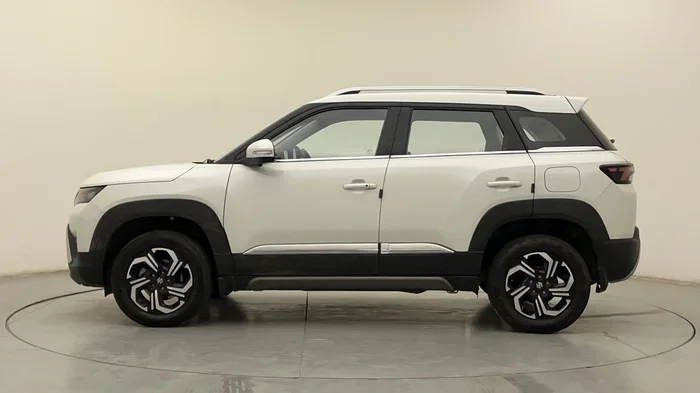
White has been the most popular car color worldwide for years, and it shows no signs of slowing down. White cars are easy to photograph, they hide minor dirt well, and they appeal to virtually every demographic. When you are ready to sell, a white car in good condition attracts more buyers than almost any other exterior color.
White also has a practical advantage: it stays cooler in hot climates, which reduces the strain on your air conditioning system. This is a small but real benefit that contributes to lower car ownership cost over time. If you want the safest bet for resale, white is the way to go.
Black: Premium but High Maintenance
Black cars have a premium feel that many buyers love. They look sleek and sophisticated, and they tend to hold their value well. However, black is a double-edged sword when it comes to car maintenance. Black paint shows every scratch, every dust particle, and every water spot. If you do not keep up with regular washing and waxing, a black car can quickly look worn and neglected.
Despite the maintenance demands, black remains one of the top colors for resale. The key is to stay on top of car wash frequency and keep the paint in excellent condition. A well-maintained black car will always fetch a good price in the used car market.
Gray and Silver: The Reliable Middle Ground
Gray and silver are the unsung heroes of the resale world. They are neutral enough to appeal to a wide range of buyers, and they are practical enough to keep looking good with minimal effort. Gray cars, in particular, have surged in popularity in recent years, largely driven by car buying trends that favor modern and sophisticated aesthetics.
Silver cars have a unique advantage: they resist showing minor imperfections better than black or dark gray. They also tend to hide dirt well between washes. If you want a low-maintenance color that still sells well, gray or silver should be at the top of your list.
Common Mistakes
- Assuming your favorite color is the best for resale. Personal preference and market demand are two very different things.
- Ignoring regional differences. Certain colors are more popular in specific areas. White dominates in hot climates, while darker tones are preferred in northern regions.
- Underestimating the condition factor. Even the most popular color will not save a car that has paint damage, fading, or poor maintenance.
How Car Color Affects Your Maintenance Costs
Most people think about car color as a purely aesthetic choice. But the color you pick has real financial implications when it comes to keeping your vehicle looking its best. Understanding how car color affects car maintenance costs is an important part of making a smart buying decision.
Light Colors vs. Dark Colors
Light-colored cars like white, silver, and light gray tend to be the easiest to maintain. They show dirt less noticeably, and minor scratches are harder to see. This means you can go longer between washes without the car looking bad. For busy people who do not have time for frequent detailing, light colors are a practical choice.
Dark-colored cars like black, dark blue, and dark red look stunning when they are clean, but they show every flaw. Dust, water spots, and minor scratches are immediately visible on dark paint. This means you need to wash and wax more frequently, which adds to your car ownership cost over the years.
The Hidden Cost of Bold Colors
Bold and unusual colors come with their own set of maintenance challenges. Bright reds can fade faster when exposed to sunlight. Certain metallics and pearlescent finishes require special care products that cost more than standard wax. And if you ever need to touch up a scratch on a bold-colored car, finding the exact paint match can be difficult and expensive.
These hidden costs add up. Over the course of five or ten years of ownership, the car maintenance costs for a bold-colored car can easily exceed those of a neutral-colored vehicle. This is an important factor to consider when evaluating the true car ownership cost of your car color choice.
Paint Quality and Longevity
Not all paint is created equal. Some manufacturers use higher-quality paint that resists fading and chipping better than others. When you combine high-quality paint with a popular neutral color, you get the best of both worlds: a car that looks great for years and sells well when you are ready to move on.
If you are set on a bolder color, look for vehicles with good paint ratings and consider applying a ceramic coating or paint protection film. These paint quality investments can help preserve the finish and reduce long-term car maintenance costs.
Quick Tips
- Apply a ceramic coating to any bold-colored car to protect the paint and reduce car wash frequency.
- Park in shaded areas whenever possible to minimize sun damage to your exterior color.
- Wash your car regularly, especially dark-colored vehicles, to prevent water spots and paint buildup.
- Use color-specific care products for metallics and pearlescent finishes to maintain their unique look.
Car Color Trends and What Buyers Want in 2024
The automotive world is always changing, and so are car color trends. What was popular five years ago might not be popular today. And what is trending now might not hold its appeal in a few years. Staying informed about current car buying trends helps you make a smarter car color choice that will serve you well both as a daily driver and when it comes time to sell.
The Rise of White and Gray
White continues to dominate global sales, accounting for roughly 35% of all new car colors sold. Gray has grown steadily over the past decade and now holds a strong second place. Together, white and gray make up more than half of all cars on the road. This dominance is not accidental. These colors appeal to a wide range of buyers, they are versatile enough for any type of vehicle, and they are easy to keep looking clean.
If you are thinking about the car colors to avoid from a trend perspective, the answer is clear: anything that goes against these dominant shades carries more risk when it comes to resale. Bold colors and unusual tones will always have a place in the market, but they cater to a smaller audience.
The Return of Earth Tones
While white and gray lead the pack, there is a growing interest in earth tones like tan, camel, and olive. These colors appeal to buyers looking for something a bit different without being too extreme. They offer a middle ground between bold and neutral, and they are gaining traction in the SUV and crossover segments.
However, earth tones are still niche compared to the big neutrals. If you choose an earth tone, be aware that your vehicle demand pool will be smaller than it would be for white or gray. Plan accordingly when it is time to sell.
Matte and Custom Finishes: A Growing but Risky Trend
Matte finishes, color-shifting paints, and custom wraps are becoming more popular, especially among younger buyers. These finishes offer a unique look that standard paint cannot match. But they come with significant resale risks.
Many used car market buyers are hesitant about matte or custom finishes because they do not know how to care for them. Some buyers simply do not like the look. This means that cars with non-standard finishes often take longer to sell and sell for less money. If you love the look, enjoy it while you drive the car, but do not expect it to help your resale value.
How to Choose the Right Car Color
Choosing a car color is one of the most personal decisions you will make when buying a vehicle. But it is also one of the most consequential when it comes to your long-term financial outcome. Here is how to approach the decision with both your heart and your wallet in mind.
Step 1: Know Your Timeline
How long do you plan to keep the car? If you are buying a car you intend to drive for ten years or more, your car color choice matters less for resale purposes. You can pick whatever color makes you happy, because you will not be selling it anytime soon. But if you plan to trade in or sell within three to five years, you should prioritize colors that have strong vehicle demand.
Step 2: Research Your Local Market
Car color preference varies by region. In some parts of the country, white dominates. In others, black or gray is more common. Before you buy, do a quick search of local listings to see what colors are most common and what colors are in demand. This simple step can save you from making a costly car color choice mistake.
Step 3: Consider the Vehicle Type
The type of car you are buying also influences which colors make sense. A family SUV benefits from neutral colors that appeal to a wide range of buyers. A sports car might be a different story; bold colors can actually enhance the appeal of a sports car because they match the vehicle’s personality. But even then, extreme colors will limit your resale pool.
Step 4: Think About Practicality
Beyond resale, consider the practical aspects of your car color choice. Will you be parking outdoors in a sunny climate? Light colors stay cooler. Do you have young children or pets? Lighter colors show stains less easily. Do you have time for regular car care? Dark colors demand more attention. These practical considerations matter just as much as resale value when choosing your car’s exterior color.
Expert Insights
Automotive industry experts consistently advise buyers to prioritize neutral colors for their primary vehicles. According to data from major automotive research firms, neutral-colored vehicles spend an average of 15% less time on dealer lots compared to bold-colored vehicles. This translates directly into better resale value for the owner. The advice is simple: if you want to maximize your return when it is time to sell, stick with the colors that the masses prefer.
Step 5: Do Not Overlook the Power of a Good Wrap
If you love bold colors but worry about resale, there is a practical solution: vinyl wraps. A high-quality wrap can transform your car’s appearance without permanently altering the factory paint. When it is time to sell, you can remove the wrap and reveal the neutral factory color underneath. This gives you the best of both worlds: the fun look you want now and the resale-friendly base color you need later.
Wraps are not cheap, but they are far less expensive than a full repaint. And they protect the factory paint from scratches and UV damage, which is a bonus for paint quality and long-term car maintenance. If you are torn between a bold color and a neutral one, a wrap might be the perfect compromise.
Common Mistakes People Make With Car Colors
Even informed buyers sometimes make mistakes when it comes to choosing a car color. Here are the most common errors and how to avoid them.
Buying Based on Emotion Alone
It is easy to fall in love with a bright red convertible or an electric blue coupe. The emotion of the moment can override all logical thinking about resale. Before you commit to a bold color, ask yourself honestly: will I still love this color in five years? Will I be able to sell this car easily when I am ready to move on?
Emotion-driven car color choice is the number one reason people end up with vehicles that are hard to sell. Take a step back, look at the bigger picture, and make a decision that serves both your style and your financial interests.
Ignoring the Cost of Repainting
Some buyers choose a unique color because they think they can always repaint it before selling. This is a dangerous assumption. Repainting a car is expensive, and the new paint rarely matches perfectly. A repainted car often sells for less than one with original paint, even if the new paint job looks good. The cost of repainting can eat into your resale value and leave you with less money in your pocket than if you had simply chosen a neutral color from the start.
Following Trends Blindly
Trends come and go. The color that is hot today might be dated tomorrow. If you buy a car based purely on what is trending right now, you risk being stuck with a color that falls out of favor. Instead of chasing trends, focus on timeless neutral colors that have proven their staying power in the used car market.
Common Mistakes
- Skipping the research phase. Always check which colors sell fastest in your area before buying.
- Assuming all neutrals are equal. While white, black, gray, and silver are all safe choices, some perform better than others depending on your region and vehicle type.
- Underestimating the impact of color on overall cost. A bold color might seem cheap at purchase but cost you more in maintenance and lower resale.
Conclusion
Choosing the right car color is about balancing personal style with smart financial planning. The car colors to avoid are clear: bright yellows, oranges, purples, neon greens, browns, and matte finishes all carry significant resale risk. These least popular car colors limit your buyer pool, increase car maintenance costs, and can cost you hundreds or thousands of dollars when it is time to sell.
On the other hand, neutral colors like white, black, gray, and silver offer the best combination of broad appeal, low maintenance, and strong resale value. They are the safest choices for anyone who wants to protect their investment and maximize their return when the time comes to move on to a new vehicle.
At the end of the day, your car should be something you enjoy driving. But enjoyment does not have to come at the expense of your wallet. By understanding car color psychology, staying informed about car buying trends, and making a thoughtful car color choice, you can have a car that looks great, feels great, and holds its value over time. The next time you are in the market for a new vehicle, remember these tips and make a choice that works for both your style and your future self.
Take the time to research, consider your local market, and think about your long-term plans. A few minutes of research now can save you a lot of money later. The car colors to avoid are not just about aesthetics; they are about making a smart financial decision that protects your investment for years to come.
Frequently Asked Questions
What are the car colors to avoid if I plan to sell within five years?
If you plan to sell within five years, you should avoid bright yellow, bright orange, bright purple, neon green, brown, and matte finish colors. These car colors to avoid have the narrowest buyer pools and the weakest resale value performance. Stick with white, black, gray, or silver for the best results.
Does car color really affect resale value that much?
Yes, it really does. Studies show that car color can affect resale value by 5% to 15%. Over the life of a vehicle, this can translate to hundreds or even thousands of dollars. The exterior color influences buyer appeal, vehicle demand, and how quickly a car sells on the used car market.
Are there any bold colors that hold their value well?
Bright red is probably the best bold color for resale. It is still considered a relatively mainstream color and appeals to a wider audience than yellow, orange, or purple. However, even red does not match the resale performance of neutral colors like white, black, gray, and silver.
How does car color affect maintenance costs?
Dark colors like black and dark blue show dirt, scratches, and water spots more easily, which means you need to wash and wax more frequently. Bold colors may require special care products and can be expensive to touch up if scratched. Light neutral colors are generally the lowest maintenance option in terms of car wash frequency and paint quality upkeep.
Is it worth getting a car wrap to change the color before selling?
Yes, a vinyl wrap can be a smart move if you love a bold color but want to protect your resale value. You can enjoy the bold look while driving, then remove the wrap before selling to reveal a neutral factory color underneath. This gives you the best of both worlds without permanently altering the car’s paint.
What is the most popular car color for resale in 2024?
White remains the most popular car color for resale in 2024, followed closely by black, gray, and silver. These neutral colors consistently attract the broadest range of buyers and spend the least time on dealer lots. If you want the safest car color choice for resale, white is the clear winner.