Find Out How Many Gallons Does a Toyota Tundra Hold
The Toyota Tundra gas tank capacity varies by generation, but most models hold between 26 and 38 gallons of fuel. Knowing your Tundra fuel tank size helps you plan road trips, estimate costs, and avoid getting stranded. Whether you drive a newer twin-turbo V6 or an older V8, this guide covers Tundra tank capacity by year and everything else you need to know.
Have you ever wondered exactly how much fuel your Toyota Tundra can carry? Whether you are planning a long road trip, heading out on a towing adventure, or just trying to budget for gas, knowing your Toyota Tundra fuel tank capacity matters. A lot of truck owners assume they know the answer, but the real number can surprise you depending on the year and model.
In this guide, we break down the Tundra gas tank size for every major generation. We also cover fuel economy, driving range, and practical tips to help you get the most out of every gallon. If you have ever found yourself at the pump wondering why it takes so long to fill up, this article is for you.
Let us dive into everything you need to know about the Toyota Tundra fuel tank. By the end, you will have clear answers and actionable advice you can use right away.
Key Takeaways
- Standard Tundra tanks range from 26 to 38 gallons depending on the model year and trim level.
- The 2022+ Tundra with the i-FORCE MAX twin-turbo V6 offers improved fuel efficiency over older V8 models.
- A full Tundra tank can take you 400 to 600 miles depending on driving habits and conditions.
- Proper maintenance like checking your cabin air filter and keeping tires inflated helps maximize fuel economy.
- Fuel tank size varies across Tundra generations, from the first generation to the latest 2024+ models.
- Towing heavy loads significantly reduces your Tundra’s range on a full tank.
📑 Table of Contents
- Understanding the Toyota Tundra Fuel Tank Capacity
- Tundra Tank Size by Generation and Year
- How Far Can You Go on a Full Tundra Tank
- Tips to Maximize Your Tundra Fuel Efficiency
- Tundra Fuel Tank Maintenance and Care
- Comparing Tundra Fuel Capacity with Other Full-Size Trucks
- Common Mistakes Tundra Owners Make with Fuel
- Final Thoughts on Tundra Fuel Tank Capacity
Understanding the Toyota Tundra Fuel Tank Capacity
The Tundra tank capacity is not a one-size-fits-all number. Toyota has used different tank sizes across the Tundra’s lifespan. The fuel tank size depends on the generation, engine type, and trim level of your specific truck.
For most people, the Tundra fuel tank capacity comes down to a simple question: how many gallons does it hold? The answer typically falls between 26 gallons and 38 gallons. Newer models tend to have larger tanks, which means fewer trips to the gas station on long drives.
Here is a quick look at the general fuel tank sizes across Tundra generations:
- First Generation (1999-2006): Around 26 gallons
- Second Generation (2007-2021): Around 26 to 32 gallons depending on the model
- Third Generation (2022-Present): Around 36 to 38 gallons
These numbers give you a solid baseline. However, always check your owner’s manual or the door jamb sticker for the exact specification. Factors like cab style and bed length can sometimes affect tank size too.
When people search for how many gallons does a Tundra hold, they usually want a quick, clear answer. Now you have it. But let us go deeper into what these numbers mean for your daily driving and long-distance travel.
Tundra Tank Size by Generation and Year
Not all Tundra trucks are created equal when it comes to fuel capacity. Let us walk through each generation and what you can expect from the Tundra gas tank in terms of size and performance.
First Generation Tundra (1999-2006)
The original Toyota Tundra came with a respectable fuel tank size of about 26 gallons. This was standard for full-size trucks of that era. The first-gen Tundra offered both a 4.7-liter V8 and a 5.7-liter V8 engine option.
With a 26-gallon tank and average fuel economy around 13 to 18 MPG, your range on a full tank was roughly 340 to 470 miles. That is still pretty good for a truck of this age. Many first-gen Tundra owners still rely on these trucks daily, and knowing the tank size helps with trip planning.
Second Generation Tundra (2007-2021)
The second-generation Tundra saw some changes in tank capacity. Most models carried a 26-gallon tank, but certain configurations and trims bumped this up to 32 gallons. The 5.7-liter V8 became the standard engine, delivering strong towing power at the cost of higher fuel consumption.
For those wondering about Tundra fuel economy, the second generation averaged around 13 to 17 MPG in the city and 17 to 21 MPG on the highway. With a 32-gallon tank, you could push past 500 miles on a single highway trip.
If you are shopping for a used second-gen Tundra, checking the exact tank size is important. The difference between 26 and 32 gallons can make a real impact on your range.
Third Generation Tundra (2022-Present)
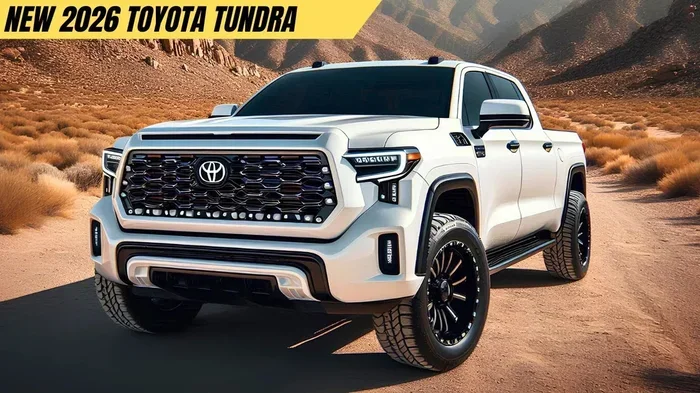
The all-new 2022 Tundra brought a major overhaul. Toyota switched from a traditional V8 to a twin-turbo V6 engine called the i-FORCE MAX. This new powertrain came with a larger fuel tank capacity of 36 to 38 gallons.
The bigger tank paired with improved engine efficiency means the new Tundra can go significantly farther on a single fill-up. Drivers report an estimated range of 500 to 600 miles on the highway with the larger tank. This is a huge step forward for a truck that used to guzzle gas.
If you are comparing the Toyota Tundra tank size across years, the third generation clearly leads in both capacity and efficiency. It is a great time to own a Tundra if fuel range matters to you.
How Far Can You Go on a Full Tundra Tank
Now that you know the Tundra fuel tank capacity, the next logical question is: how far can you actually drive? The answer depends on several factors, including your driving style, road conditions, and whether you are towing.
Calculating Your Range
To estimate your range, simply multiply your tank size by your average MPG. For example:
- 26-gallon tank at 16 MPG: 26 x 16 = 416 miles
- 32-gallon tank at 18 MPG: 32 x 18 = 576 miles
- 38-gallon tank at 20 MPG: 38 x 20 = 760 miles
These are estimates, but they give you a good idea of what to expect. Real-world results will vary based on how you drive and where you drive.
Factors That Affect Your Tundra Range
Several things can shorten or extend your range on a full tank:
- Driving speed: Highway cruising at steady speeds gives better fuel economy than stop-and-go city driving.
- Towing a trailer: Heavy loads dramatically increase fuel consumption and reduce your range.
- Tire pressure: Underinflated tires create more rolling resistance, which wastes fuel.
- Air conditioning use: Running the AC in hot weather can lower your MPG by 10 to 20 percent.
- Engine condition: A well-maintained engine runs more efficiently and uses less fuel.
If you want to maximize your range, focus on the factors you can control. Keep your tires properly inflated, drive at steady speeds, and reduce unnecessary weight in the truck bed.
Tips to Maximize Your Tundra Fuel Efficiency
Owning a powerful truck like the Tundra means you are dealing with larger fuel consumption. But that does not mean you cannot improve your fuel economy. Small changes in how you drive and maintain your truck can add up to significant savings over time.
Driving Habits That Save Fuel
Your driving style has a big impact on how many miles you get per gallon. Here are some habits that help:
- Accelerate smoothly: Avoid slamming the gas pedal. Gradual acceleration uses less fuel.
- Maintain steady speeds: Use cruise control on highways to keep a consistent pace.
- Anticipate stops: Ease off the gas early when you see traffic lights or stop signs ahead.
- Avoid excessive idling: Turn off the engine if you are parked for more than a minute.
These habits apply to any vehicle, but they matter even more for a truck as large as the Tundra. Every gallon saved adds up over weeks and months of driving.
Maintenance Tips for Better Fuel Economy
Keeping your Tundra in good shape directly impacts fuel efficiency. Here are maintenance steps that help:
- Change your oil regularly: Fresh oil reduces engine friction and improves performance. Check what oil your Tundra needs to ensure optimal engine health.
- Replace air filters: A clean engine air filter allows better airflow, which improves combustion efficiency.
- Check tire alignment: Misaligned tires create drag, forcing the engine to work harder.
- Use the right fuel: The 2022+ Tundra recommends premium fuel for the twin-turbo engine. Using the correct octane helps the engine perform as designed.
Some people wonder if things like the cabin air filter affect fuel economy. While cabin filters primarily impact air quality inside the truck, a clogged engine air filter definitely hurts MPG. Keep both in mind when doing routine maintenance.
Quick Tips for Tundra Owners
- Fill up in the early morning when temperatures are cooler. Fuel is denser, so you get slightly more energy per gallon.
- Keep your fuel level above a quarter tank to avoid fuel pump strain and unexpected trips to the gas station.
- Remove unnecessary items from the truck bed. Extra weight reduces fuel efficiency.
- Use the recommended grade of gasoline for your specific Tundra model year.
- Monitor your fuel economy with a scan tool or trip computer to catch any drops early.
These simple tips can help you squeeze more miles out of every tank. Over time, the savings add up to real money in your pocket.
Tundra Fuel Tank Maintenance and Care
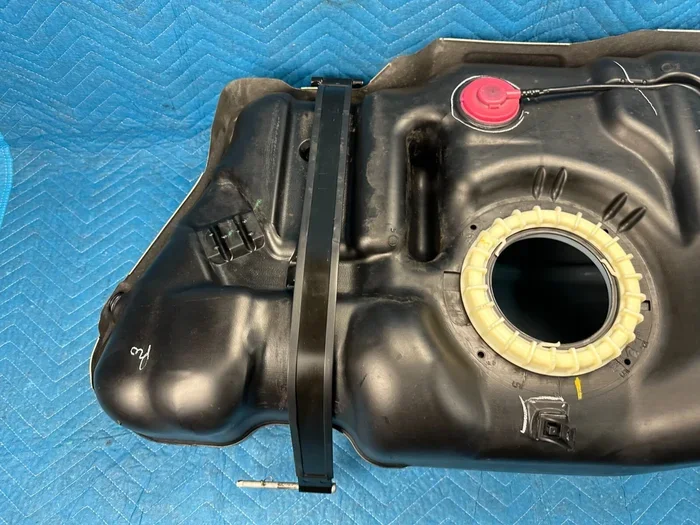
Your Tundra fuel tank works hard every time you drive. Proper care keeps it functioning reliably for years. Most Tundra tanks are built from durable materials and require minimal maintenance, but a few practices go a long way.
Keeping Your Fuel System Clean
Using quality gasoline from reputable stations helps prevent fuel system deposits. Over time, contaminants can build up in the tank and fuel lines, affecting performance and efficiency.
Consider using a fuel system cleaner every 15,000 to 30,000 miles. This helps keep injectors clean and ensures your engine runs smoothly. A clean fuel system also contributes to better Tundra MPG numbers.
Signs of Fuel Tank Issues
Watch for these warning signs that something may be wrong with your fuel tank:
- Fuel gauge readings that seem inaccurate: The gauge may stuck or give erratic readings.
- Fuel odors around the truck: This could indicate a leak in the tank or fuel lines.
- Reduced range without explanation: If you are filling up more often than usual, something may be wrong.
- Visible damage or rust: Older Tundra models may develop rust spots on the tank over time.
If you notice any of these issues, have a mechanic inspect the fuel system promptly. Addressing problems early prevents costly repairs down the road.
Fuel Tank Longevity
A well-maintained Tundra fuel tank can last the entire life of the truck. Modern tanks are resistant to corrosion and designed for durability. The key is to avoid running the tank completely empty too often, as this can stress the fuel pump and introduce sediment into the system.
Think of your fuel tank as part of a system. When you take care of the whole fuel system, the tank lasts longer and performs better.
Comparing Tundra Fuel Capacity with Other Full-Size Trucks
Curious how the Tundra gas tank size stacks up against the competition? Here is a quick comparison of popular full-size trucks and their fuel tank capacities:
- Toyota Tundra (2022+): 36 to 38 gallons
- Ford F-150: 26 to 36 gallons depending on configuration
- Chevrolet Silverado 1500: 24 to 36 gallons
- Ram 1500: 23 to 26 gallons
The Tundra holds a competitive amount of fuel compared to its rivals. The 2022+ model’s 38-gallon tank is among the largest in the full-size truck segment. This gives Toyota Tundra owners an advantage when it comes to long-distance driving without frequent fuel stops.
If you are comparing trucks for purchase, fuel capacity is one factor worth considering. A larger tank means fewer interruptions on road trips and more convenience for daily driving.
Common Mistakes Tundra Owners Make with Fuel
Even experienced truck owners sometimes make mistakes that hurt fuel economy or tank longevity. Here are a few to avoid:
- Topping off the tank after the pump clicks: This can cause fuel to overflow or enter the vapor recovery system, leading to potential damage.
- Using the wrong fuel grade: The 2022+ Tundra requires premium fuel. Using regular gas can cause engine knocking and reduced performance.
- Ignoring the fuel cap light: A loose or damaged fuel cap lets fuel evaporate and triggers warning lights.
- Driving on empty frequently: This strains the fuel pump and can cause it to fail prematurely.
Avoiding these simple mistakes keeps your Tundra running its best and protects your fuel tank capacity investment.
Final Thoughts on Tundra Fuel Tank Capacity
Knowing how many gallons your Toyota Tundra holds is more than just a number. It is the foundation for planning trips, budgeting for fuel costs, and maintaining your truck properly. From the first generation with 26 gallons to the latest 2024 model with 38 gallons, Toyota has consistently provided generous Tundra fuel tank capacity across all generations.
Whether you use your Tundra for daily commuting, weekend adventures, or heavy towing, understanding your fuel system helps you get the most out of every drive. Keep up with regular maintenance, adopt fuel-smart driving habits, and your Tundra will reward you with reliable performance and impressive range.
The Toyota Tundra remains one of the most capable and dependable full-size trucks on the road. With the right knowledge about your fuel tank, you can hit the road with confidence knowing exactly how far you can go.
Now that you have all the details about Tundra fuel tank capacity, take a moment to check your own truck’s specifications. Refer to your owner’s manual or the label on the driver’s door jamb. And if you are shopping for a new Tundra, use this information to compare models and make the best choice for your needs.
Share this guide with fellow Tundra owners who might benefit from it. Understanding your truck’s fuel system is one of the simplest ways to be a better, more informed truck owner.
Frequently Asked Questions
How many gallons does a Toyota Tundra hold?
The Toyota Tundra fuel tank capacity ranges from 26 gallons in older models to 38 gallons in the latest 2022+ generation. The exact number depends on your Tundra’s year, trim, and configuration. Check your owner’s manual for the precise specification.
How far can a Toyota Tundra go on a full tank?
A full Tundra tank can take you between 400 and 600 miles depending on your driving conditions and MPG. The newer twin-turbo models with larger 38-gallon tanks offer the longest range. Your actual range will vary based on how you drive and what you carry.
Does the Tundra fuel tank size vary by cab style?
In most cases, the Tundra tank capacity is the same across cab styles for the same generation. However, some second-generation models with longer beds or specific trims had slightly different tank sizes. Always verify with your specific VIN or owner’s manual.
What type of fuel does the Toyota Tundra require?
The 2022 and newer Tundra models with the i-FORCE MAX twin-turbo V6 require premium gasoline. Older Tundra models with the V8 engine typically used regular or mid-grade fuel. Always follow the recommendation in your owner’s manual for the best performance.
Can I increase my Tundra’s fuel tank size?
Aftermarket fuel tank upgrades are available for some Tundra models, but they require professional installation and may affect warranty coverage. Most owners find that the stock Tundra gas tank size is sufficient for their needs. Focus on improving fuel economy through driving habits and maintenance instead.
Why does my Tundra’s fuel gauge read differently than expected?
Fuel gauge readings can vary due to factors like driving on slopes, temperature changes, and fuel sloshing in the tank. If your gauge seems consistently inaccurate, have a mechanic check the fuel level sensor. Proper maintenance of the fuel system keeps readings accurate and reliable.