How Many Gallons Does a Toyota Tundra Fuel Tank Hold
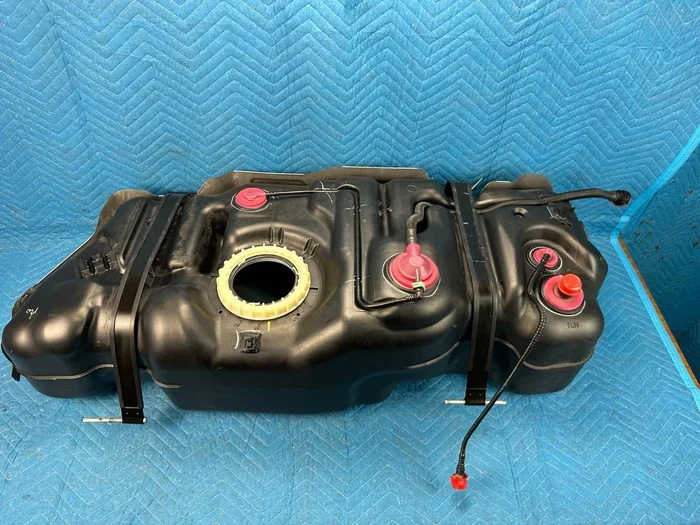
The Toyota Tundra fuel tank holds between 23 and 26 gallons depending on the model year and trim. This generous capacity gives the Tundra a solid driving range, making it a great choice for towing, hauling, and long road trips. Understanding your Tundra’s fuel capacity helps you plan refueling stops and manage operating costs effectively.
If you own a Toyota Tundra or are thinking about buying one, knowing your Toyota Tundra fuel tank capacity is essential. It affects everything from how far you can drive between gas stations to how much you spend on fuel each month. The Tundra is a full-size pickup truck built for tough jobs, long road trips, and heavy towing. And at the heart of all that capability is a fuel tank designed to keep you going.
In this guide, we will walk you through everything you need to know about the Toyota Tundra fuel tank. We will cover the exact gallon capacity, fuel economy numbers, how to maximize your range, and practical tips to keep your fuel system running smoothly. Whether you are a new Tundra owner or have been driving one for years, this article has useful information for you.
The Toyota Tundra has been a staple in the full-size truck market for decades. Its fuel tank capacity has evolved over the years, with newer models offering slightly larger tanks and improved fuel efficiency. Understanding these details helps you make smarter decisions about refueling, towing, and daily driving.
Key Takeaways
- Tank Capacity: The Toyota Tundra fuel tank holds approximately 23 to 26 gallons, depending on the model year and trim level.
- Driving Range: With a full tank, the Tundra can travel roughly 400 to 550 miles on a single fill, depending on driving conditions.
- Fuel Economy Matters: The Tundra MPG varies by engine type, with the 5.7L V8 offering strong towing capability but lower mileage than smaller engines.
- Eco Mode Helps: Using eco mode can improve fuel efficiency and stretch your range between fill-ups.
- Maintenance Is Key: Keeping your fuel system clean and your gas cap sealed properly prevents fuel loss and maintains performance.
- Know Your Fill-Up: Understanding how many gallons to fill up a car helps you budget for fuel costs and avoid unexpected stops.
📑 Table of Contents
Toyota Tundra Fuel Tank Capacity Overview
The Toyota Tundra fuel tank capacity depends on the model year and trim level. Most recent Tundra models come with a tank that holds between 23 and 26 gallons of fuel. This is a substantial amount compared to many other trucks and SUVs on the road. The larger tank size is one reason the Tundra remains popular among drivers who need long range without frequent stops.
Tank Size by Model Year
Different model years of the Tundra have had slightly different tank sizes. Here is a general breakdown of what you can expect:
- 2007-2013 Tundra: These earlier models typically had a 26-gallon fuel tank. This was one of the larger tanks in the full-size truck segment at the time.
- 2014-2021 Tundra: The tank capacity remained around 26 gallons for most trims during this period. Some configurations may have varied slightly.
- 2022+ Tundra: The newer Tundra models introduced a hybrid powertrain option. The fuel tank size on these models is approximately 23 gallons, which is slightly smaller but compensated by improved fuel efficiency.
Knowing your specific model year helps you understand exactly how much fuel your truck can carry. This matters when planning long trips or calculating fuel costs for work-related hauling.
Why Tank Size Matters for Full-Size Trucks
A larger fuel tank means fewer refueling stops, which is especially important for drivers who use their Tundra for towing or long-distance hauling. When you are pulling a heavy trailer, your fuel consumption increases. Having a bigger tank gives you a wider margin between fill-ups. The Toyota Tundra fuel tank is sized to balance capacity with overall vehicle weight and packaging constraints.
For comparison, many mid-size trucks like the Ford Ranger or Chevrolet Colorado have tanks around 18 to 20 gallons. The Tundra’s 23 to 26-gallon capacity puts it well ahead of those competitors in terms of range. If you frequently drive in rural areas or remote locations where gas stations are sparse, this extra capacity becomes even more valuable.
Tundra Fuel Economy: What to Expect
Fuel economy is a major consideration for any truck owner. The Toyota Tundra fuel tank capacity works hand in hand with the truck’s fuel economy to determine your overall driving range. The Tundra offers different engine options, and each one delivers a different MPG rating.
Engine Options and Their Impact on Fuel Economy
The Toyota Tundra has historically been powered by a 5.7L V8 engine. This engine produces strong horsepower and torque, making it excellent for towing and hauling. However, the trade-off is that a V8 engine typically uses more fuel than a smaller four-cylinder or V6 engine.
Here is what you can generally expect from the Tundra’s fuel economy:
- City Driving: Around 13 to 16 MPG depending on the model year and driving conditions.
- Highway Driving: Around 17 to 20 MPG on the highway with steady speeds.
- Combined Driving: Most Tundra models fall in the 14 to 18 MPG range for combined city and highway driving.
The newer hybrid Tundra models have improved these numbers somewhat. The hybrid system assists the engine during acceleration and can recover energy during braking, which helps boost overall efficiency.
How to Improve Your Tundra’s Fuel Economy
Even though the Tundra is a powerful full-size truck, there are several ways to get better fuel economy from your Toyota Tundra fuel tank:
- Use Eco Mode: The Tundra comes with an eco mode that adjusts engine response and transmission shifting to improve fuel efficiency. Using eco mode can save a noticeable amount of mileage over time, especially during highway driving.
- Maintain Proper Tire Pressure: Underinflated tires create more rolling resistance, which forces the engine to work harder and use more fuel.
- Reduce Excess Weight: Carrying unnecessary items in your truck bed adds weight and reduces fuel economy. Keep only what you need.
- Drive Smoothly: Avoid aggressive acceleration and hard braking. Smooth, steady driving is the best way to maximize your MPG.
- Use Cruise Control: On highways, cruise control helps maintain a consistent speed, which improves fuel efficiency.
These small changes add up over time and can help you get more miles out of every gallon in your Toyota Tundra fuel tank.
How to Maximize Your Tundra’s Fuel Range
Understanding your fuel range is one of the most practical benefits of knowing your tank capacity. With a 23 to 26-gallon Toyota Tundra fuel tank, you can expect a driving range of approximately 400 to 550 miles on a single fill, depending on your driving habits and conditions.
Calculating Your Personal Fuel Range
To calculate your actual fuel range, simply multiply your tank capacity by your average MPG. For example:
- 26-gallon tank x 16 MPG = 416 miles of range
- 23-gallon tank x 18 MPG = 414 miles of range
These numbers give you a good estimate of how far you can go before needing to refuel. Keep in mind that towing a heavy trailer or carrying a full load will reduce your range significantly.
Planning Long Trips with Your Tundra
When planning a long road trip in your Tundra, it is smart to map out gas stations along your route. Even with a large fuel tank, you do not want to find yourself stranded in an area with limited fuel options. A good rule of thumb is to refuel when your tank drops to about a quarter full. This ensures you always have a comfortable buffer and never risk running low.
Also, consider that fuel tank shape and vehicle design affect how fuel is delivered. Some trucks experience fuel sloshing during sharp turns, which can temporarily affect the fuel gauge reading. Understanding this quirk helps you avoid surprises at the pump.
How to Open the Gas Cap on a Toyota Tundra
Accessing your fuel tank is straightforward on the Toyota Tundra. The gas cap is located on the rear driver’s side of the vehicle. If you are unfamiliar with the process, opening the gas cap on a car is a simple procedure that involves pressing or twisting the cap to release it.
Step-by-Step Guide to Opening the Tundra Gas Cap
- Park your Tundra on a level surface and turn off the engine.
- Walk to the rear driver’s side of the vehicle.
- Locate the gas cap door, which is typically behind the rear wheel well.
- Press the door release or pull the door open gently.
- Twist the gas cap counterclockwise to remove it.
- Refuel your tank with the appropriate grade of gasoline.
- Replace the gas cap and twist it clockwise until it clicks.
Always make sure your gas cap is tightened properly after refueling. A loose or damaged gas cap can cause fuel vapor leaks, which not only wastes fuel but can also trigger your check engine light. A properly sealed gas cap is a small but important part of maintaining your Toyota Tundra fuel tank system.
Comparing the Tundra Fuel Tank to Other Full-Size Trucks
The Toyota Tundra competes with several other full-size trucks, and fuel tank capacity is one factor buyers consider. Here is how the Tundra stacks up against some popular competitors:
Fuel Tank Capacity Comparison Table
- Toyota Tundra: 23 to 26 gallons
- Ford F-150: 23 to 26 gallons (varies by configuration)
- Chevrolet Silverado 1500: 24 to 28 gallons (varies by configuration)
- Ram 1500: 23 to 26 gallons (varies by configuration)
As you can see, the Tundra’s fuel tank capacity is competitive with other full-size trucks in its class. The slight variations between models depend on bed length, cab configuration, and whether the truck uses a standard or extended cab layout. The Tundra holds its own well in this comparison.
When choosing a truck, it is not just about tank size. Fuel economy, engine efficiency, and towing capacity all play a role in determining how useful your fuel tank really is. The Tundra balances all of these factors well, which is why it remains a popular choice among truck buyers.
Tips for Maintaining Your Tundra Fuel System
Taking care of your Toyota Tundra fuel tank and fuel system helps ensure long-term performance and reliability. A well-maintained fuel system delivers better fuel economy, smoother acceleration, and fewer unexpected problems.
Regular Maintenance Tasks
- Replace Fuel Filters: The fuel filter prevents debris from reaching your engine. Replace it according to your maintenance schedule, typically every 30,000 to 50,000 miles.
- Use Quality Fuel: Always use the recommended grade of gasoline for your Tundra. Using lower-quality fuel can lead to engine deposits and reduced performance.
- Keep the Tank Clean: Try to keep your tank at least a quarter full at all times. Running the tank very low can introduce sediment from the bottom of the tank into the fuel system.
- Inspect Fuel Lines: Over time, fuel lines can develop leaks or cracks. Regular inspections help catch these issues early before they become costly repairs.
- Check the Fuel Pump: The fuel pump sends fuel from the tank to the engine. If you notice hesitation or stalling, the fuel pump may need attention.
Common Fuel System Mistakes to Avoid
Many Tundra owners unknowingly make mistakes that can harm their fuel system over time. Here are a few to avoid:
- Topping Off the Tank: Overfilling your tank can cause fuel to enter the charcoal canister, which is designed to handle vapors, not liquid fuel. This can lead to expensive repairs.
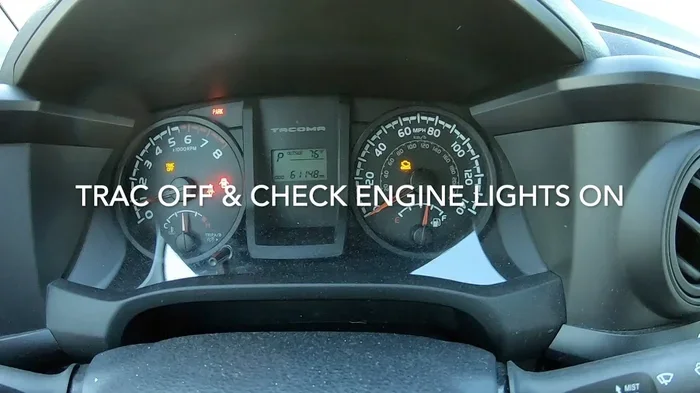
- Ignoring the Check Engine Light: If your check engine light comes on after refueling, it could be a loose gas cap. But if it stays on, get it checked promptly.
- Using the Wrong Fuel Grade: The Tundra requires premium unleaded gasoline in most configurations. Using regular fuel can cause engine knocking and reduced performance.
Taking a few simple precautions goes a long way in protecting your Toyota Tundra fuel tank and keeping your truck running strong for years to come.
Final Thoughts
The Toyota Tundra fuel tank is a well-designed component that supports the truck’s reputation for capability and reliability. With a capacity of 23 to 26 gallons, the Tundra offers a generous driving range that makes it suitable for everything from daily commutes to cross-country hauls. Understanding your fuel tank capacity, maintaining your fuel system, and adopting fuel-saving driving habits all contribute to a better ownership experience.
Whether you are new to the Tundra or have been driving one for years, taking the time to understand your fuel system pays off. You will save money at the pump, reduce unexpected stops, and keep your truck performing at its best. The Toyota Tundra is built to work hard, and its fuel tank is ready to keep up with you on every journey.
So next time you pull into the gas station, take a moment to appreciate the thoughtful engineering behind your Tundra’s fuel system. A little knowledge and regular maintenance go a long way in getting the most out of your truck.
Frequently Asked Questions
How many gallons does a Toyota Tundra fuel tank hold?
The Toyota Tundra fuel tank holds between 23 and 26 gallons depending on the model year and trim. Newer hybrid models typically have a 23-gallon tank, while older models may have a 26-gallon tank. Always check your owner’s manual for the exact capacity of your specific Tundra.
How far can a Toyota Tundra go on a full tank?
With a full tank of 23 to 26 gallons and an average MPG of 14 to 20, the Tundra can travel approximately 400 to 550 miles on a single fill. Your actual range depends on driving conditions, load, and whether you are towing a trailer.
Does the Toyota Tundra require premium gasoline?
Yes, most Toyota Tundra models require premium unleaded gasoline for optimal performance. Using the recommended fuel grade helps protect the engine and maintain fuel efficiency. Check your owner’s manual or the fuel door label for the exact recommendation.
Can I improve my Toyota Tundra’s fuel economy?
Yes, you can improve fuel economy by using eco mode, maintaining proper tire pressure, reducing excess weight, driving smoothly, and using cruise control on highways. These simple steps help you get more miles out of every gallon in your fuel tank.
How often should I replace my Tundra’s fuel filter?
The fuel filter should typically be replaced every 30,000 to 50,000 miles, depending on driving conditions and the fuel quality in your area. Check your Toyota Tundra maintenance schedule for the recommended replacement interval.
Why does my Tundra’s fuel gauge fluctuate?
Fuel gauge fluctuations are common and usually caused by fuel sloshing during turns or changes in driving direction. The fuel sender unit inside the tank moves with the fuel level, which can cause temporary gauge variations. If the gauge behaves erratically at all times, the sender unit may need inspection.