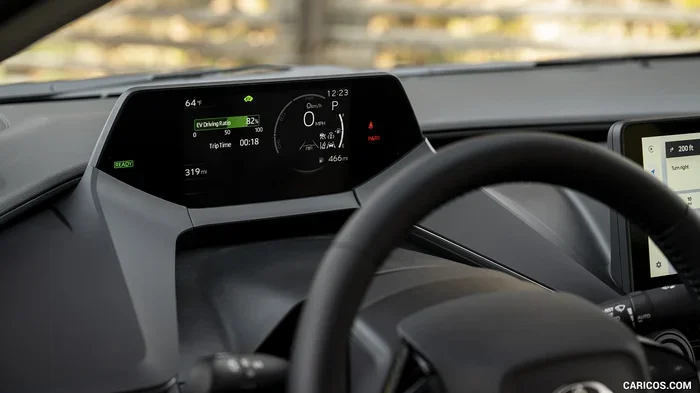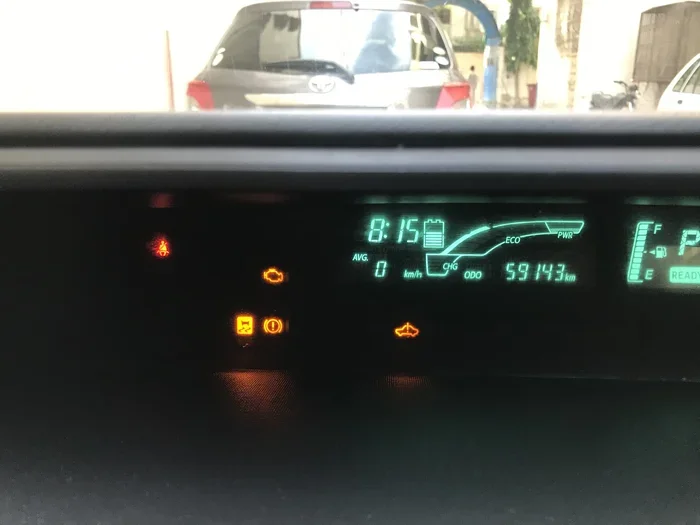
How Do You Reset the Hybrid Light on Your Toyota Prius
Resetting the hybrid light on a Toyota Prius is simpler than most owners think. This guide walks you through the exact steps to clear the hybrid warning light, understand what triggers it, and prevent it from returning. Whether you have a 2010 Prius or the latest model, you will find practical solutions that work.
Resetting the hybrid light on a Prius is one of the most common things Toyota owners search for online. That little yellow or red warning symbol on your dashboard can feel really stressful. You wonder what went wrong and whether your car is okay. The good news is that in most cases, the fix is straightforward and does not require a trip to the dealer.
This guide covers everything you need to know. You will learn what the hybrid light means, why it turns on, and exactly how to reset it yourself. We also share tips to stop it from coming back. Whether you drive a Prius C, a standard Prius, or a Prius Prime, this article has you covered.
The hybrid warning light is your car’s way of telling you something needs attention. It might be a minor sensor glitch or a sign that your hybrid battery needs service. Either way, understanding the root cause helps you fix it faster and avoid costly repairs later.
Key Takeaways
- Know the cause: The hybrid light usually comes on due to a battery issue, sensor fault, or loose connection.
- Reset methods work: You can reset the light using the dashboard buttons, a paperclip trick, or an OBD-II scanner.
- Drive cycles matter: Completing a proper drive cycle after resetting helps the system recalibrate correctly.
- Prevention is key: Regular maintenance and healthy driving habits keep the hybrid light off.
- See a pro when needed: Some causes require a certified Toyota technician and professional diagnostic tools.
- Safety first: Never ignore the hybrid light for too long, as it may signal a serious hybrid system problem.
📑 Table of Contents
- What Is the Hybrid Light on a Toyota Prius?
- Why Does the Hybrid Warning Light Come On?
- How to Reset the Hybrid Light on a Prius
- Common Mistakes When Resetting the Hybrid Light
- When Should You See a Professional?
- Preventing the Hybrid Light from Coming Back
- Expert Insights on Prius Hybrid System Health
- Key Takeaways
- Conclusion
What Is the Hybrid Light on a Toyota Prius?
The hybrid light on a Prius is a dashboard warning indicator shaped like a triangle with an exclamation mark. Sometimes it shows a battery icon or the word “HYBRID.” When this light comes on, it means the Toyota Hybrid Synergy Drive system has detected a problem. The system has flagged something that needs your attention.
There are two types of hybrid warnings you might see. A yellow or amber light usually means a minor issue. A red light is more serious and needs immediate action. The Prius hybrid malfunction light can appear for many reasons, and not all of them mean your car is broken. Sometimes it is just a temporary sensor error.
The Prius dashboard lights work together with the onboard diagnostic system. This system monitors every part of the hybrid powertrain. It checks the battery, the electric motor, the inverter, and the control module. When something falls outside the normal range, the warning light activates.
Common Hybrid Warning Symbols
- Yellow triangle with exclamation mark: General hybrid system warning. This is the most common light owners see.
- Red hybrid battery icon: Indicates a serious battery or power issue. Pull over safely if you see this.
- “CHECK ENGINE” light with hybrid message: The OBD-II system has detected an emissions or performance fault.
- Battery charge warning: Shows that the hybrid battery is not holding charge properly.
Why Does the Hybrid Warning Light Come On?
Understanding the root cause is the first step to fixing the problem. The hybrid battery warning light on a Prius can trigger for several reasons. Let us look at the most common ones.
1. Degraded Hybrid Battery
Over time, the nickel-metal hydride or lithium-ion battery in your Prius loses capacity. Cells can weaken or fail. When the battery cannot hold a proper charge, the system triggers the warning. This is the most common reason the hybrid light comes on in older Prius models.
If you have been asking yourself, can I drive a Prius with a dead hybrid battery? the answer is yes, but only in limited conditions. The car will switch to gas-only mode. However, performance drops significantly, and you should address the battery issue soon.
2. Faulty Sensors
The Prius uses many sensors to monitor the hybrid system. The voltage sensor, temperature sensor, and current sensor all play a role. If one of these sensors sends incorrect data, the system throws a code and lights up the warning. Sensor faults are often temporary and easy to fix.
3. Loose or Corroded Connections
The hybrid battery pack has multiple electrical connections. Over time, these can loosen or corrode. A poor connection interrupts communication between the battery and the control module. This often causes the hybrid light to come on unexpectedly. A simple reconnection can sometimes clear the problem.
4. Inverter or Motor Issues
The inverter converts DC power from the battery to AC power for the electric motor. If the inverter fails or shows an error code, the hybrid light turns on. These repairs can be more expensive, but a technician can diagnose them quickly.
5. Software or ECU Glitch
Sometimes the hybrid control unit simply needs a reset. A software glitch or a temporary error in the engine control unit can trigger the light without any real hardware problem. This is where resetting the light actually solves the issue.
6. Low Hybrid Battery Fluid (for older models)
Some older Prius models use a cooling system for the hybrid battery pack. If the fluid level drops, the system may warn you with the hybrid light. Checking and topping off the coolant can resolve this.
How to Reset the Hybrid Light on a Prius
Now for the part you came here for. Resetting the hybrid light on a Prius is something you can do at home with basic tools. There are a few different methods depending on your Prius model year. We will walk you through each one clearly.
Method 1: The Dashboard Button Reset
This is the simplest and most common method. It works on most Prius models from 2004 to 2023.
- Turn the ignition to the “ON” position. Do not start the engine. Press the power button once without pressing the brake.
- Locate the odometer trip button on the dashboard or steering wheel. It is usually labeled “TRIP” or “RESET.”
- Press and hold the trip button for about 10 seconds.
- The warning lights on the dashboard will cycle through. Keep holding the button.
- After a few seconds, the hybrid light should turn off and stay off.
- Release the button and start the engine normally.
If the light stays off after starting the car, the reset worked. If it comes back immediately, there may be an underlying issue that needs attention.
Method 2: The Paperclip OBD-II Reset
You can use an OBD-II scanner or a simple paperclip trick to clear error codes. This method works well when the dashboard reset does not work.
- Locate the OBD-II port under your dashboard. It is usually on the driver’s side, near the steering column.
- Turn the ignition to the “ON” position.
- If using a paperclip, straighten it and insert both ends into the top two pins of the OBD-II port.
- The check engine light should start blinking. This means the system is reading the codes.
- Wait about 10 seconds, then remove the paperclip.
- Turn the ignition off, wait 30 seconds, and turn it back on.
For a more reliable option, buy or borrow an OBD-II scanner. Plug it into the port, read the codes, and then use the scanner’s function to clear them. This method gives you more control and lets you see what triggered the light in the first place.
Method 3: Disconnect the 12V Battery
This method resets the entire electrical system, including the hybrid control module.
- Turn off the car and remove the key from the ignition.
- Open the hood and locate the 12V auxiliary battery. It is usually in the engine bay on the driver’s side.
- Use a wrench to loosen the negative (black) terminal clamp.
- Disconnect the cable and wait for at least 15 minutes.
- Reconnect the terminal and tighten it securely.
- Start the car and check if the hybrid light is off.
This method is effective but should be used carefully. Disconnecting the battery may reset other settings like your radio presets or clock. Some Prius models also require a Toyota hybrid system reset procedure after reconnecting the battery.
Method 4: Complete a Drive Cycle
After resetting the light, your Prius needs a proper drive cycle to recalibrate the hybrid system. A drive cycle means driving under specific conditions so the onboard computer can relearn and adjust.
- Start the car and let it idle for 2 to 3 minutes.
- Drive at a steady speed of 25 to 45 mph for at least 10 minutes.
- Accelerate gently to 60 mph and hold for 5 minutes.
- Let the car decelerate naturally without braking hard.
- Repeat this cycle two or three times.
A proper drive cycle reset helps the hybrid system recalibrate the battery charge levels and sensor readings. This is especially important after replacing a sensor or clearing a fault code.
Common Mistakes When Resetting the Hybrid Light
Many Prius owners make mistakes when trying to reset the hybrid light. Avoiding these errors saves time and prevents damage.
Mistake 1: Ignoring the Root Cause
The biggest mistake is resetting the light without fixing the underlying problem. The light came on for a reason. If you just clear the code and drive on, the problem gets worse. Always check what triggered the light first. Use an OBD-II scanner to read the diagnostic trouble codes.
Mistake 2: Using the Wrong Reset Method
Not every reset method works for every Prius model. A 2004 Prius and a 2022 Prius Prime have different systems. Using the wrong method can confuse the hybrid control module. Always check your owner’s manual for the correct reset procedure for your specific model year.
Mistake 3: Resetting While Driving
Never attempt a reset while the car is in motion. Always do it when the car is parked and stationary. Working on the dashboard or OBD-II port while driving is dangerous and can cause an accident.
Mistake 4: Giving Up Too Soon
Sometimes the hybrid light does not clear after one reset attempt. This does not mean the reset failed. Try the method again or switch to a different approach. Some codes require two or three reset cycles to fully clear.
Mistake 5: Skipping the Drive Cycle
After resetting the light, skipping the drive cycle is a common error. The hybrid system needs time to relearn and recalibrate. Without a proper drive cycle, the light may return within a few days or even hours.
When Should You See a Professional?
Resetting the hybrid light works in many cases. But there are times when a professional technician is the right choice. Here are clear signs that you need expert help.
- The light returns immediately after resetting: This suggests a hardware problem, not a software glitch. You need a proper diagnosis.
- You see a red hybrid light: A red warning means a serious issue. Do not keep driving. Have the car towed to a service center.
- You hear strange noises from the powertrain: Grinding, clicking, or whining sounds from the hybrid system need professional inspection.
- Your fuel economy drops suddenly: A failing hybrid battery or inverter can cause poor mileage. A technician can test the battery health.
- Multiple warning lights are on: If the hybrid light comes with the check engine light, battery light, and temperature light, the problem is complex.
Many Toyota dealerships and independent shops have professional diagnostic tools that read hybrid-specific codes. These tools go beyond what a basic OBD-II scanner can do. A technician can test the hybrid battery’s voltage, the inverter’s output, and the motor’s performance. This level of diagnosis is essential for serious hybrid system problems.
If you are wondering about the cost, how much do mechanics charge per hour varies by location and shop. Most Toyota hybrid diagnostics run between $100 and $200. Repairs for hybrid components can be more expensive, but many hybrid issues are resolved with simple resets or sensor replacements.
Preventing the Hybrid Light from Coming Back
The best way to deal with the hybrid light is to prevent it from coming back. A few simple habits keep your Prius hybrid system healthy and running smoothly.
1. Keep Up with Regular Maintenance
Follow Toyota’s recommended maintenance schedule. Change the oil, check the coolant levels, and inspect the hybrid battery connections regularly. Toyota Prius maintenance is not complicated, but it makes a big difference in long-term reliability.
2. Monitor Your Hybrid Battery Health
Keep an eye on your battery’s condition. If you notice the battery not holding a charge or the car running more on gas than usual, get the battery tested. Catching a weak battery early prevents the hybrid light from appearing.
3. Drive Smoothly and Avoid Extreme Temperatures
Hard acceleration and braking put extra strain on the hybrid system. Smooth driving extends the life of the battery and electric motor. Also, extreme heat or cold can affect battery performance. Park in a garage when possible to protect the hybrid components.
4. Address Warning Signs Early
If you notice any unusual behavior from your Prius, address it right away. A slight drop in power, a strange sound, or a flickering dashboard light should not be ignored. Early intervention prevents small issues from becoming big repairs.
5. Use Genuine Toyota Parts
When replacing hybrid components, use genuine Toyota parts or high-quality OEM equivalents. Aftermarket parts may not be compatible with the hybrid system and can trigger the warning light.
Expert Insights on Prius Hybrid System Health
Toyota designed the Prius hybrid system to be durable and long-lasting. The Toyota hybrid system has been refined over two decades. Most Prius models can go well over 200,000 miles with proper care. The hybrid battery typically lasts 8 to 15 years depending on driving habits and climate.
According to Toyota service guidelines, the hybrid battery does not need regular replacement. It is a sealed, maintenance-free unit. However, individual cells can degrade over time. When enough cells fail, the battery pack needs replacement or refurbishment.
If you are concerned about your battery, you might wonder, are there two batteries in a Prius hybrid? The answer is yes. The Prius has a high-voltage hybrid battery pack for propulsion and a standard 12V auxiliary battery for the car’s electronics. Both batteries are important, but the hybrid battery is what powers the electric motor and works alongside the gas engine.
Another common question is how long a hybrid can sit without being driven. How long can a hybrid sit without being driven depends on the battery condition. A healthy Prius hybrid battery can sit for weeks without issues. But a degraded battery may lose charge faster, triggering the hybrid light when you try to start the car again.
Key Takeaways
- Resetting the hybrid light is often simple: Use the dashboard buttons, OBD-II scanner, or battery disconnect method.
- Identify the root cause first: Read the diagnostic codes before resetting to understand what triggered the light.
- Complete a drive cycle after resetting: This helps the hybrid system recalibrate properly.
- Avoid common mistakes: Do not reset while driving, ignore the root cause, or skip the drive cycle.
- See a professional for serious issues: Red lights, recurring warnings, and multiple dashboard alerts need expert diagnosis.
- Prevent future problems: Regular maintenance, smooth driving, and prompt attention to warning signs keep the hybrid system healthy.
Conclusion
Resetting the hybrid light on your Toyota Prius is a task most owners can handle themselves. With the right method and a little patience, you can clear the warning light and get back on the road confidently. The key is understanding why the light came on in the first place. A reset is not a cure all. It is a tool that works best when paired with proper diagnosis and maintenance.
Start with the simplest reset method. Try the dashboard button or the OBD-II scanner. If the light returns, dig deeper. Check the hybrid battery health, inspect the connections, and complete a proper drive cycle. And when in doubt, trust a professional Toyota technician to diagnose and fix the problem.
Your Prius is a well engineered machine built to last. Taking care of the hybrid system keeps it running efficiently for years. A little attention goes a long way toward avoiding bigger problems down the road.
Now that you know how to reset the hybrid light, you are better equipped to handle this common Prius issue. Share this guide with fellow Prius owners who might be dealing with the same warning light. A quick fix today can save time and money tomorrow.
Frequently Asked Questions
Can I drive my Prius with the hybrid light on?
Yes, in most cases you can still drive with the hybrid light on. The car will switch to gas-only mode if the hybrid system has a serious fault. However, you should get the car checked as soon as possible to avoid further damage to the hybrid components.
How much does it cost to reset the hybrid light on a Prius?
Resetting the light itself costs nothing if you do it yourself using the dashboard buttons or an OBD-II scanner. If you visit a mechanic for diagnostics, expect to pay between $100 and $200 depending on the shop and your location.
Why does my Prius hybrid light keep coming back after resetting?
If the light returns after resetting, there is likely an underlying hardware issue. Common causes include a degrading hybrid battery, a faulty sensor, or a loose electrical connection. An OBD-II scanner can read the specific trouble codes to help identify the exact problem.
How do I know if my Prius hybrid battery needs replacement?
Signs of a failing hybrid battery include reduced electric-only driving range, increased fuel consumption, the hybrid light staying on, and the car struggling to hold a charge. A technician can test the battery voltage and cell balance to confirm if replacement is needed.
What is the difference between the hybrid light and the check engine light on a Prius?
The hybrid light specifically warns about a problem in the hybrid powertrain system. The check engine light is broader and can indicate issues with emissions, fuel system, or sensors. Sometimes both lights appear together when the hybrid system fault affects emissions or overall engine performance.
Can a dead 12V battery cause the hybrid light to come on?
Yes, a weak or dead 12V auxiliary battery can trigger the hybrid warning light. The hybrid system relies on the 12V battery to power its control modules. If the 12V battery is low, the hybrid system may not function properly and will display a warning light.