How Many Gallons Does a Honda Civic Fuel Tank Hold
The Honda Civic fuel tank typically holds between 12 and 15 gallons depending on the model year and trim. This means most drivers can expect a driving range of 400 to 600 miles on a full tank. Knowing your tank capacity helps with trip planning, budgeting, and understanding your vehicle better.
So you want to know exactly how much fuel your Honda Civic can hold? You are in the right place. Whether you just bought a Civic or have been driving one for years, understanding your Honda Civic fuel tank capacity is important. It affects everything from your daily commute to road trip planning.
The good news is that the answer is pretty straightforward. Most Honda Civic models carry between 12 and 15 gallons. But the exact number depends on the year, trim level, and generation. In this guide, we break it all down so you know exactly what to expect. We also share tips to get the most out of every gallon.
Let us dive into the details. By the end of this article, you will have a clear picture of your Civic’s fuel capacity, driving range, and how to keep your tank running at its best.
Key Takeaways
- Standard tank size: Most Honda Civic models hold 12 to 15 gallons of fuel.
- Driving range: A full tank can take you 400 to 600 miles depending on MPG.
- Generation matters: Newer models tend to have slightly larger or more efficient tanks.
- Fuel efficiency: The Civic is known for excellent miles per gallon, especially in newer trims.
- Maintenance tips: Keeping your fuel system clean helps maximize range and performance.
- Fill-up habits: Understanding your tank size helps you plan stops and save money on gas.
📑 Table of Contents
Honda Civic Fuel Tank Capacity Overview
The Honda Civic fuel tank capacity has varied slightly over the years. Honda keeps the design practical and efficient across all generations. The tank is compact enough to fit well in the car’s structure but large enough to give you a solid driving range.
Here is a quick look at the general numbers. Most sedans and hatchbacks in the Civic lineup carry about 12 gallons. Some larger trims and newer models bump that up to 15 gallons. The sportier Si and Type R variants may differ slightly due to their performance tuning and design priorities.
When you fill up a car, knowing the tank size helps you estimate costs. If gas prices are $3.50 per gallon and your tank holds 12 gallons, a full tank costs about $42. That is a quick mental math trick that every driver should know.
Why Tank Capacity Matters
Your fuel tank size directly impacts your driving range. A bigger tank means fewer stops at the gas station. It also means less time wasted on refueling during long trips. For daily commuters, a smaller tank might be perfectly fine. But for road trippers, every extra gallon counts.
Tank capacity also plays a role in how you budget for fuel. If you know your Honda Civic gas tank holds 12 gallons, you can plan your weekly fuel expenses more accurately. This is especially helpful if you are on a tight budget or trying to track your spending.
Honda Civic Fuel Tank Size by Generation
The Civic has been around since the 1970s. Over the decades, Honda has made many changes to the fuel tank design. Let us walk through the different generations and what you can expect.
Early Generations (1970s – 1980s)
The original Honda Civic models had smaller tanks, often around 10 to 12 gallons. These cars were designed for simplicity and fuel economy. The tanks were compact, matching the small and lightweight design of those early Civics. If you own or are shopping for a classic Civic, expect the lower end of the range.
Ninth and Tenth Generations (2012 – 2021)
The ninth and tenth generation Civics brought some upgrades. The standard tank capacity moved up to around 12.4 gallons for most trims. This gave drivers a bit more range without adding significant weight. The design also focused on safety, placing the tank in a protected position.
Latest Generation (2022 and Beyond)
The newest Honda Civic models continue the trend of refined efficiency. The fuel tank holds approximately 12 to 15 gallons depending on the specific trim. The hybrid versions of the Civic may have slightly different tank sizes due to the dual fuel and battery system. Always check your owner’s manual for the exact number.
If you are curious about how other Honda models compare, check out this guide on Honda and Acura dealership services for related vehicle insights.
How Far Can You Drive on a Full Tank
This is the question everyone really wants answered. Knowing your tank size is only half the battle. The other half is understanding how far those gallons can take you. The answer depends on your driving habits and the car’s fuel economy rating.
Understanding MPG and Driving Range
The Honda Civic is famous for its excellent fuel economy. The EPA estimates for recent models range from about 30 to 42 miles per gallon depending on the engine type and trim. Let us do the math.
Here is a simple breakdown:
- 12-gallon tank at 30 MPG: 360 miles of range
- 12-gallon tank at 35 MPG: 420 miles of range
- 15-gallon tank at 30 MPG: 450 miles of range
- 15-gallon tank at 40 MPG: 600 miles of range
As you can see, the numbers add up fast. The Civic is one of the most efficient cars in its class. This means fewer trips to the gas station and more money in your pocket.
Factors That Affect Your Range
Your actual driving range can vary. Several factors play a role in how many miles you get per gallon.
- Driving style: Aggressive acceleration and hard braking reduce fuel economy.
- Speed: Driving at very high speeds uses more fuel.
- Terrain: Hilly or mountainous roads can lower your MPG.
- Weather: Cold weather can temporarily reduce fuel efficiency.
- Load: Carrying heavy cargo or towing affects range.
- Maintenance: A well-maintained engine runs more efficiently.
One thing to keep in mind is that MPG can go down with age as your car accumulates mileage. Regular maintenance helps keep your fuel economy as high as possible.
Tips to Maximize Your Honda Civic Fuel Efficiency
Want to squeeze every last mile out of your tank? Here are some proven tips that actually work. These are simple habits that can make a big difference over time.
1. Keep Your Tires Properly Inflated
Underinflated tires create more rolling resistance. This means your engine has to work harder to keep moving. Check your tire pressure at least once a month. The recommended PSI is usually listed on the driver’s side door jamb.
2. Drive at a Steady Speed
Constant speed is your best friend when it comes to fuel economy. Use cruise control on highways when it is safe to do so. Avoid rapid acceleration and sudden stops. Smooth driving can improve your MPG by up to 10 percent.
3. Reduce Unnecessary Weight
Every extra pound in your car uses a little more fuel. Remove items you do not need from your trunk and cabin. While the Civic is not a heavy car, every bit of weight savings adds up over thousands of miles.
4. Use the Right Grade of Fuel
Most Honda Civic models run perfectly fine on regular unleaded gasoline. You do not need premium fuel unless your specific trim requires it. Using premium when it is not necessary just wastes money. Check your owner’s manual or the fuel door sticker for the recommended grade.
5. Keep Up with Maintenance
Regular oil changes, air filter replacements, and spark plug checks keep your engine running smoothly. A well-maintained engine burns fuel more efficiently. This directly translates to better fuel efficiency and a longer driving range.
Quick tip: When you open the gas cap to refuel, make sure it clicks properly when you close it. A loose gas cap can trigger your check engine light and reduce fuel efficiency slightly.
Common Honda Civic Fuel System Issues
Even the most reliable cars can have fuel system problems from time to time. Knowing what to watch for can save you time and money. Here are the most common issues Civic owners face.
Failing Fuel Pump
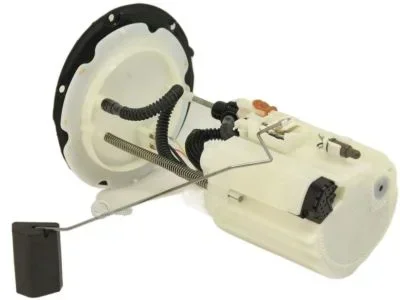
The fuel pump pushes gas from the tank to the engine. Over time, it can wear out. Signs of a failing fuel pump include hesitation during acceleration, stalling, or difficulty starting the car. If you notice these symptoms, get it checked right away.
Clogged Fuel Filter
The fuel filter keeps contaminants out of your engine. A clogged filter restricts fuel flow and can reduce performance. Honda recommends replacing the fuel filter at regular intervals. Check your owner’s manual for the specific maintenance schedule.
Evaporative Emissions System Leaks
The EVAP system prevents fuel vapors from escaping into the atmosphere. A leak in this system can cause your check engine light to come on. Common causes include a loose gas cap, cracked hoses, or a faulty purge valve. Sometimes simply tightening the gas cap solves the problem.
Fuel Gauge Inaccuracy
Occasionally, the fuel gauge may not display the correct level. This can leave you guessing about how much fuel you actually have. If your gauge behaves erratically, have it inspected by a qualified mechanic. It is better to know your true fuel level than to risk running out.
For more information on maintaining your vehicle, check out this article on whether it really matters what oil you put in your car for helpful maintenance insights.
Honda Civic Hybrid Fuel Tank Details
The Honda Civic Hybrid is a slightly different beast when it comes to fuel capacity. The hybrid system combines a gasoline engine with an electric motor. This means the car uses less gas overall, but the tank itself may have a different size.
The Civic Hybrid typically features a tank capacity of around 12.4 gallons. Because the hybrid system assists the engine, the effective driving range is often better than a standard Civic with the same tank size. The electric motor handles some of the load, which means the gas engine works less and goes further.
If you are considering a Civic Hybrid, the fuel system is one of its biggest advantages. You will visit the gas station less often and spend less on fuel over time. The combination of a hybrid powertrain and a well-sized fuel tank makes the Civic Hybrid a compelling choice for efficiency-minded drivers.
How the Hybrid System Works with the Fuel Tank
The hybrid system uses regenerative braking to recharge the battery. This energy helps power the electric motor, which reduces the demand on the gasoline engine. As a result, you get more miles per gallon and stretch each gallon of fuel further. The fuel tank size remains the same, but you simply use less fuel overall.
For drivers who want to learn more about how hybrid systems work, this step-by-step hybrid guide explains the process in detail.
Final Thoughts on Honda Civic Tank Capacity
The Honda Civic fuel tank is designed to be practical, efficient, and reliable. Whether your Civic holds 12 or 15 gallons, you are getting a car that is built to go the distance. The Civic remains one of the best-selling sedans in the world, and fuel efficiency is a big reason why.
Understanding your tank capacity helps you plan better, budget smarter, and drive with confidence. From daily commutes to weekend road trips, knowing how far you can go on a full tank gives you peace of mind. Keep up with regular maintenance, drive smoothly, and your Civic will reward you with excellent fuel economy for years to come.
Remember to always refer to your owner’s manual for the exact specifications of your specific model. And if you ever need to upgrade your vehicle or explore other options, knowing the fuel tank details helps you make a more informed decision.
So next time you pull into a gas station, you will know exactly how much your tank can hold and how far you can go. That is the kind of knowledge that makes you a smarter, more confident driver. Enjoy the ride and happy driving.
Frequently Asked Questions
How many gallons does a 2024 Honda Civic hold?
The 2024 Honda Civic typically holds around 12.4 to 15 gallons depending on the trim and body style. The sedan and hatchback versions may have slightly different capacities. Always check your specific model’s owner’s manual for the exact number.
What is the driving range of a Honda Civic on a full tank?
With an average MPG of 30 to 42, a Honda Civic can travel between 360 and 600 miles on a full tank. The exact range depends on your driving habits, road conditions, and the specific model year. Newer models tend to offer better fuel economy and longer range.
Does the Honda Civic Hybrid have a different tank size?
The Civic Hybrid usually has a tank capacity of around 12.4 gallons. However, because the hybrid system assists the engine, the effective driving range is often greater than a standard Civic. The electric motor reduces the amount of gasoline needed, stretching each gallon further.
How can I increase my Honda Civic’s fuel range?
You can increase your range by driving at steady speeds, keeping tires properly inflated, reducing unnecessary weight, and staying on top of maintenance. Avoiding aggressive acceleration and using cruise control on highways also helps improve fuel economy significantly.
Is it bad to let the Honda Civic fuel tank run very low?
Running your tank very low can strain the fuel pump, which relies on fuel for cooling. Over time, this can lead to premature fuel pump failure. It is best to refill when you have about a quarter of a tank remaining to keep the pump healthy and ensure you do not get stranded.
How often should I check my Honda Civic fuel tank capacity?
You do not need to check the tank capacity regularly since it does not change. However, it is a good idea to review your owner’s manual once a year or whenever you have service done. This ensures you always know the exact specifications of your vehicle.