How Much Does a Mechanic Charge to Replace a Starter
The average cost to replace a starter motor ranges from $300 to $600, with labor accounting for most of the expense. The actual starter part typically costs between $100 and $250, while labor can run $200 to $400 depending on your vehicle. Several factors like car make, model, and engine type influence the final starter replacement cost. Getting multiple quotes and understanding the diagnostic process can help you avoid overpaying.
Your car turns the key and… nothing. No cranking. No engine roar. Just silence. That sinking feeling usually points to one culprit: a dead starter. Whether you are dealing with a bad starter or a failing starter solenoid, one question immediately comes to mind. How much does a mechanic charge to replace a starter?
The answer is not as simple as a single number. Costs vary widely based on your vehicle, the type of starter needed, and where you take your car for repairs. This guide breaks down every factor that influences the starter replacement cost. You will learn what to expect, how to save money, and when it makes sense to tackle the job yourself.
Let us dive into the numbers so you are fully prepared before your mechanic starts wrenching.
Key Takeaways
- Average cost: Most drivers pay between $300 and $600 for a complete starter replacement.
- Labor is the big cost: Labor typically accounts for 60 to 70 percent of the total bill.
- Part prices vary: Starter motors range from $100 for budget options to $400+ for premium or OEM parts.
- Vehicle type matters: Trucks, SUVs, and luxury vehicles usually cost more to repair than sedans.
- DIY is an option: If you have mechanical skills, replacing a starter yourself can save you $200 or more.
- Get multiple quotes: Always compare estimates from at least two or three mechanics before committing.
📑 Table of Contents
- What Does a Starter Do and Why Does It Fail?
- How Much Does a Mechanic Charge to Replace a Starter?
- Factors That Affect Starter Replacement Cost
- Can You Replace a Starter Yourself?
- How Mechanics Diagnose Starter Problems
- How to Save Money on Starter Replacement
- Common Mistakes People Make When Dealing with Starter Problems
- How Long Does a Starter Replacement Take?
- When to Replace the Starter vs. Repair It
- Final Thoughts
What Does a Starter Do and Why Does It Fail?
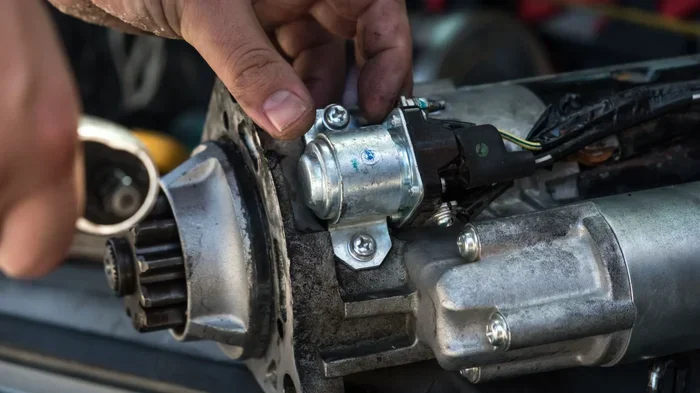
Before we talk about costs, it helps to understand what you are dealing with. The starter motor is a small but powerful electric motor. When you turn your key or press the start button, the starter engages with the engine’s flywheel. This spins the engine fast enough to kick-start combustion. Without a working starter, your car simply will not start.
Starters do not last forever. Over time, the internal brushes wear down. The solenoid can fail. Heat and vibration take their toll. Here are the most common reasons a starter goes bad:
- Worn brushes: The carbon brushes inside the motor wear down after years of use, causing intermittent or complete failure.
- Faulty solenoid: The solenoid acts as a switch. When it fails, the starter motor never receives the electrical signal to engage.
- Corroded connections: Dirty or corroded wiring can prevent electricity from reaching the starter.
- Overheating: Frequent short trips or prolonged cranking can overheat the starter and shorten its lifespan.
- Oil or coolant leaks: Fluid leaking onto the starter can cause internal damage over time.
Signs Your Starter Is Going Bad
Catching starter problems early can save you from a roadside breakdown. Watch for these warning signs:
- A grinding or clicking noise when you turn the key.
- The engine cranks slowly or not at all.
- The starter engages but the engine does not turn over.
- Intermittent starting problems that come and go.
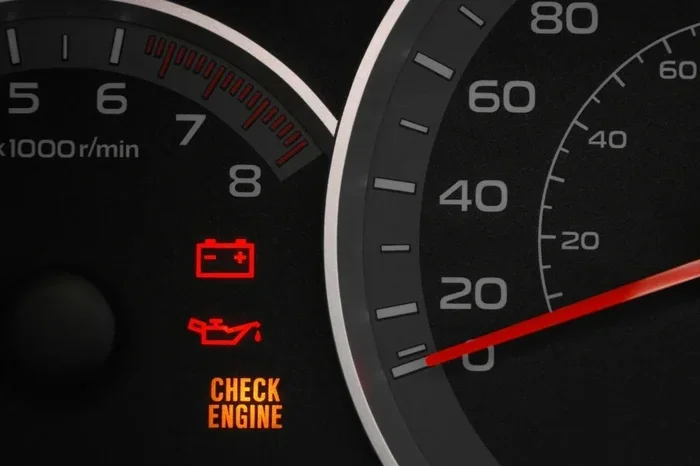
- The dashboard lights turn on, but the engine refuses to crank.
If you notice any of these symptoms, get your starter motor diagnosis done quickly. Driving with a failing starter can leave you stranded.
How Much Does a Mechanic Charge to Replace a Starter?
This is the big question. And the honest answer is: it depends. The average starter replacement cost falls between $300 and $600 at most independent shops. Dealerships tend to charge more, often in the $400 to $800 range. Here is a closer look at what makes up that number.
Breakdown of Starter Replacement Cost
Understanding the cost breakdown helps you evaluate whether a quote is fair. Here are the two main components:
- Starter part cost: This is the price of the new starter motor. Budget aftermarket starters start around $80 to $100. Mid-range units run $150 to $250. OEM (original equipment manufacturer) starters can cost $300 or more for certain vehicles.
- Labor cost: Labor makes up the bulk of the bill. Most mechanics charge between $80 and $150 per hour. Replacing a starter typically takes one to three hours, depending on the vehicle’s engine layout and accessibility.
So if a shop charges $150 for the part and $200 per hour for two hours of labor, your total comes to around $550. That is a very typical scenario for a common sedan.
Starter Replacement Cost by Vehicle Type
Not all vehicles are created equal when it comes to repair costs. The table below shows how the starter motor price and labor vary across different vehicle categories:
| Vehicle Type | Starter Part Cost | Labor Cost | Total Average |
|---|---|---|---|
| Compact Sedan | $80 – $150 | $150 – $250 | $250 – $400 |
| Mid-Size Sedan | $100 – $200 | $150 – $300 | $300 – $500 |
| SUV / Crossover | $120 – $250 | $200 – $350 | $350 – $600 |
| Truck (Light Duty) | $150 – $300 | $200 – $350 | $400 – $650 |
| Luxury Vehicle | $200 – $400+ | $250 – $400 | $500 – $800+ |
As you can see, trucks and luxury vehicles cost more. Their starters are often more complex, and the engine layout can make access difficult. This drives up the labor time significantly.
Factors That Affect Starter Replacement Cost
Several variables influence how much you will pay. Knowing these factors helps you understand why one shop quotes $350 and another quotes $700 for the same job.
Vehicle Make and Model
Common vehicles like a Honda Civic or Toyota Camry have readily available starters. Mechanics can find them quickly, which keeps the part cost low. Exotic or rare vehicles may require special ordering, which adds days to the timeline and increases the starter motor price.
Engine Size and Configuration
A V8 engine takes up a lot of room under the hood. Getting to the starter on a V8 can be a tight squeeze. Some engines have the starter buried behind other components. This means more disassembly, which means more labor hours. A simple inline-four engine with easy starter access is much faster to replace.
Aftermarket vs. OEM Parts
You have two main options when choosing a replacement starter:
- Aftermarket starters: Made by third-party manufacturers. They are more affordable and widely available. Quality varies by brand, so stick with reputable names.
- OEM starters: Made by the same company that supplied the original part. They cost more but offer a direct match and reliable performance.
For most drivers, a quality aftermarket starter works perfectly fine. If your vehicle is still under warranty, an OEM part might be the safer choice.
Geographic Location
Where you live matters. Mechanics in major cities often charge higher hourly rates than those in rural areas. A starter replacement in New York City might cost $100 more than the same job in a small town. Labor rates also vary by state and region.
Can You Replace a Starter Yourself?
Here is where things get interesting. Some car owners save hundreds of dollars by replacing the starter themselves. But this is not a job for everyone. Let us look at what it takes.
When DIY Makes Sense
Replacing a starter is a moderately challenging DIY project. You need basic tools like a socket set, a torque wrench, and a jack with jack stands. The job involves disconnecting the battery, removing the starter bolts, and unhooking the wiring. If you have done similar engine work before, you can likely handle it.
The biggest advantage of a DIY replacement is the savings. You pay only for the part, not the labor. A $150 aftermarket starter and a few hours of your time can replace a $500 mechanic bill. Just make sure you follow the starter motor location guide for your specific vehicle.
When to Leave It to a Professional
Some situations call for a professional touch:
- The starter is in a hard-to-reach location that requires significant engine component removal.
- You do not have the proper tools or a safe way to lift the vehicle.
- You are unsure whether the problem is the starter or something else, like a bad ignition switch or a dead battery.
- Your vehicle has a complex electrical system that requires specialized diagnostic equipment.
Many auto parts stores will test your starter for free. This can confirm whether the starter is actually the problem before you commit to buying a new one.
Quick Tips for DIY Starter Replacement
- Always disconnect the negative battery terminal first for safety.
- Take photos before disconnecting any wiring so you can reconnect everything correctly.
- Clean the mounting surface and electrical connections before installing the new starter.
- Apply dielectric grease to the solenoid connector to prevent corrosion.
- Test the new starter before reassembling everything around it.
Remember, if you are not comfortable working under the hood, there is no shame in paying a professional. A botched DIY job can lead to costly damage.
How Mechanics Diagnose Starter Problems
A good mechanic does not just swap parts blindly. They follow a systematic starter motor diagnosis process to confirm the problem. Here is what a typical diagnostic looks like:
- Visual inspection: The mechanic looks for obvious signs of damage, corrosion, or loose wiring at the starter.
- Battery test: A weak battery can mimic starter symptoms. The mechanic tests battery voltage and cranking amps to rule this out.
- Starter draw test: Using an ammeter, the mechanic measures the electrical current the starter draws. High draw indicates a failing motor.
- Voltage drop test: This checks for voltage loss in the circuit, which can point to bad connections or a failing solenoid.
- Tap test: Sometimes a mechanic gently taps the starter with a mallet. If the starter starts working after a tap, the internal brushes are likely worn.
After diagnosis, the mechanic will provide a clear estimate. Make sure the estimate includes the part cost, labor rate, and expected time. If anything seems unclear, ask questions. A trustworthy mechanic will explain every line item.
Some drivers also wonder about clearing any codes that might have been stored during the starter failure. If you are dealing with related diagnostic trouble codes after the repair, you can learn how to manually clear car codes on your own, though many shops handle this as part of the service.
How to Save Money on Starter Replacement
Starter replacement does not have to break the bank. Here are practical strategies to keep more money in your wallet:
1. Get Multiple Quotes
Never settle for the first quote you receive. Call three different shops and ask for a detailed breakdown. Independent garages almost always charge less than dealerships. But make sure the independent shop has experience with your specific vehicle.
2. Buy the Part Yourself
If you are comfortable with the repair, purchase the starter yourself. Online retailers and auto parts stores often have better prices than what the shop marks up. You can also check used starter motors from salvage yards for significant savings.
3. Consider Rebuilt or Remanufactured Starters
A rebuilt starter costs less than a new one and can perform just as well. Look for rebuilts from reputable brands that offer a warranty. Avoid the cheapest no-name options, as they may fail again within months.
4. Address the Root Cause
Sometimes a starter fails because of an underlying electrical problem. If the mechanic replaces the starter but does not fix the root cause, you could be facing the same bill again soon. Ask the mechanic to check the charging system and electrical connections while the starter is off.
5. Ask About Warranties
Many shops offer warranties on both parts and labor. A 12-month or 12,000-mile warranty gives you peace of mind. If the new starter fails during the warranty period, the shop covers the cost of the fix.
Expert Insight
Experienced mechanics often recommend replacing the starter solenoid as a set with the starter motor. Since the solenoid is part of the same assembly and shares the same lifespan, replacing both at once prevents a second labor charge down the road. This is especially true for vehicles where the solenoid is integrated into the starter unit.
Common Mistakes People Make When Dealing with Starter Problems
Avoid these common pitfalls that can cost you time and money:
- Assuming it is always the starter: A dead battery, faulty ignition switch, or bad neutral safety switch can cause the same symptoms. Always get a proper diagnosis first.
- Ignoring early warning signs: A clicking noise or slow crank today can become a complete failure tomorrow. Addressing the problem early prevents a roadside emergency.
- Choosing the cheapest part: A $50 no-name starter might save you money upfront but could fail in a few months. Invest in a quality part with good reviews.
- Not checking the flywheel: When a starter fails, it can damage the flywheel teeth. If the mechanic does not inspect the flywheel, you may need an additional expensive repair.
- Skipping the battery test: A weak battery is the number one cause of no-crank conditions. Always rule this out before replacing the starter.
Taking a few extra minutes to verify the diagnosis can save you hundreds of dollars and a lot of frustration.
How Long Does a Starter Replacement Take?
Most starter replacements take between one and three hours at a repair shop. The timeframe depends on several factors:
- Engine layout: Front-wheel-drive vehicles with sideways-mounted engines usually have easier starter access. Rear-wheel-drive trucks may require more work.
- Starter location: Some starters sit in an easily accessible spot. Others are tucked behind exhaust components or intake manifolds.
- Condition of old hardware: Rusty bolts and corroded connectors can add time to the job.
If you are paying for labor, longer job times mean higher bills. This is another reason why vehicle type matters so much in the final cost.
For those considering a DIY approach, budget at least two to three hours for the job the first time. Once you have done it, subsequent replacements become much faster.
When to Replace the Starter vs. Repair It
In most cases, replacing the starter is the best option. Repairing a starter motor involves opening the unit, replacing brushes, and rebuilding the solenoid. This can be done by specialists, but it is often not cost-effective.
Here is a simple comparison to help you decide:
| Option | Cost | Time | Reliability |
|---|---|---|---|
| Replace with new starter | $300 – $600 | 1 – 3 hours | High – comes with warranty |
| Replace with rebuilt starter | $150 – $350 | 1 – 3 hours | Moderate – depends on rebuilder quality |
| Repair existing starter | $100 – $250 | 3 – 5 hours | Variable – depends on internal damage |
For most drivers, a new or quality rebuilt starter is the way to go. It offers the best balance of cost, reliability, and convenience.
Final Thoughts
So how much does a mechanic charge to replace a starter? The average starter replacement cost sits between $300 and $600, but many factors can push that number higher or lower. Your vehicle type, the starter part you choose, and where you live all play a role in the final bill.
The good news is that starter replacement is one of the more straightforward and affordable repairs you can face. It is not as expensive as a transmission rebuild or a new engine. With the right information, you can confidently walk into any shop and evaluate their quote with authority.
Whether you choose a professional mechanic or tackle the job yourself, the key is to act quickly when symptoms appear. A failing starter will not fix itself, and ignoring the problem can leave you stranded on the side of the road.
Take care of your vehicle, stay informed, and you will keep your car running strong for years to come.
Frequently Asked Questions
What is the average cost to replace a starter motor?
The average cost ranges from $300 to $600, which includes both the part and labor. The starter part itself usually costs between $100 and $250, while labor runs $200 to $400 depending on your vehicle. Luxury vehicles and trucks may cost more, sometimes reaching $800 or above.
Can I drive with a bad starter?
No, a bad starter means your car will not start. If the starter is failing intermittently, you might get lucky and get it to turn over a few times. But eventually, it will stop working entirely, leaving you stranded. It is best to address starter problems as soon as you notice symptoms.
How long does a starter replacement take at a mechanic?
Most replacements take between one and three hours. Simple engines with easy starter access may take less than an hour. Trucks and vehicles with tight engine compartments can take three hours or more. The mechanic’s experience and the condition of the old hardware also play a role.
Is it cheaper to replace a starter yourself?
Yes, replacing a starter yourself saves you the labor cost, which is typically the most expensive part of the repair. You only pay for the new starter part, which can range from $80 to $400. However, DIY is only worthwhile if you have the right tools and mechanical experience.
What causes a starter to go bad?
Starters fail due to worn internal brushes, a faulty solenoid, corroded electrical connections, or fluid leaks. Overheating from frequent short trips or prolonged cranking also shortens starter life. Sometimes, a failing charging system puts extra strain on the starter and accelerates wear.
Do I need to replace the starter solenoid too?
If the solenoid is part of the starter assembly, it is usually replaced along with the motor. Replacing both as a set prevents a second labor charge if the solenoid fails soon after. Ask your mechanic to inspect the solenoid during diagnosis and recommend the best approach.