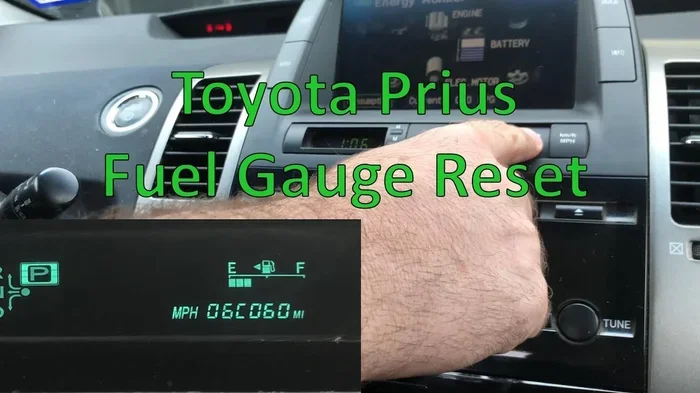
Fuel Average of a Toyota Prius Everything You Need to Know
The fuel average of a Toyota Prius is one of the best in the automotive industry, with most models delivering between 45 and 58 MPG. Whether you drive a standard Prius or the plug-in Prius Prime, this hybrid delivers exceptional fuel economy that saves money at the pump. In this guide, we break down everything from EPA ratings to real-world driving tips that help you get the most out of every gallon.
When it comes to fuel efficiency, the Toyota Prius has been a game-changer since it first hit the market. For over two decades, this hybrid has earned a reputation as one of the most fuel-efficient cars available. Whether you are commuting to work or taking a long road trip, the fuel average of a Toyota Prius delivers results that turn heads at every gas station.
But what exactly makes the Prius so efficient? And how can you get the most out of your specific model? This guide covers everything you need to know about Prius fuel economy, from official EPA ratings to real-world driving tips that actually make a difference.
## What Is the Fuel Average of a Toyota Prius?
The fuel average of a Toyota Prius depends on several factors, including the model year, trim level, and driving conditions. Most standard Prius models deliver between 45 and 58 miles per gallon combined. The newer generations have pushed these numbers even higher thanks to advances in hybrid technology and aerodynamics.
### City vs Highway MPG
The Prius performs differently in city and highway settings. In city driving, the hybrid system uses regenerative braking to recapture energy, which boosts efficiency. On the highway, the Prius relies more on its gasoline engine at steady speeds. Here is a quick comparison of typical MPG ranges:
- City MPG: 50-58 MPG
- Highway MPG: 45-53 MPG
- Combined MPG: 45-56 MPG
These numbers make the Prius one of the most efficient non-plug-in hybrids on the market today.
### EPA Ratings and What They Mean
The Environmental Protection Agency (EPA) provides standardized fuel economy ratings for every vehicle sold in the United States. These ratings give buyers a reliable benchmark for comparing vehicles. The Toyota Prius fuel average consistently ranks among the top performers in its class. When you see an EPA rating of 52 MPG combined, that number represents a weighted average of city and highway driving.
It is important to understand that EPA ratings are estimates. Your actual mileage will vary based on how you drive, where you live, and how well you maintain your vehicle.
## How the Toyota Prius Hybrid System Affects Fuel Economy
The Prius uses a unique hybrid powertrain that combines a gasoline engine with an electric motor. This system is the core reason the fuel average of a Toyota Prius outperforms most conventional cars. Understanding how this system works helps you appreciate why the Prius sips fuel instead of guzzling it.
### Regenerative Braking
One of the key features of the Prius hybrid system is regenerative braking. When you lift off the accelerator or apply the brakes, the electric motor reverses its role and acts as a generator. This process converts kinetic energy back into electrical energy, which charges the hybrid battery. The result is less wasted energy and better fuel economy.
### Electric-Only Driving Mode
At low speeds, the Prius can run on electric power alone. This is especially useful in stop-and-go traffic or parking lots. The gasoline engine kicks in when more power is needed, such as during highway merging or hill climbing. This seamless switching between power sources is what makes the Prius so efficient.
### The Role of the Hybrid Battery
The hybrid battery plays a critical role in fuel economy. A healthy battery stores enough energy to support electric-only driving and assist the gasoline engine. If your battery degrades, you may notice a drop in efficiency. For those wondering about battery health, you can check whether you can drive a Prius with a dead hybrid battery for important context on battery failure scenarios.
## Real-World Fuel Economy: What Prius Owners Actually Get
While EPA ratings provide a useful baseline, real-world fuel economy tells a more complete story. Many Prius owners report getting even better mileage than the official numbers suggest. However, results vary widely depending on driving habits and conditions.
### Factors That Influence Real-World MPG
Several factors determine your actual fuel average of a Toyota Prius:
- Driving Style: Gentle acceleration and smooth braking maximize fuel savings.
- Speed: Driving at 55-65 mph is the sweet spot for Prius efficiency.
- Climate: Extreme cold or hot weather can reduce fuel economy by 10-20%.
- Terrain: Flat highways deliver better mileage than hilly roads.
- Load: Carrying heavy cargo or towing reduces efficiency.
- Tire Pressure: Underinflated tires create drag and lower MPG.
### Tips to Maximize Your Prius Fuel Economy
Want to squeeze every last mile out of each gallon? Here are practical tips that make a real difference:
- Keep your tires properly inflated to the recommended PSI.
- Avoid aggressive acceleration and hard braking.
- Use cruise control on highways to maintain a steady speed.
- Remove roof racks and cargo carriers when not in use.
- Keep your air conditioning usage moderate.
- Plan routes to avoid heavy traffic when possible.
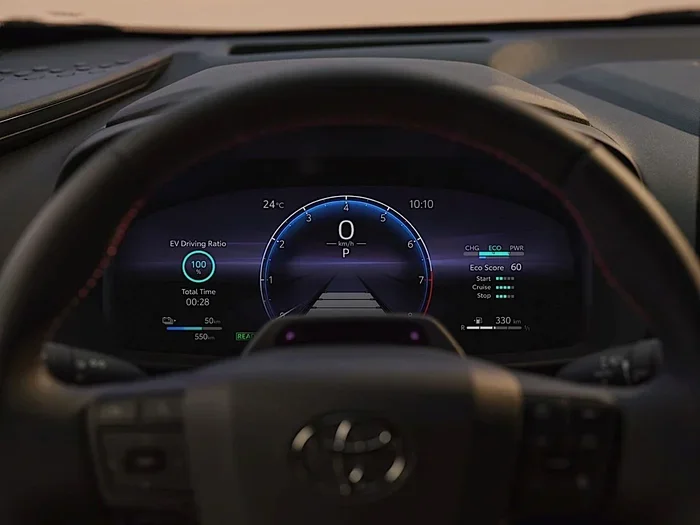
- Use the ECO mode feature available on most Prius models.
Many owners also ask whether the Prius can run purely on gasoline. The answer is yes. You can find more details on this topic by reading about whether a Prius can run on gas only.
## Comparing the Toyota Prius to Other Hybrids
How does the fuel average of a Toyota Prius stack up against the competition? The Prius consistently ranks at or near the top of hybrid fuel economy charts. Let us look at how it compares to some popular rivals.
### Prius vs. Honda Civic Hybrid
The Honda Civic Hybrid offers a combined MPG of around 50. The Prius typically edges it out with a combined rating of 52-56 MPG depending on the model year and trim.
### Prius vs. Hyundai Ioniq Hybrid
The Hyundai Ioniq Hybrid delivers a combined MPG of approximately 55-58, which is very competitive with the Prius. Both are excellent choices for fuel-conscious buyers.
### Prius vs. Ford Escape Hybrid
The Ford Escape Hybrid, a compact SUV, offers around 40 MPG combined. The Prius beats it by a significant margin, largely because of its lighter weight and more aerodynamic design.
### Prius vs. Traditional Gas Cars
Compared to a conventional sedan that averages 25-30 MPG, the Prius saves roughly 10-15 MPG. Over a year of driving 15,000 miles, that translates to about 200-400 fewer gallons of gas. The savings add up quickly.
## Prius Model Years and How Fuel Economy Has Evolved
The fuel average of a Toyota Prius has improved significantly over the years. Each new generation brought advancements in battery technology, aerodynamics, and engine efficiency.
### Early Generations (2001-2009)
The first-generation Prius offered around 42-48 MPG combined. While impressive for its time, it pales in comparison to modern models. These early hybrids paved the way for the efficient vehicles we have today.
### Second and Third Generations (2010-2015)
These models saw notable improvements, with combined MPG reaching the low-to-mid 50s. Toyota refined the hybrid system and reduced weight, resulting in meaningful fuel savings.
### Fourth Generation (2016-2022)
The fourth-generation Prius brought a complete redesign. Aerodynamic improvements and a more efficient powertrain pushed combined MPG into the 52-56 range. This generation solidified the Prius as a leader in fuel economy.
### Fifth Generation (2023-Present)
The latest Prius models continue the trend of improvement. With updated hybrid technology and a more refined driving experience, the newest Prius delivers some of the best fuel economy numbers in its segment.
## Common Mistakes That Hurt Prius Fuel Economy
Even the most efficient car will suffer if you make avoidable mistakes. Here are common errors Prius owners make that hurt their fuel average:
- Ignoring Tire Pressure: Low tire pressure is one of the biggest silent fuel economy killers.
- Carrying Unnecessary Weight: Every extra pound forces the engine to work harder.
- Using Premium Gas: The Prius is designed to run on regular unleaded. Premium gas offers no benefit and costs more.
- Excessive Idling: Idling wastes fuel without moving the car. Turn off the engine if you are stopped for more than a minute.
- Neglecting Maintenance: Dirty air filters, old spark plugs, and degraded hybrid battery all reduce efficiency.
One question many Prius owners ask is whether the hybrid battery affects overall vehicle performance. A weak battery can indeed reduce fuel economy. If you are concerned about your battery, you can learn more about the batteries in a Prius hybrid to understand how the system works.
## Is the Toyota Prius Worth It for Fuel Savings?
The numbers tell a compelling story. A Prius owner who drives 15,000 miles per year at an average of 52 MPG will use about 288 gallons of gas annually. Compare that to a car getting 30 MPG, which uses 500 gallons. At $3.50 per gallon, the Prius saves roughly $740 per year on fuel alone.
Over five years, those savings add up to nearly $3,700. Over ten years, the savings exceed $7,400. These numbers make a strong case for the Prius as a smart financial choice.
Of course, fuel savings are just one benefit. The Prius also offers lower emissions, reduced maintenance costs, and strong resale value. It is a vehicle that makes sense for both your wallet and the environment.
## Frequently Asked Questions
What is the fuel average of a Toyota Prius?
The fuel average of a Toyota Prius ranges from 45 to 58 MPG combined, depending on the model year and trim. Most recent models deliver around 52 MPG combined, making it one of the most fuel-efficient non-plug-in hybrids available today.
Can I improve my Prius fuel economy?
Yes. Simple habits like maintaining proper tire pressure, avoiding aggressive driving, using cruise control on highways, and keeping up with regular maintenance can all help you get better mileage from your Prius.
Does the Prius hybrid battery affect fuel economy?
Absolutely. The hybrid battery is central to the Prius fuel efficiency system. A degraded or weak battery reduces the electric motor’s assistance, causing the gasoline engine to work harder and consume more fuel. If you are concerned about battery health, checking your hybrid battery condition regularly is a smart move.
How does the Prius Prime fuel economy compare to the standard Prius?
The Prius Prime, as a plug-in hybrid, offers a higher combined MPG rating and can drive on electric power alone for shorter trips. However, the standard Prius still delivers excellent fuel economy without the need to plug in, making it more convenient for many drivers.
What type of gas should I use in my Toyota Prius?
The Toyota Prius is designed to run on regular unleaded gasoline. Using premium gas does not improve fuel economy or performance. Stick with regular unleaded to save money at the pump.
How long can a Prius hybrid battery last?
Most Prius hybrid batteries last between 100,000 and 150,000 miles with proper care. Some owners report batteries lasting well beyond 200,000 miles. Regular maintenance and avoiding extreme discharge cycles help extend battery life significantly.
## Final Thoughts on the Fuel Average of a Toyota Prius
The fuel average of a Toyota Prius remains one of the best values in the automotive market today. With MPG ratings that consistently outperform competitors, the Prius delivers real savings at the pump and a cleaner driving experience. Whether you are a daily commuter or an occasional road tripper, this hybrid proves that fuel efficiency and practicality can go hand in hand.
By understanding how your Prius works, adopting fuel-smart driving habits, and staying on top of maintenance, you can enjoy the full benefits of this legendary hybrid. The Toyota Prius is not just a car. It is a smart investment in efficiency, savings, and a more sustainable future.
Key Takeaways
- Exceptional Fuel Economy: The Toyota Prius consistently delivers 45-58 MPG, making it one of the most fuel-efficient cars on the road.
- EPA Ratings Vary by Model: Different Prius trims and model years offer varying fuel averages, so choosing the right trim matters.
- Real-World MPG Can Exceed EPA Estimates: Proper driving habits and maintenance can push your Prius beyond official ratings.
- Hybrid Battery Health Matters: A healthy hybrid battery is essential for maintaining optimal fuel efficiency. If your battery is weak, it can reduce your mileage significantly.
- Simple Tips Boost Fuel Savings: Tire pressure, driving speed, and climate control all impact your Prius fuel average in meaningful ways.
- Long-Term Savings Are Significant: Over years of driving, the Prius fuel economy translates into thousands of dollars saved compared to gas-only vehicles.
Frequently Asked Questions
What is Fuel Average of a Toyota Prius?
Fuel Average of a Toyota Prius is an important topic with many practical applications.