How Do I Reset My Management Light and Solve It Fast
Resetting your management light is simpler than most drivers think. This guide walks you through the exact steps to turn off your maintenance light, explains why it appears, and shares practical tips to keep your car running smoothly. Whether you drive a Toyota, Honda, or another brand, you will find the answers you need right here.
That little warning light on your dashboard can be stressful. You are driving along, minding your own business, and suddenly a symbol or text pops up telling you your management light needs attention. It is easy to panic, but here is the good news. In most cases, you can handle this yourself. You do not need a pricey trip to the shop or a degree in automotive engineering. This guide will show you exactly how to reset your management light and get back on the road with confidence.
We will cover everything from what the light actually means to the step-by-step reset process for different vehicle brands. Along the way, we will share practical tips, common mistakes to avoid, and advice on when it is smart to call a professional. Let us dive in and solve this fast.
Key Takeaways
- Quick Reset: Most management lights can be cleared in minutes using your dashboard buttons or ignition cycle.
- Common Causes: Oil changes, tire rotations, and scheduled service intervals are the top reasons the light appears.
- Safety First: Never ignore the light for too long, as it signals upcoming maintenance your car needs.
- DIY Friendly: You do not need a mechanic to reset most management lights at home.
- Know When to Seek Help: If the light keeps returning, there may be an underlying issue that needs professional attention.
📑 Table of Contents
- What Is a Management Light?
- Common Reasons Your Management Light Comes On
- How to Reset Your Management Light
- Tips to Keep Your Management Light Off
- Common Mistakes People Make When Resetting the Management Light
- When to See a Mechanic Instead of Resetting the Light
- Expert Insights on Management Light Maintenance
- Frequently Asked Questions
- Final Thoughts
What Is a Management Light?
Your management light is part of your car’s onboard diagnostics system. It is a maintenance reminder designed to alert you when your vehicle is due for scheduled service. Unlike the check engine light, which signals a serious problem, the management light usually means it is time for routine upkeep.
Different car manufacturers use different names for this light. You might see it labeled as “Maintenance Required,” “Service Due,” or simply a wrench or spanner icon on your dashboard. No matter what it looks like, the purpose is the same. It reminds you to stay on top of your car maintenance schedule.
The light typically activates based on mileage intervals. Most vehicles trigger it every 5,000 to 10,000 miles. Some newer models use time-based reminders as well. When the light comes on, your car is essentially saying, “Hey, it is time for an oil change or other scheduled service.”
How the System Works
Your vehicle’s computer tracks mileage and driving conditions. When you reach the preset service interval, the system activates the management warning light. The light stays on until you either complete the service and reset it, or the underlying condition is addressed. This is a simple reminder tool, not a sign of engine failure.
Some cars also display additional information on the digital dashboard. You might see messages like “Next Service: 1,200 miles” or “Oil Life: 15%.” These readings give you a clearer picture of exactly when your next service interval is coming up.
Common Reasons Your Management Light Comes On
Understanding why the light appeared in the first place helps you address the root cause. Here are the most common reasons your management light might be glowing on your dashboard.
1. Oil Change Due
This is the number one reason the light comes on. Engine oil breaks down over time and loses its ability to lubricate properly. Most manufacturers recommend an oil change every 5,000 to 7,500 miles for conventional oil. Synthetic oil can extend this interval to 10,000 miles or more.
If you have not changed your oil recently, the maintenance required light is doing its job. It is telling you that your engine needs fresh lubricant to run smoothly and avoid wear.
2. Tire Rotation or Alignment
Tire maintenance is often overlooked but plays a big role in vehicle safety and performance. The management light may activate when your tires are due for a rotation or alignment check. Regular tire care improves fuel economy and extends the life of your tires.
3. Scheduled Inspection or Service
Your vehicle has a recommended maintenance schedule. This includes checking brakes, fluids, filters, belts, and other components. When the service reminder light comes on, it may be time for one of these scheduled inspections.
4. Battery or Electrical System Check
In some vehicles, the management light appears when the battery or electrical system needs attention. This is especially common after a battery replacement or if the vehicle has been sitting unused for a while.
5. Aftermarket Modifications
If you have recently installed aftermarket parts or modified your vehicle, the car maintenance indicator might trigger. Some modifications can affect the sensors and systems that track your service intervals.
How to Reset Your Management Light
Now for the part you have been waiting for. Resetting your management light is straightforward, but the exact steps vary by vehicle brand and model. Below, we walk you through the most common methods used across popular car manufacturers.
Method 1: Using the Dashboard Controls
Many modern vehicles allow you to reset the management light through the steering wheel controls or dashboard buttons. Here is the general process:
- Turn the ignition to the “ON” position without starting the engine.
- Press the “TRIP” or “MENU” button on the instrument panel until you see the maintenance menu.
- Use the arrow buttons to navigate to the “Reset” or “Service” option.
- Press and hold the “OK” or “RESET” button for about five seconds.
- The light should turn off and the service interval will reset.
This method works for most Toyota, Honda, and Nissan models. If you are not sure about your specific vehicle, check the owner’s manual for the exact button sequence.
Method 2: Ignition Cycle Reset
Some older vehicles use a simpler ignition cycle method to reset the service light. Here is how it works:
- Turn the ignition key to the “OFF” position.
- Press and hold the trip meter reset button.
- While holding the button, turn the ignition key to the “ON” position.
- Continue holding the button for about 10 seconds.
- The light should blink and then turn off, indicating a successful reset.
This technique is common in vehicles from the early 2000s and some current budget models. It is a quick fix that does not require any tools.
Method 3: Using an OBD-II Scanner
For vehicles that do not respond to the above methods, an OBD-II scanner is a reliable alternative. You can find these tools at most auto parts stores for under $30. Here is the process:
- Locate your OBD-II port, usually found under the steering column.
- Plug the scanner into the port.
- Turn the ignition to the “ON” position.
- Follow the scanner’s on-screen instructions to clear the maintenance code.
- Once cleared, disconnect the scanner and start the engine to confirm the light is off.
Using an OBD-II scanner is especially helpful if the light keeps coming back after a reset. The scanner can also reveal any hidden car warning lights or diagnostic codes that might be causing the issue.
Method 4: Visit a Dealership or Auto Shop
If you prefer not to handle the reset yourself, you can always visit a dealership or independent auto shop. Most service centers will reset the management light for free or for a small fee. This is a good option if you are not comfortable working with your vehicle’s electronics.
Many quick-lube shops also offer this service when you get your oil changed. It is one of the reasons why regular oil changes are so convenient. You walk in with the light on and walk out with it off.
Tips to Keep Your Management Light Off
Resetting the light is only half the battle. The real goal is to keep it from coming back unnecessarily. Here are some practical tips to help you stay on top of your vehicle’s maintenance needs.
Follow Your Maintenance Schedule
Every vehicle comes with a recommended maintenance schedule. This schedule outlines when you need oil changes, tire rotations, brake inspections, and other services. Following this schedule is the best way to prevent the management light from appearing at inconvenient times.
Keep a log of all your services in a notebook or phone app. This makes it easy to track when your next service is due and gives you peace of mind.
Use Quality Parts and Fluids
Using the right fluids and parts for your vehicle matters more than you might think. Cheap or incorrect oil, for example, can cause your engine to work harder and trigger the maintenance reminder sooner. Always refer to your owner’s manual for the recommended specifications.
Drive Smoothly
Aggressive driving puts extra strain on your vehicle’s components. Hard braking, rapid acceleration, and excessive idling can all shorten the lifespan of parts and cause the service reminder to activate more frequently. Smooth, steady driving helps your car stay healthy longer.
Check Fluid Levels Regularly
Make it a habit to check your engine oil, coolant, brake fluid, and transmission fluid every few weeks. Low fluid levels can trigger warning lights and lead to bigger problems down the road. A quick five-minute check can save you hundreds of dollars in repairs.
Common Mistakes People Make When Resetting the Management Light
Even though resetting the management light is simple, people still make mistakes that cause problems. Here are the most common errors to avoid.
Resetting Without Completing the Service
This is the biggest mistake drivers make. You reset the light just to make it go away, but you skip the actual maintenance. The light will come right back, and more importantly, your vehicle is not getting the care it needs. Always complete the service first, then reset the light.
Using the Wrong Reset Method
Not all vehicles use the same reset procedure. Using the wrong method can sometimes cause the system to glitch or not reset at all. Always consult your owner’s manual or look up the specific reset procedure for your vehicle model before trying.
Ignoring the Light for Too Long
Some drivers see the maintenance light and decide to ignore it for weeks or even months. While the light is not an emergency, it does mean your vehicle is overdue for service. Ignoring it for too long can lead to worn-out parts, reduced fuel efficiency, and more costly repairs later on.
If you are ever unsure about whether you can safely drive with the light on, check out our guide on driving with a maintenance required light on in a Toyota for more specific advice.
Not Clearing Related Codes
Sometimes the management light is connected to other diagnostic codes in your vehicle’s system. Simply resetting the light without clearing the related codes means the problem may persist. If the light returns immediately after a reset, use an OBD-II scanner to check for additional codes that need attention.
When to See a Mechanic Instead of Resetting the Light
Resetting the management light is great for routine maintenance reminders. But there are times when the light signals something that needs professional attention. Here is when you should skip the DIY reset and visit a mechanic.
The Light Keeps Coming Back
If you reset the light and it returns within a few days or after a short drive, there is likely an underlying issue. This could be a sensor problem, low fluid level, or a component that needs replacement. A mechanic can run a full diagnostic and identify the root cause.
Other Warning Lights Are Also On
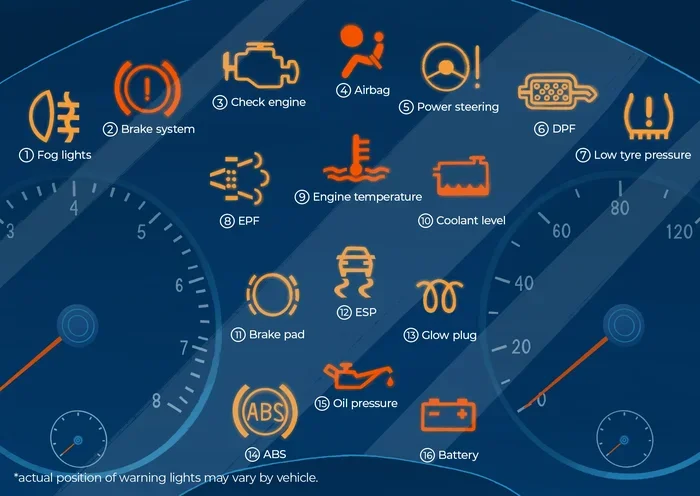
If your management light appears alongside other warning lights, such as the check engine light or oil pressure light, do not just reset them. Multiple lights together usually indicate a more serious problem that needs immediate attention. You can learn more about handling the check engine light in our article on clearing the check engine light yourself.
Unusual Sounds or Smells
If you notice strange noises, burning smells, or changes in how your vehicle drives, the management light might be a side effect of a bigger issue. Do not just reset it. Get your vehicle inspected by a qualified professional as soon as possible.
You Are Not Sure What the Light Means
When in doubt, ask a professional. Most dealerships and auto shops will inspect your vehicle for free or at a low cost. It is always better to be safe than sorry when it comes to your car’s health.
Expert Insights on Management Light Maintenance
We asked experienced automotive technicians for their best advice on managing the maintenance light. Here is what the pros had to say.
Tip 1: Do Not Panic. The management light is a reminder, not an alarm. It does not mean your car is broken. It simply means it is time for routine care.
Tip 2: Keep Records. Maintaining a service log helps you track your vehicle’s health over time. It also makes resale easier because buyers can see that you kept up with maintenance.
Tip 3: Reset After Every Service. Make it a habit to reset the light immediately after completing any scheduled service. This keeps your dashboard clean and your reminders accurate.
Tip 4: Use Factory-Recommended Fluids. Aftermarket fluids can sometimes trigger the maintenance light prematurely. Stick with the fluids recommended by your vehicle manufacturer for the best results.
Tip 5: Address Issues Promptly. If the light comes on and you know something is off with your vehicle, do not just reset and ignore it. Early intervention prevents small problems from becoming expensive repairs.
Frequently Asked Questions
How long can I drive with the management light on?
You can generally drive safely with the management light on for a short period, especially if you are close to your next scheduled service. However, it is best not to ignore it for more than a week or two. The light is a reminder that your vehicle needs attention, and delaying service can lead to wear and reduced performance.
Will resetting the management light affect my warranty?
No, resetting the management light does not affect your vehicle’s warranty. The light is simply a maintenance reminder and has no connection to your warranty coverage. However, keeping up with your scheduled service is important for maintaining your warranty, so do not skip actual maintenance just because you reset the light.
Can I reset the management light myself without any tools?
Yes, in most cases you can reset the management light yourself using your dashboard controls or ignition cycle. No special tools are needed for the basic reset methods. If your vehicle does not respond to the standard methods, a basic OBD-II scanner is an affordable option that works for most makes and models.
Why does my management light keep coming back after I reset it?
If the light keeps returning, it usually means the underlying maintenance need has not been addressed. You may have skipped an oil change, have low fluid levels, or have a sensor that needs recalibration. In some cases, a loose gas cap or electrical issue can also cause the light to reappear. Using an OBD-II scanner can help identify the exact cause.
Is the management light the same as the check engine light?
No, they are different. The management light is a maintenance reminder that tells you it is time for scheduled service like an oil change. The check engine light signals a potential problem with your vehicle’s engine or emissions system. If both lights are on at the same time, it is important to address the check engine light first since it indicates a more urgent issue.
How often should I reset my management light?
You should reset the management light every time you complete a scheduled service, such as an oil change or tire rotation. This keeps the reminder system accurate and ensures you stay on track with your vehicle’s maintenance schedule. Most vehicles use a mileage-based system that resets after each service interval.
Final Thoughts
Resetting your management light does not have to be complicated or stressful. With the right knowledge and a few simple steps, you can handle it yourself in just a few minutes. Whether you use the dashboard controls, the ignition cycle method, or an OBD-II scanner, the process is straightforward and well within the reach of any car owner.
Remember that the management light is your vehicle’s way of reminding you to stay on top of routine care. It is not something to fear or ignore. By following your maintenance schedule, using quality parts, and addressing issues promptly, you can keep your car running at its best for years to come.
And if you ever find yourself unsure about what the light means or how to fix it, do not hesitate to reach out to a trusted mechanic. Sometimes a professional eye is all you need to put your mind at ease. Now that you know how to reset your management light and solve it fast, you are better equipped to handle this common car situation with confidence.