How Do I Know If My Key Fob Battery Is Dead Right Now
A dead key fob battery can leave you stranded or locked out of your car. The most common signs include a weak signal, reduced range, and warning lights on your dashboard. Most key fobs use a simple CR2032 coin cell battery that you can replace in minutes. This guide walks you through every sign of a dying key fob battery, how to test it, and what to do next.
Have you ever stood by your car, pressed the button on your key fob, and nothing happened? It is frustrating. You wonder if the car is broken or if it is just the key fob battery. The truth is, a dead key fob battery is one of the most common reasons car owners get stuck. The good news is that it is easy to spot the signs and fix it yourself.
In this guide, we will walk you through every sign that your car key battery is dying. We will also show you how to test it, how to replace it, and how to avoid getting caught off guard again. Whether you have a push button start system or a traditional remote, this article covers it all. Let us get started.
Key Takeaways
- Weak signal and short range: If your key fob only works when you are right next to the car, the battery is likely dying.
- Dashboard warning lights: Many modern vehicles show a key fob or security light when the battery is low.
- Push button start issues: A dead fob battery often prevents push-to-start systems from recognizing your key.
- Easy battery swap: Most key fobs use a CR2032 battery that costs under $5 and takes seconds to replace.
- Test before you replace: Use the signal test method or a multimeter to confirm the battery is truly dead first.
- Keep a spare battery handy: Storing a replacement battery in your glove box saves time and stress.
📑 Table of Contents
- What Does a Key Fob Do?
- Signs Your Key Fob Battery Is Dead
- How to Test Your Key Fob Battery
- How to Replace Your Key Fob Battery
- How Long Does a Key Fob Battery Last?
- What to Do If the Battery Is Dead and You Are Locked Out
- Can You Drive With a Dead Key Fob Battery?
- Preventing Key Fob Battery Problems
- Common Mistakes People Make With Key Fob Batteries
- When to See a Professional
- Final Thoughts
What Does a Key Fob Do?
Before we dive into the signs of a dead battery, let us quickly talk about what your key fob actually does. A key fob is a small electronic device that communicates with your car using radio signals. When you press a button, it sends a coded signal to your vehicle. Your car receives that signal and responds. This could mean unlocking the doors, starting the engine, or triggering the trunk release.
Modern keyless entry systems rely heavily on this communication. If the battery inside the fob gets weak, the signal gets weaker too. That means your car may not pick up the signal from as far away. Eventually, the signal gets so weak that it does not work at all.
Signs Your Key Fob Battery Is Dead
Your car gives you plenty of warning before a key fob battery dies completely. Here are the most common signs to watch for.
1. Reduced Signal Range
This is the first and most obvious sign. If your key fob range used to work from 50 feet away and now only works when you are standing right next to the car, the battery is fading. A healthy electronic key should unlock your doors from a comfortable distance. When you find yourself having to stand right by the car for it to respond, that is a clear warning.
Think about it this way. You used to press the button while walking across the parking lot. Now you have to be within a few feet. That change did not happen overnight. It gets worse slowly over days or weeks.
2. Push Button Start Fails
If your car has a push button start system, a weak fob battery can cause big problems. The car may not recognize the key is nearby. You might see a message on the dashboard saying “Key Not Detected” or “Push Key Fob.” Even if the fob still unlocks the doors, the car might refuse to start because the signal is too weak for the ignition system.
This is different from a completely dead battery. When the battery is very low but not fully dead, you may still be able to start the car if you hold the fob very close to the start button. This is a built-in backup feature in most vehicles.
3. Dashboard Warning Lights
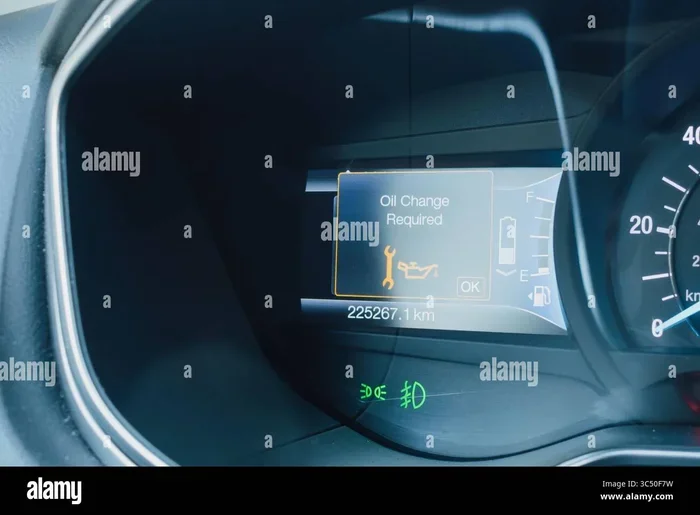
Many newer cars have a specific warning light for key fob issues. It might look like a key icon, a flashing security light, or a message about the immobilizer system. If you see any of these lights, your car is telling you that it cannot read your key fob properly. A low key fob battery is the most common cause.
Do not ignore these lights. They are your car’s way of saying “help me.” Addressing them early can save you from a much bigger headache later.
4. Intermittent Function
Sometimes a dying battery does not just stop working all at once. Instead, it works sometimes and not others. You might press the unlock button and it works on the first try but not the second. Or it works when you press it hard but not when you press it gently. This intermittent key fob behavior is a strong sign that the battery is on its last legs.
5. No Response From the Trunk or Hood
Many key fobs have separate buttons for the trunk, hood, or power tailgate. If these buttons stop working before the door locks do, that is another clue. The remote start function may also fail first because it requires the strongest signal. If your trunk button stops responding, take it as an early warning.
6. Key Fob Feels Different
You know your key fob better than anyone. If it feels lighter than usual, the battery might have already died and fallen out. Or if the fob casing seems loose, the battery could be swelling or leaking. A corroded key fob battery can also cause physical changes to the fob itself.
How to Test Your Key Fob Battery
Before you rush out to buy a new battery, it helps to confirm that the battery is actually the problem. Here are a few simple ways to test your key fob battery.
The Signal Test
This is the easiest test. Stand near your car and press the unlock button. Then walk away slowly, pressing the button every few feet. Note the distance at which the car stops responding. If that distance is much shorter than it used to be, your battery is weak. A healthy fob should work from at least 30 to 50 feet away.
The Multimeter Test
If you have a multimeter, you can check the actual voltage of the battery. Most key fob batteries are CR2032 cells that should read 3 volts when fully charged. If the reading is below 2.5 volts, it is time for a replacement. This test takes a little more effort but gives you a precise answer.
The Spare Key Test
Do you have a spare key? Try using it. If the spare works perfectly but your main fob does not, you have confirmed the problem is with the fob battery, not the car. This simple test can save you time and money.
How to Replace Your Key Fob Battery
Replacing a key fob battery is one of the easiest car maintenance tasks you can do. You do not need a mechanic or any special tools. Here is how to do it step by step.
Step 1: Find the Right Battery
Most key fobs use a CR2032 battery. This is a standard 3-volt coin cell battery that you can find at any grocery store, pharmacy, or auto parts shop. They cost about $3 to $5. Check your owner’s manual if you are not sure which battery your fob uses.
Step 2: Open the Fob
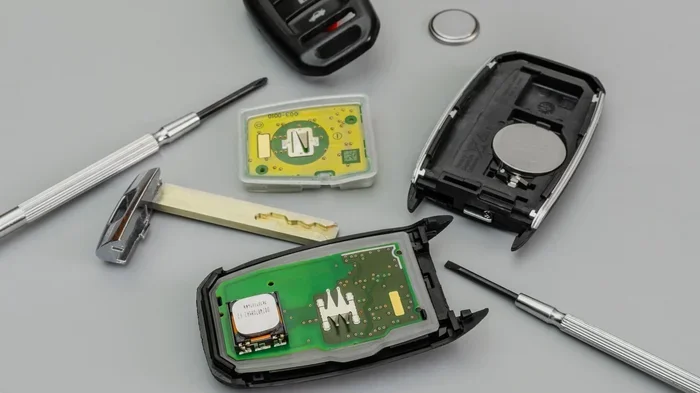
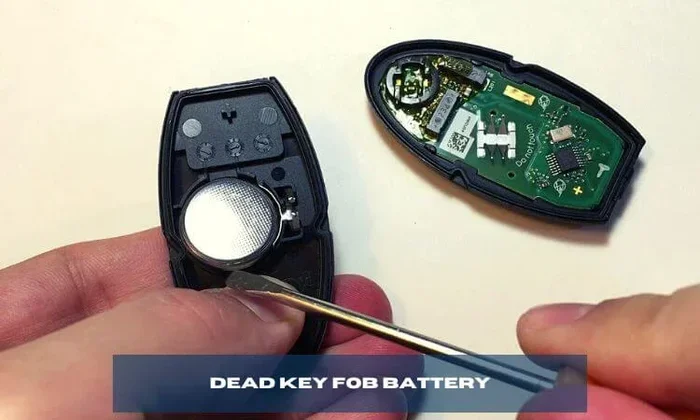
Most key fobs have a small seam or groove where the two halves meet. Use a small flathead screwdriver or a coin to gently pry them apart. Be careful not to damage the plastic. Some fobs have a small release button on the back. Look for that first before trying to pry.
Step 3: Remove the Old Battery
Take note of which side the battery faces before you remove it. Use a small screwdriver to gently pop the old battery out. If the battery is corroded, clean the contacts with a dry cloth before inserting the new one.
Step 4: Insert the New Battery
Place the new battery in the same orientation as the old one. The positive side (marked with a “+” and usually the shiny side) should face up in most fobs. Push it firmly into place until it clicks slightly.
Step 5: Reassemble and Test
Snap the two halves of the fob back together. Press the buttons to make sure everything works. Test it on your car from a normal distance. If it works, you are all set. You can also check if you need to reset the car key after changing the battery, as some vehicles require a quick reset procedure.
If you are not comfortable doing this yourself, dealerships often replace key batteries for free or for a very small fee. You can also visit an auto parts store and ask for help.
How Long Does a Key Fob Battery Last?
A typical key fob battery lasts between 2 and 4 years, depending on how often you use it. If you have a remote start feature, you might use the fob more frequently, which can drain the battery faster. Cold weather also shortens battery life significantly.
Here are some factors that affect how long your battery lasts:
- Frequency of use: The more you press the buttons, the faster the battery drains.
- Climate: Extreme cold and extreme heat both reduce battery performance.
- Signal interference: If you store your fob near other electronic devices, it may use more power to send a clear signal.
- Fob age: Older fobs may have weaker transmitters that need more power to reach your car.
- Battery brand: Quality batteries from reputable brands tend to last longer than cheap alternatives.
As a general rule, swap your car key battery every 2 to 3 years as a preventive measure. This way, you never get caught with a dead fob at the worst possible moment.
What to Do If the Battery Is Dead and You Are Locked Out
Sometimes the battery dies at the worst time. You are standing in the rain, and your car will not unlock. Here is what to do.
First, check if your car has a physical key hidden inside the fob. Most modern key fobs have a small metal key that slides out from the side. Use that key to unlock the driver’s door manually. Once inside, you can usually still start the car by placing the fob directly against the start button, even with a dead battery.
Second, check if you have a spare fob at home. If you do, grab it and use it to get to a store or auto parts shop to buy a replacement battery.
Third, if neither of those options works, call a roadside assistance service or a locksmith. They can help you get back into your car quickly. If you drive a Rav4 without a key fob, you may have a different backup method, so check your owner’s manual for your specific vehicle.
Also, if you are dealing with a situation where your car is not starting because of battery issues, there could be other factors at play. Understanding your vehicle’s systems helps you troubleshoot more effectively.
Can You Drive With a Dead Key Fob Battery?
In most cases, yes. If your car has a push button start system, you can usually still drive the car with a dead fob battery by placing the fob directly on the start button or in a designated spot. The car has a backup reader that picks up the fob’s internal signal even when the battery is dead.
However, you will not be able to lock or unlock the doors remotely. You will need to use the physical key or manually press the door handle button. This is why it is always smart to carry your physical key as a backup.
If you are curious about driving with other battery-related issues, there are resources available that cover topics like whether you can drive with a low car battery or what happens when different car systems fail due to power issues.
Preventing Key Fob Battery Problems
The best way to deal with a dead key fob battery is to prevent it from happening in the first place. Here are some simple tips.
- Keep a spare battery in your glove box. A CR2032 battery costs very little and takes up almost no space. Having one on hand means you can replace the battery in minutes, no matter where you are.
- Replace the battery before it dies completely. When you notice the signal getting weaker, swap the battery right away. Do not wait until it stops working entirely.
- Store your fob properly. Keep it away from other electronic devices that might cause signal interference. Do not leave it in direct sunlight or in freezing temperatures for extended periods.
- Know your vehicle’s specific needs. Different cars use different fob types and batteries. Your owner’s manual is your best resource for this information.
- Consider upgrading your fob. If your fob is old and the battery dies frequently, it might be time to look into how to upgrade your vehicle with a newer key fob or proximity system.
Common Mistakes People Make With Key Fob Batteries
Here are some mistakes that many car owners make when dealing with key fob battery issues.
- Assuming the car is broken: Before you call a mechanic, check the fob battery first. Nine times out of ten, it is the battery and not the car.
- Using the wrong battery: Not all coin cell batteries are the same. Make sure you use the exact type specified for your fob. Using the wrong size or voltage can damage the fob.
- Forgetting to reset the system: After replacing the battery, some vehicles need a simple reset. You can look up whether you need to reset the car key after changing the battery for your specific model.
- Ignoring warning signs: If your fob starts acting up, do not ignore it. A weak battery today means a dead battery tomorrow.
- Opening the fob incorrectly: Prying too hard can break the fob casing or damage the internal circuit board. Be gentle and use the right tools.
When to See a Professional
Most of the time, replacing a key fob battery is a DIY job. But there are times when you should seek professional help. If you replace the battery and the fob still does not work, the problem might be with the fob itself, not the battery. Water damage, dropped fobs, or worn-out electronics can all cause the fob to fail even with a new battery.
Also, if your car’s security system is not recognizing the fob even after a battery replacement, there may be a deeper issue with the vehicle’s computer system. In that case, a visit to the dealership or a qualified mechanic is a good idea. If you own a Toyota and are wondering whether you can get service anywhere, you can take your Toyota to any dealership for service or check if independent shops can help.
Final Thoughts
A dead key fob battery is a small problem with a simple solution. By learning the signs early, you can avoid being locked out or stranded. Keep an eye on your signal range, watch for dashboard warnings, and replace the battery as soon as you notice any weakness. A CR2032 battery costs just a few dollars and takes minutes to swap.
The key is to stay proactive. Do not wait until you are standing outside your car in the cold, unable to get in. Keep a spare battery handy, know the backup methods for your vehicle, and remember that most key fob troubleshooting starts and ends with the battery. With the information in this guide, you are now equipped to handle this common car maintenance issue with confidence.
Take a moment today to check your key fob. If the signal feels weaker than it used to, grab a replacement battery and swap it out. Your future self will thank you when you are rushing to work on a rainy morning and your car unlocks right on cue.
Frequently Asked Questions
How do I know if my key fob battery is completely dead?
If your key fob does not work at all, even when you are standing right next to your car, the battery is likely dead. Try pressing the buttons multiple times and standing very close to the vehicle. If there is no response whatsoever, the battery has probably died. You can also test the battery with a multimeter to confirm the voltage is below 2.5 volts.
Can I still drive my car if the key fob battery dies?
Yes, in most cases you can still drive your car. Modern vehicles with push button start systems have a backup reader that detects the fob even without a working battery. Simply place the dead fob directly on the start button or in the designated spot near the steering column. You will still be able to start and drive the car normally.
What type of battery does my key fob use?
Most key fobs use a CR2032 coin cell battery, which is a 3-volt lithium battery. This is one of the most common battery types in the world and can be found at any grocery store, pharmacy, or auto parts shop. Check your owner’s manual if you are unsure about your specific fob model.
How long does a key fob battery typically last?
A key fob battery usually lasts between 2 and 4 years. The exact lifespan depends on how frequently you use the fob, your local climate, and the quality of the battery. If you use features like remote start often, the battery may drain faster. Replacing the battery proactively every 2 to 3 years is a good practice.
Should I replace the key fob battery myself or go to a dealership?
Replacing the battery yourself is quick, easy, and costs only a few dollars. Most key fobs pop open with a small screwdriver or coin. However, if you are not comfortable doing it yourself, dealerships and auto parts stores can help. Some dealerships even replace the battery for free as part of a routine service check.
What should I do if replacing the battery does not fix my key fob?
If a new battery does not restore your key fob function, the problem may be with the fob itself rather than the battery. The fob could have water damage, a broken circuit board, or worn-out internal components. In this case, you may need to reprogram the fob, replace it entirely, or seek help from a dealership or locksmith who specializes in your vehicle brand.