What Are the Disadvantages of Traction Control Systems
The disadvantages of traction control include reduced acceleration on slippery surfaces, increased tire wear, and false system interventions that can frustrate drivers. While this safety feature helps in most conditions, it can limit performance during off-road driving, performance driving, and when sensors malfunction. Understanding these drawbacks helps you make smarter decisions about when to use or disable traction control.
Most modern cars come with traction control as a standard safety feature. It helps you keep your wheels from spinning when the road is wet or icy. But here is the thing many drivers do not realize. Traction control has real disadvantages that can affect how your car performs and how long your parts last.
You might love traction control in heavy rain. But the same system can cause problems when you need full power. It can wear out your tires faster. It can even make off-road driving harder. This article breaks down every major drawback of traction control systems so you know exactly what to expect.
Key Takeaways
- Reduced Acceleration: Traction control can limit throttle response, making your vehicle feel sluggish on icy or wet roads.
- Increased Tire Wear: The system’s constant brake intervention can cause uneven wear on your tires over time.
- False Interventions: Sensors sometimes trigger the system incorrectly, cutting power when you need it most.
- Off-Road Limitations: Traction control works against you when driving on dirt, snow, or muddy terrain.
- Sensor Dependency: A faulty sensor can disable the entire system or cause erratic behavior.
- Reduced Driving Confidence: Some drivers feel less in control when the system intervenes unexpectedly.
- Fuel Economy Impact: Frequent brake interventions can slightly reduce your gas mileage over time.
📑 Table of Contents
- What Is Traction Control and How Does It Work?
- Reduced Acceleration and Throttle Response
- Increased Tire Wear and Drivetrain Stress
- False Interventions and Sensor Issues
- Problems Off-Road and in Snow
- Impact on Fuel Economy
- Driver Confidence and Over-Reliance
- When Should You Disable Traction Control?
- How Traction Control Compares to Other Safety Systems
- Common Mistakes That Make Traction Control Problems Worse
- Key Takeaways
- Conclusion
What Is Traction Control and How Does It Work?
Before we look at the downsides, let us quickly cover the basics. Traction control is an electronic system that stops your wheels from spinning too fast. It uses sensors on each wheel to detect when one is losing grip. When it spots wheel slip, the system either reduces engine power or applies the brakes to that specific wheel.
This technology works hand in hand with electronic stability control and anti-lock braking systems. Together, they help keep your car stable on bad road surfaces. Most drivers never think about how these systems work. They just assume the car will handle itself safely.
How the System Detects Wheel Slip
The system relies on wheel speed sensors. These small devices monitor how fast each wheel is turning. If one wheel spins faster than the others, the system kicks in. It then cuts power or applies the brake to slow that wheel down.
This process happens in milliseconds. You may not even notice it happening. But every time the system intervenes, there is a trade-off. That trade-off is where many of the problems begin.
Reduced Acceleration and Throttle Response
The most common complaint about traction control is the loss of acceleration. When the system detects wheel spin, it immediately reduces engine power. This feels great on a wet highway. But it becomes a real problem when you need speed right away.
Throttle Response Gets Delayed
When you press the gas pedal, you expect an immediate response. Traction control can delay that response. The system holds back power until it decides the wheels are safe. This lag can feel annoying, especially when you are trying to merge onto a fast road.
For drivers who value quick acceleration, this delay is frustrating. The car feels slow and unresponsive. You may find yourself pressing the pedal harder, which does not always help. The system is designed to limit power, and it does its job well.
Impact on Performance Driving
If you enjoy spirited driving or track days, traction control can kill the fun. Performance driving requires precise control over your throttle. The system takes that control away from you. It decides when to cut power, not you.
Many car enthusiasts disable traction control when they hit the track. They want full control over their acceleration response. The system simply gets in the way of a good driving experience. It limits how fast you can launch from corners or accelerate out of tight turns.
Increased Tire Wear and Drivetrain Stress
Traction control uses your brakes to slow spinning wheels. Every time it applies the brakes, it creates friction. Over time, this friction causes extra wear on your tires. You may find yourself replacing tires more often than expected.
Uneven Tire Wear Patterns
Because the system targets specific wheels, it creates uneven wear. The wheels that spin more frequently take the biggest hit. You might notice that your front or rear tires wear down faster than the others.
This uneven wear shortens the overall life of your tires. Replacing tires is expensive. The traction control system can add hundreds of dollars to your maintenance costs over the life of the vehicle. It is something most drivers never think about until the bills come in.
Extra Stress on the Drivetrain
Constant brake intervention puts stress on more than just your tires. The drivetrain components feel the impact too. Brake rotors, calipers, and wheel bearings all work harder when the system activates frequently.
Over thousands of miles, this extra stress can lead to premature wear. You may need brake jobs more often. The drivetrain components may also fail earlier than expected. This is one of the hidden disadvantages of traction control that rarely gets discussed.
False Interventions and Sensor Issues
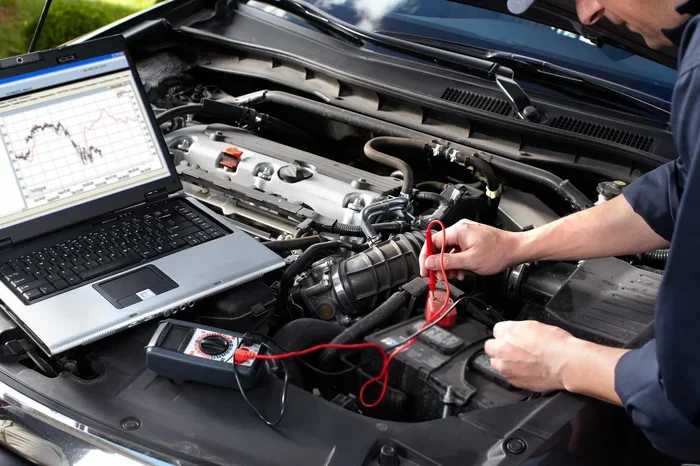
Traction control depends on sensors to work properly. These sensors monitor wheel speed, steering angle, and road conditions. When a sensor fails or gives bad data, the system can react in strange ways.
Unnecessary Brake Interventions
Sometimes the system kicks in when it should not. You might be driving on a dry road, and suddenly the car loses power. This false intervention can be dangerous if you need full traction immediately.
Imagine merging onto a highway. You press the gas, and the system cuts power for no reason. Your car slows down in a dangerous moment. This type of false traction control activation can catch even experienced drivers off guard.
Sensor Malfunctions and Warning Lights
A faulty wheel speed sensor can cause the system to behave erratically. The warning light may flash on your dashboard even when road conditions are fine. In some cases, the entire stability control system shuts down.
Replacing sensors is not always cheap. And a disabled traction control system means your car loses an important safety layer. Regular maintenance helps, but sensor failures can still happen unexpectedly.
Problems Off-Road and in Snow
Traction control was designed for paved roads. It works well on highways and city streets. But it struggles in conditions that are far from the pavement.
Off-Road Driving Challenges
When you drive on dirt, gravel, or mud, wheel spin is normal. Traction control sees this spin as a problem and fights against you. It cuts power every time a wheel slips, which makes off-road driving much harder.
In deep snow or mud, you need some wheel spin to move forward. The system prevents this. Your car can get stuck even when you have good tires. Many off-road drivers turn off traction control for this exact reason.
Snow and Ice Driving Limitations
On snow and ice, traction control can actually work against you. The system tries to prevent wheel spin by applying brakes and reducing power. But sometimes, a little wheel spin helps you gain momentum on ice.
When the system stops the wheels from spinning, you can lose forward movement entirely. Your car may sit still on an icy hill that it could have climbed with a bit of wheel slip. This is one of the most surprising disadvantages of traction control in winter conditions.
| Condition | Traction Control Benefit | Traction Control Drawback |
|---|---|---|
| Wet Highway | Prevents hydroplaning and wheel slip | Slight delay in throttle response |
| Ice Driving | Reduces risk of spinning out | Can prevent forward momentum on hills |
| Off-Road Dirt | Helps on loose gravel roads | Causes unnecessary brake wear; hinders momentum |
| Performance Driving | Keeps car stable in corners | Limits acceleration and driver control |
| Snow Emergencies | Helps maintain direction | May cause getting stuck in deep snow |
Impact on Fuel Economy
You might not connect traction control with gas mileage, but there is a link. Every time the system applies the brakes, it uses energy. Frequent brake interventions mean the engine works harder to maintain speed.
On long drives through slippery conditions, this adds up. Your fuel economy drops slightly. It may not be noticeable on a single trip. But over months of driving, the impact becomes real.
Some drivers report a 2 to 5 percent drop in fuel economy when the system activates frequently. This is a small but real cost of having traction control active all the time.
Driver Confidence and Over-Reliance
Here is a tricky disadvantage. Traction control can make drivers too confident. When drivers know the car will correct skids, they take more risks. They drive faster in rain. They take corners more aggressively.
This over-reliance on automotive safety features can actually make driving more dangerous. The system is a helper, not a replacement for safe driving habits. Drivers who trust the technology too much may not develop strong defensive driving skills.
The False Sense of Security
Traction control cannot do miracles. It can reduce wheel spin, but it cannot create grip where none exists. On black ice, even the best system will struggle. Drivers who assume the car will save them can still end up in accidents.
Understanding what traction control can and cannot do is important. It is a valuable tool. But it should never replace careful, attentive driving.
When Should You Disable Traction Control?
Knowing when to turn off the system is just as important as knowing its drawbacks. There are specific situations where disabling traction control makes sense.
- Off-road trails: You need wheel spin to navigate loose surfaces.
- Deep snow or mud: Some wheel slip helps you gain momentum.
- Track driving: You want full control over throttle and handling.
- Stuck in snow: Spinning wheels can help you rock free.
- Performance driving: You want maximum acceleration without intervention.
Always re-enable traction control when you return to normal road conditions. The system exists to keep you safe. Use it wisely, and know when to let it do its job.
How Traction Control Compares to Other Safety Systems
Traction control does not work alone. It is part of a larger safety ecosystem in modern vehicles. Understanding how it compares to other systems helps you see its limitations more clearly.
Traction Control vs. Electronic Stability Control
Electronic stability control (ESC) goes beyond traction control. ESC can steer the car for you when it detects a loss of control. Traction control only manages wheel spin. ESC is a broader system that includes traction control as one of its tools.
Traction Control vs. Anti-Lock Braking System (ABS)
ABS prevents your wheels from locking up during hard braking. Traction control prevents wheels from spinning during acceleration. Both systems use similar sensors and brake components. They work together but serve different purposes.
Common Mistakes That Make Traction Control Problems Worse
Some driver habits make the disadvantages of traction control even more pronounced. Avoiding these mistakes can help you get the most from your system.
- Ignoring warning lights: A steady traction control light means something is wrong. Do not ignore it.
- Worn tires: Bald tires confuse the sensors. The system may activate when it should not.
- Never disabling the system: Keep traction control on for normal driving. But know when to turn it off.
- Over-relying on the system: Traction control helps. It does not replace good driving skills.
- Skipping sensor maintenance: Dirty or damaged sensors cause false readings. Keep them clean and inspected.
Key Takeaways
- Reduced Acceleration: Traction control limits throttle response, which can feel sluggish in urgent situations.
- Increased Tire Wear: Brake interventions create uneven wear patterns and shorten tire life.
- False Interventions: Sensors can trigger the system incorrectly, causing unexpected power loss.
- Off-Road Limitations: The system fights against wheel spin, making dirt and mud driving harder.
- Sensor Dependency: Faulty sensors can disable the system or cause erratic behavior.
- Driver Over-Reliance: Trusting the system too much can lead to riskier driving habits.
- Fuel Economy Impact: Frequent brake interventions slightly reduce gas mileage over time.
Conclusion
Traction control is a valuable safety feature. It helps millions of drivers stay safe on slippery roads every day. But it is not perfect. The disadvantages of traction control are real and worth understanding. From reduced acceleration to increased tire wear, each drawback has a real impact on your driving experience and your wallet.
Knowing when the system helps and when it hurts puts you in control. You can make informed choices about when to use it and when to turn it off. Regular maintenance of sensors and tires keeps the system working as intended.
Stay aware of how your car behaves in different conditions. Trust your instincts when the system feels wrong. Traction control is a tool, not a replacement for smart, attentive driving. Use it wisely, and it will serve you well for years to come.
Frequently Asked Questions
Can I drive with the traction control light on?
You can drive short distances with the light on, but you should get the system checked soon. The light usually signals a sensor issue or a system fault. Driving without traction control on wet roads increases your risk of losing control.
Does turning off traction control save fuel?
The fuel savings are minimal. The system uses very little energy when active. However, frequent false interventions can cause slight brake wear that indirectly affects efficiency. Overall, the difference is negligible for most drivers.
Why does traction control make my car feel slow?
The system reduces engine power when it detects wheel spin. This power reduction feels like a delay in acceleration. It is designed to keep you safe, but it can make your car feel less responsive, especially on dry roads where it is not needed.
Is it safe to drive with traction control off in the rain?
No, it is generally not safe. Traction control helps prevent wheel spin on wet surfaces. Without it, your car is more likely to hydroplane or slide. Only disable it on controlled surfaces like tracks or in specific off-road conditions.
How often should I check my traction control sensors?
Have the sensors inspected during every tire rotation or brake service. Most mechanics check them as part of a standard inspection. Keeping sensors clean and functional ensures the system works reliably when you need it most.
Can bad tires cause the traction control light to come on?
Yes, worn or mismatched tires are a common cause. The system relies on consistent wheel speed readings. When tires have different tread depths or sizes, the sensors detect differences and may trigger the warning light.