Most Common Fixes for P0171 Code and How to Solve Them
The P0171 code means your engine is running too lean on Bank 1. This common OBD-II issue can stem from vacuum leaks, dirty sensors, or fuel delivery problems. In this guide, we walk through every likely cause and the exact fix for each one. You will learn how to diagnose the root issue and save money on repairs. Whether you are a DIYer or just curious, this article covers everything you need to know about fixing P0171.
You are driving down the road, and suddenly your check engine light pops on. You plug in your scanner, and it spits out a code: P0171. If you have ever seen this number flash on your screen, you know the sinking feeling. The good news? P0171 is one of the most common OBD-II codes, and in most cases, it is fixable. This code means your engine is running too lean on Bank 1. That simply means there is too much air and not enough fuel in the mix. Let us break down exactly what causes this and how you can fix it yourself or know what to ask your mechanic.
Dealing with a lean fuel mixture code can feel overwhelming at first. But once you understand the basics, it becomes much less scary. This guide covers every common cause, every practical fix, and a few tips most people never think about. By the end, you will have a clear plan to tackle P0171 head-on. Let us get into it.
Key Takeaways
- Vacuum leaks are the #1 cause of P0171 and are often the easiest fix at home.
- A dirty mass airflow sensor can trick your engine into running lean.
- Low fuel pressure from a weak pump or clogged filter is a common culprit.
- Replacing the oxygen sensor often resolves the code quickly.
- An exhaust leak upstream of the sensor can also trigger P0171.
- Ignoring the code can damage your catalytic converter over time.
- Basic tools like a scan tool and smoke machine make diagnosis much easier.
📑 Table of Contents
What Does the P0171 Code Actually Mean?
The P0171 code is a diagnostic trouble code that tells you Bank 1 has a lean fuel mixture. In simple terms, your engine is getting more air than fuel. Modern engines need a precise air-fuel ratio to run smoothly. When that balance tips too far toward air, the engine struggles. The oxygen sensor detects this imbalance and reports it to your car’s computer, which then stores the code.
Bank 1 refers to the side of the engine that contains cylinder number one. In most engines, this is the side closest to the front. The code specifically points to that side running lean. It does not always mean the whole engine is lean, just that particular bank. Understanding this distinction helps you narrow down the cause faster.
Why a Lean Mixure Matters
Running lean might not seem like a big deal at first. But over time, it can cause serious damage. A lean mixture burns hotter than normal. This extra heat can hurt your engine valves, pistons, and even your catalytic converter. In some cases, you might notice rough idling, hesitation when you press the gas, or stalling. These are all signs that your engine is not getting the fuel it needs. The sooner you address P0171, the better off your engine will be.
Common Symptoms of the P0171 Code
How do you know if P0171 is the problem before you even scan the code? There are several telltale signs. Most drivers notice one or more of these symptoms before the check engine light fully comes on.
- Check engine light illuminated on the dashboard
- Rough or unstable idle, especially at a standstill
- Hesitation or stumbling when you accelerate
- Reduced fuel economy or poor gas mileage
- Engine stalling, particularly at low speeds
- Difficulty starting the engine, especially when cold
- Unusual smells from the exhaust, like a fuel-like odor
Not every symptom shows up every time. Some drivers only notice a slight drop in gas mileage. Others deal with a rough idle that comes and goes. The key is to pay attention. If you notice any of these signs, it is worth scanning your car for codes. Catching P0171 early can save you from bigger repairs down the road.
Top Causes of the P0171 Code
Now let us talk about what actually causes P0171. There are several common reasons, and they range from simple to more complex. Understanding each one helps you figure out where to start your diagnosis.
1. Vacuum Leaks
A vacuum leak is the single most common cause of P0171. Your engine relies on sealed vacuum lines to regulate airflow. When a hose cracks or a gasket fails, unmetered air sneaks into the engine. This extra air throws off the air-fuel ratio, making the mixture lean. Vacuum leaks can happen in older cars or after a rough repair job.
Common spots for vacuum leaks include the intake manifold gasket, brake booster hose, and PCV valve connections. Even a tiny crack in a rubber hose can cause problems. The good news is that finding a vacuum leak is often straightforward with a smoke machine or a simple spray test.
2. Dirty or Faulty Mass Airflow Sensor
The mass airflow sensor, or MAF sensor, measures the amount of air entering your engine. When this sensor gets dirty or fails, it sends wrong data to the engine computer. The result? The engine thinks there is less air than there actually is, so it delivers too little fuel. This directly causes a lean fuel mixture and triggers P0171.
Dirt, oil residue, and dust can all contaminate the MAF sensor element. A simple cleaning with specialized MAF cleaner often fixes the problem. But if the sensor is damaged internally, you will need to replace it.
3. Low Fuel Pressure
If your fuel pump is weak or your fuel filter is clogged, your engine might not get enough fuel. Low fuel pressure means the injectors cannot deliver the right amount of fuel to the cylinders. This is another very common reason for P0171. A fuel pressure regulator that is failing can cause the same problem.
You can test fuel pressure with a gauge connected to the fuel rail. If the pressure is below your vehicle’s specifications, that is a strong clue. Replacing the fuel filter is cheap and easy. A failing fuel pump usually requires more involved work and a higher repair cost.
4. Oxygen Sensor Problems
The oxygen sensor is the watchdog for your air-fuel ratio. It measures how much oxygen is left in the exhaust and reports back to the engine computer. When this sensor goes bad, it can send incorrect readings, causing the computer to adjust the fuel mix incorrectly. A faulty upstream oxygen sensor on Bank 1 is a well-known trigger for P0171.
Oxygen sensors wear out over time, especially in vehicles with high mileage. Replacing an oxygen sensor is a common and relatively affordable repair. It is one of the first things a mechanic will check when P0171 appears.
5. Exhaust Leaks
An exhaust leak before the oxygen sensor can also cause P0171. If there is a hole or crack in the exhaust manifold or pipe, outside air gets pulled into the system. This extra air dilutes the exhaust gases, and the oxygen sensor reads a lean condition. The sensor is not wrong, but the reading is skewed by the leak.
Exhaust leaks often come with a noticeable ticking or hissing sound, especially when the engine is cold. They can also be loud enough to hear from inside the cabin. If you suspect an exhaust leak, have it inspected right away.
6. Clogged or Dirty Fuel Injectors
Fuel injectors spray fuel into the combustion chambers in a fine mist. Over time, they can become clogged with carbon deposits or contaminants. When injectors are dirty, they do not deliver fuel evenly or efficiently. Some cylinders may get less fuel than others, leading to a lean condition on Bank 1.
Using a fuel system cleaner in your tank can help with mild clogs. For severe buildup, the injectors may need to be removed and professionally cleaned or replaced.
7. Intake Manifold Gasket Leaks
The intake manifold gasket seals the connection between the intake manifold and the engine head. Over time, heat and vibration can cause this gasket to deteriorate. When it does, air leaks past the seal and into the intake, creating a lean condition. This is more common in older vehicles or those with higher mileage.
Replacing an intake manifold gasket is more labor-intensive than fixing a vacuum hose, but it is a straightforward repair for most mechanics.
8. PCV Valve Malfunction
The PCV valve (positive crankcase ventilation valve) regulates blowby gases from the crankcase. When the PCV valve sticks open, it allows too much air into the intake manifold. This excess air leans out the fuel mixture and can trigger P0171. A stuck PCV valve is a simple and inexpensive part to replace.
Step-by-Step Fixes for P0171
Now that you know the causes, let us walk through the actual fixes. Some of these you can do at home, and others are better left to a professional. Here is a practical breakdown.
Step 1: Scan for Codes and Check Freeze Frame Data
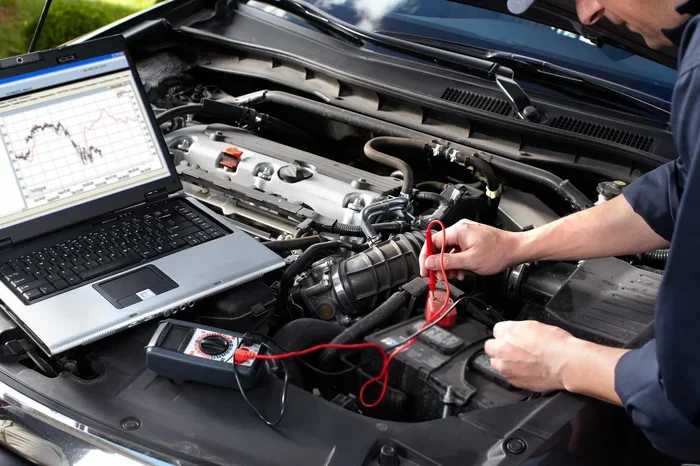
Before you start replacing parts, use a scan tool to confirm the P0171 code. Check the freeze frame data, which shows the engine conditions when the code was set. This data helps you understand whether the lean condition happened at idle, under load, or during acceleration. It gives you a big clue about where to look first.
Step 2: Inspect for Vacuum Leaks
Start with the easiest and most common fix. Visually inspect all vacuum hoses for cracks, loose connections, or dry rot. Pay close attention to hoses near the intake manifold and the brake booster. You can also use a smoke machine to pressurize the intake system and find leaks visually. A can of carburetor cleaner sprayed around suspected leak areas while the engine idles can also help, but be careful around hot surfaces.
Step 3: Clean or Replace the MAF Sensor
Remove the MAF sensor and inspect it. If it looks dirty, spray it with a dedicated MAF sensor cleaner. Do not touch the delicate wire or film element inside. If cleaning does not help, replace the sensor. A new MAF sensor usually costs between $100 and $300, and it is a straightforward bolt-on replacement.
Step 4: Test Fuel Pressure
Connect a fuel pressure gauge to the fuel rail and compare the reading to your vehicle’s specifications. If pressure is low, start by replacing the fuel filter. If the filter is clean, the issue may be the fuel pump or pressure regulator. Fuel pump replacement is a more involved job, typically costing $400 to $800 depending on the vehicle.
Step 5: Check the Oxygen Sensor
Use your scan tool to look at the live data from the upstream oxygen sensor on Bank 1. A healthy sensor should show voltage fluctuations between 0.1 and 0.9 volts. If the reading is consistently low or stuck, the sensor is likely faulty. Replacing it is usually a simple task that takes about 30 minutes.
Step 6: Inspect the Exhaust System
Look for cracks, holes, or loose connections in the exhaust manifold and pipes before the oxygen sensor. A smoke test can also help identify exhaust leaks. Repairing an exhaust leak depends on the location and severity, but most fixes are relatively affordable.
Step 7: Clean or Replace Fuel Injectors
If all the above checks come back normal, consider the fuel injectors. A professional cleaning using an ultrasonic bath can restore clogged injectors. In worst cases, replacement may be necessary. You can also try a quality fuel additive as a first step for mild clogging.
Comparison of Common P0171 Fixes
Not all fixes are equal in cost or difficulty. Here is a quick comparison to help you prioritize.
| Fix | Difficulty | Cost Range | Likelihood |
|---|---|---|---|
| Vacuum leak repair | Easy | $0 – $50 | Very High |
| MAF sensor cleaning | Easy | $10 – $15 | High |
| MAF sensor replacement | Easy | $100 – $300 | High |
| Oxygen sensor replacement | Moderate | $100 – $250 | High |
| Fuel filter replacement | Easy | $15 – $50 | Moderate |
| Fuel pump replacement | Moderate | $400 – $800 | Moderate |
| Exhaust leak repair | Moderate | $50 – $200 | Moderate |
| Fuel injector cleaning | Moderate | $50 – $150 | Moderate |
| Intake manifold gasket replacement | Hard | $200 – $500 | Low |
| PCV valve replacement | Easy | $10 – $40 | Moderate |
As you can see, the most likely fixes are also the least expensive and easiest to do. Starting with vacuum leak checks and sensor inspections gives you the best bang for your buck. Many drivers resolve P0171 with nothing more than a vacuum hose replacement or a new oxygen sensor.
Quick Tips to Avoid Costly Repairs
- Do not ignore the check engine light. Even if the car seems to run fine, a lean condition can cause long-term damage.
- Use a scan tool regularly. Catching codes early prevents small problems from becoming big ones.
- Keep up with fuel filter changes. A clean filter supports proper fuel pressure and protects your injectors.
- Use quality fuel. Cheap fuel can contain contaminants that clog injectors and foul sensors faster.
- Address P0171 promptly. The longer you drive with a lean mixture, the more stress you put on your catalytic converter and other expensive components.
When to See a Professional Mechanic
Some P0171 fixes are perfect for DIYers. But there are times when you should let a professional handle it. If you have checked vacuum lines, cleaned the MAF sensor, and tested fuel pressure without finding the cause, it is time for expert help. Complex issues like internal intake manifold gasket leaks or fuel pump replacement require specialized tools and experience.
Also, if your check engine light is flashing rather than solid, do not drive the car. A flashing light often signals a misfire, which can damage the catalytic converter quickly. Get the vehicle towed to a shop if needed. A qualified mechanic with the right diagnostic equipment can pinpoint issues that are hard to find at home. It is always better to invest in a proper diagnosis than to guess and replace parts that are not the problem.
Preventing P0171 from Coming Back
Once you fix P0171, you probably do not want it to come back. Regular maintenance is the best defense. Stick to your vehicle’s recommended service schedule for spark plugs, air filters, and fuel filters. Use a fuel system cleaner every 10,000 to 15,000 miles to keep your injectors clean. Check your vacuum hoses during oil changes and look for any signs of wear or cracking.
Also, pay attention to how your car drives. If you notice any of the symptoms we discussed earlier, do not wait for the check engine light to come on. Early detection saves time, money, and prevents more serious damage. A little attention goes a long way in keeping your engine running at its best.
Conclusion
P0171 is a common and usually fixable trouble code. Most of the time, it comes down to a vacuum leak, a dirty sensor, or a fuel delivery issue. By working through the causes and fixes we covered in this guide, you can tackle the problem with confidence. Start with the simple and inexpensive checks before moving to more complex repairs. And remember, addressing P0171 quickly protects your engine and saves you money in the long run. Do not let a lean code sit on your dashboard for weeks. Take action today, and your car will thank you tomorrow.
Frequently Asked Questions
What is the most common cause of the P0171 code?
A vacuum leak is the most common cause of P0171. Unmetered air enters the engine through cracked hoses or failed gaskets, making the fuel mixture too lean. Checking vacuum lines should always be your first step when diagnosing this code.
Can I drive my car with a P0171 code?
You can drive short distances with a P0171 code, but it is not recommended for extended periods. A lean fuel mixture can cause engine damage over time, especially to the catalytic converter and engine valves. Get the code diagnosed and fixed as soon as possible.
How much does it cost to fix the P0171 code?
The cost varies widely depending on the cause. Simple fixes like vacuum leak repairs or MAF sensor cleaning cost little to nothing. More involved repairs like a fuel pump or oxygen sensor replacement can range from $100 to $800. A proper diagnosis helps you avoid unnecessary expenses.
Will a bad fuel pump cause the P0171 code?
Yes, a weak or failing fuel pump can definitely cause P0171. When the pump cannot maintain proper fuel pressure, the injectors deliver less fuel than the engine needs. This creates a lean condition that triggers the code. Testing fuel pressure is a key part of diagnosing this issue.
Can a dirty air filter cause the P0171 code?
A dirty air filter is unlikely to cause a lean condition. In fact, a clogged air filter usually makes the mixture rich, not lean. However, a severely restricted filter can disrupt airflow in unpredictable ways. It is always good practice to check and replace your air filter as part of regular maintenance.
How long does it take to fix the P0171 code?
Diagnosis and repair time depends on the root cause. Fixing a vacuum leak or replacing an oxygen sensor might take under an hour. More complex repairs like a fuel pump replacement can take several hours. A thorough diagnosis ensures you fix the right problem the first time.