5 Potential Drawbacks of Using Auto Tint on Vehicles
Auto tint on vehicles offers style and sun protection, but it comes with real downsides. Many drivers face reduced night visibility, signal interference, and legal troubles. Before you tint your car, understand these hidden drawbacks that could cost you time, money, and safety. This guide breaks down every major concern so you can make a smart choice.
Auto tint has become one of the most popular vehicle upgrades. Millions of car owners choose auto tint for its sleek look and sun-blocking benefits. But here is the thing many people do not talk about. There are real drawbacks to putting tint film on your car windows. Before you commit to auto tint on vehicles, you need to know what you are getting into. This article covers five major downsides that every driver should consider.
Tinting your car is not as simple as picking a shade and calling it done. The decision affects your driving experience, your wallet, and even your legal standing. Whether you are looking at aftermarket tint or factory tint, the risks are real. Let us walk through each drawback in detail so you can make an informed choice.
Key Takeaways
- Reduced Night Visibility: Dark auto tint can make driving at night dangerous and strain your eyes.
- Signal Interference: Some tint films block GPS, radio, and phone signals inside your vehicle.
- Legal Compliance Risks: Auto tint laws vary by state, and violations mean costly fines.
- Tint Degradation: Heat and UV exposure cause bubbling, peeling, and fading over time.
- Cost vs. Value: Premium auto tint costs more but may not always be worth the investment.
- Warranty and Removal Issues: Poor quality tint voids warranties and makes removal a headache.
📑 Table of Contents
Reduced Visibility During Night Driving
The biggest concern with auto tint is how it affects your vision at night. Tinted windows reduce the amount of light entering your vehicle. During the day, this feels great. But once the sun goes down, the same tint becomes a problem. Dark film on your side and rear windows can make it very hard to see other cars, pedestrians, and road signs.
How Auto Tint Affects Night Vision
When you drive at night, your eyes rely heavily on incoming light. Auto tint on vehicles cuts down that light significantly. Even medium-grade tint films reduce visible light transmission by 20 to 40 percent. For older drivers or anyone with eye strain issues, this drop in brightness can be serious. You may find yourself squinting more or struggling to judge distances.
Consider this scenario. You are driving home late after a long day. The road is dimly lit. Your tinted car windows make everything darker. A pedestrian steps off the curb, and you barely see them in time. This is not a hypothetical. Many drivers report near-misses because of reduced visibility from dark tint film.
The glare from oncoming headlights becomes worse too. Instead of the light dispersing naturally, the tint reflects and scatters it. This creates a halo effect that clouds your vision. It is one of the most overlooked drawbacks of auto tint that people ignore until it is too late.
Tips for Safer Night Driving with Tinted Windows
- Choose a lighter tint shade for your side and rear windows.
- Keep your windshield clean inside and out to maximize light.
- Make sure your side mirrors are properly adjusted.
- Consider using a lighter film on the front side windows.
- Get your eyes checked regularly if you drive a lot at night.
Quick Tip: Always test your tint under low-light conditions before committing to a dark shade. A test strip or sample piece can show you exactly how much light passes through.
Signal Interference with Electronic Devices
Modern vehicles are packed with electronic systems. GPS navigation, Bluetooth connectivity, toll transponders, and smartphone connectivity all rely on radio frequencies. Here is a problem many people do not expect. Auto tint can interfere with these signals.
How Tint Film Blocks Radio Signals
Some tint films contain metallic particles. These particles help block heat and UV rays. But they also block radio waves. This means your GPS signal may drop inside the car. Your phone might lose reception in certain areas. Radio stations can crackle or fade. Toll tags like E-ZPass or SunPass may not read properly at toll booths.
Imagine driving through a tunnel and your GPS suddenly goes dark. Or trying to make an emergency call and your phone has no bars. These situations happen more often than you think with metalized tint film. The interference is not just an inconvenience. It can be a real safety concern.
Which Tint Types Cause Signal Problems
- Metallic tint films: High signal disruption due to metal particles.
- Carbon tint films: Moderate interference, better than metallic.
- Ceramic tint films: Minimal signal blockage, best for electronics.
- Dyed tint films: Low interference but poor heat rejection.
If you rely heavily on your phone or GPS, this is a major drawback of auto tint on vehicles. Before installation, ask your installer about the visible light transmission rating and whether the film is signal-friendly. Ceramic tint is the best option if you want heat rejection without the signal problems.
Legal Compliance and Tint Laws
One of the biggest headaches with auto tinting is staying legal. Every state has its own rules about how dark your tint can be. These rules are called visible light transmission limits, or VLT for short. If your tint is too dark, you can get pulled over and fined.
Understanding VLT Limits by State
Visible light transmission measures how much light passes through your windows. A higher VLT means more light gets through. A lower VLT means darker tint. Most states require at least 70 percent VLT on the front windshield and front side windows. Rear windows can usually go darker, but the rules vary widely.
For example, in California, the front side windows must allow more than 70 percent light. In Texas, you can go as low as 25 percent on the front sides. In New York, the front side windows must stay above 70 percent. These differences mean a tint that is legal in one state could get you a ticket in another.
Common Legal Problems with Auto Tint
- Getting pulled over: Officers use tint meters to check your legal tint limits.
- Fines and citations: Tint violations can cost anywhere from $50 to $500 depending on the state.
- Failed inspections: Many states require vehicle inspections. Dark tint can cause you to fail.
- Costly removal: You may need to remove legal tint and replace it with a lighter film.
- Insurance issues: Some insurance companies raise rates after a tint violation.
Expert Insight: Always check your local window tinting laws before you tint. Laws change frequently, so what was legal last year may not be legal now. Your installer should know the rules, but it is always smart to double-check yourself.
Tint Degradation and Maintenance Issues
Nobody wants to spend money on auto tint only to watch it fall apart. But over time, tint film does degrade. Heat, UV exposure, and everyday wear and tear take a toll. The result is bubbling, peeling, fading, and a generally ugly look.
How Auto Tint Breaks Down Over Time
Tint fading is one of the most common problems. The film starts to change color, usually turning purple or bronze. This happens because the dyes and metals in the film break down from sun exposure. What looked sleek and dark when you first installed it starts looking worn out within a few years.
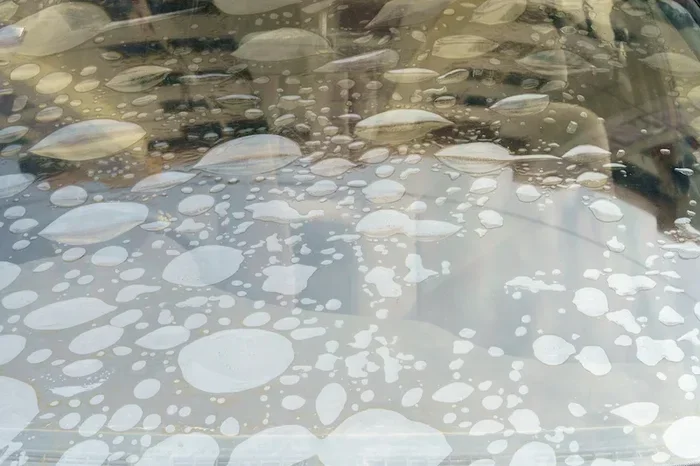
Tint bubbles are another ugly issue. Air gets trapped between the film and the glass. These bubbles start small but grow over time. They distort your view and make the tint look terrible. In hot climates, this problem happens faster because the heat expands the air pockets.
Tint peeling is the final stage of degradation. The edges of the film start lifting away from the glass. Once peeling begins, the tint is essentially done. You will need full replacement, which means more money and more hassle.
How to Extend the Life of Your Auto Tint
- Choose a high-quality ceramic tint film for longer durability.
- Avoid rolling down your windows for at least 48 hours after installation.
- Clean your tinted windows with a soft cloth and ammonia-free cleaner.
- Park in shaded areas whenever possible to reduce UV exposure.
- Ask about a tint warranty from your installer or manufacturer.
The tint warranty matters a lot here. Premium auto tint on vehicles often comes with a lifetime warranty. Budget tint films may have no warranty at all. This is a key factor to consider when choosing your film. Cheap tint might save you money upfront but cost you more in the long run.
Cost vs. Value: Is Auto Tint Worth It
Let us talk numbers. Auto tinting cost varies widely depending on the type of film, the size of your vehicle, and where you live. A basic dyed tint might cost you $100 to $200 for a full sedan. A premium ceramic tint can run $400 to $800 or more.
Breaking Down the Costs
When you factor in the drawbacks, the cost picture changes. If your tint bubbles or fades in two years, you are paying for replacement. If you get a ticket for illegal tint darkness, that is an extra expense. If signal interference forces you to buy a separate GPS mount, that adds up too.
Here is a simple breakdown of what you might pay:
- Basic dyed film: Low cost, short lifespan, frequent replacement.
- Metallic film: Medium cost, good heat rejection, potential signal issues.
- Carbon film: Medium-high cost, no signal interference, decent durability.
- Ceramic film: Highest cost, best performance, longest lifespan.
The value of auto tint depends on your priorities. If you live in a hot, sunny climate, the heat rejection benefits might outweigh the costs. If you drive mostly during the day and rarely at night, visibility issues might not bother you much. But if you are unsure, it is worth weighing all the factors carefully.
Impact on Vehicle Resale Value
Here is something many people forget. Auto tint can affect your vehicle resale value. A well-maintained tint can make your car look more appealing to buyers. But poorly maintained or illegal tint can do the opposite.
How Tint Affects Buyer Perception
When buyers look at a used car, they notice the tinted windows. If the tint is bubbling, peeling, or too dark, they will question the overall care of the vehicle. It signals neglect. On the other hand, clean, even, legal tint can make the car look well-maintained and premium.
Some buyers also worry about the tint warranty status. If the tint is aftermarket and not transferable, they may see it as a liability. They might even ask you to remove it before purchase. This is especially true in states with strict legal tint limits.
Common Mistake: Many people tint their car right before selling it, thinking it adds value. In reality, buyers often prefer to choose their own tint film. They want to pick the shade and quality that fits their needs. Removing someone else’s tint adds cost and effort for the new owner.
Health and Comfort Considerations
While auto tint is often marketed as a health benefit, it is not always that simple. Yes, tint blocks harmful UV rays. But it also traps heat inside your vehicle. This can create discomfort and even health risks in extreme cases.
The Heat Trapping Effect
Dark tint film absorbs solar energy. This energy turns into heat. In the summer, a heavily tinted car can become an oven. The interior temperature can rise 10 to 15 degrees higher than a non-tinted vehicle. This is uncomfortable for passengers and can be dangerous for children and pets left inside the car.
Some auto tint on vehicles uses thermal rejection technology to combat this. Ceramic and carbon films reject heat without absorbing it as much. But even these premium films do not eliminate the heat buildup entirely. You still need to use your air conditioning more, which affects fuel economy.
Balancing UV Protection and Comfort
- Choose a tint with high UV rejection but moderate heat absorption.
- Use sunshades on the windshield when parked.
- Roll down windows slightly when parked to let hot air escape.
- Consider a ceramic tint for the best balance of protection and comfort.
The bottom line is that auto tint is a trade-off. You gain UV protection and privacy, but you also gain heat and potential discomfort. Understanding this balance helps you set realistic expectations.
Conclusion
Auto tint on vehicles is not a decision to take lightly. The drawbacks are real and they affect safety, legality, comfort, and your wallet. Reduced night visibility can put you and others at risk. Signal interference disrupts your daily driving experience. Legal compliance issues can lead to fines and extra costs. Tint degradation means you will likely need to replace the film at some point. And the cost versus value equation does not always favor tinting.
That said, auto tint still has real benefits. UV protection, glare reduction, and privacy are genuine advantages. The key is to go in with your eyes open. Choose the right tint film for your needs, follow your state’s legal tint limits, and invest in quality over price. A well-chosen tint can serve you well for years. A poorly chosen one will only bring headaches.
Before you book that installation appointment, review the drawbacks covered in this article. Ask yourself whether the benefits outweigh the risks for your specific driving situation. The best auto tint decision is the one that is informed, intentional, and right for you.
Frequently Asked Questions
Can I use auto tint on all windows of my vehicle?
Not all windows can be tinted equally. Most states have strict rules about the front windshield and front side windows. The rear windows and back windshield usually allow darker tint. Always check your local window tinting laws before tinting any window.
Does auto tint really block UV rays effectively?
Yes, most quality tint films block over 99 percent of harmful UV rays. This protects your skin and prevents your car interior from fading. However, the level of protection varies by film type and quality.
How long does auto tint last before it needs replacement?
A good quality tint film lasts between five and ten years on average. Budget films may degrade in three to five years. Premium ceramic tints can last the lifetime of the vehicle with proper care.
Will auto tint interfere with my toll pass or GPS?
It depends on the type of film. Metallic tint films are the biggest culprits for signal interference. Ceramic and carbon films have minimal impact on electronic signals. Always ask your installer about signal compatibility.
Is it worth paying more for ceramic auto tint?
For most drivers, yes. Ceramic tint offers the best heat rejection, no signal interference, and superior durability. It costs more upfront but saves money over time by avoiding replacement and signal issues.
Can I remove auto tint myself if I change my mind?
You can, but it is difficult and risky. Improper removal can crack the glass or leave sticky residue. Professional removal is safer and cleaner. If your tint warranty covers removal, this can save you money.