Why Wont My Tire Pressure Light Go Off On Its Own
Your tire pressure light stays on for a reason, and it is not always low air. Common culprits include a faulty TPMS sensor, a dead sensor battery, temperature changes, or a system that needs resetting. This guide covers every reason your tire pressure light might refuse to turn off and gives you clear, step-by-step fixes you can try at home.
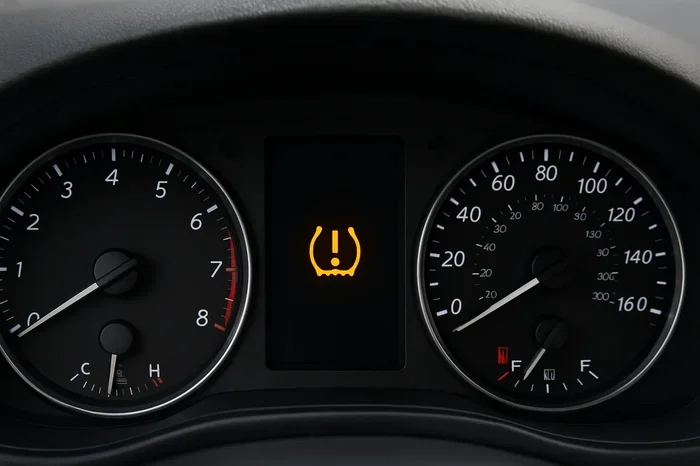
That little horseshoe-shaped light with an exclamation mark on your dashboard can really get under your skin. You check your tires. They look fine. You just drove to the gas station and filled them up. So why won’t the tire pressure light go off?
You are not alone. Thousands of drivers deal with a tire pressure light that refuses to turn off every single day. It is one of the most confusing dashboard warnings out there. Sometimes the fix takes five minutes. Other times it points to a deeper issue that needs a mechanic’s touch.
This article breaks down every possible reason your tire pressure light stays on. You will learn what the light actually means, the most common causes, how to reset it yourself, and when it is time to call for help. By the end, you will know exactly what to do and why your tire pressure light is acting up.
Key Takeaways
- Temperature swings are a top cause: Cold weather can trigger your tire pressure light even when your tires are fine.
- A dead sensor battery often causes the problem: Most TPMS sensors last 5-10 years before the battery dies.
- Resetting the light is usually simple: Most vehicles have a reset button or procedure you can do at home.
- Driving on low pressure is risky: It reduces fuel economy and can cause blowouts.
- Not all tire pressure light issues mean a leak: Sensor faults and system errors can trigger the light too.
- Know when to see a pro: Flashing lights, multiple warnings, or persistent issues need professional diagnosis.
📑 Table of Contents
- What Does the Tire Pressure Light Actually Mean?
- Common Reasons the Tire Pressure Light Won’t Go Off
- How to Reset Your Tire Pressure Light
- The Tire Pressure Sensor Battery: The Hidden Culprit
- When Should You See a Professional About Your Tire Pressure Light?
- Tips to Keep Your Tire Pressure Light Off
- Common Mistakes Drivers Make With the Tire Pressure Light
- Final Thoughts on Your Tire Pressure Light
What Does the Tire Pressure Light Actually Mean?
Before you can fix the problem, you need to understand what the tire pressure light is trying to tell you. Most people think it simply means their tires are low on air. But the truth is a bit more complicated than that.
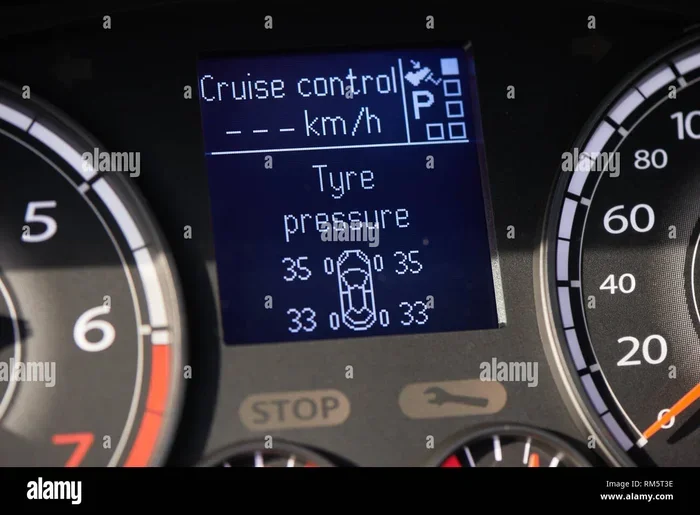
Your car has a system called the tire pressure monitoring system, or TPMS for short. This system uses sensors inside each wheel to measure the air pressure in real time. When the pressure drops below a safe level, the tire pressure warning light pops up on your dashboard to alert you.
The light can show up in two ways. Sometimes it looks like a horseshoe with an exclamation point in the middle. Other times it flashes first and then stays solid. A flashing light usually means a bigger problem, like a dead sensor or a malfunction in the tire pressure monitoring system. A solid light often points to low pressure in one or more tires.
Here is something many drivers do not know. The tire pressure light can also turn on because of a sudden temperature drop. Cold air shrinks, and that can lower your tire pressure enough to trigger the warning. So the light does not always mean you have a slow leak.
The Difference Between a Warning and an Emergency
Not every tire pressure light situation is an emergency. If the light comes on and your tires look a bit low, you can usually drive carefully to the nearest gas station and add air. But if the light is flashing or you notice a bulge or crack in the tire, pull over safely and get help right away.
Driving on severely underinflated tires is dangerous. It can cause uneven wear, reduce your fuel economy, and in worst cases, lead to a blowout. So never ignore the tire pressure warning completely, even if your tires look fine to the naked eye.
Common Reasons the Tire Pressure Light Won’t Go Off
Now that you understand what the light means, let us look at the most common reasons it stays on. These are the culprits behind most tire pressure light problems, and chances are one of them is your answer.
1. Actual Low Tire Pressure
The most obvious reason is that one or more of your tires really is low on air. You might not always see the difference just by looking at the tire. A tire can lose a third of its air pressure and still look normal.
Use a tire pressure gauge to check each tire. You can find a cheap gauge at any auto parts store for a few dollars. Compare the reading to the recommended pressure listed on the sticker inside your driver’s door frame. If any tire is below that number, add air until it reaches the right level.
After filling the tire, the tire pressure light might still stay on for a while. That is normal. You may need to drive a few miles at speeds above 20 mph for the system to recalibrate. In some vehicles, you need to manually reset the light after adding air.
2. A Slow Leak or Puncture
Even if you just filled your tires, a slow leak can cause the tire pressure light to come back within days or even hours. Slow leaks are sneaky. They can be caused by a tiny nail, a cracked rim, a worn valve stem, or even a faulty bead seal where the tire meets the wheel.
If you keep losing air in the same tire, get it inspected. A mechanic can plug or patch a small puncture, replace a bad valve stem, or spot a rim leak. Ignoring a slow leak will keep triggering your tire pressure warning over and over.
3. Temperature Drops
Did your tire pressure light show up on a cold morning and disappear once the day warmed up? Temperature changes are a very common trigger. When the air outside gets cold, the air inside your tires contracts. This drops the pressure enough to set off the warning.
For every 10 degrees Fahrenheit drop in temperature, your tire pressure can decrease by about 1 PSI. So if it drops 30 degrees overnight, you could lose 3 PSI. That is enough to trigger most tire pressure monitoring systems.
The fix is simple. Add a little air to bring your tires back to the recommended pressure. The light should turn off after a few miles of driving. This is not a sign of a real problem, just your car reacting to the weather.
4. A Faulty or Damaged TPMS Sensor
Sometimes the problem is not your tire at all. It is the sensor itself. Each wheel has a TPMS sensor mounted inside that measures air pressure and sends data to your car’s computer. These sensors can get damaged, corrode, or simply stop working over time.
If one sensor fails, it will send incorrect readings or no readings at all. Your car’s computer then triggers the tire pressure light because it cannot get accurate data. You might have perfectly inflated tires, but the light will stay on because the sensor is broken.
You can fix your own tire pressure sensor in many cases, depending on your vehicle. Some sensors just need to be reseated or have their batteries replaced. Others need to be replaced entirely. A mechanic can run a quick diagnostic to find out which sensor is causing the trouble.
5. A Dead Sensor Battery
Here is a fact many car owners do not know. The TPMS sensors inside your wheels run on small batteries. These batteries typically last between 5 and 10 years. Once the battery dies, the sensor stops working, and your tire pressure light will turn on.
A dead sensor battery is one of the most common reasons the light stays on even after you have checked and corrected your tire pressure. The sensor simply cannot send any data to your car’s computer anymore.
Replacing a TPMS sensor battery usually requires a trip to the mechanic or auto parts store. The sensor battery is not user-replaceable in most vehicles. The entire sensor unit is often replaced as one piece, which can cost between $50 and $100 per sensor.
6. You Recently Changed or Rotated Your Tires
If you just got new tires, rotated your tires, or switched to a different set of wheels, your tire pressure light might come on as a side effect. The TPMS sensors need to be relearned or reprogrammed after a tire change in many vehicles.
The car’s computer needs to recognize the sensors in their new positions. If this relearn process is not completed, the system will not know the correct pressure readings. The result is a persistent tire pressure warning that will not go away until the system is reset.
Some vehicles have a automatic relearn function. Others require you to hold a reset button on the dashboard or steering column. Check your owner’s manual for the specific procedure for your car.
How to Reset Your Tire Pressure Light
Once you have confirmed that your tires are properly inflated and there are no leaks, the next step is to reset the tire pressure light. Most vehicles make this process straightforward, but the exact steps vary by make and model.
Method 1: The Reset Button
Many cars have a dedicated TPMS reset button. It is usually located beneath the steering column, on the left side of the dashboard, or near the gear shift. Look for a small button with a tire icon and the letters TPMS.
Here is how to use it:
- Make sure all your tires are at the correct pressure.
- Turn the ignition to the “on” position (do not start the engine).
- Press and hold the reset button until the tire pressure light blinks three times.
- Start the engine and drive for at least 10 minutes.
- The light should turn off once the system recalibrates.
Method 2: Through the Infotainment System
Newer vehicles, especially models from Toyota, Honda, and other major brands, often let you reset the tire pressure light through the infotainment screen. Go to the vehicle settings menu, find the TPMS or tire pressure option, and select “Reset” or “Recalibrate.”
This method works well for tire pressure light Toyota models and tire pressure light Honda vehicles. The exact menu path varies, so check your owner’s manual or search online for your specific model.
Method 3: Disconnect the Battery
If the reset button and infotainment method do not work, you can try disconnecting the car battery for about 15 minutes. This resets the entire electrical system, including the tire pressure monitoring system.
Simply disconnect the negative battery cable, wait 15 minutes, and reconnect it. When you start the car, the tire pressure light should be off if your tires are properly inflated. This method works in most vehicles but should be used as a last resort.
The Tire Pressure Sensor Battery: The Hidden Culprit
Let us talk more about the TPMS sensor battery because it is such a common hidden cause. When the battery dies, the sensor cannot communicate with your car’s computer. The system sees this as a fault and turns on the tire pressure light.
Here is the tricky part. You cannot usually check the sensor battery without a special diagnostic tool. And even if you could, the battery is sealed inside the sensor and not user-replaceable. The entire sensor unit needs to be replaced.
Most TPMS sensors last about 5 to 10 years. If your car is older than 5 years and the tire pressure light keeps coming on for no obvious reason, a dead sensor battery is very likely the cause. The good news is that replacing a sensor is a quick job for a mechanic, and it is not overly expensive.
Some drivers choose to ignore a dead sensor battery if their tires are fine. The car will still drive normally. But the light will stay on, which can be annoying and confusing. It can also cause you to ignore a real tire pressure problem in the future because you get used to the light always being on.
Can You Replace the Sensor Yourself?
In some vehicles, you can replace the TPMS sensor yourself with basic tools. The sensor screws into the wheel rim and can be removed with a socket wrench. However, you will need to reprogram the new sensor into your car’s system, which often requires a TPMS reset tool or a visit to a mechanic or auto parts store.
Many places like AutoZone and O’Reilly will program the new sensor for free or for a small fee. If you are not comfortable working with the sensors yourself, it is perfectly fine to leave this job to the professionals.
When Should You See a Professional About Your Tire Pressure Light?
Most of the time, a tire pressure light is nothing to worry about. You can fix it at home with a tire gauge and a few minutes of your time. But there are situations where you should take your car to a mechanic.
You should see a professional if:
- The tire pressure light flashes and stays on, which often indicates a sensor malfunction.
- You have checked all tires and they are at the correct pressure, but the light will not turn off.
- You notice multiple dashboard warnings at the same time, which could point to a bigger electrical issue.
- You suspect a damaged sensor or a problem with the tire pressure monitoring system that you cannot fix yourself.
- You recently had a tire service and the light has not turned off after a few days of driving.
Sometimes the tire pressure light stays on because of a deeper issue in your car’s computer system. A mechanic can run a full diagnostic and clear any stored fault codes. This is similar to how you would run diagnostics without a check engine light for other vehicle issues.
Do not let a stubborn light sit on your dashboard for weeks. Even if your tires are fine, a persistent tire pressure warning can drain your attention and make you less aware of real problems that come up later.
Tips to Keep Your Tire Pressure Light Off
Prevention is always easier than fixing a problem. Here are some simple habits that will help keep your tire pressure light off and your tires in great shape.
- Check your tire pressure monthly. Get in the habit of checking all four tires once a month with a tire pressure gauge. It takes less than five minutes.
- Check before long trips. Always verify your tire pressure before a road trip or any long drive. Underinflated tires can reduce fuel economy and handling.
- Check pressure when tires are cold. Tire pressure rises as you drive. For the most accurate reading, check your tires in the morning before you start the car.
- Keep a tire inflator in your trunk. A small portable compressor or a can of tire inflator can help you add air on the go. This is especially useful for tire pressure light emergencies.
- Replace sensor batteries on schedule. If your car is over 5 years old, consider having the TPMS sensor batteries checked or replaced proactively.
- Do not ignore the light. Even if your tires look fine, get in the habit of investigating when the tire pressure warning comes on. Catching small problems early saves money and keeps you safe.
Quick Tip: Temperature Changes and Your Tire Pressure Light
Here is a quick tip that many experienced drivers follow. When the seasons change and temperatures drop significantly, check your tire pressure right away. A 20-degree drop can lower your pressure by 1 to 2 PSI. Add a little air proactively and your tire pressure light will not bother you during the cold months.
Also, remember that overinflating your tires to “prevent” the light from coming on is a bad idea. Overinflated tires wear unevenly, ride harshly, and can be dangerous. Always stick to the manufacturer’s recommended pressure listed on the door sticker.
Common Mistakes Drivers Make With the Tire Pressure Light
There are a few mistakes that many drivers make when dealing with a tire pressure light. Avoiding these can save you time, money, and frustration.
Mistake 1: Ignoring the light because the tires look fine. As mentioned earlier, a tire can lose a third of its air and still look normal. Always check with a gauge.
Mistake 2: Assuming all four tires are at the same pressure. Different tires can lose air at different rates. Check each one individually.
Mistake 3: Resetting the light without fixing the root cause. If you reset the tire pressure light but have a slow leak, it will just come back. Always find and fix the underlying problem first.
Mistake 4: Using the wrong pressure number. The number on the tire sidewall is the maximum pressure, not the recommended pressure. Always use the number on the door sticker or in the owner’s manual.
Mistake 5: Waiting too long to address the light. A tire pressure light that stays on for weeks can wear out your battery and tires. Address it promptly to avoid bigger problems down the road.
Final Thoughts on Your Tire Pressure Light
A tire pressure light that will not go off is one of those small car problems that can really nag at you. But the good news is that in most cases, the fix is quick and straightforward. Whether it is a simple need to add air, a temperature-related trigger, or a sensor that needs replacing, you now have the knowledge to handle it yourself.
Start by checking your tire pressure with a tire pressure gauge. Make sure every tire is at the recommended level. Then try resetting the system using your vehicle’s reset button or infotainment menu. If the light still will not turn off, it is time to look at the sensors or take your car to a professional.
Taking care of your tire pressure monitoring system is about more than just turning off a warning light. Proper tire pressure keeps you safe on the road, improves your fuel economy, and makes your tires last longer. It is one of the simplest and most important things you can do for your car.
So the next time that little light pops up on your dash, do not panic. Check your tires, add air if needed, reset the system, and you will likely be back on the road with the light off in no time. Your car is trying to tell you something, and now you know exactly how to listen.
Frequently Asked Questions
Why does my tire pressure light stay on even after I fill my tires?
The system may need time to recalibrate. Drive your car at speeds above 20 mph for at least 10 minutes after filling your tires. If the light stays on, try pressing the TPMS reset button. In some vehicles, you may also need to manually reset the system through the infotainment menu.
How do I know if my tire pressure sensor battery is dead?
A dead sensor battery usually triggers a persistent tire pressure light even when your tires are properly inflated. You cannot check the battery yourself without a diagnostic tool. A mechanic can scan your vehicle and confirm whether a sensor battery needs replacement.
Can cold weather cause the tire pressure light to come on?
Yes, absolutely. Cold temperatures cause the air inside your tires to contract, which lowers the pressure. A sudden temperature drop of 20 degrees or more can trigger the tire pressure warning light. Simply adding air to reach the recommended pressure will usually turn the light off.
Is it safe to drive with the tire pressure light on?
It depends. If the light is solid and your tires are only slightly low, you can drive carefully to the nearest gas station. But if the light is flashing or your tires are severely underinflated, you should avoid driving and get help. Driving on low pressure can cause tire damage or a blowout.
How much does it cost to replace a tire pressure sensor?
Replacing a TPMS sensor typically costs between $50 and $100 per sensor for the part, plus labor if you go to a mechanic. Some auto parts stores will program the new sensor for free. If you are handy, you can replace the sensor yourself and save on labor costs.
Can I use a bike pump to fill my car tires if I am on the road?
Yes, you can use a bike pump to fill a car tire in an emergency, but it takes a lot of effort and time. A small portable 12-volt tire inflator is a much better option for road trips and emergencies. It works quickly and plugs into your car’s cigarette lighter.
=== CONCLUSION ===
Your tire pressure light is there to keep you safe, not to scare you. Most of the time, the fix is simple: check your pressure, add air, and reset the system. If the problem goes deeper, a dead sensor battery or a faulty sensor is usually the cause, and a quick trip to the mechanic solves it.
Now you know exactly what to do when that tire pressure warning shows up on your dashboard. You have the tools, the knowledge, and the confidence to handle it yourself. Keep your tires properly inflated, reset the system when needed, and stay ahead of small problems before they become big ones.
Take care of your tires, and they will take care of you. Safe driving!