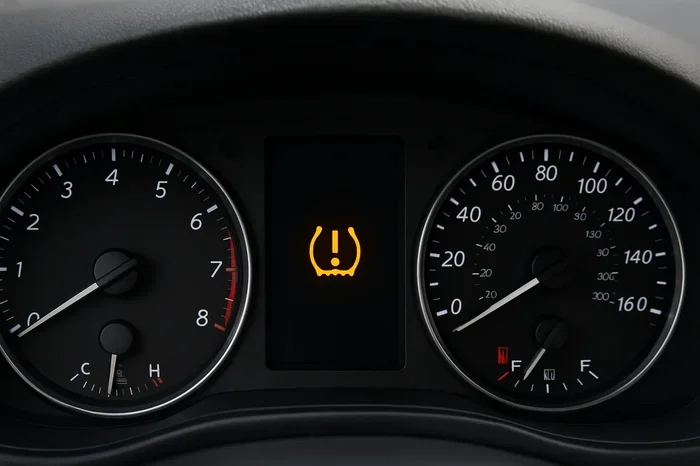
Why Is My Tire Pressure Light On When Tires Have Enough Air
Your tire pressure light can stay on even with properly inflated tires due to a faulty TPMS sensor, a dead sensor battery, temperature changes, or a slow leak. The tire pressure monitoring system is sensitive, and small issues can trigger the warning light unexpectedly. This guide covers the most common reasons your tire pressure light is on and shows you exactly how to fix each one.
You just parked your car, glanced at the dashboard, and saw it. That little horseshoe-shaped light with an exclamation point in the middle. Your tire pressure warning light is on. But you just checked your tires, and they look perfectly fine. They feel firm. They look properly inflated. So why is your tire pressure light on when your tires have enough air?
This is one of the most common car mysteries drivers face. And the frustrating part is that there is no single answer. Several different things can cause this light to turn on even when your tires are in great shape. The good news is that most of these causes are easy to fix once you know what you are looking for.
In this guide, we will walk through every reason your tire pressure light might be on, how to diagnose the problem, and exactly what steps to take to turn that light off. Whether you are dealing with a sensor issue, a temperature change, or something else entirely, we have you covered.
Key Takeaways
- Temperature drops can cause false TPMS alerts: Cold air reduces tire pressure slightly, triggering the light even when tires are fine.
- A dead sensor battery is the #1 hidden cause: Most TPMS sensors last 5-10 years before the battery dies and needs replacement.
- You can often reset the tire pressure light yourself: A simple reset procedure works in most vehicles without a mechanic.
- Slow leaks are hard to spot but real: Tiny punctures or worn valve stems let air out slowly over days or weeks.
- Check your tire pressure with a gauge, not just your eyes: Visual inspection is not reliable enough to confirm proper air pressure.
📑 Table of Contents
- Understanding Your Tire Pressure Monitoring System
- Common Reasons Your Tire Pressure Light Is On
- How to Diagnose the Real Problem
- How to Reset Your Tire Pressure Light
- When to Worry About Your Tire Pressure Light
- Preventing Future Tire Pressure Light Issues
- Expert Insights on TPMS Systems
- Key Takeaways
Understanding Your Tire Pressure Monitoring System
Before we dive into the causes, it helps to understand what your tire pressure monitoring system actually does. Most modern vehicles come equipped with a TPMS, which stands for Tire Pressure Monitoring System. This system uses sensors inside each tire (or sometimes on the valve stems) to measure the air pressure in real time.
The purpose of the tire pressure monitoring system is simple. It alerts you when the pressure in one or more tires drops below a safe level. Under-inflated tires can reduce fuel efficiency, cause uneven tire wear, and increase the risk of a blowout. So the system is designed to keep you safe.
However, the system is not perfect. It can be triggered by things that have nothing to do with actual low pressure. And that is where the confusion sets in. Understanding how the system works is the first step toward fixing the problem.
How TPMS Sensors Work
Each tire has a small sensor that measures the air pressure inside. These sensors send a wireless signal to your car’s computer. If the pressure drops below a certain threshold (usually about 25% below the recommended level), the dashboard light comes on.
The sensors are powered by small batteries. These batteries typically last between 5 and 10 years. When the battery dies, the sensor cannot send data, and your car may interpret that as a pressure problem. This is one of the most common reasons the light comes on even when your tires are fine.
Common Reasons Your Tire Pressure Light Is On
Now let us get into the specific reasons your tire pressure light might be on when your tires actually have enough air. Each of these is a real scenario that drivers encounter regularly.
1. Cold Weather and Temperature Changes
Air pressure inside a tire decreases when the temperature drops. This is basic physics. If you drove your car home on a warm afternoon and the tires were perfectly inflated, a cold morning can cause the pressure to dip just enough to trigger the warning light.
This is especially common in fall and winter. A temperature drop of just 10 degrees Fahrenheit can reduce tire pressure by about 1 PSI. If your tires were already near the lower end of the acceptable range, that small drop can be enough to set off the tire pressure warning.
The fix is simple. Drive your car for a few miles. The tires will warm up, the pressure will rise, and in many cases the light will turn off on its own. If it does not, you may need to add a small amount of air.
2. A Faulty or Failing TPMS Sensor
Sometimes the sensor itself is the problem. TPMS sensors can fail due to age, damage, or corrosion. When a sensor malfunctions, it may send incorrect readings to your car’s computer. The result? A tire pressure light that comes on even though every tire is properly inflated.
Sensor failure is more common in older vehicles. If your car is 8 years old or more, the sensors may simply be reaching the end of their lifespan. In this case, replacing the sensor usually solves the problem. You can fix your own tire pressure sensor in many cases, depending on your vehicle model.
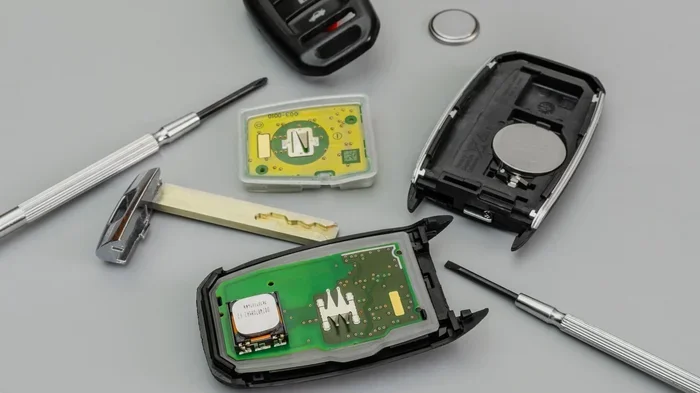
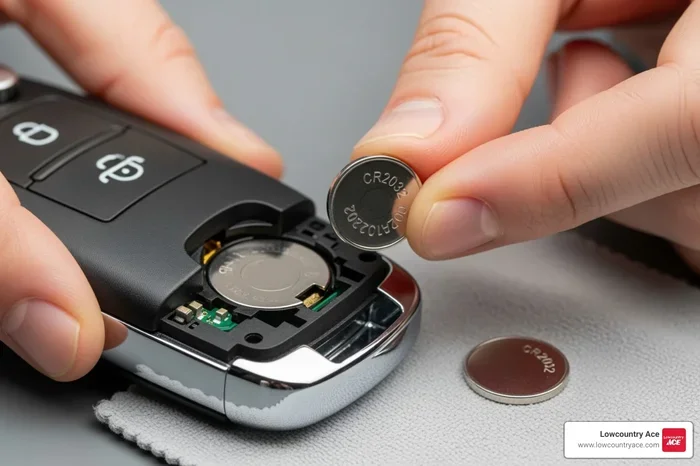
3. A Dead Sensor Battery
Each TPMS sensor runs on a small battery. These batteries are not rechargeable. When they die, the sensor stops working. Most car computers will then display a TPMS warning light to let you know the sensor is no longer functioning.
Battery life typically ranges from 5 to 10 years. If your vehicle is getting older and the tire pressure light came on suddenly, a dead battery is a strong possibility. Replacing the sensor battery requires either a mechanic or a DIY approach, depending on the sensor type.
4. A Slow Tire Leak
Not all air leaks are obvious. A tiny puncture from a nail or screw can let air out so slowly that you do not notice it day to day. But over the course of a week or two, the pressure drops enough to trigger the light.
Common causes of slow leaks include:
- A small nail or screw embedded in the tread
- A worn or cracked valve stem
- A poor seal between the tire and the rim
- Corrosion on the rim edge
If you suspect a slow leak, use a tire pressure gauge to check each tire. Compare the reading to the recommended pressure listed on your driver’s side door jamb. Even a loss of 2 or 3 PSI over a few days can indicate a slow leak.
5. Recent Tire or Wheel Service
Did you just get your tires rotated, balanced, or replaced? If so, the TPMS light might be on simply because the sensors were disturbed during service. Removing and reinstalling tires can sometimes disconnect or reset the sensors temporarily.
In most cases, the light will turn off after a few drives. If it does not, you may need to perform a tire pressure reset or relearn the sensor positions. This process varies by vehicle, so check your owner’s manual for specific steps.
6. The TPMS System Itself Needs Resetting
Sometimes the tire pressure monitoring system just needs a reset. This can happen after you have correctly inflated your tires but the light stays on. The system has not yet received the updated pressure data.
Most vehicles have a TPMS reset button located under the steering column, on the dashboard, or inside the glove box. Press and hold it until the warning light blinks a few times and then turns off. Refer to your vehicle’s manual for the exact location and procedure.
How to Diagnose the Real Problem
So your tire pressure light is on and your tires look fine. What should you do next? Here is a step-by-step approach to figuring out what is going on.
Step 1: Check the Tire Pressure Manually
Do not rely on how the tires look. Use a reliable tire pressure gauge to measure each tire, including the spare. Compare the readings to the manufacturer’s recommended pressure. You can find this number on a sticker inside the driver’s door frame or in your owner’s manual.
If all tires read within the normal range, the problem is likely a sensor issue rather than an actual pressure problem.
Step 2: Check for Temperature Changes
Think about the weather recently. Did temperatures drop significantly overnight? Did you drive from a warm garage into cold outdoor air? Temperature-related pressure drops are temporary and usually resolve on their own once the tires warm up.
Step 3: Inspect the Valve Stems
Look closely at each valve stem. Check for cracks, dryness, or damage. A worn valve stem can let air seep out slowly. You can also apply a small amount of soapy water to each valve stem and look for bubbles. Bubbles indicate air is escaping.
Step 4: Use an OBD-II Scanner
An OBD-II scanner can read the specific trouble codes stored in your car’s computer. These codes can tell you exactly which sensor is malfunctioning or whether the issue is related to pressure or the sensor itself. You can run diagnostics without a check engine light in many cases, though the TPMS uses its own dedicated system.
Step 5: Visit a Tire Shop or Mechanic
If you have checked everything and the light still will not go off, it is time to see a professional. Most tire shops can test your TPMS sensors for free and tell you exactly which sensor needs replacement.
How to Reset Your Tire Pressure Light
Once you have confirmed that your tires are properly inflated and there are no leaks, the next step is to reset the light. Here is how to do it in most vehicles.
- Start the engine and make sure all tires are at the correct pressure.
- Locate the TPMS reset button. This is usually under the steering wheel or on the dashboard.
- Press and hold the button until the tire pressure light on the dashboard blinks three times.
- Release the button and start driving.
- The light should turn off within a few miles as the system recalibrates.
If this does not work, try driving at a steady speed of 50 mph for about 10 minutes. Some vehicles recalibrate the TPMS during highway driving.
Keep in mind that if the underlying issue is not fixed, the light will come back on. Resetting the light without addressing the root cause is only a temporary solution.
When to Worry About Your Tire Pressure Light
Not every tire pressure light signals a serious problem. But some situations do require immediate attention. Here is when you should be concerned:
- The light comes on while you are driving: This could indicate a sudden pressure loss. Pull over safely and check your tires.
- The light flashes and then stays on: A flashing light often indicates a TPMS sensor malfunction rather than low pressure.
- Multiple warning lights are on at the same time: This could point to an electrical issue or a problem with the car’s computer system.
- The light comes and goes unpredictably: This is a classic sign of a failing sensor or intermittent sensor battery issues.
If you ever feel unsure about what the light means, it is always better to get your tires checked. Driving on under-inflated tires for too long can cause serious tire damage and reduce your fuel efficiency.
Preventing Future Tire Pressure Light Issues
The best way to deal with a tire pressure light is to prevent it from coming on in the first place. Here are some simple habits that can help keep your TPMS system happy and your tires in great shape.
- Check your tire pressure monthly: A quick check with a gauge takes only a few minutes and catches slow leaks early.
- Check pressure when tires are cold: Driving heats up the tires and increases the pressure reading. Check before you drive for the most accurate results.
- Replace TPMS sensor batteries proactively: If your vehicle is 7+ years old, consider having the sensor batteries replaced before they die unexpectedly.
- Keep your tires properly maintained: Regular tire rotations and alignments help prevent uneven wear that can affect pressure readings.
- Watch the weather: During big temperature swings, check your tire pressure more frequently.
These simple steps go a long way. They keep your tires healthy and help you avoid the frustration of a warning light that keeps coming back.
Expert Insights on TPMS Systems
Many drivers are surprised to learn that their vehicle’s TPMS is not a substitute for regular tire pressure checks. The system is designed as a warning mechanism, not a precision monitoring tool. It typically only alerts you when pressure has dropped significantly, often by 25% or more.
Automotive experts recommend checking tire pressure at least once a month and before long road trips. This proactive approach catches issues before the TPMS light ever has a chance to come on. It also extends the life of your tires and improves your vehicle’s fuel economy.
Another expert tip is to keep a tire pressure gauge in your glove box. The gas station gauges are often inaccurate or poorly maintained. Having your own reliable gauge ensures you always have an accurate reading available.
Key Takeaways
- Temperature changes are the most common cause: Cold weather can temporarily lower tire pressure and trigger the light.
- A dead sensor battery causes many false alerts: TPMS sensor batteries last 5-10 years and need replacement when they die.
- Sensor failure is common in older vehicles: If your car is 8+ years old, the TPMS sensors may simply need replacing.
- Slow leaks are hard to detect without a gauge: Use a tire pressure gauge regularly to catch tiny leaks early.
- Resetting the light is simple but only works if the root cause is fixed: Always verify tire pressure before resetting the system.
- Prevention is the best strategy: Monthly tire pressure checks and proactive sensor maintenance keep the warning light off.
Dealing with a tire pressure light that will not go off is frustrating. But the good news is that in most cases, the cause is something simple and fixable. Whether it is a temperature change, a dead sensor battery, or a slow leak, understanding the root cause puts you in control. The next time that little horseshoe icon lights up on your dashboard, you will know exactly what to do.
Keep your tires properly inflated, stay on top of sensor maintenance, and do not ignore the warning light. Your tires and your wallet will thank you. And if you ever find yourself dealing with additional dashboard warnings like a check engine light, remember that many of these systems work together. For instance, a persistent TPMS issue can sometimes trigger other warning lights on your dashboard.
Stay proactive, stay informed, and keep driving safely. Your tires are the only part of your car that touches the road, and taking care of them is one of the best things you can do for your vehicle.
Frequently Asked Questions
Why is my tire pressure light on even after I inflated my tires?
The TPMS system may need a reset after you add air. Drive your car for a few miles or manually press the TPMS reset button. If the light stays on, one of the sensors may be faulty or have a dead battery that needs replacement.
Can cold weather cause my tire pressure light to come on?
Yes, absolutely. Cold temperatures cause the air inside your tires to contract, which lowers the pressure. A temperature drop of just 10 degrees Fahrenheit can reduce pressure by about 1 PSI, which is enough to trigger the warning light in some vehicles.
How much does it cost to replace a TPMS sensor?
Replacement costs typically range from $50 to $250 per sensor depending on your vehicle. Some shops offer bundled pricing if you need all four sensors replaced at once. The battery inside the sensor usually cannot be replaced separately on newer models.
How long does a TPMS sensor battery last?
Most TPMS sensor batteries last between 5 and 10 years. When the battery dies, the sensor stops transmitting data and your car displays a TPMS warning. The entire sensor unit usually needs to be replaced rather than just the battery.
Is it safe to drive with the tire pressure light on?
It is generally safe for a short distance if your tires are actually properly inflated and the light is a false alert. However, if the light is on due to a real pressure loss, driving on under-inflated tires can be dangerous and cause tire damage. Always check your tire pressure first.
Can a TPMS sensor be repaired instead of replaced?
In most cases, TPMS sensors cannot be repaired. The sensor unit is sealed and non-serviceable. If the battery dies or the sensor fails, the entire unit needs to be replaced. Some older models allow battery replacement, but this is becoming increasingly rare.