Where Is the Fuel Tank Release Button on Your Vehicle
The fuel tank release button is a small but essential part of every vehicle that lets you access the gas tank quickly and safely. Most cars place this button on the driver’s side door panel, near the floor or seat base. Some vehicles use a lever, pull handle, or trunk-based release instead. Knowing the exact location prevents frustration at the gas station and helps you handle emergencies with confidence. This guide covers every common placement, vehicle type, and troubleshooting tip you need.
Key Takeaways
- Driver-side door panel: The most common location for the fuel tank release button across most vehicle brands.
- Lever or pull-handle designs: Some vehicles use a lever near the seat or a pull handle inside the trunk.
- Vehicle type matters: Sedans, SUVs, and trucks often have different fuel door release mechanisms.
- Emergency releases exist: Many cars include a secondary release inside the trunk or under a panel.
- Maintenance is simple: Keeping the release mechanism clean and lubricated prevents most common problems.
- Check engine lights can relate: Fuel system issues sometimes trigger warning lights on your dashboard.
📑 Table of Contents
- Why Knowing Your Fuel Tank Release Button Matters
- Common Locations of the Fuel Tank Release Button
- How to Open the Fuel Tank Door Step by Step
- Fuel Tank Release Buttons by Vehicle Type
- Common Problems with Fuel Tank Release Buttons
- Tips for Maintaining Your Fuel Tank Release System
- When to Seek Professional Help
- Final Thoughts
Why Knowing Your Fuel Tank Release Button Matters
Every driver knows the feeling. You pull into the gas station, grab the nozzle, and then you freeze. Where is the fuel tank release button? It sounds like a simple thing, but plenty of people get stuck at the pump because they do not know how to open their fuel door. The fuel tank release button is one of those small features we rarely think about until we need it.
Understanding where this button sits on your specific vehicle saves time and reduces stress. It also helps you handle situations where the release mechanism sticks or breaks. Whether you drive a sedan, SUV, or truck, the location varies by design and manufacturer. Learning the basics now keeps you prepared for every trip.
Modern vehicles use different types of release systems. Some rely on an electronic push button. Others use a mechanical lever or pull cable. A few even place the release inside the trunk. Each design serves the same purpose: to give you safe and easy access to your fuel tank. Let us walk through every common location so you never have to guess again.
Common Locations of the Fuel Tank Release Button
The fuel tank release button does not sit in one universal spot. Car manufacturers place it in different locations depending on the vehicle model, body style, and design philosophy. Below are the most common spots you will find it.
Driver-Side Door Panel
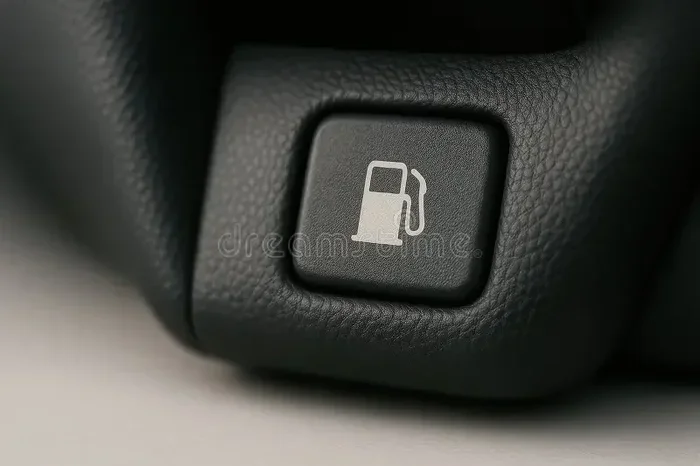
This is the most common location across the majority of passenger vehicles. The button usually sits on the driver’s side door panel, near the bottom edge where the door meets the seat. You may need to feel along the lower trim panel with your hand to find it. Some vehicles place the button right next to the power window controls for easy reach.
On many Toyota and Honda models, the release sits low on the door panel. On Ford and Chevrolet vehicles, it often appears near the same area. The key is to look for a small icon that looks like a fuel pump or a door with an arrow pointing to it. Once you find it, pressing the button pops the fuel door open, giving you access to the gas cap.
Seat Base or Floor Area
Some vehicles hide the release mechanism under the driver’s seat or near the floorboard. You might need to reach down and feel around the base of the seat to find a lever or button. This design is more common in older vehicles and certain truck models. The idea is to keep the cabin looking clean and uncluttered.
If you cannot find a button on your door panel, check under the seat next. This is especially true for certain truck models where the fuel door sits on the rear quarter panel. A small lever or pull handle is often tucked into the seat base area.
Trunk or Cargo Area
Many SUVs and some sedans place the fuel tank release inside the trunk. You might find it on the trunk lid, the trunk wall, or near the spare tire compartment. This design is especially common in vehicles where the fuel door is located on the rear side of the car.
For some models, you need to open the trunk first, then locate a pull handle or button to release the fuel door. This two-step process adds a layer of security. It also means that if your trunk is jammed or the key fob battery dies, you may need an alternative way to access the fuel door. Always check your owner’s manual for the exact procedure.
Front Fascia or Side Skirt
A smaller number of vehicles place the fuel door release on the front bumper or side skirt area. This is more common on sports cars and certain European models. The fuel door may open from the outside with a small latch or button, while the interior release serves as a backup.
On these vehicles, the interior release is often a small pull handle located near the driver’s knee area. Knowing both the exterior and interior release points helps in every situation.
How to Open the Fuel Tank Door Step by Step
Opening the fuel tank door is straightforward once you know the steps. Here is a simple walkthrough that works for most vehicles.
Step 1: Park and Turn Off the Engine
Always park on a level surface and turn off the engine before opening the fuel door. Safety comes first. Never open the fuel door while the engine is running or while you are smoking. Gas vapors are flammable, and you want to eliminate every ignition source.
Some people wonder whether they can add fluid or perform other tasks with the engine running. The answer depends on the specific task. For fuel-related access, always shut the engine off first.
Step 2: Locate the Release Button or Lever
Check the driver’s side door panel first. Feel along the bottom edge of the panel if you cannot see it. Look for the fuel pump icon or a small door symbol with an arrow. Press the button firmly if your vehicle uses an electronic release.
If your vehicle uses a lever, pull it toward you or upward. Some levers require a bit of force, so do not be afraid to pull firmly. The fuel door should click or pop open slightly, giving you room to pull it from the outside.
Step 3: Open the Fuel Door from the Outside
Walk to the fuel door on the side of your vehicle. Grab the edge and pull it toward you. It should open easily if the release mechanism worked correctly. If it does not, do not force it. Something may be stuck or the mechanism may need attention.
Step 4: Remove the Gas Cap and Refuel
Twist the gas cap counterclockwise to remove it. Insert the fuel nozzle and begin refueling. Pay attention to the octane rating recommended for your vehicle. Using the wrong fuel can cause engine problems over time.
Step 5: Replace the Gas Cap and Close the Fuel Door
After refueling, twist the gas cap clockwise until it clicks. Push the fuel door firmly until it latches. On some vehicles, the fuel door will not fully latch until you hear a click. Double-check before walking away.
Fuel Tank Release Buttons by Vehicle Type
Different vehicle types use different release mechanisms. Here is a breakdown of what to expect based on your vehicle category.
Sedans
Most sedans place the fuel tank release button on the driver’s side door panel. The fuel door is usually located on the rear quarter panel, toward the back of the car. Sedans tend to use electronic push-button releases that are easy to find and operate.
If you drive a sedan and cannot find the button, check your owner’s manual. Some sedan manufacturers place the release near the driver’s seat base or behind a small trim panel. Sedans are generally the easiest vehicle type to access for refueling.
SUVs
SUVs vary more in their fuel tank release designs. Many place the release inside the trunk, often on the trunk lid or wall. Others use the driver’s side door panel, just like sedans. The fuel door on SUVs is often larger to accommodate bigger gas caps and faster fuel flow.
If your SUV has a rear fuel door, you may need to open the trunk to access the release mechanism first. This is a good reason to always keep your trunk organized. Knowing where the release is before you need it saves valuable time.
Trucks
Trucks often use lever-style fuel tank releases instead of buttons. The lever is typically located near the driver’s seat base or under the dashboard on the driver’s side. Some trucks place the release on the side of the truck bed near the fuel door.
Truck fuel doors are usually larger and more heavy-duty than those on sedans or SUVs. The release mechanism on trucks is built to handle more use and rougher conditions. Keep the lever or button clean and free of debris for smooth operation.
| Vehicle Type | Most Common Release Location | Release Type | Fuel Door Location |
|---|---|---|---|
| Sedan | Driver’s side door panel | Push button | Rear quarter panel |
| SUV | Trunk interior or door panel | Button or pull handle | Rear quarter panel or rear bumper |
| Truck | Seat base or dashboard area | Lever or pull cable | Side panel near rear |
| Sports Car | Door panel or front fascia | Push button or exterior latch | Side or rear panel |
Common Problems with Fuel Tank Release Buttons
Like any mechanical part, the fuel tank release button can develop problems over time. Here are the most common issues drivers face and what causes them.
Stuck or Jammed Release Button
A stuck release button is one of the most annoying problems. You press it, but nothing happens. This usually occurs because dirt, debris, or moisture has gotten into the mechanism. Over time, grime builds up around the button and prevents it from moving freely.
The fix is often simple. Spray a small amount of electrical contact cleaner or silicone lubricant around the button. Press it a few times to work the cleaner in. If the button still does not move, the mechanism may need professional attention.
Broken Release Cable
Some vehicles use a cable system to connect the release button to the fuel door latch. If the cable snaps or disconnects, pressing the button does nothing. You may hear a clicking sound but see no movement in the fuel door.
A broken release cable requires replacement. This is a job best left to a mechanic unless you have experience with automotive repairs. Do not try to force the fuel door open, as this can damage the fuel tank and create a safety hazard.
Electrical Issues with Electronic Releases
Vehicles with electronic push-button releases depend on the car’s electrical system. If a fuse blows or a wiring connection fails, the button may stop working. Check your fuse box first if the electronic release stops responding. A blown fuse is an easy and inexpensive fix.
Sometimes the problem is with the control module. In this case, you may need to visit a dealership or auto repair shop. Always refer to your owner’s manual for fuse box locations and fuse ratings.
Tips for Maintaining Your Fuel Tank Release System
Taking care of your fuel tank release system prevents most problems before they start. Here are some simple maintenance tips that every driver should follow.
Keep the Release Button Clean
Wipe down the release button and surrounding area regularly. Use a damp cloth to remove dust and grime. Avoid using harsh chemicals that could damage the plastic or electrical components. A clean button works smoothly and lasts longer.
Lubricate Moving Parts
If your vehicle uses a lever or cable system, apply a small amount of silicone-based lubricant once or twice a year. This keeps the mechanism moving freely and prevents sticking. Do not use petroleum-based lubricants near the fuel system, as they can degrade rubber seals and pose a fire risk.
Check the Gas Cap Seal
The gas cap seal plays a big role in your fuel system. A worn or damaged seal can cause fuel vapor leaks, which may trigger the check engine light. If your check engine light comes on and you recently refueled, check the gas cap first. Tighten it fully and see if the light goes away after a few driving cycles.
If you are dealing with a check engine light and suspect it might be fuel-related, you can learn how to clear the check engine light yourself as a first troubleshooting step. This can save you a trip to the shop for minor issues.
Inspect the Fuel Door Latch
The fuel door latch holds the door securely closed while you drive. Over time, the latch can wear out or become misaligned. Open and close the fuel door gently and make sure it latches properly every time. A loose or misaligned latch can let fuel vapors escape, which is both wasteful and unsafe.
When to Seek Professional Help
Most fuel tank release issues are minor and easy to fix. But some situations require professional help. If you notice fuel leaking near the release mechanism, stop driving immediately and call a tow truck. Fuel leaks are serious safety hazards that should never be ignored.
If the release button or lever feels completely unresponsive after you have tried cleaning and lubricating it, take your vehicle to a trusted mechanic. They can diagnose electrical issues, broken cables, or damaged latches quickly and safely. Do not attempt to open the fuel door by force, as this can damage the fuel tank and surrounding components.
Also, if you have recently changed your battery and the fuel release stopped working, the issue may be related to the car’s electrical system resetting. In some cases, you may need to reset certain systems after a battery change, similar to how you might need to reset the car key after a battery replacement.
Final Thoughts
The fuel tank release button is a small feature that makes a big difference in your daily driving experience. Knowing where it is, how it works, and how to maintain it keeps you prepared for every refueling trip. Whether your vehicle uses a push button, a lever, or a trunk-based release, the process is simple once you understand the basics.
Take a moment today to locate your fuel tank release button if you have not already done so. Familiarity with this small detail can save you time, reduce stress, and keep you safe at the gas pump. Stay proactive with maintenance, and your fuel system will serve you reliably for years to come.
Frequently Asked Questions
Where is the fuel tank release button on most cars?
On most cars, the fuel tank release button is located on the driver’s side door panel, near the bottom edge where the door meets the seat. Look for a small icon shaped like a fuel pump or a door with an arrow. If you do not see it there, check under the driver’s seat or inside the trunk.
Can you open the fuel tank door from the outside?
Yes, most vehicles allow you to open the fuel tank door from the outside by pulling on the door latch. Once you press the interior release button or pull the lever, the door pops open slightly, and you can pull it the rest of the way from outside the car.
What should you do if the fuel tank release button is stuck?
If the fuel tank release button is stuck, start by cleaning around it with a damp cloth and spraying a small amount of electrical contact cleaner. Press the button several times to work the cleaner in. If the button still does not move, the mechanism may need professional inspection or replacement.
Does the fuel tank release work differently in trucks?
Yes, trucks often use lever-style releases instead of push buttons. The lever is usually located near the driver’s seat base or under the dashboard on the driver’s side. Truck fuel doors are also larger and built to handle more frequent use.
Can a dead key fob battery affect the fuel tank release?
On some vehicles with electronic fuel door releases, a dead key fob battery may prevent the release from working. This is because the system relies on the key fob signal to authorize certain functions. In these cases, check for a manual override lever or use a backup key to access the fuel door.
How often should you maintain the fuel tank release mechanism?
You should inspect and clean the fuel tank release mechanism at least once or twice a year. Regular maintenance keeps the button or lever working smoothly and prevents issues like sticking or jamming. Lubricating moving parts with silicone-based lubricant helps extend the life of the system.