How Many MPG Does a 2012 Toyota Corolla Get Exactly
The 2012 Toyota Corolla delivers an EPA-rated 28 MPG in the city and 36 MPG on the highway, with a combined rating of 31 MPG. Actual real-world fuel economy varies based on driving habits, maintenance, and conditions, but most owners report getting between 27 and 35 MPG. This guide breaks down every detail you need to know about the 2012 Corolla gas mileage and how to maximize it.
The 2012 Toyota Corolla remains one of the most popular compact sedans on the road. Its reputation for reliability and fuel efficiency keeps it in high demand among used car buyers. If you are considering this model or already own one, understanding its MPG rating is essential for budgeting and planning your daily drives.
Fuel economy is more than just a number on a sticker. It directly impacts your monthly expenses, how often you visit the gas station, and even your environmental footprint. The 2012 Toyota Corolla fuel economy numbers are impressive for a compact sedan, but they also depend on several factors that every driver should understand.
In this guide, we will cover everything from the official EPA ratings to real-world MPG results. You will also learn practical tips to squeeze every last mile out of each gallon. Whether you drive a LE, S, or LE Eco trim, this article has you covered.
Key Takeaways
- EPA Ratings: The 2012 Toyota Corolla gets 28 MPG city / 36 MPG highway / 31 MPG combined.
- Real-World Results: Most drivers report 27 to 35 MPG depending on driving style and conditions.
- Fuel Tank Size: The Corolla holds approximately 13.2 gallons, giving a range of roughly 370 to 475 miles per tank.
- Trim Matters: The LE, S, and LE Eco trims have slightly different fuel economy figures.
- Maintenance Impacts MPG: Regular upkeep like tire pressure checks and air filter changes directly affects fuel efficiency.
- Driving Habits Count: Smooth acceleration, cruise control, and avoiding idling all help improve miles per gallon.
- Age Factor: As the vehicle ages, MPG can decline due to wear and buildup, but simple fixes can restore lost efficiency.
📑 Table of Contents
- Understanding the 2012 Toyota Corolla MPG Ratings
- 2012 Toyota Corolla MPG by Trim Level
- Real-World MPG: What Owners Actually Experience
- How to Maximize Fuel Economy in Your 2012 Corolla
- Understanding Fuel Costs for the 2012 Corolla
- How Age and Mileage Affect Your Corolla’s MPG
- Driving Habits That Improve MPG
- Complete Drive Cycle: Why It Matters for MPG Accuracy
- Common Mistakes That Hurt Your Corolla’s MPG
- Expert Tips for Long-Term Fuel Economy
- Final Thoughts on the 2012 Toyota Corolla MPG
Understanding the 2012 Toyota Corolla MPG Ratings
The MPG rating for the 2012 Corolla comes from the Environmental Protection Agency, or EPA. This rating is based on standardized testing in controlled conditions. It gives buyers a baseline to compare vehicles. However, real-world results often differ.
City MPG
The EPA rates the 2012 Toyota Corolla at 28 MPG in city driving. City driving involves frequent stops, low speeds, and idling. These conditions naturally reduce fuel efficiency compared to highway driving. Stop-and-go traffic is the biggest enemy of miles per gallon.
If you live in a busy urban area with heavy traffic, expect your city MPG to be close to or slightly below the 28 MPG rating. Short trips are especially tough on fuel economy because the engine does not fully warm up.
Highway MPG
On the highway, the 2012 Corolla shines with an EPA rating of 36 MPG. Steady speeds and fewer stops allow the engine to operate efficiently. If your daily commute includes a mix of suburban roads and highway stretches, you can expect solid fuel economy.
Highway driving is where the Corolla truly excels. The aerodynamic body design and efficient 1.8-liter engine work well together at consistent speeds. Many owners report even exceeding the 36 MPG highway rating on long, flat interstate drives.
Combined MPG
The combined MPG rating of 31 MPG is a weighted average of city and highway driving. It assumes roughly 55 percent city and 45 percent highway conditions. For most average drivers, the combined rating is the most useful number to reference.
Keep in mind that the combined rating is an estimate. Your actual results will vary based on your specific driving mix. Still, 31 MPG combined is excellent for a compact sedan in its class.
2012 Toyota Corolla MPG by Trim Level
Not all Corolla trims are exactly the same when it comes to fuel economy. The 2012 model year offered several trim levels, and each had slightly different specifications.
| Trim | Engine | City MPG | Highway MPG | Combined MPG |
|---|---|---|---|---|
| LE | 1.8L 4-Cylinder | 28 | 36 | 31 |
| S | 1.8L 4-Cylinder | 28 | 36 | 31 |
| LE Eco | 1.8L 4-Cylinder | 30 | 38 | 33 |
The LE Eco trim stands out with slightly better numbers. This version includes aerodynamic tweaks and a slightly taller final drive ratio. These small changes add up over time at the fuel pump. The standard LE and S trims share the same engine and MPG ratings.
The LE Eco is worth considering if fuel efficiency is a top priority. The price difference between trims is often offset by the savings at the pump over several years of ownership.
Real-World MPG: What Owners Actually Experience
While EPA ratings provide a useful benchmark, real-world MPG tells the full story. Thousands of 2012 Corolla owners have reported their actual fuel economy on platforms and forums.
Most owners report getting between 27 and 35 MPG in everyday driving. The average tends to land around 30 to 32 MPG combined. Drivers who practice fuel-efficient habits often push past 35 MPG. Those who drive aggressively or in heavy traffic may see numbers closer to 27.
Factors That Affect Real-World MPG
Several factors influence how many miles per gallon you actually get. Understanding these can help you set realistic expectations.
- Driving Style: Aggressive acceleration and hard braking reduce fuel economy significantly.
- Traffic Conditions: Heavy city traffic with frequent stops lowers MPG.
- Road Terrain: Hilly or mountainous roads use more fuel than flat highways.
- Climate: Cold weather reduces engine efficiency and increases warm-up time.
- Air Conditioning Use: Running the AC puts extra load on the engine.
- Vehicle Load: Carrying heavy cargo or multiple passengers increases fuel consumption.
These factors explain why your real-world MPG may differ from the EPA numbers. The good news is that many of these factors are within your control.
How to Maximize Fuel Economy in Your 2012 Corolla
Want to get the best possible miles per gallon from your 2012 Corolla? Simple habits and regular maintenance can make a big difference. Here are proven strategies that actually work.
Keep Your Tires Properly Inflated
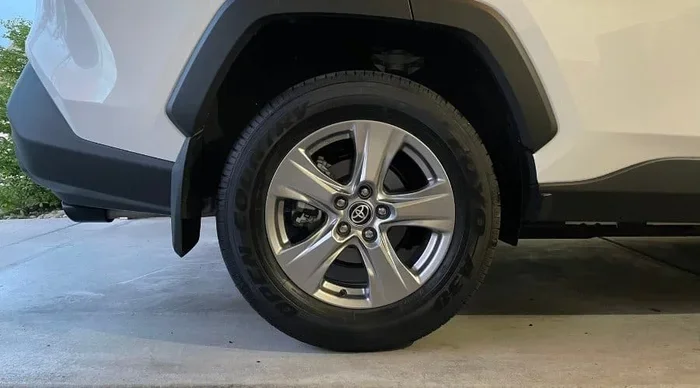
Underinflated tires create rolling resistance, which forces the engine to work harder. Check your tire pressure at least once a month. The recommended pressure for the 2012 Corolla is typically listed on the driver-side door jamb. Properly inflated tires alone can improve fuel economy by up to 3 percent.
Use Cruise Control on Highways
Maintaining a steady speed on the highway is one of the easiest ways to save fuel. Cruise control helps you avoid unnecessary speed fluctuations. This is especially effective on long, flat interstate stretches.
Avoid Excessive Idling
Idling wastes fuel without moving the car. If you expect to sit for more than a minute, turn off the engine. Modern engines use less fuel restarting than idling for extended periods. This simple habit can noticeably improve your overall MPG over time.
Follow the Maintenance Schedule
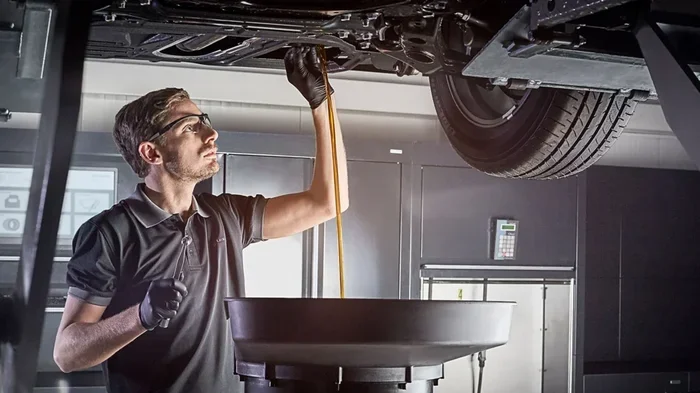
Regular maintenance keeps your Corolla running efficiently. Change your oil on schedule, replace spark plugs when needed, and keep the engine tuned. A well-maintained engine burns fuel more cleanly and efficiently. Neglecting maintenance can cause your MPG to drop by several percentage points.
Remove Unnecessary Weight
Extra weight in your car forces the engine to burn more fuel. Remove heavy items from your trunk or back seat that you do not need. Every extra 100 pounds can reduce fuel economy by about 1 percent.
Use the Right Oil
Using the manufacturer-recommended oil grade helps reduce engine friction. Lower friction means the engine works less to move the car. Check your owner manual for the correct oil specification for the 2012 Corolla.
Understanding Fuel Costs for the 2012 Corolla
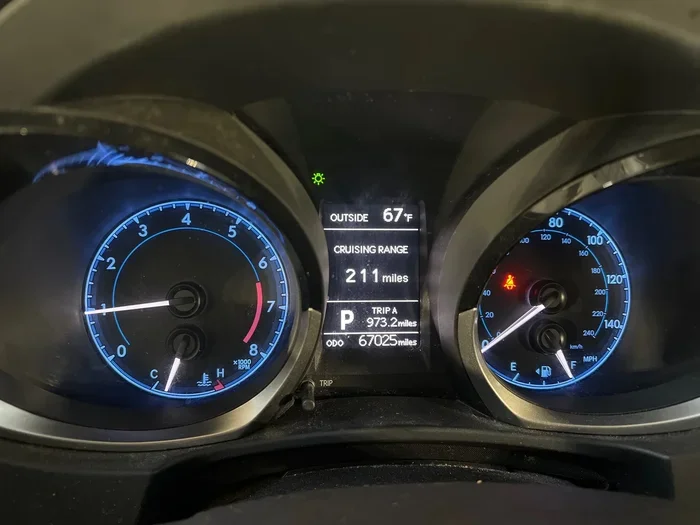
Knowing your MPG helps you estimate fuel costs. The 2012 Corolla has a fuel tank capacity of approximately 13.2 gallons. With a combined MPG of 31, a full tank gives you a range of roughly 410 miles under ideal conditions.
To estimate your monthly fuel cost, consider your average daily mileage and local gas prices. For example, if you drive 1,000 miles per month and gas costs $3.50 per gallon, you would use about 32 gallons. That comes to roughly $112 per month in fuel.
Regular fill-ups are part of car ownership. Understanding your fuel consumption helps you budget accurately. You can also track your MPG manually by resetting your trip meter and recording how many miles you drive between fill-ups.
How Age and Mileage Affect Your Corolla’s MPG
Over time, any vehicle’s fuel economy can decline. This is especially true as a car accumulates miles and ages. The 2012 Corolla is now over a decade old, so some degree of MPG loss is expected.
Engine wear, carbon buildup, and degraded seals all contribute to reduced efficiency. Worn spark plugs, dirty fuel injectors, and clogged air filters are common culprits. The good news is that many of these issues are fixable with routine maintenance.
If you notice a significant drop in your MPG, it is worth investigating. Sometimes a simple fix like replacing a clogged air filter or oxygen sensor can restore lost fuel economy. As vehicles age, their MPG can go down, but proactive care keeps the decline to a minimum.
Regular diagnostics can catch problems early. A full car diagnostic check can reveal issues that silently reduce your miles per gallon. Addressing these promptly saves both fuel and money in the long run.
Driving Habits That Improve MPG
How you drive matters just as much as how well you maintain your car. Small changes in driving behavior can lead to meaningful improvements in fuel economy.
- Accelerate Smoothly: Gentle acceleration uses less fuel than flooring the pedal. Gradual increases in speed are more efficient.
- Coast to Decelerate: Instead of braking hard, lift off the gas pedal early when you see a red light or stop sign ahead.
- Stay Within Speed Limits: Fuel efficiency drops significantly at speeds above 60 mph. Keeping a steady, legal speed saves gas.
- Plan Your Trips: Combining errands into one trip reduces cold starts and total miles driven.
- Use the Correct Gear: For manual transmission models, shifting at the right RPM prevents the engine from working too hard.
These habits may feel different at first, but they quickly become second nature. Over weeks and months, you will notice the difference at the pump.
Complete Drive Cycle: Why It Matters for MPG Accuracy
After any maintenance that resets your car’s computer, such as clearing error codes or replacing sensors, your vehicle needs a complete drive cycle to recalibrate its fuel monitoring systems. A complete drive cycle typically covers a specific range of driving conditions including city and highway segments.
Without completing a proper drive cycle, your MPG readings may not accurately reflect your actual fuel economy. The car’s computer needs time and varied driving to relearn your patterns. Understanding this helps you interpret your fuel economy data more accurately.
Common Mistakes That Hurt Your Corolla’s MPG
Avoiding common mistakes can save you from unnecessarily high fuel costs. Here are the biggest culprits that reduce MPG in the 2012 Corolla.
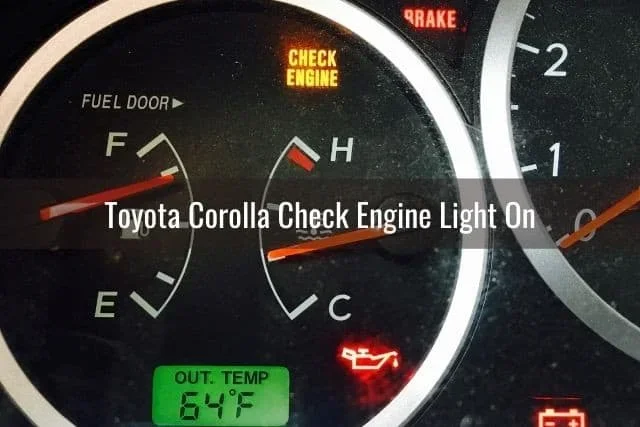
- Ignoring the Check Engine Light: Even a minor sensor issue can reduce fuel efficiency by several percent.
- Using the Wrong Gas Grade: The 2012 Corolla is designed for regular unleaded. Premium gas offers no MPG benefit.
- Roof Rack When Not in Use: Roof accessories create drag that lowers highway fuel economy.
- Aggressive Driving: Fast starts and hard stops are the fastest way to burn through fuel.
- Skipping Oil Changes: Dirty or old oil increases engine friction and reduces efficiency.
Avoiding these mistakes alone can recover several miles per gallon that you might be losing without realizing it.
Expert Tips for Long-Term Fuel Economy
Experienced Corolla owners and automotive experts share a few additional tips that go beyond the basics.
Warm Up the Engine Properly
Modern engines do not need long warm-up periods. However, driving gently for the first few minutes after startup helps the engine reach optimal operating temperature faster. This improves fuel economy from the very first mile.
Monitor Your Fuel Economy Over Time
Tracking your MPG over weeks and months helps you spot trends. A gradual decline may indicate a maintenance issue. A sudden drop could signal a serious problem that needs immediate attention.
Consider Fuel Additives Carefully
Some fuel system cleaners can help maintain engine efficiency over time. However, they are not a magic solution. Use them sparingly and only as part of a broader maintenance routine.
Final Thoughts on the 2012 Toyota Corolla MPG
The 2012 Toyota Corolla delivers solid fuel economy for a compact sedan. With an EPA rating of 28 MPG city and 36 MPG highway, it offers excellent value for daily commuters and long-distance drivers alike. Real-world results typically fall between 27 and 35 miles per gallon, depending on driving conditions and habits.
Maintaining your vehicle properly and adopting fuel-efficient driving habits are the best ways to maximize your MPG. Simple actions like checking tire pressure, following the maintenance schedule, and driving smoothly add up to significant savings over time.
If you have noticed a decline in your fuel economy as your Corolla has aged, do not worry. Many common issues are easy and affordable to fix. Regular diagnostics and prompt repairs keep your car running at its best.
The 2012 Corolla continues to prove why it remains a favorite among car buyers. Its combination of reliability, affordability, and excellent fuel economy makes it a smart choice for years to come. Whether you are buying your first used Corolla or have owned one for a decade, understanding and optimizing your MPG pays off every time you fill up.
Frequently Asked Questions
What is the EPA-rated MPG for a 2012 Toyota Corolla?
The 2012 Toyota Corolla gets an EPA rating of 28 MPG in the city, 36 MPG on the highway, and 31 MPG combined. These numbers apply to most trims, with the LE Eco trim offering slightly better figures at 30 city and 38 highway MPG.
Can I improve my 2012 Corolla’s MPG with simple changes?
Yes, many simple changes can boost your MPG. Keeping tires properly inflated, removing excess weight, using cruise control on highways, and driving smoothly all help. Regular maintenance like oil changes and air filter replacements also make a noticeable difference.
Why is my 2012 Corolla getting lower MPG than expected?
Several factors can cause lower-than-expected fuel economy. These include aggressive driving, underinflated tires, dirty air filters, worn spark plugs, and engine issues. If you notice a sudden drop, it is worth getting a full car diagnostic to identify the problem early.
How far can a 2012 Toyota Corolla go on a full tank?
With a fuel tank capacity of about 13.2 gallons and a combined MPG of 31, the 2012 Corolla can travel roughly 410 miles on a full tank under ideal conditions. Real-world range varies based on driving conditions and habits.
Does the 2012 Corolla’s MPG decrease as it ages?
Yes, MPG can decline with age due to engine wear, carbon buildup, and degraded components. However, regular maintenance and timely repairs can minimize this decline. Keeping up with your service schedule is the best way to preserve fuel economy over time.
Is premium gas better for the 2012 Toyota Corolla’s fuel economy?
No. The 2012 Corolla is designed to run on regular unleaded gasoline. Using premium gas does not improve MPG or engine performance. Stick with the manufacturer-recommended fuel grade to save money without sacrificing efficiency.