Does the Toyota Dashcam Record Audio While Driving
The Toyota dashcam system can record audio, but it depends on your specific model and settings. Many newer Toyota vehicles equipped with the Toyota Safety Sense package include a dashboard camera that captures both video and sound. Understanding how audio recording works on your Toyota dashcam helps you stay informed about privacy, legal compliance, and how to get the most from your driving footage.
Have you ever wondered whether your Toyota dashcam captures more than just video? The question of does the Toyota dashcam record audio comes up a lot among Toyota owners. Whether you use your car’s built-in camera for safety or just want peace of mind on the road, understanding the audio capabilities of your dashcam matters.
The short answer is yes, most Toyota vehicles with a dashcam system can record audio. But there are important details you need to know. From privacy laws to settings and practical tips, this guide covers everything you need about Toyota dashcam audio recording. Let’s dive in.
Toyota has made significant advances in vehicle safety and technology over the past few years. The Toyota Safety Sense suite includes features like pre-collision warning, lane departure alert, and a dashboard camera. These systems work together to give drivers a safer and more informed experience behind the wheel. But when it comes to recording sound, many owners are left guessing.
Whether you are a new Toyota owner or have been driving one for years, knowing how your dashcam handles audio can make a big difference. It affects everything from legal protection to how you review footage after an incident. So let’s break it all down in a way that is easy to understand.
Key Takeaways
- Toyota dashcams can record audio: Most models with a built-in camera system support audio capture, but it may be enabled or disabled by default.
- Privacy laws vary by region: Some states and countries require consent for audio recording, so check local regulations before relying on dashcam audio.
- You can control audio settings: Toyota allows drivers to turn audio recording on or off through the vehicle’s infotainment system.
- Audio adds value to footage: Recorded sound captures road noise, honking, and conversations that can support insurance claims and driving evidence.
- Audio quality depends on the mic: Built-in microphones in Toyota vehicles are decent but may pick up wind noise or engine hum at higher speeds.
- Maintenance matters: Keeping your car’s electronic systems in good shape, including the dashcam, ensures reliable audio and video capture.
📑 Table of Contents
How the Toyota Dashcam System Works
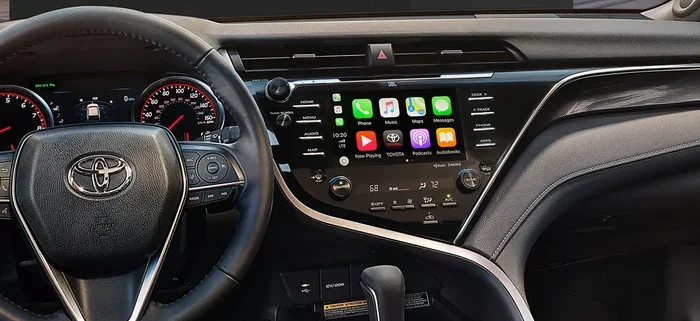
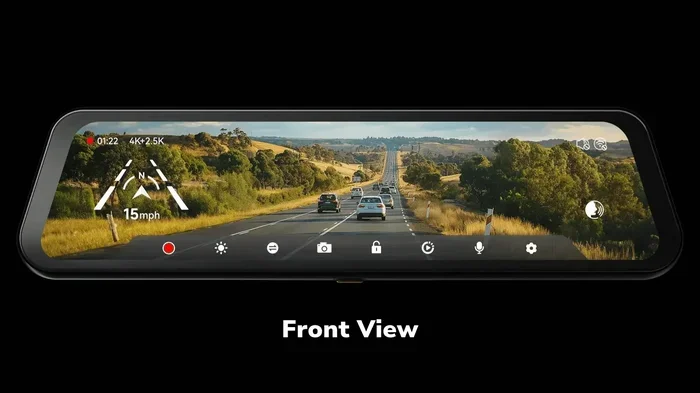
The Toyota dashcam system is built into many newer models. It uses a small camera mounted near the rearview mirror to capture the road ahead. The system records video continuously or when triggered by certain events, depending on your settings. But the audio side of things is just as important for a complete picture of what happens on the road.
Camera and Microphone Integration
Toyota vehicles that include a dashcam typically have a built-in microphone near the camera unit. This microphone picks up ambient sound inside and outside the vehicle. The audio is synced with the video footage to create a complete recording. This means you get both what you see and what you hear during your drive.
The microphone in Toyota dashcams is not a high-end studio mic. It is a small, integrated component designed to capture general sounds. You can expect it to pick up traffic noise, honking, engine sounds, and conversations inside the car. The quality is good enough for most practical purposes, especially when you need footage for insurance or legal matters.
It is also worth noting that the dashcam system shares some electrical connections with other car electronics. Just like your car tells you when you need an oil change through a dashboard alert, the dashcam relies on the vehicle’s power and data systems to function properly. Keeping these systems maintained helps ensure your dashcam records clearly.
When Does the Dashcam Activate?
Most Toyota dashcams start recording automatically when you start the engine. The system runs in a loop, recording over old footage when the memory card is full. Some models also record when the car is parked, using a motion or impact sensor to trigger recording. Audio recording typically follows the same pattern as video recording.
If your Toyota has a forward collision warning system, the dashcam may also save footage automatically when it detects a sudden stop or potential collision. This feature ensures that important moments are preserved and not overwritten by the loop recording function.
Does the Toyota Dashcam Record Audio?
This is the question most Toyota owners want answered, and the answer is not always a simple yes or no. Whether your Toyota dashcam records audio depends on several factors, including your model year, trim level, and the settings you have configured.
Models That Support Audio Recording
Most Toyota models released after 2018 come with dashcam systems that support audio recording. Models like the Toyota Camry, Toyota RAV4, Toyota Highlander, and Toyota Corolla Cross typically include this feature. The Toyota Safety Sense package, which is available on many of these models, bundles the camera and microphone into one integrated system.
Here are some Toyota models known to support audio recording through their dashcam systems:
- Toyota Camry (2018 and newer)
- Toyota RAV4 (2019 and newer)
- Toyota Highlander (2020 and newer)
- Toyota Corolla Cross
- Toyota Tacoma (select trims with camera systems)
If you own an older Toyota model or a base trim without the camera package, your vehicle may not have a built-in dashcam at all. In that case, you would need an aftermarket dashcam if you want both video and audio recording.
Models Where Audio May Be Limited
Some Toyota models have a camera system but with limited or no audio capabilities. This is more common in base trims or older model years. For example, certain 2017 and earlier Toyota models may include a camera for parking assistance but not a full dashcam with audio recording.
Always check your owner’s manual or consult your local Toyota dealer to confirm whether your specific vehicle supports audio recording. You can also visit your dealer for service and they can help you understand what your dashcam system is capable of.
Privacy and Legal Considerations
Recording audio in a vehicle raises important privacy questions. Unlike video, which captures what is visible, audio captures what is said and heard inside and around the car. This makes audio recording a sensitive topic that requires careful consideration.
Laws Around Audio Recording in Vehicles
The laws around recording audio vary significantly depending on where you live. In some places, all parties must consent to being recorded. In others, only one party (the driver) needs to give permission. These laws apply whether you are using a built-in Toyota dashcam or an aftermarket device.
Here are some general guidelines to keep in mind:
- One-party consent states: You can legally record audio as long as you are part of the conversation or in the vehicle.
- Two-party consent states: All passengers must give permission before audio is recorded.
- International laws: If you travel with your Toyota, research the audio recording laws in the countries you visit.
Ignorance of the law is not a defense, so taking a few minutes to understand your local regulations can save you from legal trouble. This is especially important if you plan to share or use dashcam footage in any legal proceeding.
Privacy for Passengers
If you frequently carry passengers, you should be transparent about the fact that your Toyota dashcam records audio. This is not only a legal courtesy in many areas but also a matter of respect. Passengers may feel uncomfortable knowing their conversations are being captured.
Toyota’s settings allow you to turn off audio recording if you prefer not to capture sound. We will cover how to do this in the next section. The key takeaway is that you have control over whether audio is recorded, and you should use that control responsibly.
How to Manage Audio Recording Settings
Good news: Toyota gives you the ability to control whether your dashcam records audio. You can turn it on, turn it off, or adjust the sensitivity of the microphone. This level of control is important for both privacy and practical reasons.
Accessing Dashcam Settings
To manage your dashcam audio settings, follow these general steps:
- Start your Toyota and let it fully power on.
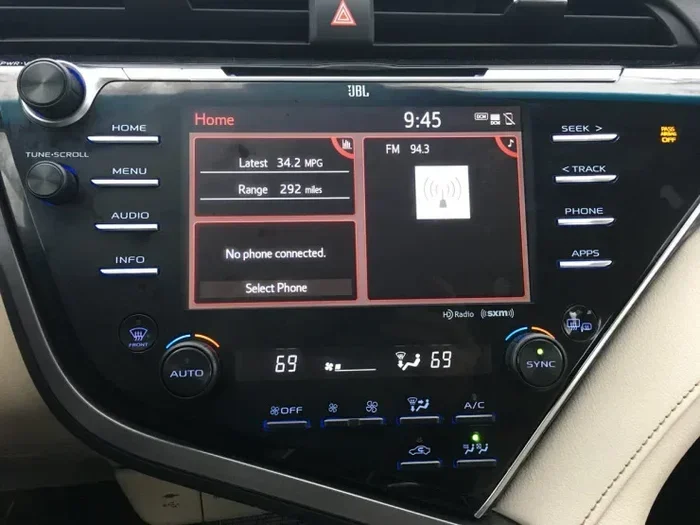
- Navigate to the settings menu on the infotainment screen.
- Look for the “Safety” or “Camera” section.
- Find the audio recording toggle or option.
- Switch it on or off based on your preference.
The exact steps may vary slightly depending on your Toyota model and the year it was made. If you cannot find the audio settings, your owner’s manual will have detailed instructions. You can also ask a service advisor at your local Toyota dealership for help.
Adjusting Microphone Sensitivity
Some Toyota models allow you to adjust the sensitivity of the dashcam microphone. This is useful if you live in a noisy area or frequently drive on highways with a lot of wind noise. Lowering the sensitivity can reduce background noise and make conversations in the vehicle clearer on the recording.
On the other hand, if you want to capture everything happening around your vehicle, you can set the sensitivity to high. This is especially useful for recording driving incidents where you need to capture honking, sirens, or other important sounds.
Turning Off Audio Recording
If you decide that you do not want your Toyota dashcam to record audio, you can simply disable the feature in the settings. This is a good option if you regularly carry passengers who may not want their conversations recorded. It is also a smart move if you are concerned about privacy laws in your area.
Remember that disabling audio does not affect video recording. Your dashcam will still capture visual footage of the road ahead, which can be just as valuable in many situations.
Benefits of Audio Recording While Driving
Now that we have covered the technical and legal aspects, let’s talk about why audio recording on your Toyota dashcam is actually a great feature. There are several practical benefits that many drivers do not think about until they need the footage.
Supporting Insurance Claims
When you file an insurance claim after an accident, video footage is incredibly helpful. But audio adds another layer of evidence. Recorded sounds can capture the other driver admitting fault, the sound of a collision, or warning honks that happened before an incident. This kind of evidence can strengthen your claim significantly.
Insurance companies often look at dashcam footage to determine fault. Having audio on top of video gives you a more complete picture of what happened. It is worth noting that your car insurance policy may cover dashcam footage as part of your claim, so it is always good to check with your provider.
Capturing Driving Incidents
Dashcam audio can capture important sounds that video alone cannot. For example, you might hear a tire blowout, a engine knocking sound, or a pedestrian calling out before an accident. These audio cues can be critical for understanding what happened and who was at fault.
Some drivers also use dashcam audio to review their own driving behavior. Hearing your own reactions, phone conversations, or music choices while driving can help you become a safer and more aware driver.
Documenting Road Trips
If you enjoy taking long road trips in your Toyota, audio recording adds a fun and memorable element to your dashcam footage. You can capture the sounds of the journey, including scenic views, funny passenger conversations, and the ambient noise of different locations.
Just remember to manage your privacy settings if you plan to share any footage on social media or with friends. Being mindful of who is captured in both video and audio is always a good practice.
Common Issues with Toyota Dashcam Audio
Like any electronic system in your Toyota, the dashcam audio feature can sometimes have issues. Understanding these common problems helps you troubleshoot and get the best performance from your dashcam.
Wind Noise and Interference
One of the most common complaints about dashcam audio is wind noise. At higher speeds, the microphone can pick up a rushing wind sound that drowns out other noises. This is especially true if your Toyota has a sunroof or if the weather stripping around the doors is worn.
You can reduce wind noise by lowering the microphone sensitivity in the settings. Parking your car in a garage or sheltered area before starting your dashcam can also help minimize wind interference.
Engine and Road Noise
The dashcam microphone will naturally pick up engine noise and road noise. This is normal and expected. However, if the noise is too loud on your recordings, it may be worth having a technician check your vehicle’s engine mounts and exhaust system. A well-maintained car produces less noise, which means cleaner dashcam audio.
Regular car maintenance, including oil changes and engine checks, can help reduce unnecessary noise. If you are unsure when your car needs service, check whether your dashboard alerts you about maintenance needs. Keeping up with your car’s service schedule benefits both the engine and the dashcam audio quality.
Microphone Not Working
If your Toyota dashcam records video but has no audio, the microphone may be malfunctioning. This can happen due to a loose connection, a software glitch, or a hardware failure. Try restarting your vehicle and checking the audio settings first. If the problem persists, a visit to the Toyota dealer for diagnostics may be needed.
Sometimes the issue is as simple as a full memory card or a corrupted file. Clearing the dashcam storage or resetting the system often resolves the problem. If you have trouble, you can also visit a Toyota dealer for professional service to get everything working again.
Expert Tips for Getting the Best Dashcam Audio
Getting the most out of your Toyota dashcam audio comes down to a few simple practices. These tips are based on common experiences from Toyota owners and dashcam enthusiasts.
Keep the Camera Clean
A dirty camera lens affects video quality, but it can also impact the microphone’s performance. Dust and debris around the camera unit can block or muffle the microphone. Wipe the camera area regularly with a soft cloth to keep it clean and functioning well.
Use a Quality Memory Card
The memory card in your Toyota dashcam stores both video and audio files. A high-quality, high-speed memory card ensures that audio is recorded clearly without interruptions or data loss. Look for cards rated for continuous recording and rated at least Class 10 or U3 speed.
Be Mindful of Cabin Noise
Loud music, open windows, and noisy passengers can all affect the quality of dashcam audio. If you want clear audio recordings, keep the cabin noise to a minimum. This is especially important if you plan to use the footage as evidence in any situation.
Review Your Footage Regularly
Make it a habit to review your dashcam footage periodically. This helps you ensure that both audio and video are recording properly. It also gives you a chance to delete any footage you do not want stored on your memory card, which helps protect your privacy.
Understand Your Car’s Electronic Systems
Your Toyota dashcam is part of a larger network of electronic systems in your vehicle. Just as Autozone can help you clear check engine lights and diagnose issues, understanding how your car’s systems work together helps you maintain better dashcam performance. A healthy electrical system means more reliable audio and video recording.
Conclusion
The Toyota dashcam is a valuable safety feature, and the ability to record audio adds significant value to the footage it captures. Whether you need audio for insurance claims, driving evidence, or simply documenting your journeys, understanding how your Toyota dashcam handles sound is essential.
Most modern Toyota vehicles support audio recording through their built-in dashcam systems, but the feature can be managed through your vehicle’s settings. Privacy laws, microphone quality, and cabin noise all play a role in how effective your dashcam audio is in practice.
Take the time to explore your Toyota dashcam settings, understand the legal implications of audio recording, and follow the expert tips in this guide. By doing so, you will get the most out of your dashcam and feel confident every time you hit the road. Your Toyota is packed with smart technology, and the dashcam with audio recording is one of the best tools you have for staying safe and protected.
Frequently Asked Questions
Can I record audio with my Toyota dashcam if I have an older model?
Older Toyota models may not have a built-in dashcam with audio recording capabilities. If your vehicle does not include the camera system, you can install an aftermarket dashcam that supports audio. Check your owner’s manual or consult a Toyota dealer to see what your specific model offers.
Is it legal to record audio in my Toyota dashcam?
The legality of recording audio depends on your local laws. Some regions require all parties to consent, while others only require one party. Research your state or country’s laws before relying on dashcam audio, and always inform passengers if recording is enabled.
Can I turn off audio recording on my Toyota dashcam?
Yes, most Toyota models allow you to disable audio recording through the infotainment settings. This is useful for privacy reasons or when carrying passengers who may not want their conversations recorded. The option is typically found in the camera or safety settings menu.
Does the Toyota dashcam record audio when parked?
Some Toyota models with a dashcam system can record audio while parked, but this depends on your settings. Parking mode recording is usually triggered by motion or impact sensors. Check your owner’s manual for specific details about parking mode audio recording.
How good is the audio quality on the Toyota dashcam?
The built-in microphone in Toyota dashcams captures decent audio for general purposes. It handles traffic noise, honking, and cabin conversations well. However, it may struggle with wind noise at high speeds or very loud engine sounds. Adjusting the microphone sensitivity can help improve quality.
Can dashcam audio be used as evidence in court?
Yes, dashcam audio can be used as evidence, provided it was recorded legally. The audio can support video footage by capturing sounds that help establish what happened during an incident. Always ensure your recording complies with local privacy laws to maintain its admissibility.