Should You Use Synthetic Oil in a 2016 Toyota Corolla
The 2016 Toyota Corolla works great with synthetic oil, and many owners see better engine protection and fuel efficiency as a result. Toyota recommends 0W20 or 5W20 viscosity, and switching to full synthetic can extend your oil change intervals while keeping the engine cleaner. Let us walk you through everything you need to know about using synthetic oil in your 2016 Corolla.
Every car owner wants the best for their vehicle. And when it comes to engine oil, the choices can feel overwhelming. Should you stick with conventional oil or make the switch to synthetic? If you drive a 2016 Toyota Corolla, this question probably has crossed your mind at least once.
The good news is that the 2016 Toyota Corolla handles synthetic oil very well. In fact, many Toyota enthusiasts and mechanics agree that full synthetic oil can offer superior protection for your engine. But before you pour anything into your crankcase, it helps to understand what synthetic oil actually does and why it might be the right choice for your Corolla.
This guide covers everything you need to know. We will look at what Toyota recommends, the benefits of synthetic oil, the differences between oil types, and how to choose the right viscosity. By the end, you will feel confident making the best decision for your 2016 Corolla.
Let us start with the basics. Engine oil lubricates every moving part inside your engine. Without it, metal would grind against metal, and your engine would seize up in seconds. So choosing the right oil type is not just a detail. It is one of the most important things you can do for your car’s longevity.
Key Takeaways
- Toyota Approves Synthetic Oil: The 2016 Corolla can safely use full synthetic oil, and it may offer better protection than conventional options.
- Viscosity Matters: Stick with 0W20 or 5W20 as recommended by Toyota for the best engine performance and fuel economy.
- Longer Oil Change Intervals: Synthetic oil lasts longer than conventional oil, which means fewer trips to the shop.
- Better Engine Protection: Full synthetic oil resists breakdown better, keeping your Corolla engine clean and running smoothly.
- Check Your Owner’s Manual: Always verify the oil specifications in your manual before making any changes.
- Switching Is Safe: You can switch from conventional to synthetic oil without harming your engine, even if you have higher mileage.
📑 Table of Contents
- What Type of Oil Does the 2016 Toyota Corolla Use?
- Synthetic Oil vs Conventional Oil: What Is the Difference?
- Benefits of Using Synthetic Oil in a 2016 Toyota Corolla
- Can You Switch to Synthetic Oil in an Older Corolla?
- How Often Should You Change Synthetic Oil in a 2016 Corolla?
- Choosing the Right Synthetic Oil Brand for Your Corolla
- Does Synthetic Oil Affect Gas Mileage in a Corolla?
- Common Mistakes to Avoid When Changing Oil in a 2016 Corolla
- Expert Insights: What Mechanics Say About Synthetic Oil in the 2016 Corolla
- Final Thoughts: Is Synthetic Oil Worth It for a 2016 Toyota Corolla?
What Type of Oil Does the 2016 Toyota Corolla Use?
Toyota has clear guidelines for the 2016 Corolla. The owner’s manual specifies the oil type and viscosity that works best. Most 2016 Corolla models use 0W20 viscosity oil. This is a thin, lightweight oil that flows easily even in cold weather.
Toyota also accepts 5W20 as an alternative in some climates. The “W” stands for winter, and the number before it tells you how the oil behaves in cold temperatures. A lower number means the oil flows better when it is cold outside.
Now, does Toyota require synthetic oil for the 2016 Corolla? Not exactly. Toyota permits both conventional and synthetic oil. However, synthetic blends and full synthetic options are becoming more popular among Corolla owners. Many people choose synthetic because it offers better thermal stability and longer-lasting protection.
If you are unsure what your specific model needs, check the oil cap under your hood. It usually has the recommended viscosity printed right on it. You can also flip through your owner’s manual for the official specification. And if you want to explore whether different viscosity options work for your Corolla, check out our guide on using 5W20 instead of 0W20 in a Corolla for more details.
Understanding Oil Viscosity Ratings
Viscosity ratings can look like a secret code. But they are actually straightforward once you break them down. The first number (like the “0” in 0W20) measures how the oil flows at cold temperatures. The “W” stands for winter. The second number (the “20”) measures viscosity at operating temperature.
Lower numbers mean thinner oil. Thinner oil flows faster and reaches engine parts more quickly after startup. This is especially important during cold mornings when your engine has been sitting overnight.
For the 2016 Corolla, 0W20 is the primary recommendation. It flows quickly in cold weather and stays thin enough at operating temperature to reduce engine drag. This helps with fuel efficiency, which is something every Corolla owner appreciates.
Synthetic Oil vs Conventional Oil: What Is the Difference?
This is one of the most common questions among car owners. And the answer matters a lot for your 2016 Corolla. Let us break it down simply.
Conventional oil is derived directly from crude oil. It has been refined and processed, but it still contains some natural impurities. It works fine for most engines and has been the standard for decades.
Synthetic oil, on the other hand, is engineered in a lab. It is built from chemically modified compounds designed to perform better under extreme conditions. The molecules in synthetic oil are more uniform, which gives it several advantages.
Here is a quick comparison:
- Conventional Oil: Affordable, widely available, and perfectly adequate for normal driving conditions. It breaks down faster under high heat and needs to be changed more often.
- Synthetic Blend: A mix of conventional and synthetic oil. It offers better protection than pure conventional oil at a moderate price point.
- Full Synthetic Oil: The highest-performing option. It resists thermal breakdown, flows better in cold weather, and lasts longer between changes.
For the 2016 Toyota Corolla, full synthetic oil is an excellent choice. It provides the best engine protection and can help your engine run cleaner for longer. If you want to understand more about whether the type of oil really matters, we have a detailed breakdown in our article on whether it really matters what oil you put in your car.
Benefits of Using Synthetic Oil in a 2016 Toyota Corolla
Switching to synthetic oil in your 2016 Corolla comes with real, tangible benefits. Let us go through them one by one.
Better Engine Protection
Synthetic oil forms a stronger film between engine parts. This means less metal-on-metal contact, even under heavy load or high temperatures. Over time, this reduces wear and tear on your engine components.
The 2016 Corolla uses a 1.8-liter or 2.0-liter engine depending on the trim. Both engines benefit from the superior lubrication that synthetic oil provides. You will notice smoother operation and potentially fewer issues down the road.
Improved Fuel Efficiency
Synthetic oil is thinner and flows more easily than conventional oil. This means your engine does not have to work as hard to pump oil through the system. Less effort means better fuel economy.
For a car like the Corolla, which is already known for its efficiency, every small improvement counts. Many owners report a slight bump in miles per gallon after switching to synthetic oil.
Longer Oil Change Intervals
One of the biggest advantages of synthetic oil is its longevity. Conventional oil typically needs to be changed every 3,000 to 5,000 miles. Synthetic oil can often go 7,500 to 10,000 miles between changes.
This means fewer oil changes over the life of your car. Fewer trips to the shop means saving time and money. However, always check your owner’s manual and follow Toyota’s recommended service schedule.
Better Performance in Extreme Temperatures
Whether you live in a freezing northern climate or a hot desert environment, synthetic oil handles it better. It does not thicken excessively in the cold or thin out too much in extreme heat.
This thermal stability keeps your 2016 Corolla engine protected year-round. It is especially helpful during those scorching summer months when engine temperatures can climb high.
Can You Switch to Synthetic Oil in an Older Corolla?
A common concern is whether switching to synthetic oil is safe for higher-mileage vehicles. The short answer is yes. Modern synthetic oils are safe for all engines, including older ones.
Some people worry that synthetic oil might cause leaks in older engines. This is a myth. Synthetic oil is actually cleaner and helps remove sludge buildup. If your engine has been using conventional oil for years, switching to synthetic may even clean out some of the deposits inside.
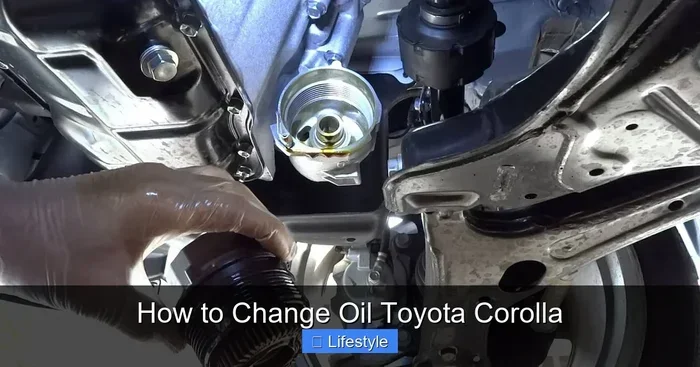
If your 2016 Corolla has higher mileage, synthetic oil can be a great choice. It helps protect worn seals and keeps the engine running smoother. For more tips on maintaining your Corolla, you might also want to read about changing your Corolla’s oil yourself as a DIY project.
When to Make the Switch
There is no bad time to switch to synthetic oil in your 2016 Corolla. Whether your car has 30,000 miles or 150,000 miles, synthetic oil will work. The key is to make the switch at a normal oil change interval and not wait until your engine is in trouble.
If you have been using conventional oil for years, the first synthetic oil change might reveal a cleaner engine than you expected. That is because synthetic oil is better at suspending and removing contaminants.
How Often Should You Change Synthetic Oil in a 2016 Corolla?
Toyota’s recommended oil change interval for the 2016 Corolla is typically every 5,000 to 10,000 miles when using synthetic oil. The exact interval depends on your driving conditions and habits.
If you drive in severe conditions, you should change your oil more frequently. Severe conditions include:
- Frequent short trips under five miles
- Driving in extreme heat or cold
- Towing or carrying heavy loads
- Stop-and-go traffic for long periods
- Dusty or off-road driving conditions
For most daily commuters driving normal distances, synthetic oil can comfortably go 7,500 to 10,000 miles. But always trust your owner’s manual first. And if you want to learn more about oil change frequency, our article on whether you really need to change synthetic oil every 6 months has helpful insights.
Signs Your Oil Needs Changing
Even with synthetic oil, you should watch for warning signs. These include:
- Dark or dirty oil on the dipstick
- A burning oil smell inside the cabin
- Unusual engine noises like ticking or knocking
- The maintenance required light is on
- Decreased fuel efficiency
If you notice any of these, check your oil level and condition right away. Neglecting an oil change can lead to serious engine damage over time.
Choosing the Right Synthetic Oil Brand for Your Corolla
Not all synthetic oils are created equal. When shopping for oil for your 2016 Corolla, look for products that meet Toyota’s specifications. The key certification to look for is API SN or SP rating.
Some popular synthetic oil brands that work well with the 2016 Corolla include:
- Mobil 1 Extended Performance: A trusted full synthetic option with excellent thermal protection.
- Castrol EDGE: Known for its strong film strength and engine protection.
- Valvoline SynPower: A great value synthetic oil with solid performance.
- Toyota Genuine Synthetic Oil: The OEM option, specifically formulated for Toyota engines.
Using a quality oil filter matters just as much as the oil itself. A good filter removes contaminants and keeps your engine clean. If you are curious about oil filter quality, check out our article on whether Toyota oil filters are good.
Quick Tips for Buying Synthetic Oil
- Always check the viscosity rating before purchasing. For the 2016 Corolla, use 0W20 or 5W20.
- Look for API SN or SP certification on the bottle.
- Buy from reputable sellers to avoid counterfeit products.
- Consider purchasing a oil change kit that includes both oil and a filter.
- Store oil in a cool, dry place if you buy in bulk.
Does Synthetic Oil Affect Gas Mileage in a Corolla?
Many owners wonder if synthetic oil can improve fuel economy. The answer is yes, but the improvement is usually modest. Synthetic oil reduces internal engine friction, which means the engine does not waste energy overcoming that friction.
For a fuel-efficient car like the 2016 Corolla, even a small improvement matters. Over thousands of miles, those small gains can add up to real savings at the pump.
However, do not expect a dramatic change. Synthetic oil helps maintain your car’s existing fuel efficiency rather than turning it into a hybrid. If you want to learn more about how different factors affect your Corolla’s fuel economy, we have more information available on related topics.
Common Mistakes to Avoid When Changing Oil in a 2016 Corolla
Even with the right oil, mistakes during an oil change can cause problems. Here are some common errors to watch out for:
- Overfilling the oil: Too much oil can cause foaming and reduced lubrication. Always check the level with the dipstick after adding oil.
- Using the wrong viscosity: Stick with 0W20 or 5W20. Using a thicker oil like 10W30 can reduce fuel efficiency and engine performance.
- Skipping the oil filter: Always replace the oil filter with every oil change. A clogged filter can restrict oil flow and damage your engine.
- Not tightening the drain plug properly: A loose drain plug leads to oil leaks. Make sure it is snug but do not overtighten it.
- Ignoring the maintenance light: After an oil change, reset your maintenance light if needed. If you are unsure how, check our guide on driving with a maintenance required light on for helpful tips.
Avoiding these simple mistakes will keep your 2016 Corolla running smoothly and protect your engine for years to come.
Expert Insights: What Mechanics Say About Synthetic Oil in the 2016 Corolla
Most Toyota mechanics agree that synthetic oil is an excellent choice for the 2016 Corolla. According to experienced technicians, synthetic oil provides better protection, especially for the 1.8-liter and 2.0-liter engines found in this generation.
One mechanic shared that he has seen Corollas with over 200,000 miles running strong thanks to consistent synthetic oil changes. Another noted that synthetic oil helps reduce sludge buildup in engines that have mostly experienced city driving.
The general consensus among professionals is clear: synthetic oil is a worthwhile investment for the 2016 Toyota Corolla. It costs a bit more upfront than conventional oil, but the extended drain intervals and superior protection make it cost-effective over time.
Final Thoughts: Is Synthetic Oil Worth It for a 2016 Toyota Corolla?
After covering all the details, the answer is clear. Yes, synthetic oil is an excellent choice for the 2016 Toyota Corolla. It provides superior engine protection, better fuel efficiency, and longer intervals between oil changes.
Toyota does not mandate synthetic oil for the 2016 Corolla, but it certainly does not hurt. If you want the best possible care for your engine, full synthetic oil is the way to go.
Remember to stick with the recommended viscosity of 0W20 or 5W20. Choose a reputable brand that meets API SN or SP standards. And follow your owner’s manual for the correct oil change interval.
Your 2016 Corolla has served you well. Giving it the right oil is one of the simplest and most effective ways to keep it running strong for many more miles to come.
Frequently Asked Questions
Can I use 5W20 instead of 0W20 in my 2016 Toyota Corolla?
Yes, 5W20 is an acceptable alternative to 0W20 for the 2016 Toyota Corolla. Both viscosities meet Toyota’s specifications and provide excellent engine protection. The main difference is how they perform in cold weather, with 0W20 flowing slightly better at lower temperatures.
Is synthetic oil required for a 2016 Toyota Corolla?
No, synthetic oil is not strictly required. Toyota permits both conventional and synthetic oil for the 2016 Corolla. However, synthetic oil offers better protection, longer intervals, and improved fuel efficiency, making it a popular choice among owners.
How much synthetic oil does a 2016 Toyota Corolla take?
The 2016 Toyota Corolla with a 1.8-liter engine typically takes about 4.2 quarts of oil with the filter. The 2.0-liter variant may require slightly more. Always double-check your owner’s manual for the exact capacity and consider our guide on oil capacity for similar models.
How often should I change synthetic oil in my 2016 Corolla?
Toyota recommends changing synthetic oil every 5,000 to 10,000 miles for the 2016 Corolla. If you drive in severe conditions like extreme heat, short trips, or heavy traffic, you should stick to the shorter interval of 5,000 miles.
Will switching to synthetic oil cause leaks in my older Corolla?
No, this is a common myth. Synthetic oil is actually cleaner and helps dissolve sludge and deposits. It does not cause leaks. If you notice a leak after switching, it is likely unrelated to the oil type and should be inspected by a mechanic.
Can I mix synthetic oil with conventional oil in my 2016 Corolla?
Yes, you can mix synthetic and conventional oil in an emergency. They are generally compatible. However, mixing them dilutes the benefits of synthetic oil. It is best to stick with one type consistently for optimal engine protection.