Does Toyota Sequoia Require Premium Gas to Run Well
The Toyota Sequoia does not require premium gas. It runs perfectly well on regular unleaded gasoline with an octane rating of 87. While the owner’s manual lists 91 octane as the recommended fuel type, Toyota engineers designed the engine to adapt and run safely on lower octane without causing damage. Using premium gas may offer slight benefits, but it is not necessary for the engine to run well or last long.
So you just bought or are thinking about buying a Toyota Sequoia. Congratulations! This full-size SUV is a beast. It is spacious, powerful, and built to handle just about anything you throw at it. But then you see the fuel section in the owner’s manual, and a question pops into your head: does Toyota Sequoia require premium gas?
It is a fair question. With gas prices always fluctuating, nobody wants to spend extra money if they do not have to. The good news is that the answer is simpler than you might think. The Toyota Sequoia does not require premium gas to run well. It is designed to work with regular unleaded fuel. But there are some important details you should know before you pull into the gas station. Let us break it all down.
Key Takeaways
- The Toyota Sequoia runs on regular gas: 87 octane unleaded is perfectly fine and will not harm the engine.
- Premium gas is recommended but not required: Toyota suggests 91 octane for optimal performance, but the engine adjusts automatically.
- Using regular gas saves money: You can save hundreds of dollars per year at the pump without sacrificing engine health.
- The Sequoia has a knock sensor: This smart feature detects knocking and adjusts timing to prevent damage when using lower octane fuel.
- Premium gas offers marginal benefits: Slightly better power and smoothness, but the difference is barely noticeable in daily driving.
- Always check your owner’s manual: It contains the official fuel recommendations for your specific model year.
- Fuel type does not affect long-term reliability: The average life of a Toyota Sequoia remains strong regardless of the octane you choose.
📑 Table of Contents
- What Kind of Gas Does a Toyota Sequoia Need?
- Premium vs Regular Gas: What Is the Real Difference?
- What Happens If You Put Regular Gas in a Toyota Sequoia?
- Does Premium Gas Improve Toyota Sequoia Performance?
- Tips for Saving Money on Gas for Your Toyota Sequoia
- How Fuel Choice Affects the Long-Term Life of Your Sequoia
- Final Verdict: Should You Use Premium Gas in Your Toyota Sequoia?
What Kind of Gas Does a Toyota Sequoia Need?
Every vehicle comes with a fuel recommendation from the manufacturer. For the Toyota Sequoia, the answer depends on your model year and engine type. Most Sequoias come with a powerful V8 engine that can handle different octane levels. Here is what you need to know.
The official Toyota Sequoia fuel requirements state that the vehicle can run on regular unleaded gasoline with an octane rating of 87. This is the same fuel you put in most everyday cars. However, Toyota also lists 91 octane premium gasoline as the recommended fuel type for best performance. That word “recommended” is key. It does not say “required.”
If you look at the fuel door of your Sequoia, you will usually find a sticker. This sticker tells you the minimum octane rating the engine accepts. For most model years, it says 87. That means you are free to use regular gas without any worries. The engine will simply adjust its timing and performance to match the fuel you are using.
It is also worth noting that the Sequoia has been around since 2001. Over the years, Toyota has refined the engine management system. Modern Sequoias from 2008 onward have even smarter systems that detect fuel quality and make automatic adjustments. So whether you fill up with regular or premium, the engine handles it just fine.
Understanding Octane Ratings
Not all gas is created equal. At the pump, you typically see three options: 87 octane (regular), 89 octane (mid-grade), and 91 or 93 octane (premium). The octane rating measures how well the fuel resists “knocking” or “pinging” inside the engine. Higher octane means the fuel can handle more compression before igniting.
Here is a quick breakdown of what those numbers mean:
- 87 Octane (Regular): The most common and affordable fuel. Works great for most everyday vehicles.
- 89 Octane (Mid-Grade): A step up from regular. Some high-compression engines benefit from this level.
- 91+ Octane (Premium): The highest level. Designed for high-performance and luxury engines that need more resistance to knocking.
The Toyota Sequoia’s engine is built to run on all three levels. But it does not need premium to function properly. Using regular gas will not cause any problems. The engine is smart enough to compensate for the lower octane level.
Premium vs Regular Gas: What Is the Real Difference?
Many people assume premium gas is “better” for every vehicle. That is simply not true. Premium gas costs more because it has a higher octane rating. It does not contain more energy or clean your engine better. In most cases, the only real difference is the price tag at the pump.
Let us look at this from a practical standpoint. If you drive a Toyota Sequoia and always use premium gas, you are paying extra for something your engine does not actually need. The V8 engine in the Sequoia is designed to run efficiently on regular fuel. It will produce the same power, the same torque, and the same towing capability whether you use 87 or 91 octane.
Some people claim they can feel a difference when using premium gas. And that might be true in certain situations. For example, if you are towing a heavy trailer up a steep mountain pass, premium gas might give you a slight edge in throttle response. But for normal daily driving around town, the difference is essentially unnoticeable.
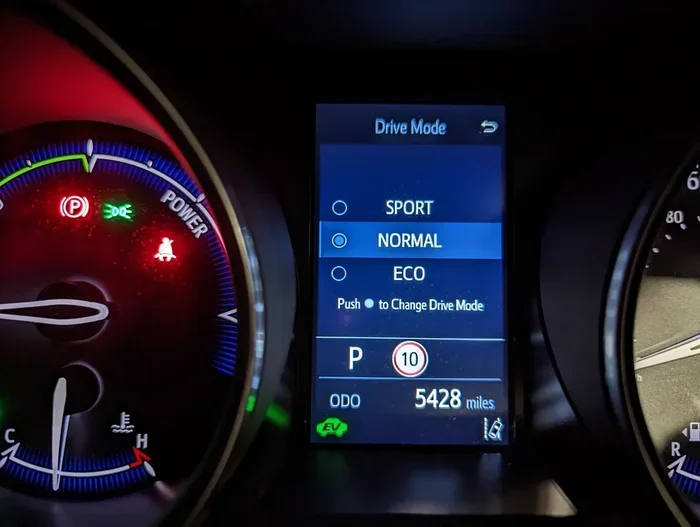
If you are curious about how your fuel choice affects overall efficiency, you might want to check out how much mileage eco mode saves. It is a great way to learn more about getting the most out of every gallon.
What Happens If You Put Regular Gas in a Toyota Sequoia?
This is one of the most common questions car owners ask. The short answer is: nothing bad happens. The Toyota Sequoia is built to handle regular unleaded gas just fine. The engine has a built-in knock sensor that detects any pinging or knocking caused by lower octane fuel. When it detects this, the sensor adjusts the ignition timing slightly to prevent damage.
So even if you accidentally fill up with 87 octane when the manual says 91 is recommended, your engine will be okay. You might notice a very slight reduction in power under heavy load. But for normal driving, you will not feel a thing. And your engine will not suffer any long-term harm.
Some owners worry that using regular gas will void their warranty. That is not the case. Toyota does not require you to use premium gas to keep your warranty valid. As long as you are using the minimum octane rating listed on the fuel door sticker, you are within the manufacturer’s guidelines.
It is also worth mentioning that does it really matter what oil I put in my car is a related question many Sequoia owners ask. The same logic applies. Using the right grade of oil matters, but the fuel type is far more flexible than most people think.
When Might Premium Gas Make Sense?
There are a few situations where using premium gas in your Sequoia might make sense. These are not requirements, but they are worth considering:
- Heavy towing: If you regularly tow a large boat, trailer, or camper, premium gas may help maintain peak performance under stress.
- High-altitude driving: At high elevations, air pressure changes can affect engine combustion. Premium gas can sometimes help compensate for this.
- Hot climates: In very hot weather, engines are more prone to knocking. Premium fuel’s higher octane can help prevent this.
- Hauling heavy loads: If you are carrying maximum cargo capacity, the engine works harder and premium fuel can support that demand better.
For the average driver who uses their Sequoia for commuting, school runs, and weekend trips, regular gas is perfectly fine. You do not need to spend extra money on premium unless you fall into one of the categories above.
Does Premium Gas Improve Toyota Sequoia Performance?
Now let us get to the heart of the matter. If premium gas is not required, does it actually improve performance? The honest answer is: barely.
Toyota engineers tested the Sequoia engine with different fuel types before releasing the vehicle. They found that the engine performs well on regular gas and only sees marginal gains with premium fuel. These gains are so small that most drivers would never notice them in real-world conditions.
Here is what you might see with premium gas versus regular gas:
- Horsepower: A difference of about 1 to 3 horsepower. You will not feel this on the highway or in city traffic.
- Throttle response: Slightly quicker feel under heavy acceleration, but only noticeable if you are paying close attention.
- Engine smoothness: Premium gas may reduce minor vibrations at idle, but again, the difference is very subtle.
- Fuel economy: There is virtually no difference in miles per gallon between regular and premium in the Sequoia.
So if you are hoping premium gas will turn your Sequoia into a rocket ship, you will be disappointed. The vehicle is already plenty powerful with regular gas. The V8 engine produces around 381 horsepower in most model years, and that number does not change much based on fuel type.
If you are interested in maximizing your fuel economy, another helpful resource is whether a cabin air filter affects gas mileage. Small maintenance choices like this can add up over time.
Tips for Saving Money on Gas for Your Toyota Sequoia
Since the Sequoia is a large vehicle, it is no secret that it drinks gas. A full-size SUV like the Sequoia is not going to get the same fuel economy as a compact car. But there are plenty of ways to save money at the pump without sacrificing performance.
Here are some practical tips that every Sequoia owner should know:
- Stick with regular gas. You will save anywhere from 20 to 50 cents per gallon compared to premium. Over a full tank, that adds up quickly.
- Drive smoothly. Avoid hard acceleration and sudden braking. Smooth driving can improve your fuel economy by up to 10 percent.
- Keep your tires properly inflated. Underinflated tires create more rolling resistance, which means your engine works harder and uses more fuel.
- Remove unnecessary weight. The Sequoia is already a heavy vehicle. Every extra pound means more fuel consumption. Clean out your cargo area and only carry what you need.
- Use cruise control on the highway. Maintaining a steady speed is more fuel-efficient than constantly changing pace.
- Check your air filter regularly. A clean engine air filter helps the engine breathe better and burn fuel more efficiently. If you are wondering whether maintenance items like this affect your fuel costs, it is worth looking into whether Jiffy Lube changes engine air filters as part of their service packages.
- Plan your trips wisely. Combining errands into one trip and avoiding rush hour traffic can save you a surprising amount of gas over time.
These tips work for any vehicle, but they are especially helpful for large SUVs like the Sequoia. The savings might seem small at first, but they add up over months and years of driving.
How Fuel Choice Affects the Long-Term Life of Your Sequoia
One question we hear often is whether fuel type affects how long a Toyota Sequoia lasts. The answer is reassuring: it does not really matter for long-term reliability.
The average life of a Toyota Sequoia is around 200,000 to 300,000 miles when properly maintained. And proper maintenance means regular oil changes, timely brake replacements, and using the right type of fuel. But the fuel type does not make or break the engine’s lifespan. Whether you use regular or premium, the Sequoia will last a long time as long as you follow the maintenance schedule.
Toyota built the Sequoia to be durable and reliable. The engine is a workhorse that has proven itself over two decades of production. It is designed to handle different fuel qualities and still deliver dependable performance year after year.
If you want to learn more about how long your Sequoia can last with proper care, you can check out our detailed guide on the average life of a Toyota Sequoia. It covers everything from engine longevity to maintenance tips that keep your vehicle running strong.
Final Verdict: Should You Use Premium Gas in Your Toyota Sequoia?
Let us settle this once and for all. The Toyota Sequoia does not require premium gas to run well. Regular unleaded gasoline at 87 octane is perfectly sufficient for everyday driving. The engine is engineered to adapt and perform well regardless of the octane level you choose.
Premium gas is listed as the recommended fuel type in the owner’s manual, but “recommended” is not the same as “required.” Toyota gives you the freedom to choose. You can save a significant amount of money over the life of your vehicle by sticking with regular gas. And you will not sacrifice a thing in terms of engine health, power, or reliability.
If you do a lot of heavy towing or live in an area with extreme temperatures, premium gas might offer a slight advantage. But for the vast majority of Sequoia owners, regular gas is the smart and practical choice. Put the money you save toward other maintenance items that actually matter, like quality oil changes and timely tire rotations.
At the end of the day, the Toyota Sequoia is a forgiving and well-engineered vehicle. It does not need expensive premium fuel to be at its best. Treat it well, use the right grade of fuel, and it will serve you reliably for hundreds of thousands of miles.
And if you are ever unsure about what your specific model needs, always refer to the owner’s manual or ask your local Toyota dealer. They can give you the exact fuel requirements for your Toyota Sequoia based on the model year and engine configuration. Staying informed is the best way to keep your vehicle running strong and your wallet happy.
Frequently Asked Questions
Can I use 87 octane gas in my Toyota Sequoia?
Yes, absolutely. The Toyota Sequoia is designed to run on regular unleaded gasoline with an octane rating of 87. This is the minimum fuel requirement listed in the owner’s manual and on the fuel door sticker. Using 87 octane will not harm the engine or void your warranty.
What happens if I accidentally put premium gas in my Toyota Sequoia?
Nothing bad will happen. Premium gas is actually better than what the engine requires, so it will simply run a bit smoother. However, you will be paying extra for fuel your engine does not need. There is no benefit that justifies the higher cost for everyday driving.
Does the Toyota Sequoia need premium gas for towing?
Not necessarily. The Sequoia can tow heavy loads on regular gas without any issues. However, if you are towing at maximum capacity in extreme conditions like high heat or steep mountain grades, premium gas may offer a slight performance advantage. For normal towing, regular gas is perfectly fine.
Will using regular gas reduce the life of my Toyota Sequoia engine?
No. The Toyota Sequoia engine is built with a knock sensor that automatically adjusts ignition timing when using lower octane fuel. This prevents any damage from engine knocking. The engine will last just as long on regular gas as it would on premium gas when properly maintained.
How much money can I save by using regular gas instead of premium?
The savings depend on gas prices and how much you drive, but you can expect to save roughly 20 to 50 cents per gallon. For a vehicle like the Sequoia with a large fuel tank, this can add up to several hundred dollars per year. Over the life of the vehicle, these savings can be significant.
Is the Toyota Sequoia good on gas?
Compared to other full-size SUVs, the Sequoia is reasonably efficient. It is not a gas sipper, but it is not the worst either. Using regular gas instead of premium helps keep your fuel costs lower. For more information on fuel efficiency, you might also want to check if are Toyota Tundras good on gas, as the Tundras share similar powertrains.