Why Is My Collision Mitigation Braking System Light On
The Collision Mitigation Braking System light can turn on for many reasons, from a dirty sensor to a serious brake actuator problem. Understanding what triggers this warning helps you stay safe and avoid costly repairs. This guide walks you through every common cause, simple fix, and when to visit a mechanic for CMBS light issues.
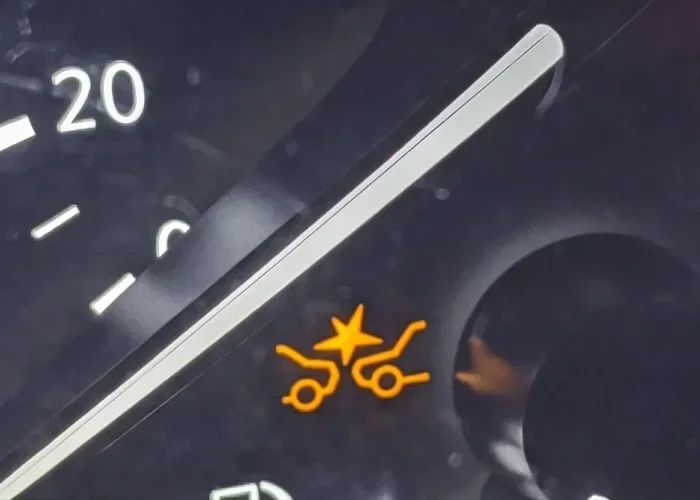
You are driving down the road, and suddenly, a yellow or red warning light pops up on your dashboard. It says something about your Collision Mitigation Braking System. Your heart skips a beat. What does it mean? Is your car about to break down? Should you pull over right now?
Take a deep breath. In most cases, a CMBS light does not mean your car is going to stop working entirely. It means the collision avoidance system has detected an issue and is alerting you. This system is designed to keep you safe, and when it lights up, it is trying to tell you something important.
In this article, we will walk through every reason your collision mitigation braking system light might be on. We will cover simple fixes you can do at home and serious issues that need a mechanic. By the end, you will know exactly what to do next.
Key Takeaways
- Dirty or blocked radar sensor: Debris on the front windshield is the most common trigger for the CMBS warning light.
- Low brake fluid level: The collision mitigation system relies on proper hydraulic pressure to function correctly.
- Sensor calibration issues: After windshield replacement or front-end repairs, the Honda collision mitigation system may need recalibration.
- Wiring or electrical faults: Damaged connectors or corroded wires can disrupt communication between the brake actuator and the control unit.
- Software glitches: A simple reset or update often resolves minor electronic errors in the forward collision warning system.
- Professional diagnosis matters: Some causes require specialized diagnostic tools that only a certified technician can provide.
📑 Table of Contents
- What Is the Collision Mitigation Braking System?
- Common Reasons Why Your CMBS Light Is On
- How the Collision Mitigation Braking System Works
- Step-by-Step Troubleshooting Guide
- When to See a Professional Mechanic
- Preventing the CMBS Light From Coming On
- Understanding the Different Colors of the CMBS Light
- How the CMBS System Differs From ABS and Other Safety Features
- Cost of Repairing CMBS-Related Issues
- Key Takeaways
- Conclusion
What Is the Collision Mitigation Braking System?
The Collision Mitigation Braking System, often called CMBS, is a safety feature found in many modern vehicles. It uses radar and cameras to monitor the road ahead. If it detects a potential crash, the system can warn you and even apply the brakes automatically.
This technology is especially common in Honda vehicles, where it is marketed as Honda SENSING. But other car brands have similar systems with different names. Subaru calls it EyeSight. Toyota uses Toyota Safety Sense. Mercedes has Pre-Safe. They all work on the same basic idea.
How Does CMBS Keep You Safe?
The system uses a front radar sensor mounted behind the front grille. It also uses a camera near the rearview mirror. Together, these components scan the road for vehicles, pedestrians, and obstacles.
When the system detects a potential forward collision, it goes through stages:
- Stage 1: A visual and audio warning alerts you to slow down.
- Stage 2: The system applies light braking to reduce speed.
- Stage 3: Full emergency braking activates if you do not respond.
The CMBS warning light on your dashboard is the indicator that tells you whether this system is active or if something is wrong. When the light is off, the system is working normally. When it is on, something needs your attention.
Common Reasons Why Your CMBS Light Is On
Several things can cause the collision mitigation braking system light to illuminate. Some are minor and easy to fix. Others need professional attention. Let us look at the most common causes.
1. Dirty or Obstructed Radar Sensor
This is the number one reason the CMBS light comes on. The front radar sensor sits behind the lower part of the front grille. If dirt, mud, snow, or ice covers that area, the sensor cannot “see” the road properly.
Think of it like wearing sunglasses covered in mud. You cannot see well, right? The same thing happens with the radar sensor. The system loses input and triggers the warning light.
Quick fix? Clean the front of your car, especially the grille area. Use a soft cloth and warm water. Avoid high-pressure washers too close to the sensor area, as they can push debris deeper into the housing.
2. Low Brake Fluid Level
The collision mitigation braking system depends on your vehicle’s hydraulic brake system. If your brake fluid level drops too low, the CMBS will shut down and light up the dashboard.
Brake fluid can leak over time. Common leak points include:
- The brake master cylinder
- Brake line connections at the wheels
- The ABS module
- The brake actuator unit used by the CMBS
If you notice the brake fluid is low, top it off with the correct type specified in your owner’s manual. But also check for leaks. A low fluid level usually means something is leaking, and that is not a problem you should ignore.
3. Faulty Brake Actuator
The brake actuator is the component that actually applies the brakes when the CMBS system decides an emergency stop is needed. When this part fails, the CMBS warning light turns on immediately.
Signs of a failing brake actuator include:
- Unusual braking behavior, such as sudden grabs or no response
- A grinding or clicking noise when braking
- The forward collision warning system not activating when it should
- The brake pedal feeling different than usual
Replacing a brake actuator requires professional tools and expertise. Do not try to DIY this one unless you have serious automotive experience.
4. Windshield Replacement or Front-End Damage
If you recently had your windshield replaced or your front end repaired, the CMBS light might turn on. This happens because the radar sensor and camera need precise alignment.
Even a slight shift in position can throw off the calibration. The system then flags an error and illuminates the warning light. After any windshield or front-end work, always ask the technician about sensor recalibration.
5. Electrical Issues and Wiring Problems
Modern vehicles rely heavily on wiring and connectors. Over time, wires can corrode, loosen, or get damaged. The collision avoidance system has its own wiring harness that connects the sensor, camera, and control module.
Common electrical problems include:
- Corroded connectors behind the front grille
- Damaged wiring from road debris or accidents
- A blown fuse related to the brake system or ADAS (Advanced Driver Assistance Systems)
- A faulty control module that processes all the sensor data
Electrical issues can be tricky to diagnose. A mechanic with a diagnostic scanner can read the error codes and pinpoint the exact problem.
6. Software Glitches and System Updates
Yes, even your car’s safety system can have a software bug. Sometimes the CMBS light comes on simply because the system needs a reset or a software update.
This is more common in older vehicle models or after a battery replacement. When the car battery dies or gets disconnected, the ADAS systems can lose their programming temporarily. A simple restart or a visit to the dealership for a software update usually fixes this.
How the Collision Mitigation Braking System Works
Understanding how the system works helps you understand why the light comes on. The CMBS is part of a larger group of features called ADAS, which stands for Advanced Driver Assistance Systems.
Here is a simple breakdown of how everything connects:
- The radar sensor scans the road ahead, measuring distance and speed of other vehicles.
- The camera identifies lane markings, traffic signs, and pedestrians.
- The control module processes all this data in real time.
- If a potential collision is detected, the module sends a signal to the brake actuator.
- The brake actuator applies braking force to reduce speed or stop the vehicle.
Every single part in this chain must work correctly for the system to function. If one part fails, the entire forward collision warning system goes into a safe mode, and the dashboard light comes on.
The Role of the Radar Sensor
The radar sensor is the eyes of the collision mitigation system. It uses millimeter-wave technology to detect objects up to several hundred feet ahead. The sensor sends out radio waves that bounce off objects and return to the unit.
Because the sensor is exposed to road conditions, it can get dirty, damaged, or misaligned. This is why keeping the front of your vehicle clean matters more than you might think.
The Role of the Camera
The camera sits behind the rearview mirror and provides visual data to the system. It helps the CMBS distinguish between a vehicle, a pedestrian, a bicycle, and a static object like a guardrail. When the camera is obstructed by a dirty windshield or a sticker, the CMBS light may activate.
Step-by-Step Troubleshooting Guide
If your collision mitigation braking system light is on, do not panic. Follow these steps to narrow down the cause.
Step 1: Check for Visible Obstructions
Walk around the front of your car. Look at the grille area and the windshield near the rearview mirror. Is there mud, snow, ice, or a bumper sticker covering the sensor area? Clean it gently and see if the light goes off after a few minutes of driving.
Step 2: Check Brake Fluid Level
Open the hood and locate the brake fluid reservoir. The fluid level should be between the minimum and maximum marks. If it is low, top it off and monitor it over the next few days. If it drops again quickly, you likely have a leak.
Step 3: Restart the Vehicle
Sometimes a simple restart clears temporary errors. Turn the car off, wait 30 seconds, and turn it back on. If the CMBS warning light stays off after restarting, the issue was likely a temporary software glitch.
Step 4: Check for Recent Maintenance or Damage
Think about recent events. Did you get a new windshield? Were you in a minor fender bender? Did you recently hit a pothole hard? Any of these events can affect the sensor calibration and trigger the light.
Step 5: Use a Diagnostic Scanner
If none of the above steps work, take your car to a mechanic or auto parts store. Many shops will read OBD-II diagnostic codes for free. The error code will tell you exactly which part of the CMBS system is malfunctioning.
Step 6: Visit a Dealership or Specialist
For complex issues like a faulty brake actuator or a need for sensor recalibration, a dealership or ADAS specialist is your best bet. They have the proprietary tools and software needed to properly diagnose and fix the problem.
When to See a Professional Mechanic
Some issues are safe to handle yourself. Others require professional help. Here are clear signs you need to visit a mechanic for your CMBS light problem.
- The light stays on after cleaning the sensor and restarting the vehicle.
- You notice a brake fluid leak under your car.
- The brake pedal feels spongy, hard, or unresponsive.
- You hear unusual noises when braking.
- The forward collision warning system does not activate when it should.
- You recently had front-end or windshield work done.
- The diagnostic scanner shows a code related to the brake actuator or control module.
Do not ignore the CMBS warning light for too long. This system is designed to protect you and your passengers. Driving without a functioning collision avoidance system means you lose an important layer of safety on the road.
Preventing the CMBS Light From Coming On
Prevention is always better than repair. Here are simple habits that keep your collision mitigation braking system working properly.
Keep the Front of Your Car Clean
Regularly wash the front grille and windshield area. Remove mud, snow, and ice before driving. This keeps the radar sensor and camera clear and functional.
Stay on Top of Brake Fluid Maintenance
Check your brake fluid level during routine maintenance. If the fluid is dark or low, have it replaced. Fresh brake fluid keeps the hydraulic system running smoothly and prevents CMBS shutdowns.
Get Sensor Calibration After Repairs
Any time your front end, windshield, or bumper gets repaired, insist on ADAS recalibration. This ensures the collision mitigation system is properly aligned and ready to protect you.
Address Dashboard Warnings Promptly
Do not ignore warning lights, even if they seem minor. A small issue today can become a big repair bill tomorrow. The CMBS light is telling you something. Listen to it.
Keep Software Updated
When your dealership offers a software update for your vehicle’s safety systems, take them up on it. Updates often include bug fixes and improvements that prevent the CMBS warning light from activating unnecessarily.
Understanding the Different Colors of the CMBS Light
The color of the collision mitigation braking system light tells you how urgent the issue is.
Yellow or Amber Light: This usually means the system has a minor issue, like a dirty sensor or a temporary glitch. You can still drive, but get the system checked soon.
Red Light: A red light indicates a serious problem, such as a brake system failure or a major sensor malfunction. Pull over safely and contact a mechanic immediately.
Flashing Light: A flashing CMBS light often means the system is actively trying to warn you of an imminent collision. Slow down and prepare to stop.
How the CMBS System Differs From ABS and Other Safety Features
People often confuse the Collision Mitigation Braking System with other safety features like ABS (Anti-lock Braking System) or ESP (Electronic Stability Program). They are related but serve different purposes.
ABS prevents your wheels from locking up during hard braking. It helps you maintain steering control.
ESP helps you stay on track during slippery conditions or sharp turns.
CMBS focuses specifically on preventing or reducing the severity of forward collisions. It works alongside ABS and ESP but is a separate system with its own sensors and controls.
When the CMBS light comes on, it does not necessarily mean your ABS or regular brakes are affected. However, some issues, like low brake fluid, can impact both the collision mitigation system and your standard braking.
Cost of Repairing CMBS-Related Issues
The cost to fix a CMBS warning light varies widely depending on the cause. Here is a rough breakdown:
- Cleaning the sensor: Free (DIY)
- Topping off brake fluid: $20 to $50
- Replacing a fuse: $5 to $15
- Sensor recalibration: $100 to $300
- Replacing the radar sensor: $400 to $1,200
- Replacing the brake actuator: $800 to $2,000
- Control module replacement: $1,000 to $3,000
Costs vary by vehicle model, location, and whether you go to a dealership or an independent shop. Honda Accord CMBS repairs, for example, may differ in cost from the same repairs on a different brand.
Key Takeaways
- Dirty radar sensor: The most common cause of the CMBS light. Clean the front grille and windshield area regularly.
- Low brake fluid: The collision mitigation system needs proper hydraulic pressure to operate.
- Recent repairs: Windshield or front-end work often requires sensor recalibration to reset the CMBS warning light.
- Electrical faults: Corroded wiring or blown fuses can disrupt the forward collision warning system.
- Software issues: A simple reset or update often resolves temporary errors in the brake actuator system.
- Professional help: Complex issues like actuator failure or module problems need a certified technician.
- Do not ignore the light: The collision avoidance system is a critical safety feature that protects you and your family.
Conclusion
Seeing the collision mitigation braking system light on your dashboard can feel alarming, but it does not have to be. Most causes are simple and fixable, from a dirty sensor to low brake fluid. By understanding what triggers the CMBS warning light, you can take quick action and stay safe on the road.
Start with the basics. Clean the sensor, check the brake fluid, and restart your vehicle. If the light persists, use a diagnostic scanner or visit a professional. Never ignore the warning, because this system is there to protect you when it matters most.
Take care of your collision mitigation braking system, and it will take care of you. Regular maintenance, clean sensors, and prompt attention to warning lights go a long way in keeping your vehicle’s safety features working at their best.
Frequently Asked Questions
Can I still drive my car if the CMBS light is on?
In most cases, yes, but with caution. The light means the collision avoidance system is not functioning at full capacity. You still have your regular brakes, but you lose the automatic emergency braking feature. Drive carefully and get the system checked as soon as possible.
How much does it cost to fix the CMBS light?
The cost depends on the cause. Simple fixes like cleaning the sensor or topping off brake fluid cost little to nothing. More complex repairs like replacing the brake actuator or radar sensor can range from $400 to $2,000 or more.
Can a dirty windshield cause the CMBS light to come on?
Yes. The CMBS camera is mounted behind the rearview mirror, and a dirty or obstructed windshield in that area can block its view. This causes the system to lose input and trigger the warning light.
How do I reset the CMBS light after fixing the problem?
After addressing the root cause, simply restart your vehicle. In most cases, the CMBS warning light will turn off automatically. If it stays on, a diagnostic scanner may be needed to clear the error code.
Does the CMBS light come on during regular braking?
No. The collision mitigation braking system light should only come on when there is a system malfunction. If you see the light during normal braking, it indicates an issue with the CMBS itself, not your regular brake system.
Is the CMBS light the same as the ABS light?
No. They are different systems. The CMBS light specifically relates to the collision avoidance feature, while the ABS light relates to the anti-lock braking system. However, some shared components like brake fluid can affect both systems simultaneously.