Is It Safe to Reset TPMS and Keep Your Tires Healthy
Resetting your TPMS is generally safe when done correctly and at the right time. The tire pressure monitoring system helps you track tire pressure and avoid dangerous driving conditions. However, you should never ignore a TPMS warning light or reset the system without first checking your tire pressure. This guide covers everything you need to know about TPMS reset safety and long-term tire health.
Your dashboard just lit up with a yellow horseshoe-shaped warning. That dreaded TPMS warning light is staring back at you. Your first thought? Maybe it is fine. Maybe it will go away. Maybe resetting it is all you need to do.
Here is the honest truth. Resetting your TPMS can be safe, but it depends entirely on what caused the alert in the first place. The tire pressure monitoring system exists for one reason: to keep you safe on the road. It tells you when your tire pressure drops below recommended levels. Ignoring that warning is never a good idea.
In this article, we will walk through everything you need to know about TPMS reset safety. We will cover when it is okay to reset, when it is not, and how to keep your tire health in great shape. Whether you are a DIY mechanic or someone who just wants to understand their car better, this guide has you covered.
Key Takeaways
- Resetting TPMS is safe: When performed correctly and after addressing the root cause of the alert.
- Check tire pressure first: Always verify your tire pressure before hitting the reset button.
- Reset after maintenance: A tire pressure reset is normal after rotations, rotations, or sensor battery replacements.
- Know your risks: Ignoring the TPMS warning light can lead to unsafe driving and tire damage.
- DIY or professional: Some resets are simple; others need a mechanic or dealership visit.
- Stay proactive: Regular tire pressure checks prevent most TPMS sensor issues.
📑 Table of Contents
What Is TPMS and Why Does It Matter?
The tire pressure monitoring system is a safety feature built into modern vehicles. It uses either direct or indirect sensors to track the air pressure inside each tire. When pressure drops too low, the system triggers a warning on your dashboard.
How TPMS Sensors Work
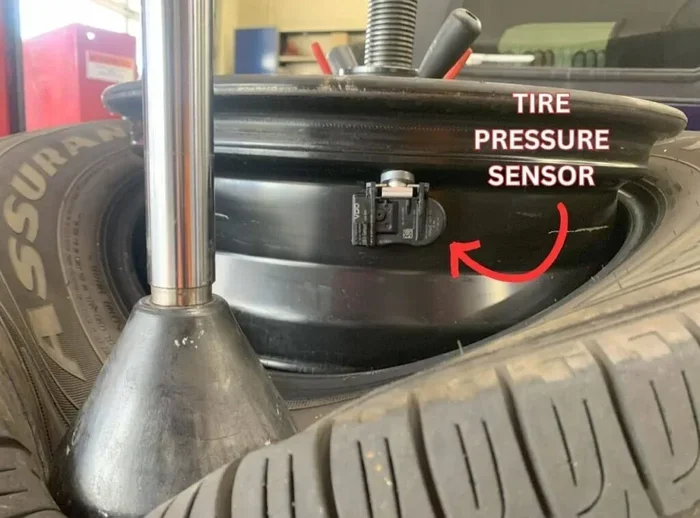
Direct TPMS systems use small sensors mounted inside each wheel. These sensors sit near the valve stem and measure the exact air pressure in real time. They send data wirelessly to your car’s computer. If the pressure falls below a safe threshold, the TPMS warning light turns on.
Indirect TPMS systems work differently. They use the vehicle’s anti-lock braking sensors to detect differences in wheel rotation speed. A tire with low pressure has a smaller rolling radius. This causes it to spin faster than the other tires. The system picks up on this difference and triggers the alert.
Both systems serve the same purpose. They alert you to potential tire pressure problems before they become dangerous. Whether you drive a sedan, SUV, or truck, your TPMS sensor plays a critical role in driving safety.
Why Tire Pressure Matters for Safety
Underinflated tires are one of the leading causes of tire blowouts. Low tire pressure causes excessive flexing of the tire sidewall. This leads to overheating, reduced traction, and longer braking distances. In wet or icy conditions, the danger multiplies.
Overinflated tires are risky too. They create a smaller contact patch with the road. This means less grip, uneven wear, and a harsher ride. Both extremes compromise your vehicle’s handling and stability.
Regularly checking your recommended tire pressure keeps your tires wearing evenly. It also improves fuel economy. Most passenger vehicles recommend pressures between 30 and 35 PSI. You can find the exact number on the driver’s side door jamb or in your owner’s manual.
When Should You Reset Your TPMS?
Not every TPMS alert means something is broken. Sometimes the system just needs a tire pressure reset after a routine change. Understanding when to reset helps you avoid unnecessary trips to the shop.
Common Triggers for TPMS Alerts
Several situations can cause your TPMS warning light to come on. Here are the most common ones:
- Temperature changes: Cold weather causes air inside tires to contract. A sudden drop in temperature can lower tire pressure enough to trigger the light.
- Slow leaks: A small puncture or a worn valve stem lets air escape slowly. The TPMS sensor detects the gradual drop.
- After tire service: Rotating tires, changing a flat, or replacing a valve stem can temporarily disrupt the system.
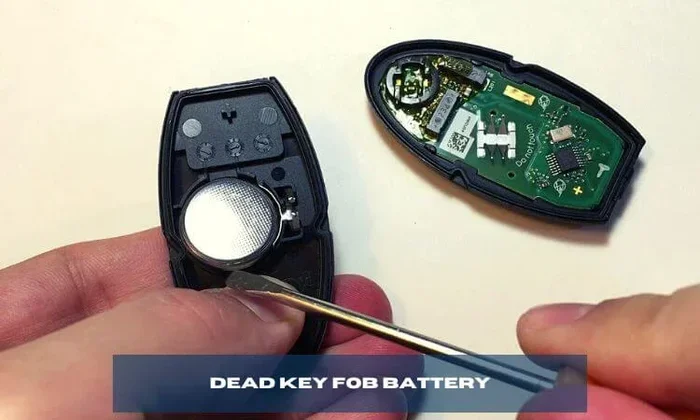
- Sensor battery death: Each direct TPMS sensor has a small battery. When it dies, the sensor cannot transmit data. The warning light stays on until you replace the sensor.
- After adding air: If you topped off your tires at a gas station, the system may need a TPMS reset to recognize the corrected pressure.
After Tire Maintenance or Rotation
Many drivers ask, “Do I need to reset TPMS after rotating my tires?” The answer is usually yes. When you move tires from one position to another, the TPMS sensor readings shift. The system may need recalibration to recognize the new tire positions.
Similarly, if you recently changed a tire or replaced a valve stem, the system might show a false alert. A quick reset resolves this in most cases. Just make sure the tire pressure is correct before you reset.
Is It Safe to Reset TPMS?
This is the big question. The short answer is yes. But with an important caveat. You should only reset your TPMS after confirming that your tire pressure is at the correct level.
Understanding the Reset Process
Resetting the tire pressure monitoring system tells your car’s computer that the current tire pressure readings are normal. The system clears the warning light and starts monitoring fresh.
The reset process varies by vehicle. Some cars have a simple button under the steering column. Others require you to navigate through the infotainment menu. A few models still need a scan tool at a repair shop. Check your owner’s manual for the exact steps for your specific vehicle.
Here is the most important rule. Never reset the system while the light is on due to an actual pressure problem. If your tire pressure is low and you clear the warning, you lose your safety alert. The light will not come back until the pressure drops even further. By then, you could already be driving on a dangerously underinflated tire.
Risks of Ignoring TPMS Warnings
Some drivers get tired of seeing the yellow light. They reset it and forget about it. This habit is risky. Here is what can happen when you ignore your TPMS warning light:
- Reduced fuel economy: Underinflated tires create more rolling resistance. Your engine works harder and burns more fuel.
- Uneven tire wear: Low pressure causes the outer edges of the tread to wear faster. You may need new tires sooner than expected.
- Increased blowout risk: Excessive flexing of the tire sidewall can cause sudden failure, especially at highway speeds.
- Poor handling: Tires with incorrect air pressure respond sluggishly in steering. This is especially dangerous in emergency maneuvers.
- Costly repairs: A small leak ignored over time can damage the TPMS sensor or the wheel itself.
Resetting the system is not a fix. It is a tool. Use it only after you have resolved the underlying issue. Think of it like resetting after an oil change. You do it because the service is complete, not to hide a problem.
Step-by-Step Guide to Resetting TPMS
Resetting your TPMS is straightforward in most vehicles. Follow these steps carefully to ensure a safe and successful reset.
Method 1: Using the Dashboard Button
Many vehicles have a dedicated TPMS reset button. It is usually located under the steering wheel, near the driver’s left knee. Here is how to use it:
- Start the engine and let the car idle for a few minutes.
- Locate the TPMS reset button.
- Press and hold the button until the TPMS warning light on the dashboard blinks three times.
- Release the button and let the engine run for another 20 minutes.
- Drive the vehicle at speeds above 20 mph for a few miles. The system will recalibrate.
If the light stays off after driving, your reset was successful. If it comes back on, there may be an ongoing pressure issue that needs attention.
Method 2: Using the Infotainment Menu
Newer vehicles often allow you to reset TPMS through the infotainment screen. The exact steps vary by make and model. Generally, you will navigate to the vehicle settings menu, find the tire or TPMS section, and select the reset option. Consult your owner’s manual for model-specific instructions.
Method 3: Using an OBD-II Scanner
For vehicles that do not have a physical reset button or menu option, an OBD-II scanner can help. Plug the scanner into the diagnostic port under the dashboard. Select the TPMS menu and choose the reset function. This method works well for stubborn systems that need a hard reset.
When to Seek Professional Help
If you have tried all three methods and the TPMS warning light keeps coming back, it is time to see a professional. A persistent light could indicate a failed TPMS sensor, a damaged valve stem, or a slow leak that you cannot see. A tire shop or dealership can run a diagnostic scan and identify the exact problem.
Also, if you recently replaced a tire and the reset is not holding, the new TPMS sensor may need programming. Some sensors must be matched to your vehicle’s computer. This is a job best left to a trained technician.
Tips to Keep Your Tires Healthy After a Reset
Resetting your TPMS is only half the battle. Maintaining your tires afterward is what keeps you safe and saves you money in the long run.
Regular Tire Pressure Checks
Get into the habit of checking your tire pressure at least once a month. Use a reliable tire pressure gauge and compare the readings to your vehicle’s recommended PSI. Do this when the tires are cold, meaning the car has been parked for at least three hours. Hot tires give false high readings.
Keep a small gauge in your glove box. Gas station air pumps are convenient but not always accurate. A personal gauge gives you consistent, reliable readings every time.
Knowing Your Recommended PSI
Your vehicle’s recommended tire pressure is not the same as the maximum pressure listed on the tire sidewall. The sidewall number is the tire’s maximum capacity. The recommended number is what your vehicle manufacturer specifies for optimal performance, comfort, and safety.
Find the sticker on the driver’s door jamb or check your owner’s manual. Write the number down and keep it in your glove box. This simple habit prevents overinflation and underinflation.
Inspecting Tires for Wear and Damage
While you are checking pressure, take a moment to visually inspect your tires. Look for cracks, bulges, embedded objects, and uneven wear patterns. Uneven wear often signals an alignment or suspension problem that needs professional attention.
Also check your tire tread depth regularly. A simple penny test works well. Insert a penny into the tread with Lincoln’s head facing down. If you can see the top of his head, your tread is too worn and it is time for new tires.
Keeping Up With Routine Maintenance
Just like you reset after an oil change, your tires need regular care too. Follow your vehicle’s maintenance schedule for tire rotations, alignments, and balance checks. These services extend tire life and keep your TPMS sensor readings accurate.
If you are unsure about any tire-related service, visit a trusted tire shop. They can check your tire pressure, inspect your sensors, and make sure everything is in order. For broader vehicle maintenance questions, resources like Can I Add Oil To My Car If It’s Low? offer helpful guidance on fluid and system maintenance.
Common TPMS Mistakes to Avoid
Even well-meaning car owners make mistakes with their TPMS. Here are the most common ones and how to avoid them.
- Resetting without checking pressure: This is the number one mistake. Always verify tire pressure before resetting.
- Ignoring the light: A steady light means check your tires. A flashing light often indicates a malfunction in the TPMS sensor system itself. Either way, take it seriously.
- Using the wrong PSI: Overinflating tires to “fix” a low-pressure warning is dangerous. It does not solve the underlying problem and creates new risks.
- Neglecting sensor battery replacement: TPMS sensor batteries typically last 5 to 10 years. When the battery dies, the sensor stops working. You will need a replacement sensor to clear the light.
- Skipping resets after tire service: Forgetting to reset after rotation or tire changes leads to persistent false alerts. Make it a standard part of your tire service routine.
Avoiding these mistakes keeps your tire health on track and your dashboard warning-free. If you ever feel unsure about a TPMS issue, consult a professional. When considering broader service options, you might also find useful information in guides like Do You Need To Change All 4 Brake Pads At Once? which covers related maintenance decisions.
Expert Insights on TPMS Safety
We spoke with several certified automotive technicians about TPMS reset safety. Here is what the experts had to say.
Check before you reset. This advice came up in every conversation. The TPMS warning light is your car telling you something. Respect that communication. A quick pressure check takes two minutes and can prevent a serious problem.
Temperature matters. Cold weather is the most common reason for false TPMS alerts. As temperatures drop, air pressure inside tires decreases by about 1 PSI for every 10-degree drop. This is normal and does not mean you have a leak. Adjust your tire pressure seasonally and reset the system.
Do not wait for the light. Proactive drivers check their tire pressure monthly whether the light is on or not. This habit catches small problems before they become expensive repairs. It also keeps you safer on the road.
Key Takeaways
- Resetting TPMS is safe: When performed correctly and after addressing the root cause of the alert.
- Check tire pressure first: Always verify your tire pressure before hitting the reset button.
- Reset after maintenance: A tire pressure reset is normal after rotations, rotations, or sensor battery replacements.
- Know your risks: Ignoring the TPMS warning light can lead to unsafe driving and tire damage.
- DIY or professional: Some resets are simple; others need a mechanic or dealership visit.
- Stay proactive: Regular tire pressure checks prevent most TPMS sensor issues.
Conclusion
Is it safe to reset TPMS? Yes, when you do it the right way. The tire pressure monitoring system is a valuable safety feature. It protects you, your passengers, and your wallet. Resetting the system is a normal part of car ownership, especially after tire service, weather changes, or pressure adjustments.
The key is simple. Always check your tire pressure first. Confirm it matches the recommended PSI. Then reset the system with confidence. If the light keeps coming back, do not ignore it. Investigate the cause and fix it promptly.
Taking care of your tires is one of the easiest ways to stay safe on the road. Regular pressure checks, timely resets, and routine maintenance go a long way. Your TPMS sensor works hard to keep you informed. Give it the attention it deserves, and it will keep doing its job for years to come.
For more maintenance tips and car care advice, explore our other guides on vehicle upkeep and tire health. Stay informed, stay safe, and keep your tires in top condition.
Frequently Asked Questions
Can I drive with the TPMS light on after resetting it?
You should not drive with the TPMS light on, even after a reset. If the light returns immediately, your tire pressure is likely still too low. Check all four tires and the spare before driving. Driving on underinflated tires reduces fuel efficiency and increases blowout risk. Always confirm proper pressure first.
How often should I reset my TPMS?
You should only reset your TPMS when needed. Common triggers include after tire rotations, pressure adjustments, temperature changes, or sensor battery replacements. There is no set schedule for resets. The system resets itself in some vehicles after driving for a certain distance at the correct pressure.
How much does it cost to replace a TPMS sensor?
TPMS sensor replacement typically costs between 50 and 100 per sensor, including labor. Some vehicles require special programming after installation, which can add to the cost. Shopping around at local tire shops often saves money compared to a dealership. Check if your warranty or maintenance plan covers sensor replacement.
Can cold weather cause a false TPMS alert?
Yes, cold weather is one of the most common causes of false TPMS alerts. Air pressure inside tires drops as temperatures decrease. A drop of about 1 PSI for every 10 degrees Fahrenheit is normal. Simply adjusting your tire pressure to the recommended level and resetting the system usually resolves the issue quickly.
Do I need special tools to reset TPMS?
Many vehicles allow you to reset TPMS with just a physical button or the infotainment menu. No special tools are needed for these models. However, some newer or luxury vehicles require an OBD-II scanner or a professional-grade TPMS tool. Check your owner’s manual to determine which method applies to your car.
What happens if I never replace a dead TPMS sensor battery?
If the TPMS sensor battery dies and you never replace the sensor, the warning light will stay on permanently. The system can no longer monitor that tire’s pressure. This means you lose an important safety alert for that wheel. Most TPMS sensor batteries last between 5 and 10 years, so plan for replacement as your vehicle ages.