Is It Illegal to Drain Coolant Here Is What You Need to Know
Draining coolant itself is not illegal, but how you dispose of it matters a lot. Improper coolant disposal can result in fines and environmental harm. This guide covers the laws, safe methods, and what every car owner should know about handling old coolant responsibly.
Every car owner deals with coolant maintenance at some point. Whether you are flushing your radiator or fixing a leak, you will eventually need to drain old coolant from your vehicle. The question is simple but important: is it illegal to drain coolant?
The short answer is no. Draining coolant from your car is not illegal. It is a standard part of vehicle upkeep. However, what happens after you drain it is where the legal and environmental picture gets serious. Improper disposal of used coolant can lead to hefty fines and serious harm to the environment.
This guide walks you through everything you need to know. We will cover the laws, safe disposal options, common mistakes, and practical tips to keep you on the right side of the rules. Whether you are a DIY mechanic or just curious about automotive fluid regulations, this article has you covered.
Key Takeaways
- Draining coolant is not inherently illegal: The act of removing coolant from your vehicle is a normal part of car maintenance.
- Disposal regulations vary by location: Local and state laws govern how you must handle and dispose of used coolant.
- Ethylene glycol is toxic: This main ingredient in coolant is harmful to pets, wildlife, and water supplies.
- Recycling is widely available: Many auto parts stores and recycling centers accept used coolant for safe processing.
- Improper disposal carries penalties: Fines can range from hundreds to thousands of dollars depending on your area.
- Proper storage matters: Even temporary storage of used coolant must follow specific guidelines to avoid accidents and legal issues.
📑 Table of Contents
- What Is Coolant and Why Do Cars Use It?
- Is It Illegal to Drain Coolant? Understanding the Laws
- Why Proper Coolant Disposal Matters
- Safe and Legal Ways to Drain and Dispose of Coolant
- Common Mistakes When Draining Coolant
- Quick Tips for Draining Coolant Safely
- How Often Should You Drain and Replace Coolant?
- What About Other Automotive Fluids?
- Can Old Coolant Cause Engine Overheating?
- Can You Tell If Your Car Is Low on Coolant?
What Is Coolant and Why Do Cars Use It?
Before we dive into the legal side, let us quickly cover what coolant is and why your car needs it. Coolant, also called antifreeze, is a liquid that flows through your engine to keep it from overheating. It also prevents the water in your cooling system from freezing in cold weather.
Most modern coolants are glycol-based. This means they contain ethylene glycol or propylene glycol mixed with water. These chemicals are very effective at regulating engine temperature. But they are also the reason coolant disposal is taken so seriously.
How the Cooling System Works
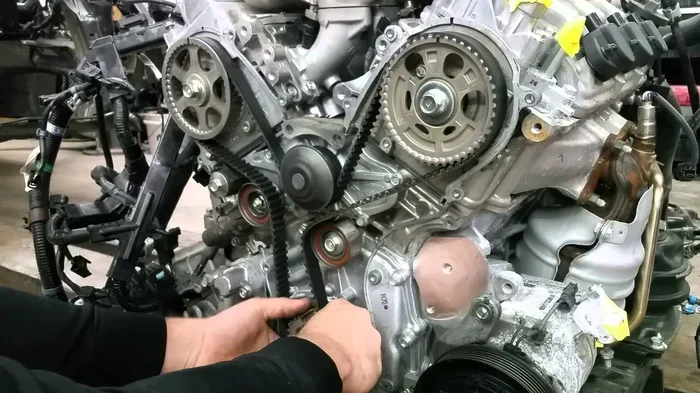
Your car’s cooling system is pretty straightforward. The water pump pushes coolant through passages in the engine block. The fluid absorbs heat and carries it to the radiator. Air flowing through the radiator cools the fluid down. Then the cooled fluid cycles back through the engine.
The coolant reservoir holds extra fluid and allows for expansion as the engine heats up. Over time, this fluid breaks down. It loses its ability to protect your engine. That is when a coolant flush becomes necessary.
Is It Illegal to Drain Coolant? Understanding the Laws
Now let us get to the heart of the matter. Is it illegal to drain coolant from your vehicle? The answer depends on where you live and what you do with the old fluid afterward.
In most places, simply draining coolant from your car is perfectly legal. It is something mechanics and car owners do every day. The law does not stop you from removing old fluid. What it does regulate is what happens next.
Federal Regulations on Coolant Disposal
At the federal level in the United States, used coolant is not classified as a hazardous waste in all cases. However, it is regulated under the Resource Conservation and Recovery Act (RCRA). This law oversees how certain wastes are handled and disposed of.
If you are a home mechanic draining coolant from your personal vehicle, federal rules are generally lenient. But if you run a shop that generates large quantities of used coolant, different rules apply. Businesses must follow strict guidelines for storage, transport, and disposal.
State and Local Laws
This is where things get more specific. State and local laws vary widely when it comes to coolant disposal. Some states have very strict rules. Others are more relaxed.
For example, California has some of the toughest environmental regulations in the country. Dumping coolant in that state can lead to serious penalties. In other states, the rules may focus more on education and guidance rather than strict enforcement for small quantities.
Here are some general legal points to keep in mind:
- Dumping coolant on the ground is illegal everywhere. This includes pouring it on soil, into storm drains, or into bodies of water.
- Disposing of coolant in regular trash is often prohibited. Many areas classify used coolant as a household hazardous waste.
- Selling or giving away used coolant may be regulated depending on your location.
- Businesses that collect used coolant must follow specific storage and disposal protocols.
The bottom line is that draining coolant is legal. But you must take responsibility for its proper disposal. Ignorance of the law is not a valid defense, and fines for improper disposal can add up fast.
Why Proper Coolant Disposal Matters
You might wonder why people make such a big deal about disposing of old coolant. The answer comes down to one key ingredient: ethylene glycol. This chemical is the backbone of most traditional coolants, and it is extremely toxic.
The Environmental Impact
When used coolant enters the environment, it does not just disappear. Ethylene glycol can contaminate soil and groundwater. It is deadly to fish and other aquatic life. Even small amounts can cause serious damage to local water supplies.
Animals are also at risk. Used coolant has a sweet taste that attracts pets and wildlife. A single spill can poison a dog or a bird. This is why many communities have strict rules about coolant recycling and disposal.
Health Risks to Humans
The dangers are not just environmental. Ethylene glycol is harmful to humans as well. Ingesting even a small amount can cause kidney failure and other serious health problems. Skin contact can lead to irritation. Breathing in coolant fumes is also risky.
This is why proper handling and disposal are so important. You are not just protecting the environment. You are protecting yourself, your family, and your community.
The Role of Propylene Glycol Coolants
Some newer coolants use propylene glycol instead of ethylene glycol. Propylene glycol is less toxic. It is even used in some food-grade products. However, it is still not safe to dump it in the environment. Proper disposal is still required, even with the safer alternatives.
Safe and Legal Ways to Drain and Dispose of Coolant
So you have drained the old fluid and you are wondering what to do next. Good news: there are plenty of safe and legal options. You do not have to figure this out on your own.
Option 1: Take It to a Recycling Center
Many local recycling centers accept used coolant. These facilities have the equipment to process and recycle the fluid safely. Some centers even pay a small amount for used coolant because it can be re-refined into new product.
Call your local waste management facility ahead of time. Ask about their policies for automotive fluid recycling. Most centers will accept coolant at no charge.
Option 2: Auto Parts Stores
Several major auto parts stores have recycling programs. Stores like AutoZone and O’Reilly often accept used coolant from customers. This is one of the easiest options for most car owners.
Just bring your used coolant in a sealed container. Make sure the container is clearly labeled. Most stores will accept it without any hassle.
Option 3: Your Local Mechanic or Dealership
If you had your coolant drained at a shop, ask them about disposal. Most mechanics have contracts with waste disposal companies. They handle the used fluid properly on your behalf.
Even if you did the work yourself, many local shops will accept small amounts of used coolant for a nominal fee or sometimes for free.
Option 4: Household Hazardous Waste Collection Events
Many communities host regular hazardous waste collection events. These events accept used coolant along with other household chemicals. Check with your city or county government for upcoming event dates.
This is a great option if you only have a small amount of used coolant. It is free, legal, and environmentally responsible.
Common Mistakes When Draining Coolant
Even well-meaning car owners make mistakes when handling coolant. Here are some of the most common errors and how to avoid them.
Dumping It Down the Drain
This is the worst thing you can do. Pouring coolant into a sink, toilet, or storm drain is illegal in most places. It contaminates water supplies and poisons aquatic life. Never pour coolant down any drain, no matter how small the amount seems.
Leaving It in the Sun
Used coolant should never be left in direct sunlight or in areas where children and pets can reach it. Ethylene glycol is sweet-tasting and attractive to animals. A container left in the garage can become a deadly hazard.
Mixing Different Types of Coolant
Not all coolants are the same. Mixing different types can make recycling impossible. It also reduces the effectiveness of the fluid. If you are collecting used coolant, keep it separate and labeled.
Ignoring Local Regulations
Every area has its own rules. What is legal in one state might be illegal in another. Do not assume the rules are the same everywhere. Check your local regulations before disposing of any used coolant.
Quick Tips for Draining Coolant Safely
Here are some practical tips to make the process smooth and safe:
- Let the engine cool completely before you start. Hot coolant can cause serious burns.
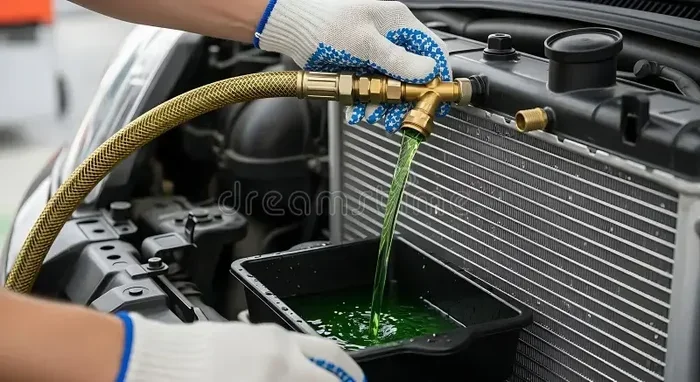
- Use a proper drain pan. A dedicated container with a tight lid works best.
- Wear gloves and safety glasses. Coolant can irritate your skin and eyes.
- Label your container clearly. Write “Used Coolant” on the outside.
- Keep coolant away from children and pets. Store it in a locked or high shelf.
- Clean up any spills immediately. Use absorbent material and dispose of it properly.
- Check for leaks after refilling. A sudden drop in coolant level could indicate a problem.
- Consider switching to a longer-life coolant. Some modern coolants can last up to 10 years or 150,000 miles.
Following these simple steps keeps you safe and ensures you are handling used coolant the right way. And if you are wondering about other related maintenance tasks, check out our guide on can I add coolant if it is empty for more helpful tips.
How Often Should You Drain and Replace Coolant?
Knowing when to drain your coolant is just as important as knowing how to do it safely. Old coolant loses its effectiveness over time. It becomes acidic and can cause corrosion inside the cooling system.
Most manufacturers recommend a coolant flush every 30,000 to 50,000 miles. However, this varies based on the type of coolant you use. Some extended-life coolants can go much longer between changes.
Signs that your coolant needs to be changed include:
- The fluid looks rusty or discolored.
- You notice a sweet smell coming from the engine area.
- The temperature gauge reads higher than normal.
- You see puddles of bright green, orange, or pink fluid under your car.
- The heater is not working properly.
For more information on how long coolant can last, you might find our article on can coolant last 10 years helpful.
Regular coolant changes are part of good vehicle ownership. They help prevent overheating and keep your engine running smoothly for years to come.
What About Other Automotive Fluids?
Coolant is not the only fluid you need to handle carefully. Your car uses several other fluids that require proper disposal. These include engine oil, transmission fluid, brake fluid, and power steering fluid.
Each of these fluids has its own set of regulations. For example, you might wonder if you can add transmission fluid while the engine is running. The answer is yes, but the disposal of old fluid follows similar rules to coolant. You should never dump it on the ground or in the trash.
Proper fluid management is a key part of responsible car ownership. It keeps your vehicle running well and protects the environment at the same time.
Can Old Coolant Cause Engine Overheating?
Yes, it can. Old coolant loses its ability to transfer heat effectively. Over time, it becomes contaminated with rust, scale, and other debris. This buildup can clog the cooling system and lead to overheating.
If you have been putting off a coolant change, now is a good time to do it. And if you are concerned about what happens when old coolant breaks down, we have a detailed article on can old coolant cause engine overheating that covers this topic in depth.
Staying on top of your coolant maintenance is one of the easiest ways to avoid costly repairs. A simple flush every few years can save you from a blown head gasket or a cracked engine block.
Can You Tell If Your Car Is Low on Coolant?
Just like you can tell if your car is low on oil, there are clear signs that your coolant level is dropping. The most obvious sign is the temperature warning light on your dashboard. If this light comes on, pull over safely and check your coolant level.
Other signs of low coolant include steam coming from under the hood, a sweet smell inside the car, and the heater blowing cold air. For more details on identifying low fluid levels, you can read our guide on can you tell if your car is low on oil which covers similar diagnostic techniques.
Regularly checking your coolant level is a simple habit that can prevent big problems. Make it part of your monthly car care routine.
Frequently Asked Questions
Is it illegal to drain coolant from your own car?
No, draining coolant from your own vehicle is not illegal. It is a normal part of car maintenance. The key is to dispose of the used coolant properly. Recycling centers, auto parts stores, and local waste facilities all accept used coolant for safe processing.
Can I pour old coolant down the drain?
Absolutely not. Pouring coolant down any drain is illegal in most areas and extremely harmful to the environment. Ethylene glycol is toxic to aquatic life and can contaminate water supplies. Always take used coolant to a recycling facility or hazardous waste collection point.
What happens if I dump coolant on the ground?
Dumping coolant on the ground can result in fines and legal penalties. The toxic chemicals in coolant seep into the soil and groundwater. They also pose a serious risk to pets, wildlife, and children. Always store and dispose of used coolant in sealed, labeled containers.
Can I reuse old coolant after draining it?
In some cases, yes. If the used coolant is not contaminated with oil or other fluids, it can be filtered and reused. However, most people prefer to recycle old coolant rather than reuse it. Recycling ensures the fluid meets safety and performance standards.
How do I find a coolant recycling center near me?
Start by checking with your local waste management authority. They can point you to the nearest recycling center or hazardous waste facility. Many auto parts stores also accept used coolant. A quick online search for “coolant recycling near me” will give you several options.
Is propylene glycol coolant safer to dispose of than ethylene glycol?
Propylene glycol is less toxic than ethylene glycol, but it is still not safe to dump in the environment. Both types of coolant require proper disposal. The best approach is the same: take your used fluid to a recycling center or authorized disposal facility.
=== CONCLUSION ===
So, is it illegal to drain coolant? The answer is clear: draining coolant is perfectly legal. It is a routine part of keeping your vehicle in good shape. The real issue is what you do with the old fluid afterward.
Improper disposal is where the legal and environmental risks come in. Dumping coolant on the ground, down a drain, or in the trash can lead to serious consequences. Fines, environmental damage, and harm to animals are all very real outcomes of careless disposal.
The good news is that safe disposal is easy and accessible. Recycling centers, auto parts stores, and local collection events make it simple to do the right thing. All it takes is a little planning and a sealed container.
Take a few minutes to learn your local regulations. Make sure you know where to take your used coolant. And if you are ever in doubt, ask a mechanic or contact your local waste management office. They are there to help.
Responsible coolant handling is just one part of being a good car owner. It is a small effort that makes a big difference. Your engine stays healthy, your community stays clean, and you stay on the right side of the law. Keep this guide handy the next time you need to drain your coolant, and you will be all set.