How to Reset Tire Pressure Warning Light Fast and Easy
Resetting your tire pressure warning light is easier than you think. This guide walks you through every method, from using the reset button to driving at proper speeds. You will learn why the light comes on, how to fix the root cause, and when to seek help.
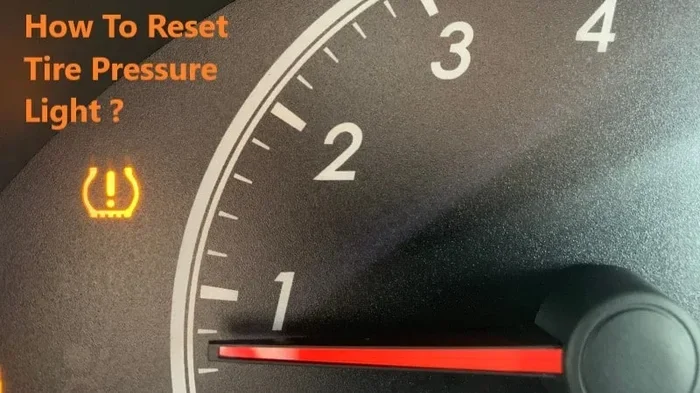
There is nothing more annoying than seeing a little yellow horseshoe icon light up on your dashboard. It flashes or stays solid, and suddenly you wonder if your car is about to break down. The good news is that a tire pressure warning light does not always mean something is seriously wrong. In most cases, it is a simple fix that you can handle yourself at home.
This guide shows you exactly how to reset your tire pressure warning light fast and easy. We cover every method, explain why the light comes on in the first place, and share tips to keep it from returning. Whether you drive a sedan, SUV, or truck, these steps apply to most vehicles on the road today.
Let us get into it.
## What Is a Tire Pressure Warning Light?
The tire pressure warning light is part of your car’s Tire Pressure Monitoring System, also known as TPMS. This system uses sensors inside each tire to monitor the air pressure. When the pressure drops below the recommended level, the system triggers a warning on your dashboard.
The light usually looks like a horseshoe or a cross-section of a tire with an exclamation mark in the center. It can appear as a solid yellow icon or a flashing one. A flashing light often signals a more serious problem, such as a faulty sensor. A solid light typically means the pressure in one or more tires is low.
Understanding what this light is trying to tell you is the first step. It is not just a nuisance. Proper tire pressure affects your safety, fuel economy, and tire lifespan. Ignoring it can lead to uneven wear, poor handling, and even a blowout.
## Why Does the Tire Pressure Light Come On?
Several things can trigger the tire pressure warning light. Knowing the cause helps you decide the best fix. Here are the most common reasons.
### Low Tire Pressure
This is the number one cause. A slow leak from a nail, a worn valve stem, or even a tiny crack in the rim can let air out over time. Temperature changes also play a big role. Cold weather causes the air inside tires to contract, which lowers the pressure.
### Temperature Changes
Have you ever noticed the light coming on during the first cold snap of fall? That is completely normal. For every 10 degrees Fahrenheit drop in temperature, tire pressure can decrease by about 1 PSI. If you live in a climate with big seasonal swings, you might see this light more often than you would like.
### Faulty TPMS Sensor
Sometimes the sensor itself fails. The battery inside the sensor can die after several years. Or the sensor might get damaged from road debris or corrosion. When a sensor malfunctions, it sends incorrect readings to your car’s computer, which triggers the warning light.
If you suspect a bad sensor, you may want to fix your own tire pressure sensor with basic tools. Many sensors are easy to replace and do not require a trip to the mechanic.
### After a Tire Change or Rotation
If you recently changed tires, rotated them, or replaced a valve stem, the TPMS may need a reset. The system sometimes loses its calibration during these procedures. A quick reset usually solves the problem.
### Slow Air Leak from the Rim
Rims can develop tiny cracks or bends from potholes and curbs. Even a small damage point can let air seep out slowly. You might not see the leak, but your TPMS will catch it within days.
## How to Reset Tire Pressure Warning Light – Step by Step
Now for the part you came here for. Resetting the tire pressure warning light is straightforward, but the exact steps vary slightly depending on your vehicle. Below are the most reliable methods that work across different makes and models.
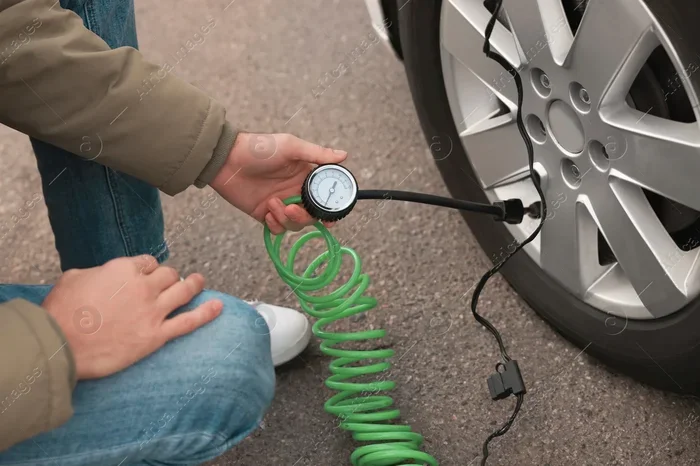
Before you start, make sure your tires are inflated to the correct pressure. You can find the recommended PSI on the driver’s side door jamb or in your owner’s manual. Always check your tire pressure before resetting the light. If you skip this step, the light will simply come back.
### Method 1: Drive and Inflate to Proper Pressure
This is the simplest and most common method. Here is how it works.
- Check the pressure in all four tires using a tire pressure gauge.
- Inflate any tires that are below the recommended PSI.
- Drive the vehicle at a steady speed of 50 mph or above for about 10 minutes.
- The TPMS sensor should detect the corrected pressure and turn off the light automatically.
This method works because most TPMS systems recalibrate while you drive. The system needs to see consistent, correct pressure readings before it clears the warning. If the light does not go off after a 10-minute drive, try the next method.
### Method 2: Use the Dashboard Reset Button
Many vehicles come with a dedicated TPMS reset button. Its location varies, but common spots include the driver’s side dashboard, near the steering column, or inside the glove box.
- Turn the ignition to the “On” position without starting the engine.
- Locate the TPMS reset button.
- Press and hold the button until the tire pressure light blinks three times.
- Start the engine and drive for 20 minutes.
- The light should turn off as the system relearns the correct pressure.
If you are not sure where your reset button is, check your owner’s manual. It will have a diagram and specific instructions for your model.
### Method 3: Disconnect the Battery
This method works when the other approaches fail. It resets the entire car computer, which includes the TPMS module.
- Turn off the engine and remove the keys.
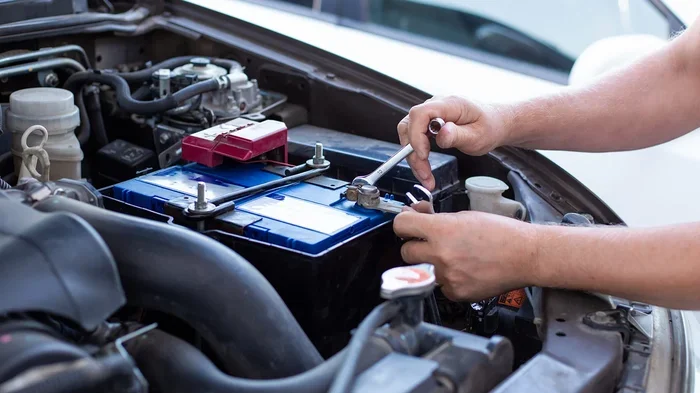
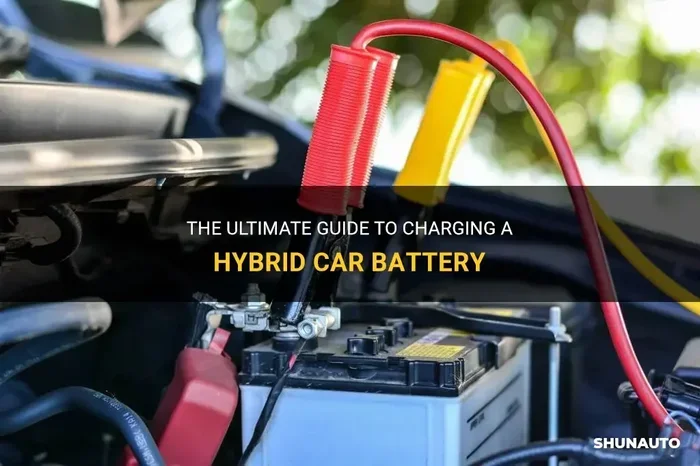
- Open the hood and locate the negative battery terminal.
- Use a wrench to loosen the cable on the negative terminal.
- Wait for 5 to 10 minutes.
- Reconnect the cable and tighten it securely.
- Start the car and check if the light is off.
Keep in mind that disconnecting the battery may also reset other settings, like your radio presets and clock. You will need to adjust those again after reconnecting.
### Method 4: Use an OBD-II Scanner
An OBD-II scanner is a handy tool for any car owner. It plugs into a port under your steering column and reads error codes from your vehicle’s computer.
- Plug the scanner into the OBD-II port.
- Turn the ignition to “On.”
- Follow the scanner’s menu to find the TPMS code.
- Select the option to clear the code.
- Remove the scanner and start driving.
If you do not own a scanner, many auto parts stores offer free code reading. You can also learn how to manually clear car codes at home with basic tools.
### Method 5: Inflate Tires and Use the Quick Reset
Some newer vehicles have a simplified reset process. After inflating the tires to the correct pressure, you simply hold down a specific button on the steering wheel or center console. The system recalibrates in seconds. Check your owner’s manual for the exact steps for your vehicle.
## Common Mistakes When Resetting the Tire Pressure Light
Even simple tasks can go wrong when you rush through them. Here are the most common mistakes people make when trying to reset their tire pressure warning light.
Skipping the tire pressure check: This is the biggest mistake. If you reset the light without fixing the actual pressure problem, the light will return within minutes or hours. Always verify your tire pressure first.
Using the wrong PSI: Every vehicle has a specific recommended pressure. Putting in too much or too little air will not fix the issue. Check the door jamb sticker for the exact number.
Not driving long enough: Some methods require you to drive for 10 to 20 minutes. If you turn off the car too soon, the system does not have time to recalibrate.
Ignoring a flashing light: A solid light usually means low pressure. A flashing light often means a sensor problem. Treat a flashing light more urgently because it could indicate a failing sensor that needs replacement.
Forgetting to check the spare tire: Many people overlook the spare. If your spare has low pressure, it can trigger the TPMS light on some vehicles.
## When to See a Professional
Most of the time, resetting the tire pressure light is a DIY job. But there are situations where you should call in a pro.
If you have tried all the methods above and the light keeps coming back, there may be a deeper issue. A faulty TPMS sensor might need replacement. Sensor batteries typically last 5 to 10 years and cannot be recharged. When the battery dies, the whole sensor must be replaced.
Also, if you notice visible damage to a tire, such as a bulge, a deep cut, or a nail embedded in the tread, do not just reset the light. Get the tire inspected. Driving on a damaged tire is dangerous and can lead to a blowout at highway speeds.
If the light comes on shortly after a tire rotation or new tire installation, visit the shop that did the work. They may need to reprogram the TPMS sensors to match your new tires.
## How to Prevent the Tire Pressure Light from Coming Back
Prevention is always better than cure. Here are some simple habits that keep your TPMS light off and your tires in great shape.
- Check tire pressure monthly: Make it a routine. A quick check takes only a few minutes and catches small problems before they become big ones.
- Monitor seasonal changes: In colder months, add a bit of extra air to compensate for temperature drops. In hot months, check more often since heat can cause pressure to rise.
- Invest in a quality tire pressure gauge: The cheap pencil-style gauges at gas stations are often inaccurate. A digital gauge gives you precise readings every time.
- Rotate your tires regularly: Follow the rotation schedule in your owner’s manual. Even wear extends tire life and keeps sensors working properly.
- Keep your valve stems capped: The small rubber caps on your valve stems prevent dirt and moisture from getting inside. Missing caps are a common cause of slow leaks.
- Watch for slow leaks: If you find yourself adding air frequently, there may be a slow leak. Use soapy water on the tire surface and look for bubbles. That is an easy way to spot the leak point.
Proper tire care also improves your fuel economy. Underinflated tires create more rolling resistance, which means your engine works harder and burns more gas. Keeping your pressure at the right level can save you money at the pump over time.
## Final Thoughts
Resetting your tire pressure warning light does not have to be stressful. With the right approach, you can handle it in minutes from your driveway. The key is to always address the root cause first. Check your tire pressure, inflate to the correct level, and then use one of the reset methods we covered.
If the light returns or stays on after a reset, do not ignore it. Your TPMS is designed to protect you, and a persistent warning deserves attention from a professional.
Taking a few minutes to care for your tires pays off in safety, fuel savings, and longer tire life. Make tire pressure checks a regular part of your vehicle maintenance routine, and you will rarely see that yellow warning light again.
Key Takeaways
- Quick Reset Options: You can reset the tire pressure light using the dashboard button, by driving at steady speeds, or by disconnecting the battery.
- Fix the Root Cause First: Always check and correct your tire pressure before attempting a reset to avoid the light coming back.
- Multiple Methods Work: Different vehicles use different reset methods, so we cover all the most common approaches.
- Prevent Future Alerts: Regular tire maintenance and seasonal pressure checks keep the warning light off.
- Know When to Call a Pro: If the light persists after a reset, you may have a faulty sensor or deeper issue that needs professional attention.
Frequently Asked Questions
How long does it take for the tire pressure light to turn off after inflating tires?
In most cases, the light turns off within 10 to 20 minutes of driving at a steady speed. Some vehicles clear it almost immediately after the correct pressure is detected. If it does not go off, try using the reset button or disconnecting the battery briefly.
Can I drive with the tire pressure warning light on?
It is not recommended. Low tire pressure affects handling, braking, and fuel economy. Driving on underinflated tires also increases the risk of a blowout. Check your pressure as soon as the light comes on and inflate to the recommended level before driving long distances.
How much does it cost to replace a TPMS sensor?
The cost varies by vehicle, but most TPMS sensors cost between $50 and $100 each for the part. Labor typically adds another $20 to $50 per sensor. Some shops offer a bundled price for replacing all four sensors at once, which can save you money.
Why does my tire pressure light come on in cold weather?
Cold air causes the air inside your tires to contract, which lowers the pressure. A drop of just a few PSI can be enough to trigger the TPMS. This is normal and usually goes away once you add a small amount of air or when temperatures warm up.
Do I need special tools to reset the tire pressure light?
Not always. Many vehicles allow you to reset the light using the dashboard button or by driving at the correct pressure. However, an OBD-II scanner can make the process faster and more reliable, especially for older or stubborn systems.
Will the tire pressure light reset itself?
Yes, in many cases. Once you inflate your tires to the correct pressure and drive for a sustained period, the TPMS system often clears the light on its own. If it does not, you can use the manual reset button or try the battery disconnect method.