How to Change a Car Battery Step by Step for Beginners
Changing your car battery is one of the easiest maintenance tasks you can do at home. This step-by-step guide walks you through everything from removing the old battery to installing the new one safely. You will learn the tools needed, safety precautions, and common mistakes to avoid.
Your car battery is the heart of your vehicle’s electrical system. Without it, nothing starts. No lights, no radio, no engine. Over time, every battery loses its charge and needs replacement. The good news is that swapping out a car battery does not require a mechanic or a garage. You can do it yourself in about 30 minutes with basic tools and a little confidence.
This guide breaks down the entire process into simple, easy-to-follow steps. Whether you are a complete beginner or someone who has never touched a battery before, you will find everything you need right here. We cover safety, tools, removal, installation, and disposal. By the end, you will feel ready to handle the job on your own.
Changing a car battery is a fundamental car maintenance skill. It saves you money, time, and the hassle of waiting for roadside assistance. Let us walk you through it, step by step.
Key Takeaways
- Safety first: Always wear gloves and eye protection when handling a car battery.
- Right tools matter: A basic wrench set, cleaning brush, and anti-corrosion spray are all you need.
- Disconnect in the correct order: Always remove the negative terminal first to prevent short circuits.
- Clean before installing: Remove corrosion from battery cables and the tray for a solid connection.
- Dispose properly: Take your old battery to a recycling center or auto parts store.
- Test after installation: Use a multimeter to confirm the new battery is charging correctly.
📑 Table of Contents
- Why You Need to Change Your Car Battery
- Tools and Materials You Will Need
- Safety Precautions You Must Follow
- Step-by-Step Guide to Changing Your Car Battery
- Common Mistakes to Avoid When Changing a Car Battery
- How to Dispose of Your Old Battery Properly
- When to Seek Professional Help
- Maintaining Your New Battery for Longevity
- Frequently Asked Questions
- Conclusion
Why You Need to Change Your Car Battery
Car batteries do not last forever. Most last between three and five years, depending on driving habits and climate. Extreme heat and cold can shorten battery life significantly. Understanding the signs of a failing battery helps you replace it before you get stranded.
Signs Your Battery Is Failing
Watch for these warning signals:
- Slow cranking: The engine turns over slowly when you turn the key.
- Dim headlights: Lights appear dimmer than usual, especially at idle.
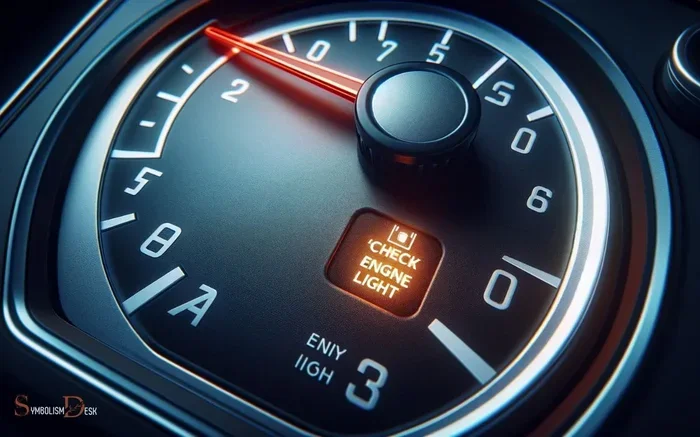
- Dashboard warning light: The battery or check engine light illuminates on your dashboard.
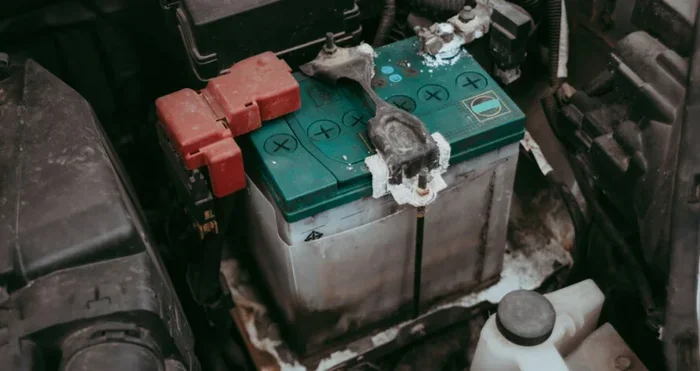
- Corrosion on terminals: You notice a white, blue, or greenish powdery buildup on the battery posts.
- Frequent jump starts: You need to jump-start your car more than twice a month.
- Electrical issues: Power windows, radio, or other accessories behave erratically.
If you experience any of these symptoms, it is time to test your battery. Many auto parts stores offer free battery testing. Some drivers also notice their car won’t start with a new battery if the installation is incorrect or if there is a deeper electrical issue. Always double-check your work after installation.
How Long Does a Car Battery Last?
On average, a standard lead-acid battery lasts about three to five years. Hybrid and electric vehicles use different battery types that last much longer. If you drive in very hot or very cold climates, your battery may wear out faster. Regular maintenance and cleaning can help extend its life.
Tools and Materials You Will Need
Before you start, gather everything you need. Having the right tools makes the job faster and safer. You do not need anything fancy. A basic set of hand tools is all that is required.
Essential Tools
- Wrench set: A combination wrench or socket set, typically 8mm, 10mm, or 13mm.
- Battery cleaning brush: A wire brush designed to clean battery terminals.
- Safety gloves: Rubber or nitrile gloves protect your hands from acid and corrosion.
- Safety glasses: Protect your eyes from any acid splash or debris.
- Anti-corrosion spray or terminal grease: Prevents future buildup on the new battery.
- Multimeter: Optional but helpful for testing voltage before and after installation.
- Battery terminal cleaner: A small wire brush for cleaning cable ends.
- Pliers or wrench: For holding or loosening cable clamps.
Materials You Will Need
- New battery: Make sure it matches your vehicle’s specifications. Check your owner’s manual for the correct group size and cold cranking amps (CCA).
- Baking soda and water: A simple mixture for cleaning corrosion.
- Rag or paper towels: For wiping down surfaces.
- Anti-corrosion washers: Small felt pads that go between the terminal and cable.
Having everything ready before you start keeps the process smooth. You do not want to pause halfway through because you are missing a tool. This preparation step is often overlooked but makes a big difference.
Safety Precautions You Must Follow
Car batteries contain sulfuric acid and produce hydrogen gas, which is flammable. Taking safety seriously protects you from injury and damage to your vehicle. Never skip the safety steps, even if you feel confident.
Personal Safety
- Always wear safety gloves and safety glasses.
- Work in a well-ventilated area.
- Do not smoke near the battery.
- Keep sparks and open flames away from the battery.
- Wash your hands thoroughly after handling the battery.
Vehicle Safety
- Turn off the engine and all electrical accessories.
- Park on a flat, stable surface.
- Set the parking brake.
- Remove metal jewelry that could cause a short circuit.
- Make sure the ignition is in the off position.
Battery Handling Tips
Batteries are heavy. Lift with your legs, not your back. Never tilt a battery sideways, as acid can leak from the vent caps. If you notice any cracks or damage on the old battery, handle it with extra care and dispose of it properly at a recycling center.
Step-by-Step Guide to Changing Your Car Battery
Now we get to the main part. Follow these steps carefully, and you will have your new battery installed in no time. Each step is designed to be simple and clear.
Step 1: Locate the Battery
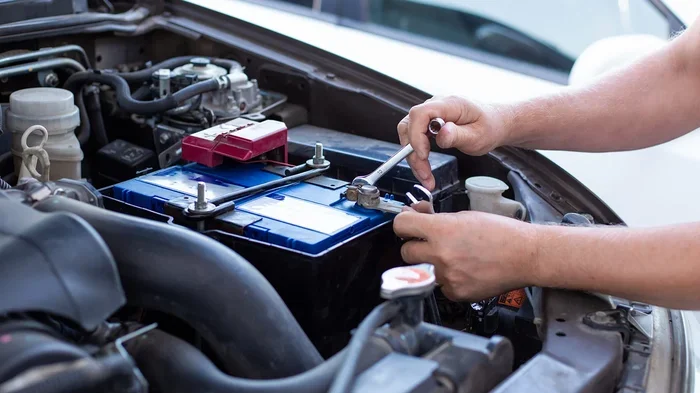
Open your hood and find the battery. In most cars, the battery sits in a tray on the left or right side of the engine bay. Some vehicles have a cover over the battery. Remove any covers or shields first. Consult your owner’s manual if you are unsure of the location.
Once you find the battery, identify the positive and negative terminals. The positive terminal is marked with a plus sign (+) and usually has a red cover or cable. The negative terminal is marked with a minus sign (-) and usually has a black cover or cable.
Step 2: Disconnect the Negative Terminal First
This is the most important safety step. Always disconnect the negative terminal first. This prevents the possibility of a short circuit if your wrench accidentally touches metal parts of the car.
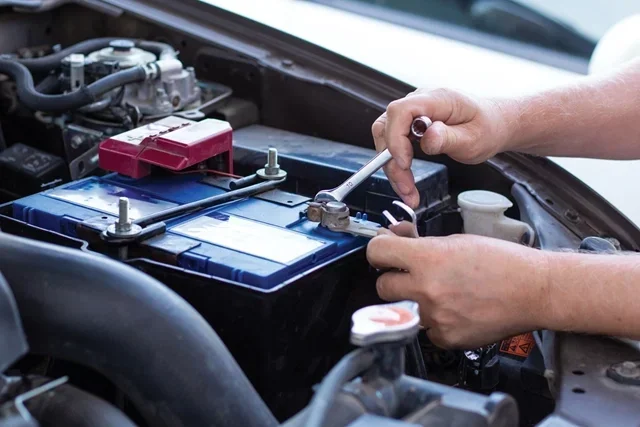
Use your wrench to loosen the nut on the negative terminal clamp. Twist and pull the clamp off the terminal. Set it aside in a safe place. Repeat the process for the positive terminal.
Remember: Negative first, positive second. When reconnecting, you do the opposite: positive first, negative second.
Step 3: Remove the Battery Hold-Down Clamp
Most batteries are secured by a hold-down clamp or bracket. This prevents the battery from moving while you drive. Locate the clamp and use your wrench to remove the bolt or bracket holding it in place.
Set the clamp and bolts aside where you will not lose them. Some vehicles use a wing nut that you can loosen by hand. Others require a socket wrench. Check what type your vehicle uses before you start.
Step 4: Remove the Old Battery
Batteries are heavy. A typical car battery weighs between 30 and 50 pounds. Use both hands to lift it straight up and out of the tray. Do not tilt it. Place it on a flat, stable surface away from children and pets.
If the battery is stuck, check for any additional brackets or holds you may have missed. Some trays have side rails that need to be released before the battery can be removed.
Step 5: Clean the Battery Tray and Terminals
This step is crucial and often skipped. Over time, corrosion builds up on the battery tray and cable terminals. Cleaning this buildup ensures a solid connection with your new battery.
Make a paste of baking soda and water. Apply it to the corroded areas. Use your battery cleaning brush to scrub away the corrosion. Wipe clean with a rag. For the cable terminals, use a terminal cleaner brush to scrub the inside of each cable end until it shines.
Dry everything thoroughly before moving to the next step. Moisture can cause further corrosion.
Step 6: Install the New Battery
Carefully place the new battery into the tray, matching the positive and negative terminals to their respective cable ends. The terminals should line up with the cable positions. Make sure the battery sits flat and secure in the tray.
Reinstall the hold-down clamp and tighten the bolt. The battery should not move when you push on it. A secure battery prevents damage from vibration while driving.
Step 7: Reconnect the Terminals
Now you reconnect the cables. Start with the positive terminal. Place the clamp over the positive post and tighten the nut securely. Then connect the negative terminal the same way.
Make sure each connection is tight. A loose connection can cause starting problems and electrical issues. You should not be able to wiggle the cable off the terminal by hand.
Apply a thin layer of anti-corrosion spray or terminal grease to each terminal post. This protects against future buildup and keeps the connection clean.
Step 8: Test the New Battery
Start your engine and let it run for a few minutes. Check that all electrical systems work properly. Lights, radio, power windows, and air conditioning should all function normally.
If you have a multimeter, check the voltage across the battery terminals. A healthy battery should read around 12.6 volts with the engine off. When the engine is running, the alternator should charge the battery to between 13.7 and 14.7 volts.
If your car won’t start with a new battery, do not panic. Double-check your connections. Make sure the positive and negative cables are on the correct terminals and are tight. Also check that you did not leave any tools or rags near the battery that could cause a short.
Common Mistakes to Avoid When Changing a Car Battery
Even simple tasks can go wrong. Knowing the common mistakes helps you avoid them and ensures a smooth battery replacement.
Forgetting to Reset Electronic Systems
When you disconnect the battery, your car may lose settings for the radio, clock, power windows, and infotainment system. Some vehicles also need a reset for the throttle body or adaptive learning. Check your owner’s manual for specific reset procedures.
Mixing Up the Terminals
Connecting the cables to the wrong terminals can damage your vehicle’s electrical system. Always double-check that the positive cable goes to the positive terminal and the negative cable goes to the negative terminal.
Skipping the Cleaning Step
Corrosion on the old battery terminals transfers to the new battery if you do not clean it. This leads to poor connections and starting problems down the road. Take the extra five minutes to clean thoroughly.
Over-Tightening the Clamp
Tightening the terminal nut too much can crack the battery post or strip the threading. Use firm, steady pressure. Stop when you feel resistance increase. The connection should be snug, not crushed.
Improper Battery Disposal
Car batteries contain toxic chemicals and lead. They must be recycled properly. Never throw a car battery in the trash. Most auto parts stores accept old batteries for recycling, often for a small core charge refund.
Not Checking the Battery Size
Batteries come in different sizes and specifications. Installing the wrong battery can cause fitting issues and poor electrical performance. Always verify the group size and CCA rating before purchasing.
How to Dispose of Your Old Battery Properly
Car batteries are hazardous waste. They contain lead and sulfuric acid, both of which are harmful to the environment. Proper disposal is not optional. It is required by law in most areas.
Where to Take Your Old Battery
- Auto parts stores: Stores like AutoZone, O’Reilly, and Advance Auto Parts accept old batteries for recycling.
- Scrap yards and recycling centers: Most local recycling facilities accept car batteries.
- Dealerships: Your car dealership can often take the old battery and dispose of it properly.
- Waste collection events: Many communities host hazardous waste collection days where you can drop off batteries.
Some stores even offer a core charge refund when you return your old battery. This is a small amount, usually between five and fifteen dollars, that you paid when you bought the new battery. Returning the old battery gets this money back.
If you are replacing a hybrid battery, the process is different. Hybrid vehicles use high-voltage battery packs that require special handling. Never attempt to replace a hybrid battery yourself unless you have proper training and equipment. Take your hybrid to a certified technician or dealer for battery replacement.
When to Seek Professional Help
Most car battery changes are straightforward. But some situations call for a professional. Know your limits and when to ask for help.
You should consider a professional if:
- Your battery is located in a hard-to-reach area under the trunk or seat.
- Your vehicle has a stop-start system that requires battery registration.
- You need to replace a hybrid battery or high-voltage battery pack.
- You notice persistent electrical issues even after installing a new battery.
- Your battery keeps dying, which may indicate an alternator or charging system problem.
Sometimes the battery is not the real problem. A failing alternator can cause repeated battery failures. A mechanic can test your entire charging system to identify the root cause. This saves you from replacing batteries repeatedly without fixing the underlying issue.
Maintaining Your New Battery for Longevity
Getting a new battery is only half the job. Proper maintenance helps it last longer and perform reliably. A few simple habits go a long way.
Regular Inspection
Every few months, pop the hood and inspect your battery. Look for any signs of corrosion on the terminals. Check that the cables are tight and secure. Clean any minor buildup with a baking soda solution and a wire brush.
Avoid Short Trips
Short trips do not give your battery enough time to fully recharge. The alternator needs several minutes of driving to replenish the charge. If you mostly drive short distances, consider using a battery maintainer or trickle charger.
Turn Off Accessories Before Shutting Down
Headlights, interior lights, and the radio left on drain the battery. Make it a habit to turn everything off before you shut down the engine. This simple habit extends battery life significantly.
Check the Battery Water Level
If your battery has removable caps, check the water level every few months. The plates should be covered by about half an inch of distilled water. Never use tap water, as minerals can damage the battery.
Keep the Battery Secure
Vibration from driving can damage the internal plates of a battery. Make sure the hold-down clamp is tight and the battery does not shift in its tray. A secure battery lasts longer and performs better.
Frequently Asked Questions
Can I change my car battery myself?
Yes, changing a car battery is one of the simplest DIY maintenance tasks. You need basic tools like a wrench, safety gloves, and a new battery that matches your vehicle’s specifications. As long as you follow the correct order of disconnecting and reconnecting terminals, it is a safe and straightforward process.
How long does it take to change a car battery?
Most people can change a car battery in 15 to 30 minutes. The actual time depends on how accessible the battery is and whether there is corrosion buildup that needs cleaning. If everything goes smoothly, you will be done in under half an hour.
What happens if I connect the battery cables to the wrong terminals?
Connecting the cables to the wrong terminals can cause a short circuit and damage your vehicle’s electrical system, including the alternator, ECU, and fuses. Always double-check that the positive cable connects to the positive terminal and the negative cable connects to the negative terminal. If you are unsure, refer to your vehicle’s owner manual.
Do I need to reset anything after replacing my battery?
Yes, in most cases. Disconnecting the battery resets your radio presets, clock, power window auto-up/down settings, and sometimes the infotainment system. Some vehicles also require a battery registration procedure at a dealership or with a diagnostic tool. Check your owner’s manual for specific reset instructions.
Can I drive immediately after installing a new battery?
Yes, you can drive immediately after installing a new battery. Start the engine, let it run for a few minutes, and check that all electrical systems work. The alternator will begin charging the new battery as soon as the engine is running. However, avoid turning on all electrical accessories at once until the battery has charged for a few minutes.
How do I know if my new battery is defective?
Signs of a defective new battery include slow cranking, dim lights, and the battery warning light on your dashboard. Use a multimeter to test the voltage. It should read at least 12.6 volts when the engine is off. If the voltage is low and the battery is fully charged, the battery may be defective and should be returned to the store for a replacement.
Conclusion
Changing a car battery step by step is a task anyone can learn. It requires no special skills, minimal tools, and about 30 minutes of your time. You save money, gain confidence, and keep your vehicle running reliably.
Remember the key steps: gather your tools, wear safety gear, disconnect the negative terminal first, clean the connections, install the new battery, reconnect in the right order, and test everything. Avoid the common mistakes, dispose of your old battery properly, and maintain your new battery with regular inspections.
With this guide, you have everything you need to tackle the job with confidence. The next time your battery shows signs of weakness, you will know exactly what to do. Grab your wrench, get a new battery, and get it done. Your car will thank you for it.