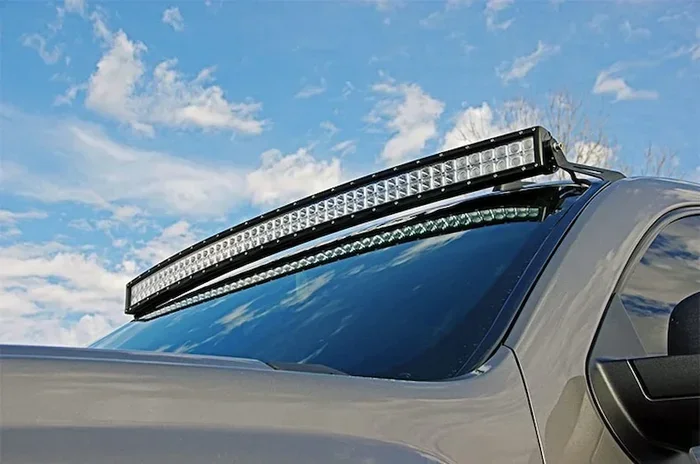
Everything You Need to Know About Additional Lights for Car
Additional lights for car can transform your driving experience by improving visibility, safety, and style. Whether you drive off-road, commute daily, or want a custom look, auxiliary car lighting offers real benefits. This guide covers types, installation, and how to pick the right setup for your vehicle.
Have you ever driven down a dark, empty road and wished your headlights reached farther? You are not alone. Many drivers look for ways to see better, drive safer, and make their vehicles stand out. That is exactly why additional lights for car setups have become so popular. Whether you are a weekend off-roader, a daily commuter, or someone who just loves the look of a well-lit vehicle, adding extra lighting can make a huge difference. In this guide, we will walk you through everything you need to know. We will cover the types of lights available, how to choose the right ones, and how to install them the right way.
The world of aftermarket car lighting has changed a lot in recent years. LED technology has made lights brighter, more efficient, and more affordable than ever before. You no longer need a huge budget or a mechanic to get great results. With a little knowledge and some basic tools, you can upgrade your vehicle’s lighting in just a few hours. Let us dive into the details and help you make the best choice for your car.
Key Takeaways
- Improved Visibility: Additional lights for car setups help you see farther and drive safer at night or in bad weather.
- Multiple Types Available: From LED light bars to fog lights and underglow, there is an option for every driver and budget.
- Easy Installation: Most auxiliary lighting kits are designed for simple DIY setup with basic tools.
- Legal Considerations Matter: Always check local laws before adding extra lights to avoid fines or failed inspections.
- Boosts Vehicle Value: Properly installed aftermarket lighting can increase your car’s resale appeal and functionality.
- Right Bulb Type Is Key: LED options last longer, use less power, and give brighter output than older halogen alternatives.
📑 Table of Contents
What Are Additional Lights for Car?
Additional lights for car refer to any extra lighting you add beyond your vehicle’s factory headlights and taillights. These can include LED light bars, fog lights, driving lamps, underglow strips, and even roof-mounted light setups. The goal is simple — give you better light where you need it most. Factory headlights are designed to meet basic safety standards, but they often fall short in tough conditions like fog, rain, or rough terrain.
Auxiliary car lighting fills that gap. Think of it as giving your car a second set of eyes. These lights work alongside your stock headlights to expand your view of the road ahead or the terrain around you. Many drivers add them for practical reasons, while others enjoy the custom look they bring to their ride.
Why Do People Add Extra Lights?
There are several reasons why drivers invest in off-road lighting or extra driving lamps. Here are the most common ones:
- Better nighttime visibility: Extra lights help you see potholes, animals, and obstacles earlier.
- Improved weather driving: Fog and rain reduce visibility. Dedicated fog lights for car cut through moisture better than standard headlights.
- Off-road adventures: Trails and dirt roads need bright, wide-reaching light to navigate safely.
- Enhanced vehicle style: Many lighting options add a rugged or modern look to any vehicle.
- Safety on rural roads: Country roads often lack street lighting, making extra lights a real safety upgrade.
Types of Additional Lights You Can Add
Not all extra lights are the same. Each type serves a different purpose and works best in specific situations. Let us break down the most popular auxiliary car lighting options you can add to your vehicle.
LED Light Bars
LED light bars are the most popular choice among drivers who want maximum reach. These long, rectangular lights mount on the roof, grille, or bull bar of your vehicle. They project a wide, powerful beam that can light up the road hundreds of feet ahead. Off-road LED lights in bar form are perfect for trucks, SUVs, and Jeeps that see trail time regularly.
Most modern light bars use LED driving lamps technology, which means they draw very little power while producing intense brightness. You can find them in different sizes, from compact 12-inch models to full-size 40-inch bars. The size you choose depends on your vehicle and your needs.
Fog Lights
Fog lights for car are mounted low on the front bumper. They shine a flat, wide beam that cuts through fog, snow, and heavy rain. Unlike standard headlights that bounce light off moisture particles and create glare, fog lights point downward and forward to illuminate the road surface directly.
Many drivers keep their fog lights for car on year-round because they improve visibility even in clear conditions at low speeds. They are especially useful in the early morning and late evening when mist or dew is present.
Driving Lights
Driving lights work hand-in-hand with your high beams. They extend the reach of your headlights, giving you more time to react to obstacles on the road. Auxiliary driving lights are typically smaller than light bars and mount in the grille area. They produce a focused beam that travels far down the road.
If you frequently drive on unlit highways or rural roads, driving lights are one of the most practical upgrades you can make. They do not replace your headlights — they complement them.
Underglow and Accent Lights
Some drivers add lights purely for aesthetics. Underglow lights mount under the vehicle and create a glowing effect on the ground. You can find them in many colors and even in LED strips that change color. While these do not improve visibility, they do make your car stand out at night.
Accent lights can go on wheel wells, inside the cabin, or under the dashboard. They are all about personal style and making your vehicle unique.
Roof-Mounted and Canopy Lights
For overlanding and camping enthusiasts, roof-mounted lights are a game-changer. These lights mount on roof racks or cargo canopies and provide 360-degree illumination around your vehicle. They are perfect for setting up camp, cooking outdoors, or working on your vehicle at night.
Light bar canopy setups combine a protective cover with built-in lighting. This gives you both shelter and brightness in one package. Many 4×4 and overland vehicles use these setups as a core part of their lighting plan.
Benefits of Adding Extra Lights to Your Car
Adding additional lights for car is not just about seeing better. There are many benefits that go beyond simple visibility. Let us look at why this upgrade is worth considering.
Enhanced Safety
The biggest benefit of aftermarket car lighting is safety. Better light means you can spot dangers sooner. Whether it is a deer on a rural road, a pothole in your lane, or a stalled car ahead, extra lights give you precious seconds to react. Those seconds can make all the difference.
Better Performance in Tough Conditions
Rain, fog, snow, and dust all reduce your headlights’ effectiveness. Dedicated auxiliary driving lights and fog lights are designed to perform in these exact conditions. They use special beam patterns and lens coatings to cut through the interference and light up the road ahead.
Increased Vehicle Capability
If you use your car for work or recreation, extra lights expand what your vehicle can do. A truck with a proper off-road lighting setup can tackle trails at night that would be impossible to navigate with stock headlights alone. Work trucks benefit from bright light at job sites, parking lots, and construction zones.
Custom Style and Personalization
Let us be honest — extra lights look cool. A sleek LED light bar on the front of a truck or a subtle underglow setup can completely change the look of your vehicle. Car enthusiasts love the ability to personalize their ride, and lighting is one of the easiest ways to do it.
How to Choose the Right Additional Lights for Car
With so many options available, choosing the right additional lights for car setup can feel overwhelming. Here are the key factors to consider before you buy.
Consider Your Driving Needs
Think about where and how you drive the most. Do you hit dirt trails on weekends? A roof-mounted light bar with a wide beam pattern is your best bet. Do you commute through foggy coastal areas? Fog lights for car mounted low on the bumper will serve you well. If you drive long highways at night, driving lights that extend your high beam reach are ideal.
Your driving environment should dictate your choice. There is no one-size-fits-all solution, and the best setup matches your real-world needs.
Check the Light Output and Beam Pattern
Light output is measured in lumens. Higher lumens mean brighter light, but brightness alone does not tell the whole story. The beam pattern matters just as much. A flood beam spreads light wide for close-range visibility, while a spot beam focuses light far down the road for distance.
Many quality light bars offer a hybrid beam that combines both flood and spot patterns. This gives you the best of both worlds — wide nearby visibility and long-range reach.
Look at Build Quality and Durability
Your lights will face vibration, moisture, heat, and debris. Choose off-road LED lights that are rated for tough conditions. Look for IP67 or IP68 waterproof ratings, which mean the light can handle heavy rain and even submersion. Polycarbonate lenses resist cracking better than glass, and aluminum housings dissipate heat effectively.
Match the Lights to Your Vehicle’s Electrical System
Some light bars draw a lot of power, and older vehicles may struggle to handle the extra load. Check your alternator output and battery capacity before installing high-wattage lights. Most LED driving lamps are designed to be efficient, but it is still smart to verify compatibility.
Budget and Brand Reputation
You can find budget auxiliary car lighting kits for under $50, while premium setups can cost several hundred dollars. Spending more usually gets you better build quality, brighter output, and longer warranty coverage. Stick with reputable brands that have strong customer reviews and solid warranty policies.
Installation Tips for Additional Lights
Installing additional lights for car is one of the most satisfying DIY projects you can tackle. Most kits come with everything you need, and the process is straightforward if you take it step by step.
Gather Your Tools First
Before you start, make sure you have the basics on hand. You will typically need a drill, screwdrivers, wire strippers, crimping tools, zip ties, and electrical tape. Some installations also require a socket wrench set and a multimeter to test connections.
Mounting the Lights
Where you mount your lights matters a lot for performance. Light bar bracket kits usually include mounting hardware for the roof, grille, or bumper. Make sure the mount is secure and does not interfere with your hood or any moving parts. For fog lights for car, mounting them low and angled slightly upward gives the best beam pattern.
Wiring the Lights Properly
Wiring is the most important part of the installation. Always connect your light bar wiring to a switched power source so the lights only turn on when you need them. Use a relay for high-draw lights to protect your vehicle’s electrical system. A light bar switch mounted on the dash gives you easy control while driving.
Take your time with the wiring. Loose or exposed connections can cause flickering, blown fuses, or even electrical shorts. If you are not confident with wiring, a quick trip to a local auto shop for help is well worth it.
Test Before You Drive
Once everything is connected, test all the lights before hitting the road. Check that each light turns on and off properly, that the beam pattern looks correct, and that the switch works reliably. Adjust the aim of the lights if needed — you do not want to blind oncoming traffic.
Quick Tips for a Smooth Installation
- Always use a relay for lights drawing more than 20 amps.
- Run wires away from heat sources and moving parts.
- Use light bar cover or protective mesh to shield lights from debris.
- Label your wires during installation to make future troubleshooting easier.
- Seal all drill holes with rubber grommets to prevent water intrusion.
Common Mistakes to Avoid
Even with the best intentions, mistakes happen when adding extra lights to a vehicle. Here are the most common errors and how to avoid them.
Skipping the Relay
Some drivers connect high-power lights directly to the factory wiring without a relay. This can overload the circuit, blow fuses, or even damage your vehicle’s electrical system. Always use a proper relay and fuse setup for any additional lights for car installation.
Choosing the Wrong Beam Pattern
A common mistake is buying a light with a beam pattern that does not match your needs. A spot beam that goes too far can blind other drivers, while a flood beam that is too wide wastes light energy. Choose based on where and how you will use the lights most often.
Ignoring Local Laws
Not all extra lighting is legal on public roads. Some jurisdictions restrict the color, brightness, or placement of auxiliary lights. Underglow lights, for example, are banned in some states. Before you install anything, check your local vehicle codes and regulations to avoid fines or failed inspections.
Mounting Lights Too High
Mounting a light bar too high on the roof can blind other drivers and create a safety hazard. Keep auxiliary lights at a height and angle that provides good visibility without impairing other road users. The goal is to help you see better, not to blind everyone else.
Forgetting About Light Aim
Even the best LED light bar will perform poorly if it is not aimed correctly. After installation, take the time to adjust the aim so the beam lights up the road without pointing into other drivers’ eyes. A quick adjustment can make a massive difference in both performance and safety.
Expert Insights on Vehicle Lighting Upgrades
We spoke with several automotive lighting specialists to get their top advice for drivers considering additional lights for car setups. Their advice is consistent and practical.
Start with your needs, not your wants. It is tempting to buy the brightest, biggest light bar you can find, but that does not mean it is the right choice for your driving. Think about where you drive, what conditions you face, and what problems you want to solve.
Quality wiring matters as much as the lights themselves. Even the best off-road lighting will underperform if the wiring is cheap or improperly installed. Invest in good gauge wire, quality connectors, and a solid switch setup.
Consider a dual setup. Many drivers get the best results by combining a light bar for long-range visibility with fog lights for close-range coverage. This gives you full-spectrum lighting that handles almost any situation.
Maintenance keeps your lights performing. Clean your lights regularly, check connections for corrosion, and replace any damaged light bar bracket or wiring immediately. A little upkeep goes a long way toward keeping your lighting system reliable for years.
Conclusion
Additional lights for car are one of the most practical and rewarding upgrades you can make to any vehicle. They improve your visibility, enhance your safety, and add a personal touch to your ride. Whether you choose a rugged LED light bar, reliable fog lights for car, or a full off-road lighting setup, the key is to match the lights to your real driving needs.
Take your time choosing the right products, follow proper installation practices, and always respect local laws. With the right aftermarket car lighting setup, you will wonder how you ever drove without it. Start planning your upgrade today and enjoy the road ahead with confidence and clarity.
Frequently Asked Questions
Are additional lights for car legal to use on public roads?
Laws vary by state and country. Most regions allow auxiliary lights like fog lights and driving lights, but there are often restrictions on brightness, color, and mounting height. Always check your local vehicle codes before installing extra lights to make sure you stay compliant.
How many lumens do I need for an LED light bar?
For most drivers, a light bar with 2,000 to 6,000 lumens provides excellent visibility without being excessive. If you drive mostly on well-lit roads, you need less. For serious off-roading or rural highway driving, a higher lumen output gives you better reach down the road.
Can I install additional lights for car myself?
Yes, most auxiliary car lighting kits are designed for DIY installation. You will need basic tools like a drill, wire strippers, and a screwdriver. If you are comfortable with basic electrical work, you can complete the installation in a few hours.
Do underglow lights affect vehicle safety?
Underglow lights are purely cosmetic and do not improve your ability to see the road. However, they can make your vehicle more visible to other drivers, which is a minor safety benefit. Just make sure any underglow setup complies with local laws regarding color and placement.
What is the difference between LED driving lights and halogen driving lights?
LED driving lights use significantly less power, last much longer, and produce brighter, whiter light than halogen options. Halogen lights are cheaper upfront but burn out faster and generate more heat. For most drivers, LED is the better long-term investment.
How do I aim my additional lights correctly?
Most light bars and driving lights come with adjustable mounts. Park your vehicle about 25 feet from a flat wall, turn on the lights, and adjust the aim so the beam hits the wall at the correct height. You want the light to illuminate the road ahead without pointing into other drivers’ eyes at a distance.