What Causes the VSC Light to Stay On and How to Fix It
The VSC light stays on when your Vehicle Stability Control system detects a problem with traction, braking, or sensor components. Common causes include a faulty ABS sensor, low brake fluid, a damaged steering angle sensor, or a malfunctioning check engine light trigger. In this guide, you will learn the top reasons your VSC warning light won’t turn off and how to fix it yourself or with a mechanic.
You are driving down the road, and suddenly you notice a strange light glowing on your dashboard. It is not the check engine light. It is not the battery light. It is the VSC light, and it just will not go off. If you have ever wondered what causes the VSC light to stay on, you are not alone. This is one of the most common dashboard warnings that drivers face, especially in Toyota, Honda, and other popular brands.
The VSC system, short for Vehicle Stability Control, plays a big role in keeping you safe. It helps your car maintain traction when road conditions get tough. When this light comes on and stays on, it means something is not working the way it should. The good news is that most causes are simple to fix. In this article, we will walk you through every possible reason your VSC light stays on and show you exactly how to fix it.
Whether you are a DIY mechanic or someone who just wants to understand what is happening under the hood, this guide has you covered. We will break down each cause in plain language, give you practical tips, and help you decide when to visit a mechanic. Let us get started.
Key Takeaways
- Dirty or faulty wheel speed sensors are the most common reason the VSC light stays on.
- Low brake fluid can trigger both the VSC and brake warning lights at the same time.
- A stuck or failing ABS module disrupts the entire stability control system.
- Steering angle sensor misalignment often happens after a wheel alignment or steering repair.
- You can reset the VSC light temporarily, but fixing the root cause is essential for safety.
- Using an OBD-II scanner helps you read the exact error code behind the VSC warning.
- Driving with the VSC light on reduces traction control, especially on wet or icy roads.
📑 Table of Contents
- What Is the VSC Light and Why Does It Matter?
- What Causes the VSC Light to Stay On?
- How to Diagnose the VSC Light Problem
- How to Fix the VSC Light and Reset the System
- Common Mistakes People Make When the VSC Light Comes On
- When Should You See a Professional Mechanic?
- How to Prevent VSC Light Issues in the Future
- Final Thoughts
What Is the VSC Light and Why Does It Matter?
Before we dive into the causes, let us quickly talk about what the VSC light actually means. VSC stands for Vehicle Stability Control. Some car brands call it ESC, which stands for Electronic Stability Control. They are basically the same system. This system uses a network of sensors to monitor your car’s direction, speed, and traction.
When the system detects that your car is sliding or losing grip, it automatically applies brakes to individual wheels. It can also reduce engine power. This helps you stay in control, especially during sudden turns or on slippery surfaces.
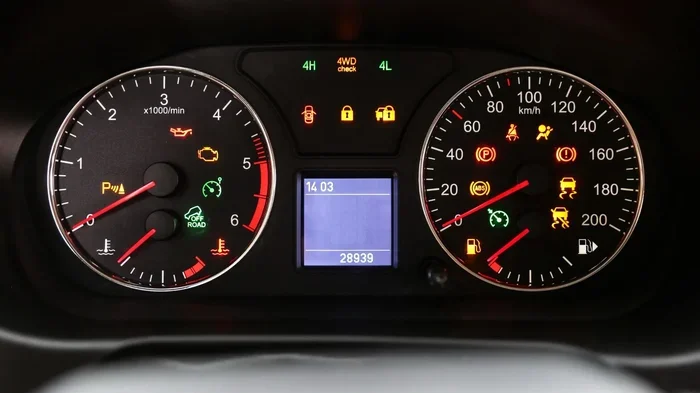
The VSC light on your dashboard looks like a car with squiggly lines behind it. When it stays on, it means the system has been turned off or there is a malfunction. A blinking VSC light usually means the system is actively working to correct your vehicle’s path. A steady light means something needs your attention.
Why Should You Care About the VSC Light?
Your stability control system is a safety feature. When it is not working, your car is more likely to skid or spin out. This is especially dangerous in rain, snow, or on gravel roads. Ignoring the VSC light for too long can also lead to bigger problems with your brakes or steering components.
So the next time you see that light, do not ignore it. Take a moment to understand what might be causing it. That is exactly what we will cover next.
What Causes the VSC Light to Stay On?
There are many reasons why the VSC light might stay on. Some are minor and easy to fix. Others need professional attention. Let us go through each one in detail.
1. Faulty Wheel Speed Sensors
This is the number one cause of a VSC light that stays on. Your car has a wheel speed sensor on each wheel. These sensors tell the VSC and ABS systems how fast each wheel is spinning. When one sensor gets dirty, damaged, or stops working, the system cannot do its job.
Common signs of a bad wheel speed sensor include:
- The VSC light comes on and stays on
- The ABS light also turns on at the same time
- Your car pulls to one side during hard braking
- You notice erratic speedometer readings
Dirt, road grime, and metal shavings can build up on the sensor. A simple cleaning might fix the problem. But if the sensor is cracked or the wiring is damaged, you will need to replace it. Replacement costs usually range from $100 to $300 per sensor, depending on your car model.
2. Low Brake Fluid Level
Your VSC system relies heavily on your braking system. If your brake fluid is low, the VSC light will often turn on as a warning. Brake fluid leaks can happen over time, especially in older vehicles.
Check your brake fluid reservoir under the hood. It is usually located near the back of the engine bay on the driver’s side. The fluid should be between the minimum and maximum marks. If it is low, top it off and see if the light goes away.
However, low brake fluid often means there is a leak somewhere. Check around the brake lines, calipers, and master cylinder for any signs of fluid. Brake fluid feels slippery and has a slightly oily texture. If you find a leak, get it repaired right away. Brake system failures are extremely dangerous.
3. Steering Angle Sensor Problems
Your car has a steering angle sensor that measures how much you are turning the steering wheel. The VSC system uses this information to know which direction you want to go. If the sensor is misaligned or faulty, it sends wrong signals, and the VSC light comes on.
This often happens after you get a new steering rack installed or after a wheel alignment. The sensor needs to be recalibrated. In many cases, a simple recalibration with a diagnostic tool will fix the issue. But if the sensor itself is damaged, replacement is the only option.
Steering angle sensor replacement can cost between $200 and $600, depending on your vehicle make and model.
4. ABS Module Malfunction
The ABS module is the brain of your anti-lock braking system. It works closely with the VSC system. If the ABS module starts to fail, it can trigger the VSC light. This is a more serious issue that usually requires professional diagnosis and repair.
Signs of a failing ABS module include:
- The ABS light and VSC light both stay on
- Your brakes feel different or unresponsive
- You hear grinding or clicking noises when braking
- The car vibrates during hard stops
ABS module repairs can be expensive, sometimes costing $500 to $1,000 or more. This is why it is important to address VSC light issues early before they turn into bigger problems.
5. Yaw Rate Sensor Failure
Your car has a yaw rate sensor that measures how fast your vehicle is rotating around its vertical axis. Think of it as the sensor that knows when your car is starting to spin. If this sensor fails, the VSC system cannot detect a loss of control, and the light comes on.
The yaw rate sensor is usually located near the center of the car, under the seats or in the trunk area. Replacement costs typically range from $150 to $400. This is not a common failure, but it does happen, especially in older vehicles with higher mileage.
6. Check Engine Light Connection
Here is something many drivers do not realize. The VSC system and the check engine light are closely connected. When the engine control module detects a problem, it can trigger the VSC light as well. This is because the VSC system relies on engine data to adjust power delivery.
If you have both the check engine light and the VSC light on, use an OBD-II scanner to read the error codes. The codes will tell you exactly what is going on. Common engine-related causes include:
- Oxygen sensor failure
- Catalytic converter issues
- Mass airflow sensor problems
- Ignition coil or spark plug issues
Fixing the underlying engine problem usually turns off the VSC light as well.
7. Faulty Brake Light Switch
The brake light switch is a small but important component. It tells your car when you are pressing the brake pedal. It also sends signals to the VSC and ABS systems. If this switch fails, the VSC light can stay on even when everything else is working fine.
Symptoms of a bad brake light switch include brake lights that do not work or stay on all the time. Replacing a brake light switch is inexpensive and easy, usually costing under $30 for the part and taking about 15 minutes to install.
8. Wiring and Electrical Issues
Sometimes the problem is not a sensor or a module. Sometimes it is just a loose wire or a corroded connector. The VSC system depends on a complex web of wiring. A damaged wire or a corroded connector can disrupt communication between sensors and the control module.
This is especially common in older vehicles or cars that have been in accidents. If you have recently had bodywork done, a connector might have been bumped or damaged. A thorough inspection of the wiring harness in the wheel wells and under the car can reveal these issues.
How to Diagnose the VSC Light Problem
Now that you know the common causes, let us talk about how to actually figure out what is wrong with your car. Diagnosing the VSC light does not have to be complicated.
Step 1: Check for Obvious Issues First
Before you grab any tools, do a quick visual check. Look at your brake fluid level. Check if any other dashboard lights are on. Make sure your brake lights work when you press the pedal. These simple checks can save you a lot of time.
Step 2: Use an OBD-II Scanner
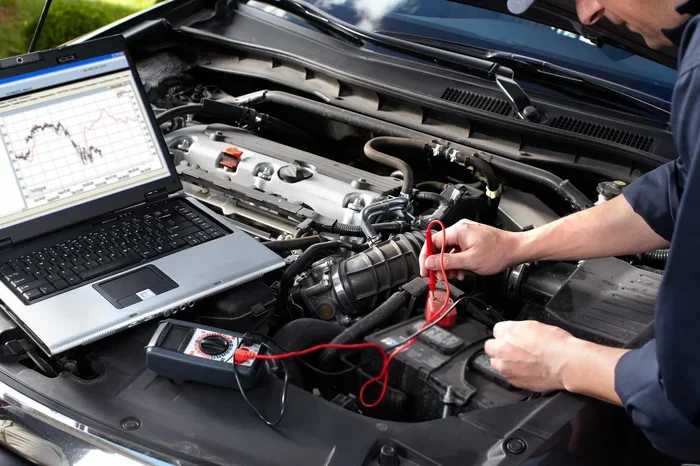
An OBD-II scanner is the best tool for diagnosing VSC light issues. You can buy one for under $40 at most auto parts stores or online. Plug it into the diagnostic port under your steering column. The scanner will read the error codes stored in your car’s computer.
Common VSC-related codes include:
- C0035 – Left Front Wheel Speed Sensor Circuit
- C0040 – Right Front Wheel Speed Sensor Circuit
- C1200 – ABS Control Module Communication Error
- C0030 – Rear Wheel Speed Sensor Circuit
Write down all the codes and look them up. Many auto parts stores will read the codes for free if you bring your car in.
Step 3: Inspect Sensors and Wiring
Once you have the codes, you can narrow down the problem. If a wheel speed sensor code comes up, inspect that sensor and its wiring. Clean it with a soft brush and brake cleaner. If the sensor looks damaged, replace it.
If the code points to the ABS module or steering angle sensor, you may need a professional mechanic for further diagnosis. These components require specialized tools and knowledge.
How to Fix the VSC Light and Reset the System
Once you have identified and fixed the root cause, you will want to reset the VSC light. Here are the most effective ways to do it.
Method 1: Disconnect the Battery
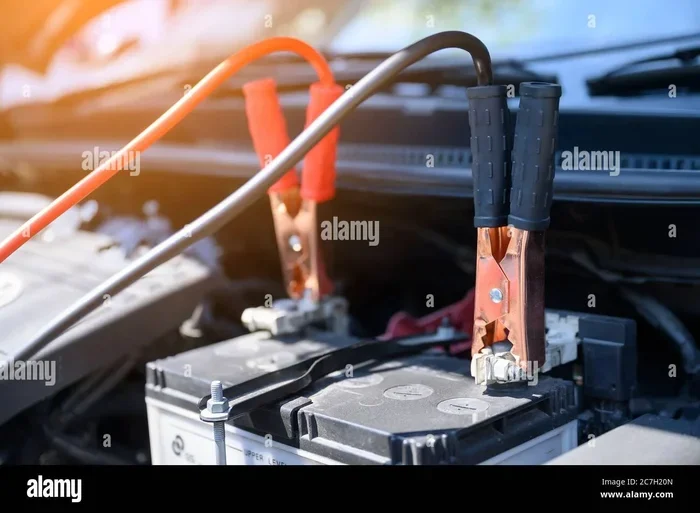
Turn off your engine and remove the keys. Disconnect the negative battery cable using a wrench. Wait for at least 15 minutes. This allows the car’s computer to fully reset. Reconnect the battery and start the engine. The VSC light should be off if the problem has been resolved.
Quick Tip: Disconnecting the battery will also reset your radio presets and clock. Make sure you have those codes handy before you disconnect.
Method 2: Use the VSC Button
Many Toyota and Honda vehicles have a dedicated VSC button. It is usually located near the gear shift or on the dashboard. Press and hold the button for a few seconds to turn the VSC system off and then back on. This can clear a temporary fault.
If the light comes back on after a few drives, the underlying problem has not been fixed yet. Go back and check your sensors and fluid levels.
Method 3: Clear Codes with a Scanner
If you have an OBD-II scanner, you can use it to clear the error codes after making your repair. Plug in the scanner, navigate to the clear codes option, and follow the prompts. This will turn off the VSC light if the fix was successful.
Drive your car for a few miles after clearing the codes. If the light stays off, your repair worked. If it comes back, the problem is not fully resolved yet.
Common Mistakes People Make When the VSC Light Comes On
Avoid these common mistakes that many drivers make when dealing with the VSC light.
- Ignoring the light: Some drivers just leave the VSC light on and keep driving. This is risky because you lose stability control when you need it most.
- Replacing parts without diagnosing: Do not just swap out sensors blindly. Use a scanner to find the exact code. Replacing the wrong part wastes money and time.
- Resetting without fixing: Clearing the VSC light without fixing the root cause is pointless. The light will come right back on, and you will have wasted your time.
- Delaying brake fluid checks: Low brake fluid is an easy fix that many people overlook. Check it regularly, especially if you notice the VSC light coming on.
- Not checking after repairs: If you replace a sensor or fix a leak, always check that the VSC light is off before you drive in challenging conditions.
When Should You See a Professional Mechanic?
Not every VSC light issue is a DIY fix. Here are some situations where you should call a professional mechanic.
If the VSC light comes on along with the brake warning light, do not drive the car. Have it towed to a repair shop. Brake system problems are serious and should not be handled by amateurs.
If your OBD-II scanner shows codes related to the ABS module or yaw rate sensor, these repairs require specialized tools and training. A qualified mechanic will have the right diagnostic equipment to test these components properly.
Also, if you have tried resetting the light and it keeps coming back, there is a deeper issue you have not found yet. A professional mechanic can perform a thorough inspection of the entire VSC and braking system.
Regular maintenance goes a long way in preventing VSC light issues. Keep up with your brake fluid changes, have your sensors inspected during oil changes, and address any warning lights promptly. Prevention is always cheaper than repair.
How to Prevent VSC Light Issues in the Future
Once you have fixed the VSC light, you will want to keep it from coming back. Here are some simple steps you can take.
- Check your brake fluid every month. Low fluid is one of the easiest triggers for the VSC light.
- Keep your wheel sensors clean. During tire rotations or washes, give the sensors a quick wipe-down.
- Address check engine lights promptly. The VSC and engine systems are connected. Fixing engine issues early prevents VSC problems.
- Get regular diagnostic scans. Even if no lights are on, a yearly scan can catch small issues before they become big problems.
- Drive carefully over rough roads. Potholes and debris can damage sensors and wiring. Avoid them when you can.
Taking these simple precautions will help your VSC system work reliably for years to come. Your car will stay safer, and you will avoid unexpected dashboard surprises.
Final Thoughts
The VSC light is there to protect you. When it stays on, your car is telling you that something needs attention. Whether it is a dirty wheel speed sensor, low brake fluid, or a more serious ABS module issue, the fix is almost always possible. The key is to diagnose the problem correctly and address it quickly.
Use an OBD-II scanner to read the error codes. Check the simple things first, like fluid levels and sensor connections. If the problem is beyond your comfort level, take your car to a trusted mechanic. Never ignore the VSC light, especially if you drive in areas with rain, snow, or uneven terrain.
Your safety and the safety of your passengers depend on your car’s stability control system working properly. By following the steps in this guide, you can confidently handle the VSC light and keep your car running safely. Do not wait until a small issue becomes a big expense. Take action today and get that VSC light off your dashboard for good.
Frequently Asked Questions
Can I drive my car with the VSC light on?
You can drive with the VSC light on for short distances to get to a repair shop. However, your stability control system will not be active. This means your car is more likely to skid on wet or icy roads. Drive carefully and avoid sudden turns or hard braking until the issue is fixed.
How much does it cost to fix the VSC light?
The cost depends entirely on the cause. A simple sensor cleaning might cost nothing. Replacing a wheel speed sensor typically costs $100 to $300. ABS module repairs can range from $500 to $1,000. A brake light switch replacement is usually under $50. Always get a proper diagnosis first so you know exactly what you are paying for.
Will the VSC light reset itself after the repair?
In some cases, yes. Once the root cause is fixed, the VSC light may turn off after a few drive cycles. However, in many vehicles, you need to manually reset the system using the VSC button or an OBD-II scanner. If the light stays on after the repair, there may still be an unresolved issue.
What is the difference between the VSC light and the check engine light?
The VSC light specifically indicates a problem with the Vehicle Stability Control system. The check engine light is broader and covers engine and emissions issues. However, the two systems are connected. A problem detected by the engine computer can trigger both lights at the same time. An OBD-II scanner can help you identify which system triggered the warning.
How often should I check my brake fluid?
You should check your brake fluid at least once a month. This takes only a few minutes and can prevent VSC light issues. Brake fluid naturally absorbs moisture over time, which can reduce its effectiveness. Most manufacturers recommend a full brake fluid change every two years or 30,000 miles.
Can a dead battery cause the VSC light to come on?
Yes, a weak or dead battery can cause the VSC light to turn on. The VSC system relies on a steady electrical supply to operate correctly. If your battery voltage drops, the sensors and control module may malfunction. If you notice the VSC light along with other electrical issues, have your battery tested as a first step.
=== CONCLUSION ===
The VSC light staying on is a warning you should not ignore. What causes the VSC light to stay on can range from a simple dirty sensor to a serious ABS module failure. The most common culprits are faulty wheel speed sensors, low brake fluid, steering angle sensor issues, and ABS module malfunctions. By understanding these causes and following the diagnostic steps in this guide, you can take control of the situation.
Start with the basics. Check your brake fluid, inspect your sensors, and use an OBD-II scanner to read the error codes. Reset the system after making your repair, and always test drive your car to confirm the fix worked. If the problem persists, do not hesitate to visit a professional mechanic.
Your vehicle’s stability control system is one of the most important safety features you have. Keeping it in good working order protects you, your passengers, and everyone else on the road. Take the time to address the VSC light today, and you will enjoy safer, more confident driving for miles to come.