Does Car Insurance Cover Rodent Damage Here Is The Answer
Does car insurance cover rodent damage? The answer depends on your policy type. Comprehensive car insurance typically covers rodent damage, including chewed wires and chewed hoses. However, basic liability coverage will not pay for this type of vehicle damage. Understanding your policy details and taking preventive steps can save you thousands in repair costs.
This is a comprehensive guide about Does Car Insurance Cover Rodent Damage.
Key Takeaways
- Comprehensive coverage is key: Most standard policies exclude rodent damage, but comprehensive car insurance includes it.
- Deductibles apply: You will pay your deductible before the insurance company covers the rest of the repair cost.
- Prevention matters: Using rodent deterrents and parking wisely can reduce the risk of damage significantly.
- Claims process is straightforward: Documenting the damage and filing a claim early helps speed up the payout.
- Rodent damage is common: Mice, rats, and squirrels frequently chew through wires, insulation, and hoses in parked vehicles.
- Exclusions exist: Some policies may deny claims if the damage is deemed preventable or due to neglect.
[FEATURED_IMAGE_PLACEHOLDER]
Does Car Insurance Cover Rodent Damage Here Is The Answer
Finding chewed wires or shredded insulation in your car is frustrating. You wonder, does car insurance cover rodent damage? The short answer is: it depends on your coverage type. Most drivers assume their basic policy covers everything. That is not always true.
Rodent damage to vehicles is more common than you think. Mice, rats, and squirrels love nesting in warm engine compartments. They chew through wiring harnesses, brake lines, and even coolant hoses. The repair bill can easily reach hundreds or even thousands of dollars. Understanding what your policy covers can make a huge difference when disaster strikes.
This guide breaks down everything you need to know. We will cover what comprehensive coverage includes, how to file a claim, and what you can do to prevent rodent damage in the first place. Whether you have a new sedan or a classic truck, this information matters for every car owner.
Comprehensive car insurance is the key player here. If you only carry liability coverage, you will likely pay out of pocket for rodent repairs. But if you have full coverage, there is hope. Let us dive into the details so you know exactly where you stand.
What Is Rodent Damage to a Vehicle?
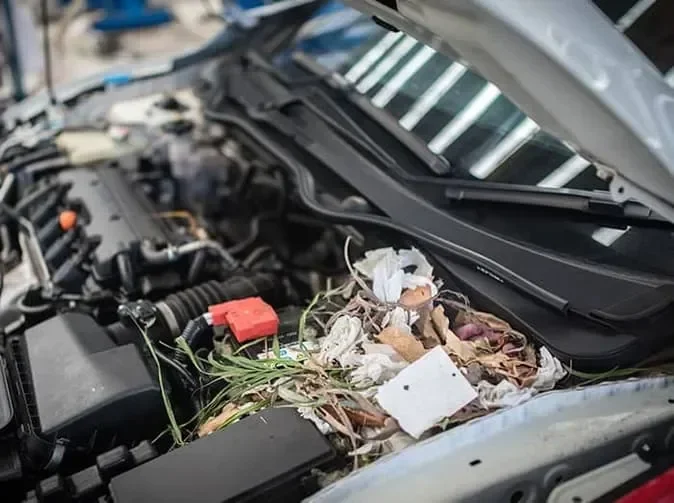
Rodent damage refers to any harm caused by rodents chewing, nesting, or scratching inside your vehicle. This type of damage is surprisingly extensive. Rodents are attracted to the warmth of engines, especially during colder months. They also enjoy the texture of insulation and wiring materials.
Common signs of rodent damage include:
- Chewed or frayed wires under the hood
- Holes in air filters or cabin filters
- Chewed hoses such as brake lines and coolant hoses
- Nesting materials found in the engine bay or trunk
- Chewed seat upholstery or carpeting
- Strange smells from urine or droppings
- Check engine lights triggered by damaged wiring
Rodent damage can affect your car in ways you might not expect right away. For example, chewed wires can cause electrical failures. Damaged brake lines create serious safety risks. Even chewed coolant hoses can lead to engine overheating. These problems do not just go away on their own.
Many people ask, does car insurance cover rodent damage, only after they see the damage. The earlier you act, the better your chances are of getting a successful claim approved. Keep reading to learn how your coverage works.
How Does Car Insurance Handle Rodent Damage?
Your car insurance policy type determines whether rodent damage is covered. Let us look at the different types of coverage and what they mean for you.
Liability Coverage Does Not Cover Rodent Damage
Most states require drivers to carry liability insurance. This coverage pays for damage you cause to other people or their property. It does not cover damage to your own vehicle. So if a mouse chews through your engine wiring, liability coverage will not help. You will pay for every repair yourself.
Comprehensive Coverage Covers Rodent Damage
Comprehensive car insurance is the coverage that includes rodent damage. This optional coverage pays for non-collision events. These include theft, vandalism, weather damage, falling objects, and animal damage. If a rodent chews through your car wires, comprehensive coverage steps in.
Here is how it typically works:
- You pay your deductible first (commonly $500 or $1,000)
- The insurance company pays the remaining repair cost
- You file a claim and provide documentation of the damage
- An adjuster inspects the vehicle and approves or denies the claim
The deductible amount matters a lot. If your rodent damage repair costs $1,500 and your deductible is $1,000, the insurance company pays $500. If the repair costs are less than your deductible, you will pay the full amount yourself. This is why understanding your deductible before you need it is so important.
Collision Coverage Does Not Apply
Collision coverage pays for damage from accidents involving another vehicle or object. Rodent damage is not an accident in the insurance sense. It falls under comprehensive coverage instead. Do not expect your collision policy to help here.
Does Every Comprehensive Policy Cover Rodent Damage?
Here is where things get tricky. While comprehensive coverage generally includes animal damage, not every policy treats rodent damage the same way. Some insurance companies have specific exclusions. Others handle it without question.
Let us look at some common scenarios:
Policies That Cover Rodent Damage Without Issue
Most major insurance companies include rodent damage under comprehensive coverage. Companies like State Farm, Progressive, and Geico typically pay out these claims. They understand that rodent damage is a common and unavoidable risk. As long as you have comprehensive coverage and your deductible is met, you should be fine.
Policies With Exclusions or Limitations
Some policies may exclude rodent damage or limit payouts. For example, a few companies argue that rodent damage is preventable. They may claim that parking in a garage or using deterrents should reduce the risk. In rare cases, they might deny the claim entirely if they believe the owner was negligent.
This is why reading your policy details matters. Before you file a claim, review the fine print. Call your insurance agent and ask directly: does car insurance cover rodent damage on my specific policy? Getting a clear answer upfront saves you from surprises later.
How to Check Your Policy
Here are simple steps to verify your coverage:
- Read your policy declarations page carefully
- Look for the word “comprehensive” or “other than collision”
- Check for any exclusions related to animal or pest damage
- Call your insurance provider and ask directly
- Ask about your deductible amount and how it applies to animal claims
Taking these five minutes now can save you hours of frustration later. It is always better to know before the damage happens.
How to File a Rodent Damage Insurance Claim
If you have comprehensive coverage and your vehicle suffered rodent damage, filing a claim is the next step. The process is simpler than most people think. Here is a clear walkthrough.
Step 1: Document the Damage
Before you touch anything, take photos. Capture every damaged area clearly. Photograph chewed wires, holes in hoses, nesting materials, and any droppings you find. These images serve as evidence for your claim. The more detailed your documentation, the smoother the process will be.
Step 2: Contact Your Insurance Company
Call your insurance provider as soon as possible. Report the rodent damage and ask about the claims process. Many companies allow you to file online or through their mobile app. Have your policy number ready, along with all your photos and notes.
Step 3: Get an Estimate
Take your vehicle to a trusted mechanic or dealership. Ask for a detailed repair estimate that breaks down every cost. The insurance company will use this estimate to determine how much they will pay. Make sure the estimate includes labor costs, parts, and any diagnostic fees.
Some repair shops, like Autozone, can also help identify hidden electrical issues caused by chewed wires. This is especially useful if the rodent damage affected your car’s sensors or computer systems.
Step 4: Submit Your Claim
Submit your claim with all supporting documents. Include the photos, the repair estimate, and a written description of the damage. Be honest and thorough. Insurance adjusters appreciate clear, well-organized claims.
Step 5: Wait for Approval
After submission, the insurance company assigns an adjuster to review your case. The adjuster may inspect the vehicle in person. Once approved, you will receive payment minus your deductible. The timeline varies, but most claims resolve within a few weeks.
How Much Does Rodent Damage Repair Cost?
The cost of repairing rodent damage varies widely. It depends on the extent of the damage and the type of vehicle you drive. Here are some typical repair costs to give you an idea:
- Minor wire damage: $100 to $300
- Chewed brake lines: $200 to $600
- Damaged coolant hoses: $150 to $400
- Extensive wiring harness replacement: $500 to $2,000
- Engine damage from chewed coolant lines: $1,000 to $4,000+
- Interior upholstery repair: $200 to $800
These numbers can add up fast. A single chewed wire might seem minor, but rodents often cause damage in multiple areas at once. The total repair bill can surprise you. This is exactly why having the right insurance coverage matters so much.
If your auto insurance rodent damage claim is approved, the insurance company covers the cost above your deductible. Without comprehensive coverage, you bear the full burden. For many drivers, this difference means hundreds or thousands of dollars out of pocket.
How to Prevent Rodent Damage to Your Car
Prevention is always better than repair. Taking a few simple steps can dramatically reduce the risk of rodent damage to your vehicle. Here are proven strategies that work.
Park in a Garage or Covered Area
Rodents prefer dark, sheltered spaces. Parking your car in a closed garage makes it far less attractive to them. If a garage is not an option, use a car cover. A tight-fitting cover removes the shelter rodents seek, making them less likely to nest under your hood.
Use Rodent Deterrents
Several products are designed to keep rodents away from vehicles:
- Peppermint oil spray: Rodents dislike the strong scent. Spray it around the engine bay every few days.
- Ultrasonic deterrent devices: These plug into your car’s 12V outlet and emit sounds rodents hate.
- Rodent-repellent tape: This tape contains capsaicin, which deters rodents from chewing on wires.
- Steel wool: Stuff it into openings where rodents might enter the engine bay.
Keep Your Car Clean
Do not leave food wrappers or snacks in your car. Even small crumbs attract rodents. Remove all food items and vacuum the interior regularly. A clean car is far less inviting to pests.
Drive Your Car Regularly
Rodents are less likely to nest in a car that is driven frequently. The vibration, noise, and movement make the space uncomfortable for them. If you own a second vehicle or a classic car that sits idle, start it and drive it at least once a week.
Inspect Your Car Regularly
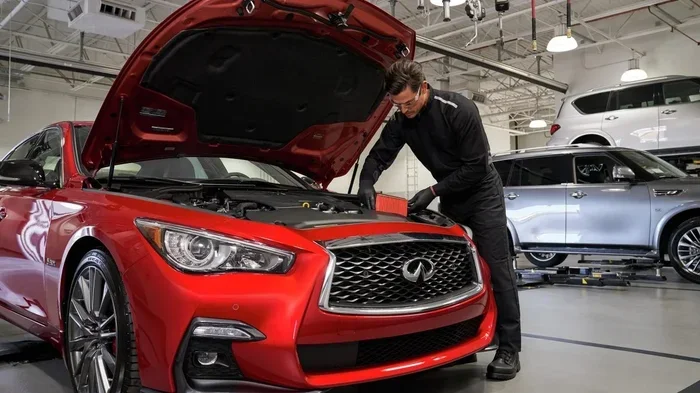
Pop the hood every few weeks and look for signs of rodent activity. Check for droppings, nesting materials, or chewed wires. Catching the problem early limits the damage and keeps repair costs down.
Some drivers also ask about tire damage from rodents or other related issues. The principles are the same: comprehensive coverage helps, and prevention reduces risk.
What Happens If Your Claim Is Denied?
Sometimes, insurance companies deny rodent damage claims. This does not mean you have no options. Here is what you can do if your claim gets rejected.
First, ask for a written explanation of the denial. Insurance companies must provide a reason. Common reasons include insufficient documentation, policy exclusions, or the adjuster’s belief that the damage was pre-existing.
Second, gather additional evidence. More photos, a second repair estimate, or a veterinarian report (for pet-related deterrent use) can strengthen your case. You can also request a re-inspection by a different adjuster.
Third, file a complaint with your state’s insurance regulatory board. This step is powerful and often overlooked. State regulators can intervene and force the insurance company to reconsider their decision.
Finally, consider consulting an attorney if the claim involves significant repair costs. Many attorneys offer free consultations for insurance disputes. You have rights as a policyholder, and a denied claim does not always mean the end of the road.
Does Car Insurance Cover Rodent Damage to Other Vehicles?
If a rodent damages someone else’s car while it is parked near your vehicle, your liability coverage might apply. However, this is a rare scenario. Rodent damage is almost always considered damage to the owner’s own vehicle. In most cases, the other driver’s comprehensive coverage would handle the claim.
If you accidentally hit a rodent while driving, collision coverage typically applies. This is different from rodent damage that occurs while the car is parked. Understanding this distinction helps you know which coverage to use and when.
Expert Insights on Rodent Damage and Insurance
Insurance professionals agree that comprehensive coverage is essential for rodent protection. According to industry experts, rodent claims spike during fall and winter months when rodents seek warm shelter. Vehicles parked near fields, wooded areas, or older buildings face the highest risk.
One insurance expert noted that rodent damage claims have increased in recent years. More drivers are keeping their cars longer, which means more vehicles sit idle for extended periods. Idle vehicles are prime targets for nesting rodents.
The same expert recommends combining comprehensive coverage with proactive prevention. Insurance pays for repairs, but prevention reduces the frequency and severity of claims. Smart car owners do both.
Common Mistakes People Make With Rodent Damage Claims
Avoid these common mistakes when dealing with rodent damage and insurance:
- Waiting too long to file: Delays can raise questions about the severity of the damage. File promptly.
- Not documenting properly: Poor photos or vague descriptions lead to denied claims.
- Ignoring the deductible: Know your deductible amount before you file. It affects whether the claim is worth pursuing.
- Assuming all policies are the same: Read your specific policy. Exclusions vary by company.
- Repairing before the adjuster inspects: Always let the insurance adjuster see the damage first. Repairing early can complicate or void your claim.
Key Takeaways
- Comprehensive coverage is essential: It is the only standard coverage type that includes rodent damage. Without it, you pay out of pocket.
- Deductibles affect your payout: Choose a deductible you can comfortably afford in case of a claim.
- Prevention reduces risk and cost: Simple steps like parking in a garage and using deterrents can save you hundreds in repairs.
- Document everything: Photos, estimates, and clear communication with your insurer make the claims process smoother.
- Denied claims are not the end: You have options including appeals, regulatory complaints, and legal consultation.
- Know your policy: Understanding your coverage before damage occurs puts you in a much stronger position.
Conclusion
So, does car insurance cover rodent damage? The answer is clear: comprehensive car insurance covers rodent damage in most cases. Liability and collision coverage do not. If you want protection against rodent damage, comprehensive coverage is a must-have.
Rodent damage is a real and common problem for vehicle owners. Chewed wires, damaged hoses, and shredded insulation can lead to expensive repairs. Having the right insurance coverage ensures you are not left paying those bills alone.
Take the time to review your policy today. Confirm you have comprehensive coverage. Understand your deductible. And start using prevention strategies to keep rodents away from your vehicle. A few small steps now can save you significant money and stress later.
Your car is a major investment. Protect it properly. Know what your insurance covers, and take action before rodent damage catches you off guard.
FAQs
Does full coverage car insurance cover rodent damage?
Yes, full coverage typically includes comprehensive coverage, which covers rodent damage. Full coverage means both collision and comprehensive coverage. The comprehensive portion handles non-collision events like animal damage, theft, and weather. If you only have liability coverage, rodent damage is not included.
What should I do immediately after discovering rodent damage in my car?
First, take detailed photos of all the damage. Do not clean up or move anything before documenting it. Next, contact your insurance company to report the damage and start the claims process. Finally, get a repair estimate from a trusted mechanic. Acting quickly helps ensure your claim is processed smoothly.
Will my insurance rates go up after filing a rodent damage claim?
It depends on your insurer and your claims history. Comprehensive claims are generally viewed differently than at-fault accidents. Many insurance companies do not raise rates for comprehensive claims, especially for single incidents. However, it is always best to check with your specific provider before filing.
Are there specific car models that attract rodents more than others?
Yes, some models are more prone to rodent damage. Vehicles with soy-based wiring insulation, which many modern cars use, attract rodents more than older models with traditional wiring. Toyota, Honda, and Ford have reported higher rates of rodent damage in certain model years. Check with your mechanic or dealership if you are concerned about your specific vehicle.
Can I negotiate the cost of rodent damage repairs with my insurance company?
You cannot negotiate the insurance payout amount directly, but you can dispute it. If you feel the estimate is too low, get a second opinion from another mechanic. Provide the additional estimate to your insurance adjuster. They will review the new information and adjust the payout if warranted.
How long does it take for a rodent damage insurance claim to be processed?
Most rodent damage claims are processed within two to four weeks. The timeline depends on the complexity of the damage, the adjuster’s availability, and how quickly you submit all required documentation. Simple claims with clear damage may resolve in just a few days. More complex cases involving extensive wiring damage may take longer.
Frequently Asked Questions
What is Does Car Insurance Cover Rodent Damage?
Does Car Insurance Cover Rodent Damage is an important topic with many practical applications.