How Many Quarts of Oil Are in a 57 350 Engine Capacity
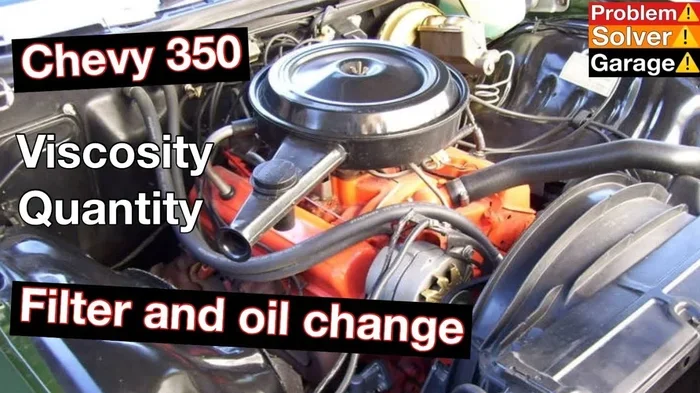
The 5.7 350 engine holds approximately 6 quarts of oil with a filter change. Knowing your oil capacity is essential for proper engine maintenance and performance. This guide covers the exact quarts needed, oil type recommendations, and step-by-step tips for a successful oil change on your 5.7L V8.
Have you ever wondered exactly how much oil your 5.7 350 engine needs? Whether you are a seasoned DIY mechanic or a curious car owner, knowing your oil capacity is one of the most important basics of vehicle care. The good news is that figuring this out is simpler than you might think.
The 5.7 liter V8 engine, often called the 350 cubic inch motor, is a legendary powerplant found in countless trucks, SUVs, and performance cars. These engines have earned a strong reputation for durability and raw power. But even the best engines need proper care, and that starts with using the right amount of engine oil.
In this guide, we will walk you through everything you need to know about the oil capacity of a 5.7 350 engine. You will learn the exact number of quarts needed, which oil type works best, and how to perform a basic oil change with confidence. Whether you want to save money on service costs or simply understand your vehicle better, this article has you covered.
Key Takeaways
- Oil Capacity: The 5.7 350 engine requires about 6 quarts of oil with a new filter installed.
- Correct Oil Type: Use the recommended viscosity to protect your engine and maintain performance.
- Regular Changes Matter: Sticking to your oil change interval keeps the engine running smoothly for years.
- Avoid Overfilling: Too much oil can cause serious engine damage and costly repairs.
- DIY-Friendly: Changing your own oil is simple with the right tools and a little know-how.
- Check the Manual: Always refer to your owner’s manual for the exact specs of your specific vehicle.
📑 Table of Contents
- Understanding the 5.7 350 Engine
- How Many Quarts of Oil Does a 5.7 350 Hold?
- Choosing the Right Oil for Your 5.7 350
- Step-by-Step Oil Change Guide
- Common Oil Change Mistakes to Avoid
- Where to Get Your Oil Changed
- How Often Should You Change the Oil in a 5.7 350?
- Expert Tips for Maintaining Your 5.7 350 Engine
- Conclusion
Understanding the 5.7 350 Engine
The 5.7L V8 engine is a workhorse. It has powered some of the most popular vehicles on the road for decades. Before diving into oil specifics, it helps to understand a little about what makes this engine tick.
What Is the 5.7 350 Engine?
The 5.7 350 refers to the engine’s displacement. The 5.7 liters (or 350 cubic inches) describes the total volume of all the engine cylinders combined. This is a V8 configuration, meaning it has eight cylinders arranged in a V shape. The engine is known for its balance of torque, horsepower, and reliability.
You will find this engine in many Chevrolet trucks, SUVs, and performance vehicles. It is also used by other manufacturers under different names. The engine has gone through several generations, each improving on fuel efficiency and power output. Despite these updates, the basic oil requirements have remained fairly consistent across most versions.
Why Oil Capacity Matters
Using the correct amount of oil is critical. Too little oil means the engine components do not get proper lubrication. This leads to increased friction, heat buildup, and eventually serious engine damage. On the other hand, too much oil can cause foaming, which reduces the oil’s ability to lubricate effectively.
Overfilling can also cause oil to enter the combustion chamber. This leads to blue smoke from the exhaust, fouled spark plugs, and potential catalytic converter damage. Keeping the oil level right is one of the simplest things you can do to protect your investment.
How Many Quarts of Oil Does a 5.7 350 Hold?
This is the big question, and the answer depends on a few factors. Let us break it down clearly.
Standard Oil Capacity
For most 5.7 350 engines, the standard oil capacity with a filter change is approximately 6 quarts. Without a new filter, the crankcase holds about 5 quarts. These numbers are consistent across the majority of vehicles equipped with this engine.
However, it is always a good idea to double-check your owner’s manual. Some vehicle configurations may vary slightly based on the specific model, engine options, or climate package. The manual will give you the precise figure for your exact vehicle.
Factors That Can Change Oil Capacity
A few things can cause slight variations in the amount of oil your engine needs:
- Engine Variant: Different trims or performance packages may have slightly different oil pan sizes.
- Oil Filter Type: Some aftermarket filters hold more or less residual oil than OEM filters.
- Climate Conditions: Extreme temperatures can affect oil viscosity and the amount needed for proper coverage.
- Engine Modifications: Upgraded or modified engines may have different oil requirements.
When in doubt, always start with the manufacturer’s recommendation. You can always add a small amount if needed after checking the dipstick.
Choosing the Right Oil for Your 5.7 350
Picking the right oil goes hand in hand with knowing the correct capacity. The wrong oil type can reduce engine life and performance.
Recommended Oil Viscosity
Most 5.7 350 engines perform best with 5W-30 or 10W-30 viscosity oil. The “W” stands for winter, and the number before it indicates how the oil flows in cold temperatures. The second number tells you how the oil behaves at operating temperature.
Here is a quick look at common recommendations:
- 5W-30: Best for most driving conditions and climates. Offers good flow in cold starts.
- 10W-30: A solid choice for warmer climates or older engines with higher mileage.
- 5W-20: Some newer variants may recommend this for improved fuel economy.
Always check your owner’s manual or the oil fill cap under the hood for the manufacturer’s specific recommendation. Using the wrong viscosity can lead to poor lubrication and increased engine wear.
Conventional vs. Synthetic Oil
You have two main choices when it comes to oil type. Conventional oil is made from refined crude oil and is more affordable. Synthetic oil is chemically engineered for superior performance and protection.
Synthetic oil offers several advantages:
- Better protection at extreme temperatures
- Longer intervals between changes
- Improved fuel efficiency
- Reduced sludge buildup
For a 5.7 350 engine that sees heavy use or towing, full synthetic oil is often the better choice. It provides the strongest protection under demanding conditions. However, conventional oil still works well for standard driving and is easier on the wallet.
Step-by-Step Oil Change Guide
Changing the oil in your 5.7 350 engine is a straightforward process. With the right tools and a little patience, you can do it at home and save money on service costs.
Tools and Materials You Will Need
- 6 quarts of the recommended oil
- New oil filter (check your manual for the correct part number)
- Oil filter wrench
- Socket wrench and appropriate socket
- Oil drain pan
- Jack and jack stands or ramps
- Funnel
- Gloves and safety glasses
- Rags or paper towels
The Oil Change Process
Follow these steps for a clean and efficient oil change:
- Warm up the engine: Run the engine for a few minutes. Warm oil flows faster and drains more completely.
- Lift the vehicle: Use a jack and stands or drive onto ramps. Make sure the vehicle is secure.
- Locate the drain plug: Find the oil pan underneath the engine. Place the drain pan beneath it.
- Remove the drain plug: Use your socket wrench to loosen and remove the plug. Let the old oil drain completely.
- Remove the old oil filter: Use an oil filter wrench to unscrew the old filter. Be careful as it will be full of oil.
- Install the new filter: Apply a thin layer of fresh oil to the rubber gasket on the new filter. Screw it on by hand until snug, then tighten slightly.
- Replace the drain plug: Once the oil has stopped flowing, reinstall the drain plug and tighten it securely.
- Add new oil: Use a funnel to pour in about 5 quarts of fresh oil. Check the dipstick and add the remaining oil gradually.
- Check for leaks: Start the engine and let it run for a minute. Look under the vehicle for any drips.
- Reset the oil life monitor: Follow your vehicle’s manual to reset the oil change reminder.
After the change, dispose of the old oil and filter properly at a recycling center. Never pour used oil down the drain or into the trash.
Common Oil Change Mistakes to Avoid
Even experienced car owners can make mistakes when changing oil. Here are some common pitfalls to watch out for.
Overfilling the Engine
Adding too much oil is one of the most common mistakes. It might seem harmless, but excess oil causes foaming and pressure buildup. This can lead to oil leaks, damaged seals, and in severe cases, engine failure. Always add oil gradually and check the dipstick frequently.
If you accidentally overfill, do not ignore it. You can drain the excess through the drain plug or have a mechanic remove it. Driving with too much oil for extended periods can cause serious problems. If you are ever unsure, check what happens when you drive with too much oil to understand the risks.
Skipping the Oil Filter
Some people try to save money by reusing the old oil filter. This is a bad idea. A clogged or worn filter cannot properly clean the oil. Fresh oil will pick up contaminants quickly, reducing its effectiveness and potentially damaging engine components. Always install a new filter with every oil change.
Using the Wrong Oil Type
Not all oils are created equal. Using the wrong viscosity or type can lead to poor engine protection. In cold climates, thick oil may not flow fast enough during startup. In hot climates, thin oil may break down too quickly under heat. Always match your oil to the manufacturer’s recommendation.
Ignoring Oil Change Intervals
Even the best oil breaks down over time. It loses its ability to lubricate, cool, and clean the engine. Skipping oil changes is one of the fastest ways to shorten your engine’s lifespan. Stick to the recommended interval, which is typically every 5,000 to 7,500 miles for most vehicles.
Not Checking for Leaks After the Change
After completing an oil change, always inspect underneath the vehicle for any signs of dripping. A loose drain plug or improperly seated oil filter can cause slow leaks that go unnoticed. Catching these early saves you from bigger problems down the road.
Where to Get Your Oil Changed
If you prefer not to change your oil at home, there are plenty of options available. Each has its own advantages and trade-offs.
Dealership Service Centers
Dealerships offer professional service with factory-trained technicians. They use OEM parts and follow manufacturer guidelines. However, dealership service can be more expensive than other options. If you are paying out of pocket, it is worth comparing prices.
Independent Mechanics
Independent shops often provide quality service at lower prices than dealerships. Many independent mechanics specialize in specific brands and have deep expertise. Look for shops with good reviews and certified technicians.
Quick Lube Shops
Quick lube chains offer convenience and fast service. They are a great option for routine oil changes. However, quality can vary, so choose a reputable location. You may also want to see if you can negotiate the price of an oil change to get a better deal.
DIY at Home
Doing it yourself gives you full control over the oil quality and process. It is the most affordable option in the long run. Plus, it is a great way to learn more about your vehicle and catch potential issues early.
How Often Should You Change the Oil in a 5.7 350?
The frequency of your oil changes depends on several factors, including your driving habits and the type of oil you use.
For conventional oil, most manufacturers recommend changing it every 3,000 to 5,000 miles. With full synthetic oil, you can often stretch the interval to 7,500 or even 10,000 miles. Towing, hauling heavy loads, or driving in extreme temperatures will shorten these intervals.
Modern vehicles often have an oil life monitoring system that tracks driving conditions and tells you when it is time for a change. Pay attention to these alerts. They are designed to give you the most accurate recommendation for your specific driving patterns.
Regular oil changes are one of the cheapest forms of preventive maintenance. Skipping them can lead to costly engine repairs that easily run into thousands of dollars. A simple oil change every few thousand miles can keep your 5.7 350 engine running strong for hundreds of thousands of miles.
Expert Tips for Maintaining Your 5.7 350 Engine
Beyond just oil changes, there are a few extra steps you can take to keep your engine in top shape.
- Check oil levels regularly: Get in the habit of checking your oil with the dipstick at least once a month. Low oil levels between changes can indicate a leak or excessive oil consumption.
- Watch for warning signs: Listen for unusual engine noises, check for dashboard warning lights, and pay attention to any changes in engine performance.
- Keep records: Maintain a log of all oil changes, including the date, mileage, oil type, and filter used. This helps you stay on track and adds value if you ever sell the vehicle.
- Use quality parts: Invest in a good quality oil filter and reputable oil brands. Cheap filters may not capture contaminants effectively, and low-quality oil may not provide adequate protection.
- Warm up before driving hard: Allow the engine a minute or two to circulate oil before pushing it hard, especially in cold weather.
Taking these extra steps shows your engine some love and pays off in long-term reliability and performance. A well-maintained 5.7 350 engine will reward you with years of dependable service.
Conclusion
Knowing how many quarts of oil your 5.7 350 engine holds is fundamental to keeping it running at its best. The standard capacity is approximately 6 quarts with a filter change, but always confirm with your owner’s manual for the exact figure. Use the recommended oil type and viscosity, and never skip regular oil changes.
Whether you change your oil at home or visit a professional, staying on top of this simple maintenance task is one of the best investments you can make in your vehicle. A well-lubricated engine runs smoother, lasts longer, and delivers better fuel economy. Take the time to care for your 5.7 350, and it will take care of you for miles to come.
Keep these tips in mind, share this guide with fellow car enthusiasts, and make engine oil maintenance a priority. Your vehicle will thank you every time you turn the key.
Frequently Asked Questions
How many quarts of oil does a 5.7 350 engine take?
Most 5.7 350 engines hold approximately 6 quarts of oil with a new filter installed. Without a filter, the capacity is around 5 quarts. Always check your owner’s manual for the exact specification of your specific vehicle model.
What type of oil is best for a 5.7 350 engine?
5W-30 or 10W-30 viscosity oil is typically recommended for the 5.7 350 engine. Full synthetic oil offers the best protection and longer change intervals. Always follow the manufacturer’s recommendation found in your owner’s manual or on the oil fill cap.
Can I overfill my 5.7 350 engine with oil?
Yes, overfilling is possible and can cause serious engine problems. Excess oil creates foam, reduces lubrication, and may lead to oil entering the combustion chamber. Always add oil gradually and check the dipstick after each addition to avoid overfilling.
How often should I change the oil in my 5.7 350 engine?
For conventional oil, change every 3,000 to 5,000 miles. With synthetic oil, intervals can extend to 7,500 or 10,000 miles. Driving habits, towing, and extreme temperatures can shorten these intervals, so monitor your driving conditions and adjust accordingly.
Is it hard to change the oil in a 5.7 350 engine at home?
Not at all. Changing oil at home is one of the simplest maintenance tasks. You need basic tools, a drain pan, and about 30 minutes. It saves money and gives you confidence in understanding your vehicle better. Just make sure to dispose of the old oil properly.
What happens if I use the wrong oil in a 5.7 350 engine?
Using the wrong oil can lead to poor lubrication, increased engine wear, reduced fuel economy, and potential engine damage. Wrong viscosity oil may not flow properly at certain temperatures. Always use the oil type and weight recommended by the manufacturer for best results.