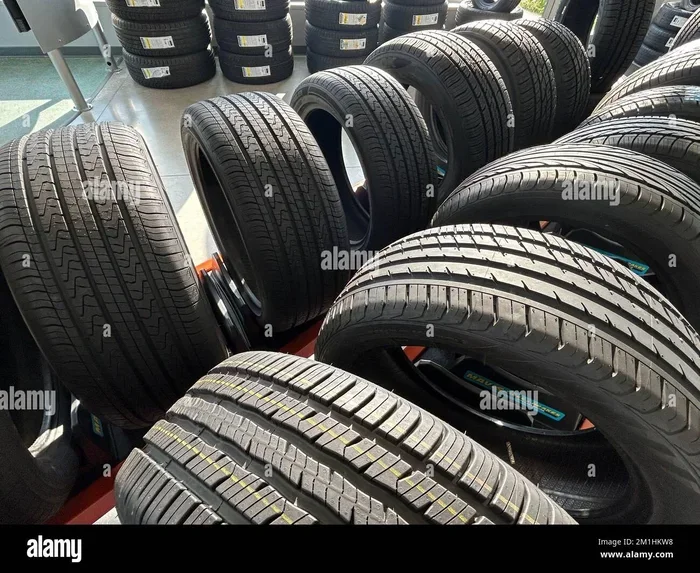
How Many Miles Do Dealership Tires Last On Average
Dealership tires typically last between 40,000 and 70,000 miles, depending on the brand, driving habits, and maintenance routine. Most new vehicles come equipped with OEM tires that carry a mileage warranty, but real-world results vary widely. Understanding what affects tire longevity helps you get the most miles out of every set.
You just drove your new car off the lot, and those fresh tires look amazing. But here is the question no one tells you upfront: how many miles do dealership tires last? Whether you bought a sedan, truck, or SUV, the tires that came on your vehicle play a huge role in safety, fuel economy, and overall driving comfort.
The truth is, there is no single magic number. Tire lifespan depends on several factors, from the brand and model to how you drive and maintain them. In this guide, we break down everything you need to know about dealership tire mileage, so you can plan your replacements and avoid surprises.
Most people assume their new car tires will last forever. They do not. Even the best OEM tires wear down over time. The good news is that with the right care, you can push that lifespan well beyond the average estimate. Let us dive in.
Key Takeaways
- Average Lifespan: Most dealership tires last 40,000 to 70,000 miles before needing replacement.
- Warranty Matters: Many OEM tires come with a 60,000-mile treadwear warranty from the manufacturer.
- Driving Style Counts: Aggressive driving, hard braking, and sharp turns wear tires out much faster.
- Maintenance Is Key: Regular tire rotations, proper inflation, and alignment checks significantly extend tire life.
- Tire Quality Varies: Premium tires often outlast budget options, even at a similar price point.
- Hybrid and Electric Vehicles: These can wear tires faster due to instant torque and heavier battery weight.
- Know When to Replace: Use the penny test and tread depth gauges to monitor wear before it becomes unsafe.
📑 Table of Contents
- What Are Dealership Tires and Why Do They Matter?
- How Many Miles Do Dealership Tires Last On Average?
- Factors That Affect Tire Mileage
- How to Make Your Dealership Tires Last Longer
- When to Replace Your Dealership Tires
- Dealership Tires vs Aftermarket Tires
- Common Mistakes That Shorten Tire Life
- Final Thoughts on Dealership Tire Mileage
What Are Dealership Tires and Why Do They Matter?
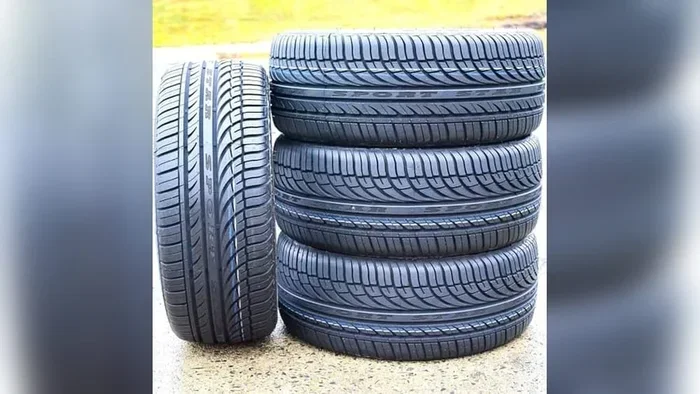
When you buy a new car, the tires already mounted on the wheels are called OEM tires, or original equipment manufacturer tires. Dealership tires are simply the tires that come with your vehicle when you purchase it from the dealer. These tires are selected by the automaker based on the vehicle’s weight, performance goals, and intended use.
You might wonder why this matters. Well, the tires on your car affect everything from braking distance to ride quality. Cheap or worn tires can compromise your safety on wet roads. On the other hand, quality OEM tires are engineered to match your vehicle’s capabilities.
The Role of OEM Tires in Vehicle Performance
Automakers test hundreds of tire models before choosing the ones that go on your new car. They consider factors like tread wear rating, traction scores, and rolling resistance. The goal is to give you a balanced mix of comfort, performance, and durability.
For example, a family SUV needs tires that handle heavy loads and varied road conditions. A sports car needs tires that grip the road during sharp turns. Understanding what your dealership tires are designed to do helps you set realistic expectations for how long they will last.
Understanding Tire Grades and Ratings
Every tire comes with a treadwear grade on the sidewall. This is a number, like 400 or 800, that compares the tire’s wear rate to a standardized reference tire. A higher number means the tire should last longer. However, this grade is measured in controlled lab conditions, not real-world driving.
Other ratings you will see include traction grades (AA, A, B, C) and temperature grades (A, B, C). These tell you how well the tire performs in wet conditions and how well it dissipates heat. Both factors influence how many miles your tires will actually deliver.
How Many Miles Do Dealership Tires Last On Average?
Here is the number you have been waiting for. On average, dealership tires last between 40,000 and 70,000 miles. Some premium tires can push past 80,000 miles, while budget tires might wear out in as few as 30,000 miles. The wide range exists because so many variables come into play.
Let us put this into perspective. If you drive about 12,000 to 15,000 miles per year, a set of tires rated at 60,000 miles should last you roughly four to five years. That is a solid benchmark for planning your maintenance budget.
Average Tire Mileage by Vehicle Type
Different vehicles place different demands on their tires. Here is a general breakdown of what you can expect based on vehicle type:
- Sedans and Compacts: 45,000 to 65,000 miles
- SUVs and Crossovers: 40,000 to 60,000 miles
- Trucks and Heavy-Duty Vehicles: 35,000 to 55,000 miles
- Performance Cars: 25,000 to 40,000 miles
- Electric Vehicles: 30,000 to 50,000 miles (often less due to weight and torque)
Keep in mind that these are averages. Your personal results will depend on your driving conditions, habits, and maintenance routine. For instance, some owners report getting over 70,000 miles from a set of tires, while others see wear at the 35,000-mile mark. It all comes down to how you use and care for them.
How This Compares to Vehicle Lifespan
To put tire mileage in a broader context, consider that the average vehicle lasts around 200,000 miles with proper care. That means you will go through roughly three to four sets of tires during the life of your car. If you are curious about how other vehicle components compare, engine longevity and overall vehicle lifespan are great benchmarks to keep in mind.
Factors That Affect Tire Mileage
Not all tires wear the same way. Several key factors determine how quickly your dealership tires lose tread and need replacement. Understanding these factors empowers you to take control of your tire health.
Driving Habits and Style
How you drive has a massive impact on tire wear. Aggressive acceleration, hard braking, and taking corners at high speeds all eat away at your tread. If you are the type of driver who loves to push the limits, your tires will wear out faster than someone who drives smoothly and steadily.
On the flip side, gentle driving can extend tire life significantly. Smooth acceleration, gradual braking, and taking turns at reasonable speeds all help preserve your tread. Think of it this way: the smoother you drive, the longer your tires last.
Road Conditions and Climate
Where you drive matters just as much as how you drive. Pothole-filled roads, gravel surfaces, and rough terrain all accelerate tire wear. If you live in an area with extreme heat or cold, temperature fluctuations can also degrade your tires faster.
Urban driving with lots of stops and starts wears tires differently than highway cruising. Stop-and-go city driving generates more friction and heat, which breaks down the rubber over time. Highway driving is generally easier on tires, but long distances still add up.
Tire Maintenance and Care
Neglecting basic tire care is one of the fastest ways to shorten your tire lifespan. Things like improper inflation, skipped rotations, and ignored alignment issues all lead to uneven and premature wear.
On the other hand, a consistent maintenance routine can add thousands of miles to your tires. Simple habits like checking your tire pressure monthly, getting regular rotations, and addressing alignment problems quickly go a long way. Think of tire maintenance as an investment that pays off in both safety and savings.
Vehicle Weight and Load
Heavier vehicles put more stress on tires, which accelerates wear. This is why trucks and SUVs often see shorter tire lifespans than lighter sedans. If you regularly haul heavy loads or tow a trailer, your tires work even harder and wear out faster.
Electric vehicles are a special case here. They tend to be heavier due to large battery packs, and they deliver instant torque that can wear tires quickly. This is why some experts note that hybrid and electric vehicles can wear out tires faster than traditional gas-powered cars.
How to Make Your Dealership Tires Last Longer
The good news is that you have a lot of control over how long your tires last. With a few smart habits, you can maximize every mile and get the best return on your tire investment.
Keep Your Tires Properly Inflated
This is the single most important thing you can do for your tires. Underinflated tires create more rolling resistance and cause the outer edges of the tread to wear faster. Overinflated tires wear down the center of the tread prematurely.
Check your tire pressure at least once a month, and always do it when the tires are cold. The recommended pressure is listed on a sticker inside your driver’s door frame or in your owner’s manual. A simple tire gauge costs just a few dollars and can save you hundreds in premature replacements.
Rotate Your Tires Regularly
Tire rotation means moving your tires from one position to another to ensure even wear. Front tires typically wear faster because they handle steering and braking, while rear tires wear more evenly.
Most experts recommend rotating your tires every 5,000 to 7,500 miles. This is an easy and inexpensive service that many dealerships include with oil changes. Regular rotations can add 20 to 30 percent to your tire lifespan, which is a significant return on a small investment of time.
Get Your Alignment Checked
Wheel alignment affects how your tires contact the road. When your alignment is off, your tires pull to one side or scrub against the pavement unevenly. This causes rapid and uneven wear that can ruin a set of tires in a surprisingly short time.
Have your alignment checked at least once a year, or whenever you notice your vehicle pulling to one side. Hitting potholes or curbs can knock your alignment out of spec quickly, so stay vigilant. A proper alignment check is one of the cheapest ways to protect your tire investment.
Drive Smoothly and Avoid Overloading
Gentle driving habits are your tires’ best friend. Avoid sudden acceleration, hard braking, and aggressive cornering whenever possible. These actions create excess heat and friction that break down the rubber compound faster.
Also, pay attention to your vehicle’s weight capacity. Overloading your car or truck puts extra stress on the tires and can lead to blowouts or accelerated wear. If you are unsure about your vehicle’s limits, check the placard on your driver’s door or consult your owner’s manual.
When to Replace Your Dealership Tires
Knowing when to replace your tires is just as important as knowing how to care for them. Driving on worn tires is dangerous and can lead to longer stopping distances, reduced traction, and even blowouts.
The Penny Test
The penny test is a simple and reliable way to check your tire tread depth. Take a penny and insert it into the tread groove with Lincoln’s head facing down. If you can see the top of Lincoln’s head, your tread is too worn and it is time for new tires.
If the tread covers part of Lincoln’s head, you still have usable tread left. However, you should start monitoring your tires more closely and plan for replacement soon. This test works well for a quick check at home, but for a more precise measurement, use a tread depth gauge.
Tread Wear Indicators
Modern tires have built-in tread wear indicators, which are small rubber bars embedded in the tread grooves. When the tread wears down to the same level as these bars, it is a clear sign that the tire needs to be replaced.
You can usually feel these indicators with your finger. If you notice them before the tread is completely worn, you have a small window to plan your replacement. Do not wait until the tread is flush with the indicators, as that is when safety becomes a serious concern.
Visual Signs of Wear and Damage
Beyond tread depth, look for other signs that your tires need attention. Cracking in the sidewalls, bulges, uneven wear patterns, and visible punctures are all red flags. Even if the tread depth seems fine, structural damage can make a tire unsafe.
If you notice any of these issues, get your tires inspected by a professional as soon as possible. Sometimes a small repair can save a tire, but other times replacement is the only safe option. Trust your instincts, and when in doubt, get a second opinion from a trusted mechanic.
Dealership Tires vs Aftermarket Tires
When it comes time to replace your tires, you have two main options: stick with the same OEM tires or switch to aftermarket tires. Both choices have pros and cons, and the right one depends on your priorities and budget.
Pros and Cons of OEM Tires
OEM tires are chosen specifically for your vehicle, so they are engineered to match the car’s performance characteristics. They usually come with a mileage warranty from the tire manufacturer, which gives you peace of mind. However, OEM tires can sometimes be more expensive than comparable aftermarket options.
Another consideration is availability. If your OEM tire model gets discontinued, finding a replacement can be challenging and expensive. This is something to keep in mind, especially if you own a less common vehicle.
Pros and Cons of Aftermarket Tires
Aftermarket tires give you a much wider selection. You can choose from budget-friendly options or premium performance tires, depending on your needs and budget. Some aftermarket tires offer better tread life or improved performance compared to the OEM tires that came on your vehicle.
The downside is that aftermarket tires are not specifically engineered for your vehicle. You will need to do some research to find the right size, load rating, and speed rating. If you are unsure, consult a tire professional who can help you find the best fit for your driving needs.
Which Option Saves You More Money?
Aftermarket tires can sometimes save you money upfront, especially if you choose a reliable mid-range brand. However, OEM tires often come with warranties that cover you for a set number of miles, which can offset the higher initial cost. In the long run, the most cost-effective choice is the one that offers the best balance of price, durability, and performance for your specific driving situation.
For example, if you drive a lot of highway miles, a premium aftermarket tire with a high treadwear rating might outlast your OEM tires and save you money over time. On the other hand, if you drive mostly in the city and want the peace of mind that comes with a manufacturer-backed warranty, sticking with OEM is a solid choice.
Common Mistakes That Shorten Tire Life
Even with the best intentions, many drivers make habits that silently shorten their tire lifespan. Avoiding these common mistakes can add thousands of miles to your tires.
- Ignoring tire pressure: Underinflated tires are the number one killer of tire tread. Check your pressure monthly.
- Skipping rotations: Uneven wear shortens the overall lifespan of your entire set of tires.
- Hitting potholes and curbs: These can damage your tires and knock out your alignment at the same time.
- Overloading your vehicle: Excess weight puts unnecessary stress on the tires and accelerates wear.
- Neglecting alignment: A misaligned vehicle causes one or more tires to wear much faster than the others.
- Driving on worn tires: Waiting too long to replace tires compromises safety and can lead to costly repairs on other parts of the vehicle.
By avoiding these mistakes, you set yourself up for a longer, safer, and more cost-effective tire experience. Think of it as a small effort that pays big dividends over time.
Final Thoughts on Dealership Tire Mileage
The answer to how many miles dealership tires last on average is not a single number. It is a range shaped by your vehicle type, driving habits, road conditions, and maintenance routine. Most drivers can expect their OEM tires to last somewhere between 40,000 and 70,000 miles, with proper care pushing the upper end of that range.
The best thing you can do is take a proactive approach to tire care. Check your pressure regularly, get your tires rotated, keep your alignment in check, and drive smoothly. These simple habits add up to significant savings and a safer driving experience.
Your tires are the only part of your car that touches the road. Treat them well, and they will reward you with reliable performance, better fuel economy, and peace of mind on every drive. Do not wait until you see the penny’s head to start paying attention to your tire health.
Remember, every mile you put on your tires is a mile you will eventually need to replace them. The goal is to make sure that when the time comes, you have gotten every last mile of value out of your set. With the knowledge you now have, you are well-equipped to do just that.
Frequently Asked Questions
How many miles do dealership tires usually last?
On average, dealership tires last between 40,000 and 70,000 miles. Premium tires can exceed 80,000 miles, while budget tires may wear out closer to 30,000 miles. Your driving habits and maintenance routine play a big role in determining the actual lifespan.
What does the tire mileage warranty cover?
A tire mileage warranty guarantees that the tire will last a certain number of miles before the tread wears down to a certain depth. If the tire wears out before reaching that mileage, the manufacturer may prorate a replacement or refund. Check your specific tire’s warranty terms for details.
Can I replace just two tires instead of all four?
In some cases, yes. If your remaining tires have plenty of tread depth and are the same size and type, you can replace just two. However, it is best to replace all four tires at once for optimal performance and safety. Mixing old and new tires can cause handling issues.
Do dealership tires come with a warranty when I buy a new car?
Many new vehicles come with a set of tires that include a manufacturer-backed treadwear warranty. The warranty length varies by tire brand and model. You can usually find the warranty details on the tire’s sidewall or in your vehicle’s documentation.
How can I tell if my dealership tires are wearing unevenly?
Uneven tire wear often shows up as bald spots on one side of the tread, scalloped or cupped patterns, or significantly more wear on the front or rear tires. Regular visual inspections and tire rotations help catch uneven wear early. If you notice any of these patterns, have your alignment and suspension checked.
Are OEM tires better than aftermarket tires?
OEM tires are specifically chosen by the automaker for your vehicle, so they are engineered to match its performance characteristics. Aftermarket tires offer more variety and sometimes better value. Neither option is universally better, but a quality aftermarket tire can sometimes outperform the OEM option in specific areas like tread life or wet traction.