Where Can You Fill a Hydrogen Car and Find Nearby Stations
Finding a place to fill a hydrogen car is easier than you think, and the network of hydrogen refueling stations is growing fast. Whether you drive a fuel cell vehicle or are considering buying one, knowing where to locate hydrogen fueling stations saves time and money. This guide covers station locations, costs, apps, and practical tips for hydrogen car owners.
You bought a hydrogen car or are thinking about it. Great choice. But then the real question hits you: where can you actually fill it up? Unlike gasoline stations on every corner, hydrogen fueling stations are still limited in number. This makes finding a place to refuel a top priority for any fuel cell vehicle owner.
The good news is that the hydrogen infrastructure is growing fast. More stations are opening every year, and finding one is getting easier thanks to apps and online maps. In this guide, we will walk you through everything you need to know about hydrogen car refueling. You will learn where stations are located, how much hydrogen costs, and the best tools to find a station near you.
Key Takeaways
- Hydrogen refueling stations are expanding rapidly in major cities and along key highways across the US, Europe, and Asia.
- You can find nearby stations using apps, websites, and built-in car navigation systems that update in real time.
- Hydrogen fuel costs vary by region but generally range from $13 to $17 per kilogram in the US.
- Refueling a hydrogen car takes just 5 to 10 minutes, making it much faster than charging an electric vehicle.
- Only a few models of fuel cell vehicles are currently available, including the Toyota Mirai and Hyundai Nexo.
- Safety is well-managed at hydrogen stations due to strict regulations and built-in safety features.
- The hydrogen distribution network is growing**, with billions invested in new infrastructure worldwide.
📑 Table of Contents
How Hydrogen Car Refueling Works
Understanding the Refueling Process
Filling up a hydrogen powered car works differently than pumping gasoline. A fuel cell electric vehicle uses compressed hydrogen gas stored in high-pressure tanks. When you drive, the fuel cell stack combines hydrogen with oxygen from the air to create electricity. This electricity powers the motor. The only emission is water vapor.
The refueling process itself is simple. You walk up to a hydrogen gas station, connect the nozzle to your car’s fill port, and the gas flows in. The whole process takes about 5 to 10 minutes. That is much faster than charging a battery electric car, which can take 30 minutes to several hours depending on the charger.
How Long Does It Take to Refuel?
One of the biggest advantages of a hydrogen car is the fast refueling time. A full tank takes roughly 5 minutes. Compare that to the 20 to 40 minutes for a fast DC charger on an electric vehicle. For drivers who travel long distances or hate waiting, this speed is a game changer.
However, not all stations operate at the same speed. Some older hydrogen refueling stations may take a bit longer. Newer stations with higher-capacity dispensers can fill a tank in under 5 minutes. Always check the station details if you are in a hurry.
Where Are Hydrogen Refueling Stations Located?
Stations in Major Cities
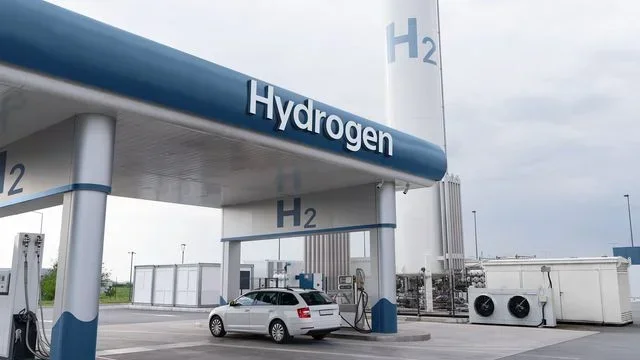
The majority of hydrogen fueling stations are concentrated in large metropolitan areas. Cities like Los Angeles, San Francisco, and San Diego in California lead the way in the United States. These cities have strong clean energy vehicle incentives and government support for hydrogen infrastructure.
In Europe, Germany has the largest network of hydrogen refueling stations. Cities like Berlin, Hamburg, and Munich have dozens of stations. Japan is also a global leader, with stations spread across Tokyo, Osaka, and other major urban centers. South Korea and China are investing heavily in new stations as well.
Stations in Rural and Suburban Areas
If you live outside a big city, finding a hydrogen refueling station near me can be trickier. Rural areas and small towns often lack dedicated hydrogen gas stations. The hydrogen distribution network still favors urban corridors and highway routes.
However, this is changing. Many new stations are being built along major highways to support long-distance travel. If you live in a suburban area, you may need to drive 20 to 40 miles to reach the nearest station. Planning your trips around station locations becomes part of life with a hydrogen powered car.
Hydrogen Fuel Price and Cost Comparison
How Much Does Hydrogen Cost?
The cost of hydrogen fuel price varies depending on where you live. In the United States, hydrogen typically costs between $13 and $17 per kilogram. A kilogram of hydrogen provides roughly the same range as a gallon of gasoline. Most hydrogen cars have tanks that hold about 5 to 6 kilograms, so a full fill-up costs around $65 to $100.
In California, where most US hydrogen refueling stations are located, the average price has been dropping thanks to state subsidies and increased station competition. Some stations offer loyalty programs or discounts for regular customers. Keep an eye on local promotions to save money on hydrogen car refueling.
Hydrogen vs Electric Charging Cost
How does hydrogen fuel cost compare to charging an electric vehicle? On average, hydrogen is more expensive per mile than electricity. Charging an electric car at home costs roughly $0.04 to $0.06 per mile. Hydrogen cars cost about $0.12 to $0.15 per mile, depending on local fuel prices.
However, the comparison is not just about cost. Hydrogen refueling takes 5 minutes. Charging an electric car to full can take 30 minutes to an hour at a fast charger. For some drivers, the time savings of a hydrogen car outweigh the higher fuel cost.
| Fuel Type | Cost per Mile | Refueling/Charging Time | Availability |
|---|---|---|---|
| Hydrogen | $0.12 – $0.15 | 5 – 10 minutes | Limited, growing |
| Electric (Charging) | $0.04 – $0.06 | 30 min – 1 hour | Widespread |
| Gasoline | $0.10 – $0.15 | 5 minutes | Universal |
How to Find Hydrogen Stations Nearby
Apps and Websites for Locating Stations
Finding a hydrogen refueling station has never been easier thanks to digital tools. Several apps and websites help you locate stations in real time. Here are the most popular options:
- Hydrogen Station App – A dedicated app that maps stations worldwide with real-time availability and pricing.
- PlugShare – Originally for electric vehicles, PlugShare now includes hydrogen fueling stations in its database.
- H2 Stations – A European-focused app with detailed station information across Germany, France, and Scandinavia.
- Google Maps – Search for “hydrogen station near me” and Google will show you the closest options with directions.
- Station websites – Many hydrogen station operators have their own websites with station locators and status updates.
Built-In Navigation Systems
Many new hydrogen cars come with built-in navigation that includes station locations. The Toyota Mirai and Hyundai Nexo, for example, feature navigation systems that show nearby hydrogen refueling stations and even suggest routes based on your fuel level. Always make sure your car’s map data is up to date for the most accurate station information.
Some manufacturers also offer mobile apps that connect directly to your car. These apps show station availability, pricing, and directions. They can be a lifesaver when you are traveling in unfamiliar areas.
Hydrogen Car Availability and Growing Infrastructure
Which Cars Can Use Hydrogen Fuel?
The number of hydrogen powered cars available for purchase is still limited, but growing. The most popular models include:
- Toyota Mirai – The pioneer of consumer hydrogen cars. Now in its second generation with improved range and design.
- Hyundai Nexo – A stylish SUV with impressive range and advanced fuel cell technology.
- Toyota Mirai Commercial – A hydrogen-powered version of the Toyota Sienna minivan for fleet use.
These vehicles offer ranges of 300 to 400 miles on a full tank of hydrogen. They are classified as zero emission vehicles and qualify for various tax credits and incentives in many regions.
The Future of Hydrogen Infrastructure
The hydrogen infrastructure is at an exciting turning point. Governments around the world are investing billions in expanding hydrogen distribution networks. The US Department of Energy has set goals to build 1,000 hydrogen stations by 2030. Europe aims to have 1,000 stations by 2025 and thousands more by 2030.
Private companies are also getting involved. Shell, BP, and Toyota have partnered to expand hydrogen refueling stations in key markets. As more stations open, the range anxiety that currently limits hydrogen car adoption will decrease significantly.
Experts predict that within 10 years, finding a hydrogen fueling station will be as easy as finding a gas station today. The transition depends on continued investment, technological improvements, and consumer adoption.
Tips for Refueling Your Hydrogen Car
Safety Tips
Hydrogen car refueling is very safe when done correctly. Modern stations and vehicles have multiple safety systems in place. Here are some tips to keep in mind:
- Always follow station instructions. Each hydrogen gas station has specific guidelines posted at the dispenser.
- Turn off your engine before refueling. This is standard at all hydrogen refueling stations.
- Do not use your phone while refueling. Though hydrogen is safe, stations ask you to avoid electronic devices during fueling.
- Check for leaks. Modern vehicles have leak detection systems, but always inspect the nozzle and connection before fueling.
- Ventilate your garage. If you store your hydrogen powered car in a garage, make sure there is proper ventilation.
Common Mistakes to Avoid
New hydrogen car owners sometimes make avoidable mistakes. Here are a few to watch out for:
- Running on empty. Unlike gasoline cars, running your fuel cell vehicle completely dry can damage the fuel cell stack. Keep your tank above 10%.
- Ignoring station availability. Not all stations are open 24/7. Check hours before making a long trip.
- Forgetting to update your navigation. Station locations change. Outdated maps can lead you to closed or relocated stations.
- Overpaying for fuel. Prices vary between stations. Use apps to find the best hydrogen fuel price near you.
Quick Tips for Daily Use
- Fill up when your tank hits 30% to avoid range anxiety.
- Bookmark your regular stations for faster trips.
- Join loyalty programs where available for discounts.
- Keep a backup station in mind in case your usual station is offline.
- Check station status before long road trips.
Conclusion
Finding a place to fill a hydrogen car is no longer a major challenge. The hydrogen refueling network is expanding quickly, and digital tools make locating stations simple. From major cities to highway corridors, hydrogen fueling stations are becoming more accessible every year.
While the network is still growing, the experience of refueling a hydrogen powered car is fast, clean, and convenient. A full tank in 5 minutes with zero emissions is a compelling proposition. As hydrogen infrastructure continues to develop, more drivers will discover the benefits of fuel cell vehicles.
If you own or are considering a hydrogen car, take time to explore the station options in your area. Use apps, plan your routes, and stay informed about new station openings. The future of hydrogen car refueling is bright, and being an early adopter comes with real advantages.
Frequently Asked Questions
How do I find a hydrogen station near me?
You can use apps like PlugShare, the Hydrogen Station App, or simply search “hydrogen station near me” on Google Maps. Most modern hydrogen cars also have built-in navigation that shows nearby hydrogen refueling stations with real-time availability.
How much does it cost to fill a hydrogen car?
In the United States, filling a hydrogen car typically costs between $65 and $100, depending on the local hydrogen fuel price per kilogram. California tends to have more competitive pricing due to state subsidies and a higher number of stations.
Can you fill a hydrogen car at home?
Currently, home refueling for most consumer hydrogen cars is not practical. The equipment required to compress and store hydrogen is expensive and complex. However, some companies are developing home refueling solutions for the future. For now, you will need to visit a dedicated hydrogen fueling station.
Is hydrogen refueling safe?
Yes, hydrogen refueling is very safe. Modern stations and vehicles have multiple safety features including leak detection, automatic shutoff systems, and flame arrestors. Hydrogen is lighter than air, so any leak disperses quickly rather than pooling. Strict regulations govern all hydrogen gas stations worldwide.
How far can a hydrogen car go on a full tank?
Most fuel cell vehicles offer a range of 300 to 400 miles on a full tank. The Toyota Mirai and Hyundai Nexo both fall in this range. Your actual hydrogen vehicle range may vary based on driving conditions, temperature, and driving style.
Are there hydrogen stations outside of California?
Yes, hydrogen refueling stations exist in several US states beyond California, including New York, Massachusetts, Connecticut, and South Carolina. However, California has by far the most stations. In Europe, Germany leads with the largest network, followed by the UK, France, and Scandinavia.