How Havals Suspension System Works and Why It Matters
Haval’s suspension system is designed to deliver a smooth, safe, and comfortable ride by absorbing road impacts and keeping your vehicle stable. Understanding how this system works helps you maintain your car better and spot problems early. In this guide, we break down every component and explain why your suspension matters more than you think.
When you get behind the wheel of a Haval vehicle, one system works harder than almost everything else. Your car suspension is constantly absorbing bumps, managing weight, and keeping you stable on the road. Yet most drivers rarely think about it until something feels off. Understanding how this system works can change the way you care for your vehicle.
Haval designs its suspension systems to handle a wide range of driving conditions. Whether you are cruising on a smooth highway or tackling a rough trail, the suspension keeps your ride comfortable and safe. But what exactly is happening beneath your car at every moment? And why does it matter so much for your daily driving experience?
In this guide, we will walk you through exactly how Haval’s suspension system works. We will break down each major component, explain the different types Haval uses, and share practical tips to keep your suspension in great shape. You will also learn how to spot early warning signs of wear and why staying on top of maintenance can save you money in the long run.
Key Takeaways
- Haval’s suspension system uses a combination of springs, shock absorbers, and struts to keep your ride smooth and stable.
- Regular maintenance of suspension components can extend the life of your vehicle and improve safety.
- Recognizing warning signs early, like excessive bouncing or pulling, helps you avoid costly repairs.
- Different Haval models may use independent or dependent suspension designs depending on the vehicle type.
- Suspension performance directly affects your handling, braking, and overall driving comfort.
- Simple checks at home can help you monitor the health of your suspension between service visits.
📑 Table of Contents
What Is a Suspension System and Why It Matters
Your car’s suspension system is a collection of parts that work together to connect your vehicle to its wheels. It includes springs, shock absorbers, struts, control arms, and other components. Each part plays a specific role in making sure your car rides smoothly and handles well.
The main job of any car suspension is to absorb energy from road surfaces. When your tire hits a bump, the suspension soaks up that impact. Without it, every pothole and crack would transfer directly into your cabin. Your ride would be harsh, and your car would bounce uncontrollably.
Beyond comfort, the suspension system also keeps your tires in contact with the road. This is critical for braking, turning, and accelerating safely. Good suspension geometry ensures that your tires maintain proper grip at all times. When the suspension is worn or damaged, your vehicle becomes harder to control.
Haval engineers pay close attention to suspension tuning for each model. They balance ride comfort with handling performance. This means a Haval SUV might feel different on the road than a Haval sedan, even though both use similar core components. The goal is always the same: a safe, smooth, and predictable ride.
How Haval’s Suspension System Works
Now let us look at the heart of the matter. How does Haval’s suspension system actually function on a day-to-day basis? Understanding the basic mechanics helps you appreciate the engineering that goes into every ride.
At its core, the suspension system converts kinetic energy into thermal energy. When your car drives over a bump, the suspension compresses and then rebounds. This motion creates heat, which is absorbed by the shock absorbers and dissipated. The result is a smoother, more controlled ride.
Every time your wheel hits an uneven surface, the suspension responds in milliseconds. It pushes the energy downward through the springs and then slows the rebound using the damping system. This constant cycle of compression and rebound is what keeps your car level and stable.
The Role of Shock Absorbers
Shock absorbers are one of the most important parts of your suspension setup. They control the movement of the springs and suspension components. Without them, your car would bounce uncontrollably after hitting a bump.
Shock absorbers do not actually absorb shocks. Instead, they dampen the motion of the springs. They use hydraulic fluid to resist the spring’s movement. When the spring compresses, fluid pushes through small valves inside the shock absorber. This slows down the motion and prevents excessive bouncing.
In Haval vehicles, the shock absorbers are designed to handle both comfort and performance needs. They are tuned to provide a smooth ride on normal roads while still offering control during harder driving. If your shocks are worn, you may notice increased bouncing or a nose dive when braking.
Understanding Springs and Struts
Springs are another essential part of the suspension system. They support the weight of your vehicle and absorb road impacts. There are different types of springs used in car suspension designs, including coil springs and leaf springs.
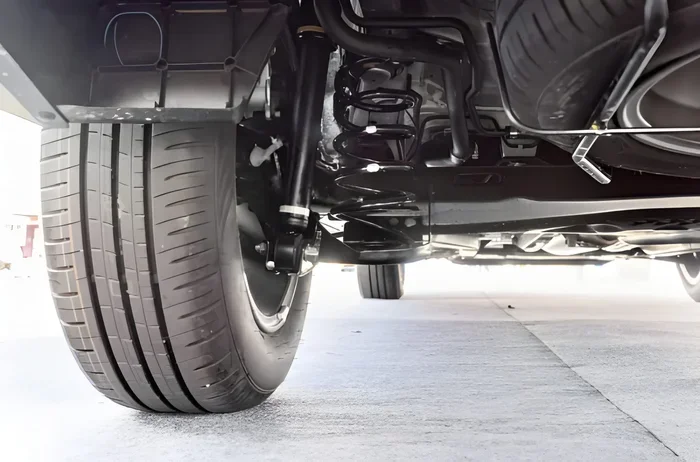
Coil springs are the most common type found in modern Haval vehicles. They are wound steel coils that compress and expand as you drive over bumps. Leaf springs, on the other hand, are layered strips of metal often used in trucks and heavier vehicles.
Struts combine the shock absorber and spring into a single unit. Many Haval models use MacPherson strut designs in the front. This setup saves space and reduces weight while still providing solid support. The strut also serves as a structural part of the steering system, which adds to its importance.
Together, the springs and struts work with the shock absorbers to create a balanced ride. They manage the suspension travel, which is how far the suspension can compress and extend. More travel means the system can handle bigger bumps without transferring too much impact into the cabin.
Types of Suspension Systems Haval Uses
Haval uses different suspension designs depending on the model and intended use. Each type has its own strengths and weaknesses. Understanding these differences helps you know what to expect from your specific vehicle.
Independent Suspension
Independent suspension allows each wheel to move separately from the others. This means that when one wheel hits a bump, the opposite wheel is not affected as much. The result is better ride comfort and improved vehicle handling.
Most modern Haval passenger cars and SUVs use independent suspension in the front. Some models also use independent suspension in the rear. This design is great for daily driving because it provides a smoother experience on paved roads.
The downside is that independent suspension systems can be more complex and expensive to maintain. They have more moving parts, which means more potential points of wear. However, the benefits in comfort and handling usually outweigh the extra cost.
Dependent Suspension
Dependent suspension connects the wheels on each axle so they move together. When one wheel hits a bump, the other wheel is also affected. This design is simpler and more durable, which makes it popular for trucks and off-road vehicles.
Some Haval models designed for heavy-duty use or off-road driving may use dependent suspension. This setup offers strong load carrying capacity and better durability under tough conditions. It is less expensive to repair and maintain compared to independent systems.
The trade-off is a slightly harsher ride, especially on uneven surfaces. If you frequently drive on rough roads or carry heavy loads, dependent suspension can be a practical choice. It is built to handle stress and punishment better than more complex designs.
Semi-Independent Suspension
Some Haval models use a semi-independent design, which falls between the two extremes. This setup allows a limited amount of independent movement between wheels. It offers a balance between comfort and durability.
This type of suspension is often found in mid-range vehicles. It provides good ride quality without the complexity and cost of fully independent systems. Haval uses these designs in models where a balance of performance and practicality is key.
Why Suspension Performance Matters for Your Daily Drive
You might wonder why suspension performance deserves so much attention. After all, it is just a bunch of parts under your car, right? The truth is that your suspension affects almost every aspect of your driving experience.
First, consider ride comfort. A well-functioning suspension system keeps your ride smooth and quiet. You feel fewer bumps and vibrations inside the cabin. This is especially important on long drives or commutes where comfort matters a lot.
Second, think about safety. Your suspension keeps your tires in contact with the road surface. This is essential for braking and cornering. When the suspension is worn, your stopping distance increases and your handling becomes unpredictable. This is a serious safety concern that should not be ignored.
Third, consider vehicle handling. Good suspension geometry gives you precise steering response. You feel more confident when changing lanes or navigating tight corners. A healthy suspension system makes your car feel planted and responsive.
Fourth, suspension health affects other parts of your vehicle. Worn suspension components can cause uneven tire wear. They can also put extra stress on steering and braking systems. This means that ignoring suspension problems can lead to more expensive repairs down the road.
If you are also wondering about other maintenance tasks, check out our guide on can I add oil to my car if it’s low for tips on keeping your engine healthy alongside your suspension.
Suspension Maintenance Tips for Haval Owners
Keeping your suspension in good shape does not have to be complicated. With regular attention, you can extend the lifespan of your suspension components and avoid major repairs. Here are some practical tips to follow.
First, inspect your suspension regularly. Look for visible signs of wear like leaks, cracks, or damaged bushings. You can do a basic check by pushing down on each corner of your car. If the vehicle bounces more than twice, your shock absorbers may be worn.
Second, keep your tires properly inflated and aligned. Tire pressure directly affects how your suspension performs. Underinflated or overinflated tires can cause uneven wear and put extra stress on suspension parts. Regular alignment checks also help maintain proper suspension geometry.
Third, drive smoothly when possible. Aggressive driving, such as hard braking and sharp turns, puts extra strain on your suspension system. While your Haval is built to handle normal driving stresses, habitual rough driving can shorten the life of your components.
Fourth, replace worn parts promptly. If you notice symptoms of suspension problems, do not wait to fix them. A worn shock absorber or damaged strut can cause a chain reaction of wear on other parts. Early replacement saves money and keeps your car safe.
If you are curious about other fluid-related maintenance, you might also want to check how to add coolant if it’s empty to keep your engine running smoothly.
Fifth, understand your vehicle’s load limits. Every Haval model has a maximum weight capacity. Exceeding this limit puts extra pressure on your suspension and can lead to premature wear. You can learn more about your vehicle’s limits in our guide on how much weight your car can hold.
Common Suspension Problems and How to Spot Them
Even with good maintenance, suspension problems can still occur. Knowing the warning signs helps you catch issues early before they become expensive repairs. Here are the most common suspension problems Haval owners may encounter.
One of the most noticeable signs is excessive bouncing. If your car continues to bounce after going over a bump, your shock absorbers are likely worn out. Healthy suspension components should absorb the impact and settle quickly.
Another common issue is pulling to one side while driving. This can indicate a problem with your suspension alignment or worn suspension components on one side of the vehicle. Pulling puts uneven stress on your tires and can reduce your fuel efficiency.
Nose diving when braking is also a red flag. When you hit the brakes hard and the front of your car dips significantly, your shocks may be failing. This affects both braking performance and ride comfort.
Uneven tire wear is a silent but serious sign. If you notice that your tires are wearing down faster on one side or in the center, your suspension may not be distributing weight properly. This can lead to premature tire replacement and reduced safety.
Fluid leaks under your car near the suspension area are another warning sign. Shock absorbers and struts use hydraulic fluid to function. A leak means the component is no longer working as it should and needs replacement.
If you notice any of these symptoms, it is important to get your vehicle inspected. Ignoring suspension problems can lead to more serious damage and compromise your safety on the road.
Conclusion
Your Haval’s suspension system is one of the most important systems in your vehicle. It keeps your ride smooth, your handling precise, and your safety intact. Understanding how it works empowers you to take better care of your car and spot problems before they become serious.
Regular maintenance, smooth driving habits, and prompt repairs all contribute to a longer suspension lifespan. You do not need to be a mechanic to monitor the health of your suspension. Simple checks and awareness of warning signs go a long way.
Take the time to learn about your specific Haval model’s suspension design. Know what to expect and what to watch for. Your suspension works hard for you every time you get behind the wheel. It deserves your attention and care in return.
Frequently Asked Questions
How often should I inspect my Haval’s suspension system?
You should inspect your suspension at least once every 12,000 miles or during each oil change. Regular checks help you catch wear early and avoid costly suspension repair bills.
What is the typical lifespan of suspension components?
Most shock absorbers and struts last between 50,000 and 100,000 miles. However, driving conditions, load weight, and maintenance habits can affect the suspension lifespan significantly.
Can I drive with a broken suspension component?
Driving with a damaged suspension part is not recommended. It affects your vehicle handling and braking performance, which puts you and others at risk. Get it repaired as soon as possible.
How does suspension alignment affect my Haval’s performance?
Proper suspension alignment ensures your tires wear evenly and your car tracks straight. Misalignment can cause pulling, uneven tire wear, and reduced fuel efficiency.
Are aftermarket suspension upgrades worth it for Haval vehicles?
Aftermarket upgrades can improve ride comfort or handling depending on your needs. However, always choose quality parts and professional installation to avoid compromising your suspension system.
What causes suspension noise or clunking sounds?
Loose or worn bushings, damaged shock absorbers, and worn ball joints are common causes of suspension noise. These sounds often worsen over rough roads or during turns.