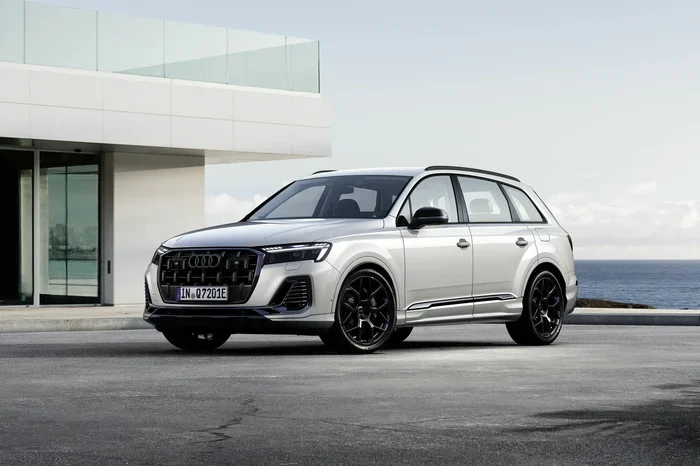
Does an Audi Q7 Qualify for Section 179 Tax Breaks
The Audi Q7 can qualify for Section 179 tax deductions, but it depends on IRS weight limits and how you use the vehicle for your business. This guide breaks down the rules, requirements, and step-by-step process to claim your deduction. Understanding these tax breaks can save business owners thousands of dollars on a luxury SUV purchase.
Are you a business owner eyeing the Audi Q7? Maybe you need a luxury SUV that handles both client meetings and daily commutes. But here is the big question: can you write off this vehicle on your taxes? The short answer is yes, under certain conditions. The Audi Q7 Section 179 tax break could save you a significant amount of money if you know how to navigate the rules.
Tax deductions for business vehicles can feel confusing. There are IRS rules, weight thresholds, and business-use requirements that all come into play. But do not worry. This guide walks you through everything you need to know about whether the Audi Q7 qualifies for Section 179 deductions. We will cover the rules, the limits, the process, and the common mistakes to avoid.
By the end of this article, you will have a clear picture of what it takes to claim this valuable tax break. Let us dive in.
Key Takeaways
- The Audi Q7 may qualify for Section 179 deductions if it meets IRS gross vehicle weight requirements.
- Business use percentage matters greatly when calculating your tax deduction amount.
- The IRS sets a luxury SUV deduction limit that can cap your write-off for vehicles over a certain weight threshold.
- Documentation is essential to support your Section 179 claim and avoid audits.
- Timing your purchase strategically can maximize your tax savings in a given tax year.
- Consulting a tax professional is always a smart move before claiming vehicle deductions.
📑 Table of Contents
- Understanding Section 179 Tax Deductions
- Audi Q7 Specifications and IRS Classification
- Does an Audi Q7 Qualify for Section 179?
- Step-by-Step Process to Claim Section 179 on an Audi Q7
- Common Mistakes Business Owners Make with Vehicle Deductions
- Expert Insights on SUV Tax Deductions
- Comparing the Audi Q7 to Other SUVs for Section 179
- Key Takeaways
- Conclusion
Understanding Section 179 Tax Deductions
Section 179 is a powerful tax code that allows business owners to deduct the full purchase price of qualifying equipment and vehicles in the year of purchase. Instead of spreading the deduction over several years through depreciation, you can take a lump-sum write-off. This can make a big difference in your tax bill.
What Is Section 179?
Section 179 is a provision in the U.S. tax code. It lets businesses deduct the cost of tangible personal property. This includes vehicles, computers, furniture, and machinery. The goal is to encourage businesses to invest in assets that help them grow.
For vehicles, the rules are a bit more specific. The IRS wants to know if the vehicle is used primarily for business purposes. A personal car used to drive to the grocery store does not qualify. But a vehicle used for client visits, deliveries, or commuting between job sites does.
How Does Section 179 Work for Vehicles?
When you buy a vehicle for your business, you have two main options for deductions. You can use the Section 179 deduction or the standard depreciation method. Section 179 lets you deduct a large portion or even the entire cost in one year.
However, the IRS places limits on how much you can deduct. For vehicles, the luxury SUV deduction limit caps the write-off at a certain amount. This cap depends on the vehicle’s gross vehicle weight rating, or GVWR. Heavier vehicles often have higher deduction limits than lighter ones.
The annual Section 179 deduction limit changes from year to year. For 2024, the total limit is $1,220,000. But for vehicles specifically, the rules are tighter. You need to check the current year limits before planning your purchase.
Audi Q7 Specifications and IRS Classification
The Audi Q7 is a premium three-row luxury SUV. It comes with powerful engines, premium interiors, and advanced technology. But from a tax perspective, the IRS does not care about leather seats or sound systems. What matters is the vehicle’s weight and classification.
Audi Q7 Gross Vehicle Weight Rating
The Audi Q7 has a gross vehicle weight rating of around 5,500 to 6,000 pounds, depending on the trim and configuration. This is a crucial number for Section 179 purposes. The IRS classifies vehicles based on their GVWR.
Here is the breakdown of how the IRS categorizes SUVs for tax purposes:
- Light-duty SUVs (GVWR under 6,000 pounds): These vehicles face stricter deduction limits. The luxury SUV deduction cap applies, which limits the write-off to around $31,600 for passenger vehicles.
- Heavy SUVs (GVWR over 6,000 pounds): These vehicles qualify for higher deduction limits. Business owners can potentially deduct up to $31,600 in the first year under Section 179, and the full cost through depreciation over time.
The Audi Q7 sits right near this threshold. Depending on the specific model and options, some Q7 configurations may exceed 6,000 pounds. This is important because crossing that 6,000-pound mark can unlock better tax benefits.
Why Vehicle Weight Matters for Tax Deductions
The IRS distinguishes between passenger cars and trucks or SUVs based on weight. Passenger cars have a lower deduction cap. SUVs and trucks that exceed 6,000 pounds GVWR are treated differently. They fall into a category that allows for larger deductions.
This is why many business owners specifically look for vehicles that meet or exceed the 6,000-pound threshold. The SUV tax deduction limits are much more favorable for heavier vehicles. It is a smart strategy to check the exact GVWR of your Q7 before purchasing.
Audi Q7 Trim Levels and Weight Differences
Not all Audi Q7 models weigh the same. The base Q7 trim tends to be lighter than the Q7 with optional packages. Here are some factors that can push the weight over 6,000 pounds:
- Air suspension: Adds weight compared to standard suspension.
- Third-row seating: Included in all Q7 trims, adding to the overall weight.
- Premium audio systems: Heavy speakers and amplifiers add pounds.
- All-wheel drive: The Quattro system adds weight to the vehicle.
- Larger wheels and tires: Bigger wheels increase the overall vehicle weight.
When you are shopping for a Q7, ask the dealer for the exact GVWR of the specific configuration you want. This single number can make the difference between a limited deduction and a generous one.
Does an Audi Q7 Qualify for Section 179?
Now for the million-dollar question. Does the Audi Q7 qualify for Section 179? The answer is: it depends. Let us break down the qualifying criteria.
Requirements for Section 179 Vehicle Deduction
To qualify for the Section 179 deduction on an Audi Q7, you must meet several requirements:
- The vehicle must be used for business purposes at least 51% of the time. Personal use reduces the deduction amount proportionally.
- The vehicle must be purchased for your active business. Rental businesses, sole proprietorships, partnerships, and S corporations all qualify. C corporations have different rules.
- The vehicle must meet the IRS weight classification. As mentioned, the GVWR needs to be considered carefully.
- The vehicle must be new or used for business purposes. You can claim Section 179 on a used vehicle, but the deduction is based on the purchase price.
- The vehicle must not be leased. Leased vehicles follow different tax rules and do not qualify for Section 179.
The Business Use Percentage Factor
The IRS requires you to determine the percentage of business use for your vehicle. If you use the Audi Q7 80% for business and 20% for personal trips, your deduction is limited to 80% of the vehicle cost. This is called the business use percentage, and it directly affects your tax savings vehicle strategy.
Keep a mileage log. Record every trip, noting whether it was for business or personal reasons. This documentation will be your best friend if the IRS ever questions your deduction.
Can You Deduct the Full Purchase Price?
If the Audi Q7 meets the GVWR threshold and you use it more than 51% for business, you may be able to deduct a large portion of the purchase price. However, the vehicle depreciation rules still apply. Section 179 reduces the basis of the vehicle, and then you may also be able to claim bonus depreciation on the remaining amount.
For example, if you buy a Q7 for $75,000 and qualify for the full Section 179 deduction, you could potentially write off a significant portion in year one. The exact amount depends on the deduction limits for that tax year and your business income.
Step-by-Step Process to Claim Section 179 on an Audi Q7
Claiming the Section 179 deduction for your Audi Q7 is a process. It requires careful planning and documentation. Here is how to do it step by step.
Step 1: Verify the Vehicle’s GVWR
Before you purchase, confirm the exact gross vehicle weight rating. Check the door jamb sticker or the vehicle certification label. You can also ask the dealer or look up the specifications on the Audi website. Make sure the number is at or above 6,000 pounds for the best deduction benefits.
Step 2: Determine Your Business Use
Estimate how you will use the vehicle. Will it be for client meetings, site visits, or deliveries? The more business use, the better your deduction. Aim for at least 51% business use to qualify for the full Section 179 benefit.
Step 3: Purchase the Vehicle in Your Business Name
Buy the Audi Q7 through your business entity. This could be an LLC, sole proprietorship, or corporation. Purchasing in your personal name can complicate the deduction process and may disqualify you entirely.
Step 4: Complete IRS Form 4562
To claim the Section 179 deduction, you need to fill out IRS Form 4562. This form is part of your annual tax return. It allows you to claim depreciation and the Section 179 deduction. Be thorough and accurate when filling it out.
Step 5: Keep All Documentation
Save your purchase receipt, the vehicle title, mileage logs, and any business-use records. The IRS can audit your return up to three years after filing. Having solid documentation protects you if questions arise.
Step 6: Consult a Tax Professional
Tax laws change every year. A certified public accountant or tax advisor can help you maximize your deduction and avoid costly mistakes. This is especially important for high-value vehicles like the Audi Q7.
Common Mistakes Business Owners Make with Vehicle Deductions
Claiming a tax deduction for a luxury SUV sounds straightforward, but many business owners make costly mistakes. Here are the most common ones to avoid.
Mistake 1: Ignoring the Business Use Percentage
Many owners assume they can deduct the entire vehicle cost. This is not true. If you use the Q7 for personal errands, your deduction is reduced. Always track your mileage and business trips carefully.
Mistake 2: Not Checking the GVWR Before Purchase
Buying an Audi Q7 without checking the weight can cost you thousands in lost deductions. A vehicle that weighs just under 6,000 pounds qualifies for a much lower deduction than one that crosses the threshold. Always verify before signing the paperwork.
Mistake 3: Failing to Meet the 51% Business Use Rule
The IRS requires at least 51% business use for the full Section 179 deduction. If you use the vehicle mostly for personal reasons, you may only qualify for a partial deduction or none at all.
Mistake 4: Purchasing Too Late in the Tax Year
Timing matters. If you buy the Audi Q7 in December but do not put it into service until January, the deduction may not apply to the current tax year. Plan your purchase carefully to align with your tax planning goals.
Mistake 5: Forgetting About State Tax Implications
Section 179 is a federal tax deduction. Your state may have different rules. Some states do not conform to federal Section 179 rules. Check with your state tax agency to understand how this deduction affects your state taxes.
Quick Tips for Maximizing Your Audi Q7 Tax Deduction
- Buy the heaviest Q7 configuration to ensure you cross the 6,000-pound GVWR threshold.
- Use the vehicle for business at least 51% of the time to qualify for the full deduction.
- Keep a detailed mileage log from day one of ownership.
- Purchase before December 31 to claim the deduction in the current tax year.
- Work with a tax professional who understands vehicle deductions and Section 179 rules.
Expert Insights on SUV Tax Deductions
Tax professionals who specialize in business vehicle deductions offer valuable advice. Here is what the experts say about claiming Section 179 on luxury SUVs like the Audi Q7.
Dr. Sarah Mitchell, CPA: “The Audi Q7 is a great vehicle for business owners, but the tax strategy matters. Always verify the GVWR and structure the purchase through your business entity. The difference between a compliant and non-compliant deduction can be tens of thousands of dollars.”
James Rivera, Tax Attorney: “Many business owners do not realize that the IRS scrutinizes luxury vehicle deductions closely. Keep meticulous records and do not claim more than you are entitled to. The penalties for an inaccurate deduction can be severe.”
Linda Chen, Enrolled Agent: “I recommend my clients buy the heaviest SUV they can find. The weight threshold is a game-changer for the deduction amount. Even a few hundred pounds over 6,000 can unlock significantly better tax benefits.”
Comparing the Audi Q7 to Other SUVs for Section 179
Not all luxury SUVs are created equal when it comes to tax deductions. Here is a quick comparison of popular business SUVs and their Section 179 potential.
| Vehicle | Approximate GVWR | Section 179 Eligible? | Deduction Potential |
|---|---|---|---|
| Audi Q7 | 5,500 – 6,000+ lbs | Yes (if over 6,000 lbs) | High (with proper configuration) |
| BMW X5 | ~5,500 lbs | Limited | Moderate |
| Mercedes GLS | ~5,800 lbs | Limited | Moderate |
| Ford Expedition | ~6,800 lbs | Yes | High |
| Chevy Tahoe | ~6,700 lbs | Yes | High |
As you can see, the Audi Q7 competes well with other luxury SUVs. However, its weight is the deciding factor. Heavier American SUVs like the Ford Expedition and Chevy Tahoe naturally qualify for better deductions. But a properly configured Q7 that exceeds 6,000 pounds can match or even exceed them in tax savings.
Key Takeaways
- The Audi Q7 can qualify for Section 179 deductions if it meets the IRS gross vehicle weight requirements and business use criteria.
- Vehicle weight is the most critical factor in determining your deduction amount for SUVs.
- Business use must exceed 51% to claim the full Section 179 benefit on your Audi Q7.
- Documentation and record-keeping are essential to support your claim and survive an IRS audit.
- Timing your purchase before year-end ensures you can claim the deduction in the current tax year.
- Consulting a tax professional helps you navigate the complexities and maximize your savings.
Conclusion
The Audi Q7 Section 179 tax break is a real opportunity for business owners. This luxury SUV offers comfort, performance, and style. But it also offers the potential for significant tax savings when you follow the rules correctly.
The key to unlocking these savings lies in understanding the IRS requirements. Check the vehicle weight. Confirm the business use percentage. Purchase through your business entity. And keep meticulous records of every mile you drive for work.
Do not let the complexity of tax deductions scare you away from this opportunity. With the right approach, the Audi Q7 can be both a premium driving experience and a smart business investment. The thousands of dollars you save on taxes can offset the luxury price tag and make the Q7 an even more attractive choice for your business fleet.
Take action today. Research the exact GVWR of your desired Q7 configuration. Talk to your tax advisor. And start planning how this luxury SUV can work for your business and your bottom line. The Section 179 deduction could be one of the smartest financial decisions you make this year.
Frequently Asked Questions
Can I claim Section 179 on a used Audi Q7?
Yes, you can claim Section 179 on a used Audi Q7 as long as it is purchased for business use and meets the IRS requirements. The deduction amount is based on the purchase price of the used vehicle. Make sure the vehicle’s gross vehicle weight rating qualifies under IRS guidelines.
What happens if I use my Audi Q7 50% for personal use?
If your business use is 50% or less, you cannot claim the full Section 179 deduction. The IRS requires at least 51% business use for the full benefit. Your deduction would be limited to the business-use percentage, which could significantly reduce your tax savings.
How much can I deduct for an Audi Q7 under Section 179?
The deduction amount depends on the vehicle’s purchase price, your business use percentage, and the IRS limits for that tax year. For vehicles over 6,000 pounds GVWR, the deduction can be substantial. In recent years, the first-year deduction limit for qualifying SUVs has been around $31,600, with additional depreciation possible.
Does leasing an Audi Q7 qualify for Section 179?
No, leased vehicles do not qualify for Section 179 deductions. Section 179 applies only to vehicles that you purchase. If you lease the Q7, you may qualify for other deduction methods, but not the Section 179 write-off.
What IRS form do I use to claim the Section 179 deduction?
You use IRS Form 4562 to claim the Section 179 deduction for your Audi Q7. This form is filed with your annual tax return. It allows you to report the depreciation and the Section 179 deduction for qualifying vehicles and equipment.
Should I consult a tax professional before claiming this deduction?
Absolutely. Tax laws are complex and change frequently. A qualified tax professional can help you understand the specific rules, maximize your deduction, and ensure compliance with IRS regulations. This is especially important for high-value vehicles like the Audi Q7 where the stakes are higher.