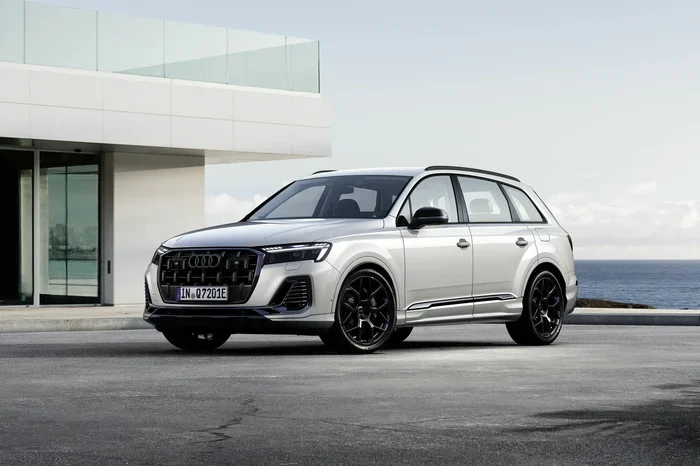
Can the Audi Q7 Qualify for Section 179 Tax Deductions
The Audi Q7 can potentially qualify for Section 179 tax deductions, but it depends on several key factors like gross vehicle weight, business use percentage, and IRS placement rules. Many business owners assume luxury SUVs automatically qualify, but the truth is more nuanced. Understanding the specific requirements can help you claim significant tax savings or avoid costly mistakes. This guide breaks down everything you need to know about using your Audi Q7 for a Section 179 deduction.
Thinking about buying or already own an Audi Q7 for your business? You might be wondering whether this luxury SUV can help you save on taxes. The good news is that Section 179 tax deductions can offer real savings for business owners who use qualifying vehicles.
But here is the catch. Not every vehicle qualifies. The IRS has specific rules about what counts as an eligible vehicle for a Section 179 deduction. The Audi Q7 sits in a gray area that many business owners overlook. Understanding these rules can mean the difference between a big tax write-off and a missed opportunity.
In this guide, we will walk through everything you need to know. We will cover the Section 179 requirements, the Audi Q7 specifications that matter, and practical steps you can take to maximize your tax savings. By the end, you will have a clear picture of whether your luxury SUV qualifies and how to make it work for your business.
Key Takeaways
- The Audi Q7 may qualify for Section 179, but only if its gross vehicle weight rating exceeds 6,000 lbs. This is the most important threshold to check before claiming any deduction.
- Business use percentage is critical. You must use the vehicle more than 50% for business purposes to qualify for any Section 179 deduction.
- Bonus depreciation can be an alternative if the Q7 does not meet the weight requirement. This allows you to deduct a large portion of the vehicle cost in the first year.
- Keeping detailed records of business mileage and expenses is essential. The IRS requires thorough documentation to support any vehicle tax deduction.
- The 2024 Section 179 deduction limit is $1,220,000, but vehicle-specific caps may apply. Understanding these limits helps you plan your tax strategy effectively.
- Consulting a tax professional is highly recommended. Every business situation is unique, and a tax advisor can help you maximize your savings legally.
📑 Table of Contents
- What Is Section 179 and How Does It Work?
- Understanding the Audi Q7 as a Business Vehicle
- Does the Audi Q7 Qualify for Section 179?
- How Much Can You Deduct for an Audi Q7?
- Common Mistakes Business Owners Make with Vehicle Deductions
- Expert Tips to Maximize Your Tax Savings with an Audi Q7
- Final Thoughts on the Audi Q7 and Section 179
What Is Section 179 and How Does It Work?
Section 179 is a powerful tax code that allows business owners to deduct the full purchase price of qualifying equipment and vehicles in the year of purchase. Instead of spreading the cost out over several years through vehicle depreciation, you can take a lump-sum deduction right away.
How the Section 179 Deduction Works
The idea behind Section 179 is simple. When you buy something your business needs, you should be able to deduct its cost immediately. This helps small and medium-sized businesses manage cash flow and reduce their taxable income. The IRS sets an annual limit on how much you can deduct under this provision.
For the 2024 tax year, the Section 179 deduction limit is $1,220,000. That means you can deduct up to that amount in qualifying purchases during the year. However, there is also a phase-out threshold. Once your total qualifying purchases exceed $3,050,000, the deduction amount starts to decrease dollar for dollar.
Who Can Claim the Section 179 Deduction?
Any business that purchases or leases qualifying property can claim the Section 179 deduction. This includes sole proprietors, partnerships, S corporations, and C corporations. The key requirement is that the property must be used for business purposes more than 50% of the time.
You cannot claim this deduction if you are a sole proprietor using the vehicle 100% for personal reasons. The business use percentage directly affects how much you can deduct. This is where many business owners make mistakes, and it is important to track your usage carefully.
Understanding the Audi Q7 as a Business Vehicle
The Audi Q7 is a three-row luxury SUV that offers comfort, performance, and prestige. Many business owners choose it for client meetings, travel, and daily operations. But from a tax perspective, not all features of the Q7 work in your favor.
Vehicle Specifications and Weight Ratings
The most important specification for Section 179 eligibility is the gross vehicle weight rating, or GVWR. The IRS requires that SUVs, trucks, and vans used for business must have a GVWR over 6,000 pounds to qualify for the full Section 179 deduction.
The Audi Q7 has a GVWR that typically ranges from about 5,300 to 5,700 pounds depending on the trim level and engine configuration. This puts most Q7 models under the 6,000-pound threshold that the IRS vehicle limits require. This is the single biggest factor that affects whether your Q7 qualifies.
However, some heavier trims or configurations with optional packages may push the GVWR closer to or above 6,000 pounds. It is essential to check the exact GVWR listed on the vehicle door jamb or in the owner manual for your specific model year.
Business Use Requirements for the Audi Q7
Even if your Audi Q7 meets the weight requirement, you still need to prove that it is used primarily for business. The IRS requires that the vehicle be used more than 50% for business purposes to qualify for the Section 179 deduction.
This means you need to keep a detailed log of your business miles versus personal miles. Every trip for client meetings, office visits, or business errands counts. Trips to the grocery store or personal appointments do not. The business use percentage directly determines how much of your deduction you can claim.
Many business owners underestimate the importance of record-keeping. Without proper documentation, you may face an audit or have your deduction denied. Using a mileage tracking app can make this process much easier and more accurate.
Does the Audi Q7 Qualify for Section 179?
This is the question on every business owner’s mind. The answer depends on several factors that we will break down below.
Gross Vehicle Weight Rating: The Make or Break Factor
The GVWR threshold of 6,000 pounds is the most critical requirement for SUV tax deduction eligibility. Most Audi Q7 models fall below this threshold, which means they may not qualify for the full Section 179 deduction.
Here is why this matters so much. The IRS created the 6,000-pound rule specifically to prevent luxury passenger vehicles from being written off as heavily as heavier work vehicles. The idea is that lighter SUVs and passenger cars should be subject to standard vehicle depreciation schedules instead.
However, some Q7 configurations with heavy-duty towing packages or additional cargo options may push the GVWR above 6,000 pounds. If your specific Q7 model meets this threshold, you may be in luck. Always verify the exact weight rating before assuming your vehicle qualifies.
Vehicle Placement Rules and Qualified Property
Beyond the weight requirement, the IRS has vehicle placement rules that determine what counts as qualified property for Section 179. The vehicle must be used in your trade or business, and it must be placed in service during the tax year you are claiming the deduction.
The Audi Q7 must also not be used primarily as a transport vehicle for people or property. If you are using it as a shuttle or delivery vehicle, it may not qualify. The IRS distinguishes between vehicles used for business operations and those used for general transportation services.
Additionally, the vehicle must be new or used but purchased for your business during the tax year. Leasing an Audi Q7 can also qualify under certain circumstances, but the rules differ slightly from purchasing. Your tax advisor can help clarify whether a lease qualifies.
How Much Can You Deduct for an Audi Q7?
If your Audi Q7 does qualify, you will want to know exactly how much you can deduct. The answer depends on several factors including the purchase price, your business use percentage, and the current tax year limits.
2024 Section 179 Limits and Caps
The 2024 Section 179 deduction limit is $1,220,000. This means you can deduct up to that amount in total qualifying purchases. For a single vehicle like the Audi Q7, this limit is usually not a concern since most luxury SUVs cost well below this amount.
The vehicle-specific Section 179 deduction cap for SUVs, trucks, and vans is $31,600 for vehicles with a GVWR over 6,000 pounds. If your Audi Q7 meets the weight requirement, you can deduct up to this amount in the first year. For vehicles that do not meet the weight requirement, the deduction is limited to the standard depreciation schedule for passenger vehicles, which is much lower.
Bonus Depreciation as an Alternative
If your Audi Q7 does not qualify for the full Section 179 deduction, you may still have options. Bonus depreciation allows you to deduct a large percentage of the vehicle cost in the first year. For 2024, the bonus depreciation rate is 60% for qualifying vehicles.
Bonus depreciation does not have the same GVWR restrictions as Section 179. This means even if your Audi Q7 weighs under 6,000 pounds, you may still be able to claim a significant deduction through bonus depreciation. However, the deduction amount is lower than what Section 179 would offer for a qualifying vehicle.
You can also combine Section 179 with bonus depreciation in some cases. Your tax professional can help you determine the best strategy for your specific situation.
Comparison: Section 179 vs Bonus Depreciation for the Audi Q7
| Factor | Section 179 | Bonus Depreciation |
|---|---|---|
| Maximum Deduction | $31,600 (vehicle cap) | 60% of vehicle cost (2024) |
| GVWR Requirement | Must exceed 6,000 lbs | No specific weight limit |
| Business Use Requirement | Must be over 50% | Must be over 50% |
| Deduction Timing | First year of purchase | First year of purchase |
| Best For | Heavy SUVs and trucks | Any qualifying business vehicle |
| Can Be Combined | Yes, with bonus depreciation | Yes, with Section 179 |
Common Mistakes Business Owners Make with Vehicle Deductions
Many business owners make avoidable mistakes when claiming vehicle tax deductions. These errors can lead to audits, penalties, or missed savings. Here are the most common pitfalls to watch out for.
Failing to Track Business Use Properly
The single biggest mistake is not keeping accurate records of business versus personal use. The IRS requires proof that your Audi Q7 was used for business purposes. Without a detailed mileage log, you have no way to support your deduction claim.
Use a mileage tracking app or keep a written log in your vehicle. Record the date, destination, purpose, and miles for every business trip. This simple habit can save you thousands of dollars and protect you during an audit.
Assuming All SUVs Qualify for Section 179
Many business owners assume that any SUV automatically qualifies for the Section 179 deduction. This is not true. The GVWR threshold is a hard requirement that many luxury SUVs, including the Audi Q7, do not meet.
Before claiming the deduction, verify the exact weight rating of your specific vehicle. Do not rely on general assumptions or what the salesperson told you. Check the official documentation and consult with a tax professional if you are unsure.
Ignoring the Business Use Percentage
Even if your Audi Q7 qualifies as an eligible vehicle, you can only deduct the portion used for business. If you use the vehicle 60% for business and 40% for personal reasons, your deduction is limited to 60% of the total cost.
Some business owners deduct 100% of the vehicle cost, which is a red flag for the IRS. Always calculate your business use percentage accurately and claim only what is justified by your records.
Expert Tips to Maximize Your Tax Savings with an Audi Q7
Getting the most out of your business vehicle tax deduction requires planning and strategy. Here are some expert tips to help you maximize your savings.
Buy or Lease at the Right Time
Timing matters when it comes to vehicle purchase deductions. If you are close to the end of a tax year, consider whether purchasing the Audi Q7 before December 31st makes sense for your tax strategy. The vehicle must be placed in service during the tax year to qualify.
Leasing can also offer tax advantages. Lease payments may be fully deductible as a business expense if the vehicle is used for business purposes. Compare the benefits of buying versus leasing with your tax advisor to find the best option.
Consider the Total Cost of Ownership
When evaluating whether the Audi Q7 makes sense as a business vehicle, look beyond just the tax deduction. Factor in insurance costs, maintenance, fuel, and depreciation. A luxury SUV may have higher operating costs than a more practical vehicle.
However, if the Q7 is essential for your business operations or client relationships, the tax savings may offset some of those costs. Weigh the benefits carefully and make a decision that aligns with both your business needs and financial goals.
Work with a Qualified Tax Professional
Tax laws are complex and change frequently. Working with a qualified tax professional who understands business vehicle deductions can help you avoid costly mistakes and identify savings you might otherwise miss.
A good tax advisor will review your specific situation, verify your vehicle’s eligibility, and help you choose the best deduction strategy. This investment in professional guidance often pays for itself many times over in tax savings.
Final Thoughts on the Audi Q7 and Section 179
The question of whether the Audi Q7 qualifies for Section 179 does not have a simple yes or no answer. It depends on your specific vehicle configuration, your business use percentage, and the current IRS rules for the tax year.
Most Audi Q7 models fall below the 6,000-pound GVWR threshold, which means they may not qualify for the full Section 179 deduction. However, bonus depreciation and other tax strategies can still provide meaningful savings for business owners who use the Q7 for work purposes.
The most important step you can take is to verify your specific vehicle’s weight rating, maintain thorough records of business use, and consult with a tax professional who can guide you through the process. With the right approach, you can make your Audi Q7 work harder for your business and your bottom line.
Take action today. Review your vehicle specifications, organize your mileage records, and schedule a meeting with your tax advisor. The savings you unlock could make a real difference for your business this tax season.
Frequently Asked Questions
Can I deduct an Audi Q7 under Section 179 if I use it 100% for business?
Yes, but only if the Audi Q7 meets the gross vehicle weight rating requirement of over 6,000 pounds. Even with 100% business use, the IRS vehicle weight limit is a hard requirement for the full Section 179 deduction. If your Q7 weighs under 6,000 pounds, you would need to use standard depreciation or bonus depreciation instead.
What is the gross vehicle weight limit for Section 179 eligibility?
The IRS requires that SUVs, trucks, and vans used for business must have a gross vehicle weight rating over 6,000 pounds to qualify for the full Section 179 deduction. This threshold applies specifically to passenger vehicles, including luxury SUVs like the Audi Q7. Always check the exact GVWR on your vehicle’s door jamb or documentation.
Can I use Section 179 on a leased Audi Q7?
Yes, you can claim a Section 179 deduction on a leased Audi Q7 if the lease meets IRS requirements. The vehicle must be used for business more than 50% of the time, and the lease must be a legitimate business lease agreement. Consult your tax advisor to confirm your lease qualifies for the deduction.
What happens if I use my Audi Q7 for both business and personal use?
You can still claim a deduction, but it is limited to your business use percentage. If you use the Audi Q7 60% for business and 40% for personal reasons, your Section 179 deduction is reduced accordingly. The IRS requires accurate tracking and documentation of both business and personal miles to support your claim.
Is bonus depreciation better than Section 179 for the Audi Q7?
It depends on your situation. If your Audi Q7 does not meet the 6,000-pound GVWR requirement, bonus depreciation may be your best option since it does not have the same weight restriction. However, if your Q7 does qualify for Section 179, that deduction is typically larger and more valuable. A tax professional can help you compare both options.
Can a sole proprietor claim Section 179 for an Audi Q7?
Yes, sole proprietors can claim the Section 179 deduction for a qualifying Audi Q7 used in their business. The vehicle must be used more than 50% for business purposes, and the sole proprietor must have taxable business income to claim the deduction. If the business has a loss, the deduction may be limited or disallowed.