How Many Miles Will a Dodge V10 Last for Many Years
The Dodge V10 engine is a powerful and durable powerhouse found in trucks and commercial vehicles. How Many Miles Will a Dodge V10 Last depends on maintenance, driving habits, and engine care. With proper upkeep, a V10 engine life can reach 200,000 to 300,000 miles or more. Regular oil changes and timely repairs play a huge role in extending V10 truck longevity. This guide covers everything you need to know about maximizing your engine’s lifespan.
If you own or are thinking about buying a truck with a Dodge V10 engine, you probably want to know one thing: how long will it really last? The answer is more encouraging than you might think. With the right care and attention, a V10 engine life can stretch well beyond 200,000 miles. Some owners have even pushed their engines past the 300,000-mile mark.
The Dodge V10 is not just another truck engine. It is a big-displacement, high-horsepower powerplant that was designed for heavy-duty work. Whether you use your truck for towing, hauling, or daily driving, understanding what makes this engine tick can help you get the most out of it. How Many Miles Will a Dodge V10 Last is a question that every V10 owner should have answered. This guide breaks down everything from engine basics to maintenance schedules, common problems, and expert tips for extending your engine’s life.
The V10 truck longevity story is a fascinating one. It involves engineering, maintenance habits, driving conditions, and a bit of luck. Let us dive into the details and give you a clear picture of what to expect from your Dodge V10.
Key Takeaways
- V10 Engine Life Expectancy: A well-maintained Dodge V10 can last 200,000 to 300,000 miles with proper care.
- Maintenance Matters Most: Regular oil changes, coolant flushes, and spark plug replacements are essential for long engine life.
- Common Problems Exist: Knowing the typical V10 engine common problems helps you prevent costly repairs.
- Driving Habits Count: Gentle driving and avoiding excessive towing extend your V10 engine durability significantly.
- Parts Availability Is Strong: Dodge V10 engine parts are widely available, making repairs and rebuilds more affordable.
- Comparison Matters: The V10 holds its own against other truck engines like the Ford V10 and diesel alternatives.
- Community Support: The V10 truck community offers valuable tips, forums, and shared experiences for owners.
📑 Table of Contents
- Understanding the Dodge V10 Engine
- How Many Miles Can a Dodge V10 Really Last?
- Factors That Affect V10 Engine Longevity
- Common V10 Engine Problems and How to Avoid Them
- Maintenance Schedule for Maximum V10 Life
- V10 vs Other Truck Engines: Longevity Comparison
- Expert Tips to Extend Your V10 Engine Life
- Conclusion
Understanding the Dodge V10 Engine
What Makes the V10 Special
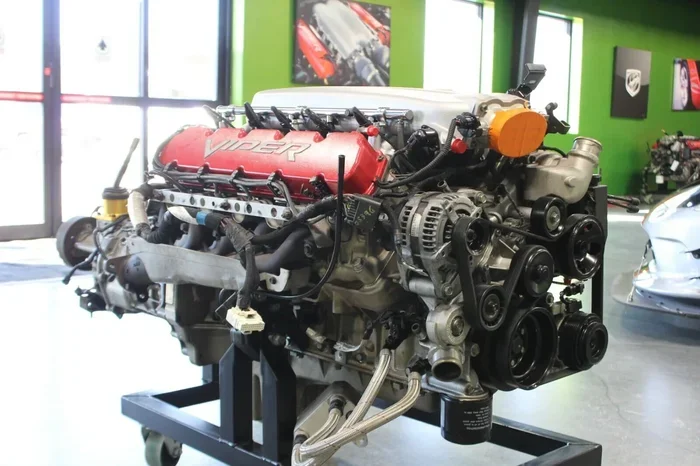
The Dodge V10 is a naturally aspirated gasoline engine that was produced from 1994 to 2003. It was available in the Dodge Ram 2500 and 3500 trucks, as well as in commercial vehicles like the Dodge Ram Van. The engine displaces 8.0 liters and produces around 300 to 310 horsepower. That is a lot of power for a truck engine.
What sets the V10 apart from other truck engines is its configuration. A V10 has ten cylinders arranged in a V shape. This gives it a smooth power delivery and strong low-end torque. The engine was designed to handle heavy loads and tough jobs. It was built to be a workhorse, not a showpiece.
Many truck enthusiasts love the Dodge V10 swap option because this engine can be adapted into other vehicle platforms. The robust design and simple architecture make it a popular choice for custom builds and engine replacements. The V10 engine horsepower and torque numbers make it a compelling option for anyone who needs serious pulling power.
The V10 Engine’s Design Philosophy
Chrysler designed the V10 with durability in mind. The engine block is made of cast iron, which adds strength and heat dissipation. The cylinder heads are also cast iron, which helps the engine handle high temperatures under heavy load. The crankshaft is forged steel, and the connecting rods are strong enough to handle serious power output.
The V10 engine durability comes from this over-engineered approach. Every major component was built with a safety margin. That means the engine can handle more stress than most drivers will ever put on it. This is one reason why the V10 has such a strong reputation for V10 engine longevity.
How Many Miles Can a Dodge V10 Really Last?
Real-World Mileage Expectations
When we talk about how many miles will a Dodge V10 last, we need to look at real-world data. The average lifespan of a well-maintained V10 engine falls between 200,000 and 300,000 miles. Some owners report even higher numbers, especially if they follow a strict maintenance schedule.
Here is a quick breakdown of what you can expect at different mileage milestones:
- 0 to 100,000 miles: The engine is in its prime. Routine maintenance keeps everything running smoothly.
- 100,000 to 200,000 miles: Some minor wear items may need attention. Valve adjustments and timing chain inspection become important.
- 200,000 to 300,000 miles: With proper care, the engine can still run strong. Major rebuilds are rare at this stage.
- 300,000+ miles: This is the territory of dedicated V10 enthusiasts. These engines often need rebuilds but can still deliver reliable performance.
Factors That Push Mileage Higher
Several factors can push your V10 past the 300,000-mile mark. The first is consistent maintenance. Owners who change their oil every 3,000 to 5,000 miles and keep up with other service items tend to see the best results. The second factor is driving style. Gentle acceleration and avoiding excessive RPMs reduce engine wear. The third factor is the quality of fuel and fluids you use.
Using V10 engine oil change intervals that are shorter than the manufacturer’s recommendation can also add significant mileage. Many V10 experts suggest changing oil every 3,000 miles with high-quality synthetic oil. This simple habit can add tens of thousands of miles to your engine’s life.
Factors That Affect V10 Engine Longevity
Maintenance Habits
The single biggest factor in V10 engine life expectancy is how well you maintain the engine. Skipping oil changes, ignoring coolant levels, and neglecting spark plug replacements will shorten your engine’s life dramatically. On the other hand, a disciplined maintenance schedule can add years of reliable service.
Here are the most important maintenance tasks for your V10:
- Oil changes every 3,000 to 5,000 miles with quality synthetic oil
- Coolant flushes every 30,000 to 50,000 miles
- Spark plug replacements every 30,000 to 60,000 miles
- Transmission fluid changes every 30,000 to 60,000 miles
- Timing chain inspection at 100,000 miles
- Fuel filter replacements every 15,000 to 30,000 miles
Driving Conditions and Habits
How you drive your truck matters more than you might think. V10 engine tuning and driving habits go hand in hand. If you constantly haul heavy loads at high speeds, your engine will wear faster than someone who uses their truck for light-duty driving.
Short-trip driving is another factor that can reduce engine life. When you drive short distances, the engine does not reach full operating temperature. This leads to moisture buildup and accelerated wear. If you mainly drive short trips, consider taking your truck on longer highway drives occasionally to let the engine fully warm up and burn off condensation.
Fuel Quality and Usage
The V10 engine fuel economy is not great, but that is not the main concern here. What matters is the quality of fuel you use. Low-quality fuel can cause carbon buildup, injector problems, and reduced engine performance over time. Always use top-tier gasoline and consider adding a fuel system cleaner every few oil changes.
Also, keep in mind that the V10 engine horsepower output means the engine works hard. Running the engine at high RPMs for extended periods generates more heat and wear. Try to keep your RPMs in the moderate range during highway driving to reduce engine stress.
Climate and Environmental Factors
Where you live and drive also affects your V10’s lifespan. Extreme heat, extreme cold, and high humidity all put additional stress on engine components. If you live in a very hot climate, make sure your cooling system is in top shape. If you live in a cold climate, let your engine warm up gradually before pushing it hard.
Salt and road debris are also enemies of engine longevity. If you drive in areas with heavy salt use in winter, wash your truck regularly and pay extra attention to undercarriage and engine bay cleanliness. Corrosion can affect engine components over time.
Common V10 Engine Problems and How to Avoid Them
Timing Chain Stretch
One of the most common V10 engine common problems is timing chain stretch. Over time, the timing chain can elongate, causing rough idling, misfires, and reduced performance. This issue is more common in higher-mileage engines. The good news is that early detection can prevent catastrophic engine damage.
To avoid timing chain problems, have your mechanic inspect the chain at the 100,000-mile mark. If you hear rattling noises when starting the engine, get it checked immediately. Replacing a stretched timing chain early is far cheaper than fixing the damage caused by a failed chain.
Coolant System Issues
The V10 engine generates a lot of heat, and the coolant system works hard to keep temperatures in check. Common coolant system problems include leaking water pumps, failing thermostats, and clogged radiator hoses. These issues can lead to overheating, which is one of the fastest ways to destroy an engine.
Check your coolant levels regularly and inspect hoses for cracks or leaks. Replace the thermostat at around 100,000 miles as a preventive measure. A functioning cooling system is essential for V10 truck longevity.
Exhaust Manifold Cracks
Some V10 engines are prone to exhaust manifold cracks, especially as they age. These cracks can cause exhaust leaks, reduced power, and increased noise. The cracks often develop at the manifold bolts due to repeated heating and cooling cycles.
If you notice a ticking sound from the engine or a smell of exhaust fumes, have your exhaust manifold inspected. Replacing a cracked manifold early prevents further damage to the engine and exhaust system.
Valve Cover Gasket Leaks
Valve cover gasket leaks are another common issue with higher-mileage V10 engines. The gaskets deteriorate over time and allow oil to seep out. This can lead to oil loss, dirty engine components, and potential fire hazards if the oil reaches hot exhaust parts.
Inspect the valve covers during every oil change. If you see oil residue around the edges, have the gaskets replaced promptly. This is a relatively inexpensive repair that can prevent much bigger problems down the road.
Maintenance Schedule for Maximum V10 Life
Daily and Weekly Checks
Simple daily habits can add years to your V10 engine’s life. Check your oil level every time you fill up with fuel. Look at your coolant reservoir weekly to make sure the level is where it should be. Listen for any unusual sounds when starting the engine or during driving.
These small habits take only a few minutes but can catch problems early. Early detection is always cheaper and easier than fixing major engine damage.
Scheduled Maintenance Intervals
Here is a recommended maintenance schedule for maximizing your V10 engine durability:
- Every 3,000 to 5,000 miles: Oil and filter change
- Every 15,000 miles: Air filter replacement
- Every 30,000 miles: Coolant flush, spark plug replacement, transmission fluid change
- Every 60,000 miles: Fuel filter replacement, brake fluid flush
- Every 100,000 miles: Timing chain inspection, thermostat replacement, valve adjustment
- Every 150,000 miles: Comprehensive engine inspection, all gasket checks
Quick Tips for V10 Owners
Here are some quick tips that experienced V10 owners swear by:
- Use synthetic oil for better engine protection and longer change intervals
- Keep a maintenance log to track all services and repairs
- Warm up the engine gently before pushing it hard
- Avoid letting the fuel tank drop below a quarter full to prevent fuel pump strain
- Join online V10 truck communities for real-world advice and tips
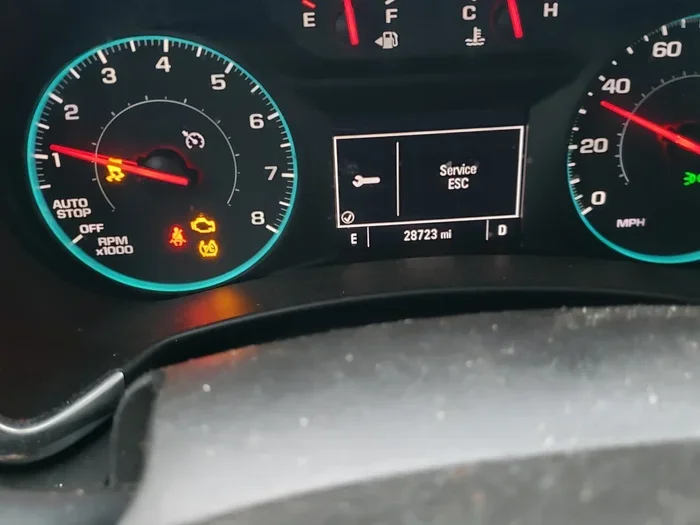
- Address any warning lights or unusual symptoms immediately
- Use OEM or high-quality aftermarket parts for repairs
Common Mistakes That Shorten V10 Life
There are several mistakes that V10 owners make that can significantly shorten engine life. One of the biggest is ignoring warning signs. A check engine light, unusual noise, or slight performance drop is never something to ignore. These are your engine’s way of telling you something is wrong.
Another common mistake is skipping oil changes. Even if you do not think you need one, sticking to a regular schedule protects your engine from wear. Using the wrong oil viscosity is another mistake that many owners make. Always use the oil weight recommended by Chrysler for the V10 engine.
Overlooking coolant maintenance is also a costly error. Coolant does more than just prevent freezing. It also protects against corrosion and helps regulate engine temperature. Old or low coolant can lead to overheating and serious engine damage.
V10 vs Other Truck Engines: Longevity Comparison
How the V10 Compares
When considering V10 truck longevity, it helps to compare the Dodge V10 with other popular truck engines. Here is a comparison table showing the expected lifespan of different truck engines:
| Engine | Expected Lifespan | Common Uses | Maintenance Cost |
|---|---|---|---|
| Dodge V10 (8.0L) | 200,000 – 300,000+ miles | Trucks, commercial vans | Moderate |
| Ford V10 (6.8L) | 200,000 – 300,000+ miles | Trucks, RVs, motorhomes | Moderate |
| Chevy 6.0L Vortec | 250,000 – 350,000 miles | Trucks, SUVs | Moderate |
| Diesel V8 (6.6L Duramax) | 300,000 – 500,000+ miles | Heavy-duty trucks | Higher |
| Toyota V8 (5.7L) | 250,000 – 400,000 miles | Trucks, SUVs | Lower |
As you can see, the Dodge V10 holds its own against many other truck engines. While diesel engines tend to last longer, the V10 offers a great balance of power, durability, and maintenance cost. The V10 engine rebuild cost is also reasonable compared to diesel rebuilds, which can be significantly more expensive.
Why Choose the V10?
The V10 offers several advantages over other engine options. The V10 engine parts availability is excellent, with many aftermarket options available. The engine is relatively simple in design, which makes repairs easier and less expensive. And the power output is impressive for a gasoline engine, making it a great choice for towing and hauling.
The V10 truck community is also a big advantage. There are many forums, groups, and resources dedicated to V10 owners. This means you can always find advice, parts recommendations, and support when you need it.
Expert Tips to Extend Your V10 Engine Life
Follow the Manufacturer’s Guidelines
The simplest and most effective way to extend your V10 engine life is to follow Chrysler’s maintenance guidelines. The owner’s manual contains a detailed service schedule that covers every aspect of engine care. Sticking to this schedule is the foundation of long engine life.
Do not skip services just because your truck seems fine. Preventive maintenance is always cheaper than reactive repairs. The small investment in regular services pays off enormously over the life of your engine.
Invest in Quality Parts and Fluids
Using cheap parts and fluids might save money in the short term, but it can cost you dearly in the long run. High-quality synthetic oil, premium coolant, and name-brand spark plugs all contribute to better engine performance and longevity.
When it comes to V10 engine maintenance, do not cut corners. The V10 engine was designed to run on quality fluids and parts. Giving it the best ensures it will reward you with years of reliable service.
Listen to Your Engine
Experienced V10 owners know that their engine tells them a lot if they listen. Pay attention to changes in sound, performance, and feel. A slight change in idle quality, a new vibration, or a subtle loss of power can all be early warning signs of problems.
Addressing these small issues early can prevent major repairs. This is one of the best-kept secrets of V10 engine longevity. The owners who get the most miles out of their V10 are the ones who pay attention and act quickly.
Keep the Engine Clean
A clean engine runs cooler and lasts longer. Regularly clean the engine bay to remove dirt, grease, and debris. This also makes it easier to spot leaks and other issues early. Pressure washing the engine bay periodically is a good practice, but be careful around electrical components.
Also, keep the air intake area clean and free of debris. A clogged air filter reduces engine performance and increases fuel consumption. Simple cleanliness habits go a long way toward protecting your investment.
Conclusion
The answer to how many miles will a Dodge V10 last is ultimately in your hands. With proper maintenance, careful driving, and attention to small issues before they become big problems, your V10 engine can easily reach 200,000 to 300,000 miles. Some owners have gone well beyond that. The V10 engine life is impressive, especially for a gasoline engine designed for heavy-duty work.
The V10 engine durability comes from a combination of strong engineering and the care you provide. Follow the maintenance schedule, use quality fluids and parts, and listen to what your engine is telling you. These simple steps can add many years and tens of thousands of miles to your V10 engine.
Whether you use your truck for work, play, or both, the Dodge V10 is a reliable and powerful choice. Take care of it, and it will take care of you. Start implementing these tips today, and you will be well on your way to enjoying a long and trouble-free relationship with your V10 engine.
Frequently Asked Questions
What is the average lifespan of a Dodge V10 engine?
The average lifespan of a Dodge V10 engine is between 200,000 and 300,000 miles with proper maintenance. Some well-cared-for V10 engines have been known to exceed 300,000 miles. Regular oil changes, coolant flushes, and timely repairs are the key factors that determine how long your V10 will last.
How often should I change the oil in my Dodge V10?
It is recommended to change the oil in your Dodge V10 every 3,000 to 5,000 miles. Using high-quality synthetic oil can help extend engine life and improve performance. Consistent oil changes are one of the most important things you can do to maximize V10 engine longevity.
What are the most common problems with the Dodge V10 engine?
The most common V10 engine common problems include timing chain stretch, coolant system leaks, exhaust manifold cracks, and valve cover gasket leaks. Most of these issues are preventable with regular maintenance and early detection. Addressing small symptoms early can prevent costly repairs down the road.
Can a Dodge V10 be used for heavy towing?
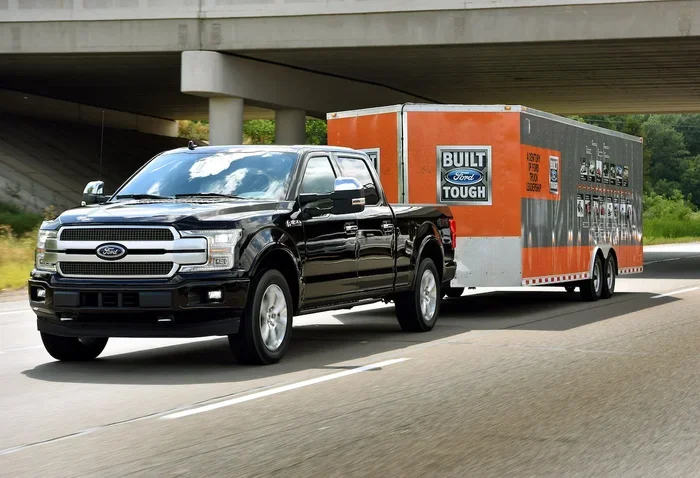
Yes, the Dodge V10 is well-suited for heavy towing thanks to its high horsepower and strong torque output. However, frequent heavy towing puts more stress on the engine and can reduce its lifespan if not properly maintained. Always keep up with maintenance and monitor engine temperatures when towing heavy loads.
How does the V10 engine compare to diesel truck engines in terms of longevity?
Diesel engines generally last longer than gasoline engines, with some diesel V8s reaching 400,000 to 500,000 miles. However, the Dodge V10 still offers excellent longevity for a gasoline engine, with many units reaching 200,000 to 300,000 miles. The V10 also has lower maintenance costs compared to diesel engines, making it a practical choice for many truck owners.
Are Dodge V10 engine parts easy to find?
Yes, Dodge V10 engine parts are widely available through dealerships, auto parts stores, and online suppliers. The popularity of the V10 in trucks and commercial vehicles means there is a strong aftermarket support system. You should have no trouble finding replacement parts for routine maintenance or repairs.