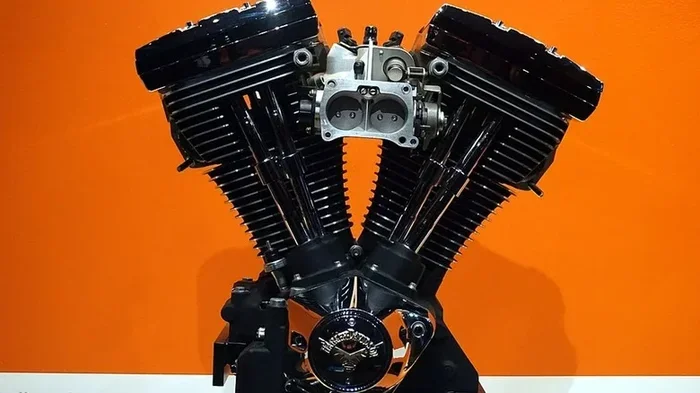
Harley-Davidson Evolution Engine Problems and Solutions
The Harley-Davidson Evolution Engine is a legendary powerplant, but it still faces real problems like overheating, oil leaks, valve train wear, and check engine light triggers. Understanding these common issues helps riders save money and keep their bikes running strong. This guide covers every major problem area with clear, step-by-step solutions you can apply yourself or discuss with your mechanic.
The Harley-Davidson Evolution Engine, often called the “Evo,” has powered motorcycles since 1984. Riders love its rumble, torque, and classic V-twin character. But even the best engines develop problems over time. Whether you ride a Sportster or a Dyna, understanding common issues keeps your bike alive and kicking.
This guide dives deep into the most frequent Harley-Davidson Evolution Engine Problems and gives you practical solutions. We cover everything from overheating to valve train wear. You will walk away knowing exactly what to look for and how to fix it.
Many riders ignore small warning signs until a minor issue becomes a major repair. That approach costs time and money. With the right knowledge, you can catch problems early and keep your Evo running smoothly for decades. Let us get into it.
Key Takeaways
- Overheating is the #1 enemy: Regular coolant checks and radiator maintenance prevent most overheating issues.
- Oil leaks are common but fixable: Gasket replacements and proper torque routines stop leaks before they worsen.
- Valve adjustments matter: Sticking valves cause misfires and power loss that are easy to prevent with routine maintenance.
- Check engine lights should never be ignored: Use an OBD-II scanner to diagnose the root cause quickly.
- Air filter maintenance boosts performance: A clean air filter improves airflow and engine efficiency significantly.
- Early detection saves money: Catching problems early prevents costly engine rebuilds and downtime.
📑 Table of Contents
- Understanding the Harley-Davidson Evolution Engine
- Overheating Problems and Solutions
- Oil Leaks and Gasket Failures
- Valve Train Problems and Misfires
- Check Engine Light and Diagnostic Issues
- Engine Performance and Maintenance Tips
- Common Mistakes Riders Make With Their Evo Engine
- When to Consider an Engine Rebuild
- Conclusion
Understanding the Harley-Davidson Evolution Engine
The Evolution engine replaced the Shovelhead in 1984 and brought major improvements. It featured aluminum heads and cylinders, which reduced weight and improved heat dissipation. Harley-Davidson used this engine platform for over 30 years across many models.
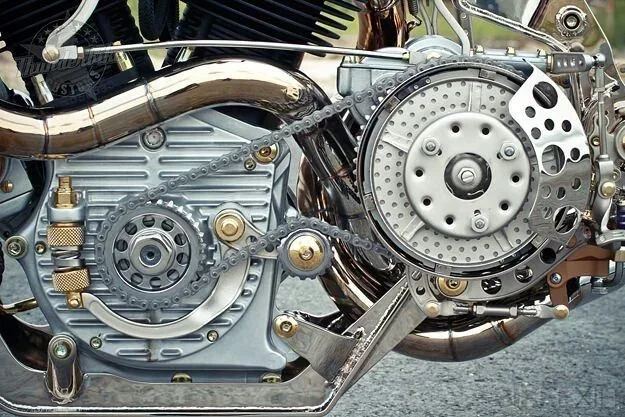
The Evo is a 45-degree V-twin with a displacement of 1340cc in most versions. It uses overhead valves actuated by pushrods and rocker arms. This design is simple, reliable, and easy to work on. But simplicity does not mean invincibility.
Riders often assume that because the Evo is a proven design, it cannot have problems. That is far from the truth. Every engine has weak points, and the Evo is no exception. Knowing what those weak points are gives you a huge advantage as a rider and owner.
Overheating Problems and Solutions
Overheating tops the list of Harley-Davidson Evolution Engine Problems for a reason. The Evo runs hot by design, and several factors can push temperatures into the danger zone. When your engine overheats, it can warp heads, blow gaskets, or even crack the cylinder.
Why Does the Evo Overheat?
Several reasons cause the Evolution engine to run hotter than it should. Low coolant levels are the most common culprit. Old coolant loses its ability to transfer heat effectively. A clogged radiator restricts airflow and traps heat. A faulty thermostat stuck in the closed position prevents coolant from circulating properly.
Riders who install aftermarket exhausts without adjusting the fuel mixture also risk overheating. Rich or lean fuel ratios affect combustion temperatures significantly. Riding in heavy traffic on hot days without adequate cooling makes things worse.
How to Fix Overheating Issues
Start by checking your coolant level and condition. Flush the system and refill with fresh coolant every two years. Inspect the radiator for clogs or damage. Make sure the fan turns on at the right temperature.
Replace a stuck thermostat immediately. It is a cheap part that prevents expensive damage. Check your exhaust system for restrictions. If you have aftermarket pipes, verify your fuel map is correct for the new setup.
Consider upgrading to a high-flow radiator or adding an auxiliary fan if you ride in hot climates. These small changes make a big difference in keeping temperatures under control.
Also, check whether old coolant can cause engine overheating on other engines, because the same principle applies to your Harley. Fresh coolant is essential for proper thermal management.
Oil Leaks and Gasket Failures
Oil leaks are another frequent complaint among Evo owners. The engine has several gaskets and seals that can degrade over time. Oil not only creates a mess but also leads to low oil levels, which causes engine damage.
Common Leak Points
The most common leak points on the Evolution engine include the head gasket, the cam cover gaskets, and the oil pan gasket. The primary chaincase seal is also notorious for leaking. Over time, heat cycles and vibration cause these seals to harden and crack.
Riders who skip regular inspections often discover leaks only when oil levels drop dangerously low. Checking your oil level before every ride takes seconds and prevents serious engine wear.
Fixing Oil Leaks
For minor leaks, a quality gasket sealer can buy you time. But replacement is the permanent fix. Start with the cam cover gaskets, as they are the most accessible and affordable. Use OEM-quality gaskets or high-grade aftermarket alternatives.
When replacing gaskets, clean all mating surfaces thoroughly. Apply the correct torque specifications to avoid crushing the new gasket unevenly. Over-tightening is a common mistake that causes leaks to return quickly.
If the primary chaincase seal is leaking, this requires more involved work. Consider having a professional handle this repair if you are not experienced with primary drive maintenance.
Regular oil changes with quality synthetic oil help keep seals supple and reduce the likelihood of leaks. Clean oil also carries away contaminants that accelerate gasket degradation.
Valve Train Problems and Misfires
The valve train on the Evolution engine uses pushrods, rocker arms, and hydraulic lifters. Over thousands of miles, these components wear and develop problems. Valve train issues show up as misfires, rough idle, and loss of power.
Sticky Valves and Lifter Collapse
Hydraulic lifters can collapse or become sticky, especially if oil changes are neglected. When a lifter fails, the valve does not open fully or stays open too long. This causes a misfire in that cylinder and a noticeable drop in performance.
Sticky valves often result from carbon buildup on the valve seats. This is more common in bikes that sit for long periods or use low-quality fuel. The carbon prevents the valve from seating properly, leading to compression loss.
How to Diagnose Valve Train Issues
Listen for a clicking or tapping noise from the engine. This is often the first sign of a valve train problem. Check for uneven idle or a cylinder that runs rough. Use a compression tester to identify weak cylinders.
If you notice your check engine light comes on along with these symptoms, do not ignore it. Use an OBD-II scanner to read fault codes. This helps you pinpoint which cylinder is affected and what type of problem you are dealing with.
You can also learn more about what triggers the check engine light by reading about check engine lights turning off on their own, because intermittent light behavior is a common symptom of valve-related issues.
Fixing Valve Train Problems
Adjusting valve clearances is the first step. The Evo uses shim-adjusted valves, which means you can fine-tune the gap. Follow Harley-Davidson’s specifications for intake and exhaust clearance.
Replace any collapsed lifters immediately. Do not try to clean and reuse them. Install new pushrods if they are bent or worn beyond spec. Clean carbon deposits from valve seats using a quality engine cleaner or have them professionally decarbonized.
Regular valve adjustments every 10,000 miles prevent most valve train problems from developing. This simple maintenance task takes a few hours and saves hundreds in potential repair costs.
Check Engine Light and Diagnostic Issues
The check engine light on a Harley-Davidson Evolution engine is your best diagnostic tool. When it illuminates, the engine control module has detected a fault. Understanding what the light means and how to respond is critical.
Common Diagnostic Trouble Codes
Common codes on the Evo include oxygen sensor faults, throttle position sensor errors, and ignition coil failures. A lean fuel condition code often points to a vacuum leak or carburetor issue. A misfire code usually indicates a bad spark plug, coil, or valve problem.
Many riders panic when the check engine light comes on, but it does not always mean a catastrophic failure. Sometimes it is a minor sensor issue that costs little to fix. Still, you should address it promptly to prevent secondary damage.
Running Diagnostics Yourself
You can run basic diagnostics with an OBD-II scanner that supports Harley-Davidson protocols. These scanners read and clear fault codes, giving you insight into what the engine is struggling with.
If your light is on but you want to understand when it might resolve itself, check out information on check engine lights going off by themselves, as intermittent electrical faults sometimes clear after a few drive cycles.
Always clear codes after fixing the underlying issue. A lingering code after repair can confuse future diagnostics. If you are unsure about a code, consult a Harley-Davidson dealer or qualified mechanic.
When to Seek Professional Help
Some diagnostic issues require specialized tools and expertise. If you get a code related to engine timing or fuel injection calibration, a professional has the equipment to handle it safely. Do not guess when it comes to engine management systems.
Also, if you want to learn more about diagnostic limitations, read about running diagnostics without a check engine light, because understanding diagnostic boundaries helps you make better repair decisions.
Engine Performance and Maintenance Tips
Prevention is always better than cure when it comes to the Evolution engine. A solid maintenance routine catches small problems before they become big ones. Here are the most impactful things you can do for your Evo.
Keep the Air Filter Clean
A dirty air filter restricts airflow and starves the engine. This leads to poor combustion, reduced power, and increased fuel consumption. You can clean a foam air filter with proper cleaning solution and re-oil it. But know when to replace versus clean.
If you are wondering whether cleaning is enough, check out this guide on cleaning your engine air filter instead of replacing it, because some filters are too far gone for cleaning and need full replacement.
Change Oil Regularly
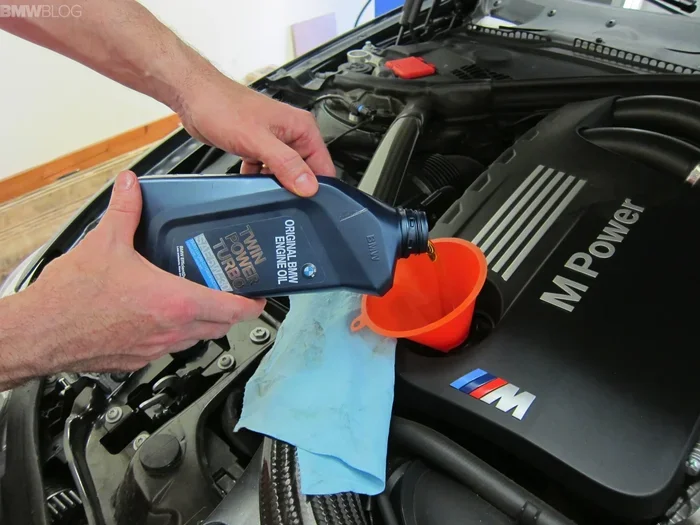
Oil is the lifeblood of your engine. Change it every 3,000 to 5,000 miles with a quality synthetic or semi-synthetic oil. Use the viscosity recommended by Harley-Davidson for your specific model year. Old, dirty oil accelerates wear on all internal components.
Monitor Coolant and Temperature
Check coolant levels weekly during riding season. Inspect hoses for cracks or swelling. Flush the entire cooling system annually. Keep an eye on your temperature gauge, especially during stop-and-go traffic or hot weather riding.
Use Quality Fuel and Additives
Fill up at reputable stations to avoid contaminated fuel. Consider using a fuel system cleaner every few tanks to prevent carbon buildup on valves and injectors. Clean fuel keeps your engine running smoothly and reduces the chance of misfires.
Address Vibrations Promptly
The Evo produces a characteristic rumble, but excessive vibration is a warning sign. Check engine mounts, primary belt tension, and tire balance. Excessive vibration can loosen bolts, crack welds, and damage electrical connections over time.
Common Mistakes Riders Make With Their Evo Engine
Even experienced riders make mistakes that shorten engine life. Here are the most common ones and how to avoid them.
- Ignoring the check engine light: Many riders cover the gauge or ignore the light. This allows small problems to grow into expensive repairs.
- Skipping oil changes: Dirty oil is the leading cause of premature engine wear. Do not stretch oil change intervals beyond what is recommended.
- Running the tank too low: This can cause fuel pump overheating and sediment from the tank bottom to enter the engine.
- Neglecting valve adjustments: Incorrect valve clearances cause poor performance and can damage valves and pistons over time.
- Using the wrong coolant: Always use Harley-Davidson-approved coolant or a high-quality ethylene glycol mixture. Wrong coolant can corrode internal passages.
- Overlooking small leaks: A small oil leak today becomes a major gasket failure tomorrow if left unaddressed.
When to Consider an Engine Rebuild
Sometimes the best solution is a full engine rebuild. If your Evo has high mileage and multiple major issues, a rebuild can bring it back to life. Signs that a rebuild may be needed include chronic oil consumption, consistent misfires, low compression across multiple cylinders, and excessive blow-by from the crankcase breather.
A rebuild is not cheap. Expect to invest several thousand dollars depending on the extent of machine work needed. But a rebuilt Evolution engine can easily last another 50,000 miles or more with proper care.
If you are considering an engine swap instead, you might wonder whether any engine can be put in any car, because the concept of engine compatibility applies broadly across all vehicles, not just Harleys.
Before committing to a rebuild, get a thorough assessment from a qualified Harley mechanic. They can tell you exactly which components need replacement and give you an accurate cost estimate.
Conclusion
The Harley-Davidson Evolution Engine is a tough, reliable powerplant that rewards proper care and attention. The most common Harley-Davidson Evolution Engine Problems — overheating, oil leaks, valve train wear, and check engine light triggers — are all manageable when you catch them early.
Stick to a regular maintenance schedule. Monitor your coolant, oil, and temperature gauges. Address warning signs immediately. These simple habits keep your Evo running strong for decades of riding enjoyment.
Knowledge is your best tool as a motorcycle owner. The more you understand about your engine, the better equipped you are to handle problems before they escalate. Ride smart, maintain regularly, and your Evolution engine will deliver the rumble and reliability you expect from Harley-Davidson.
Frequently Asked Questions
What are the most common Harley-Davidson Evolution Engine Problems?
The most common issues include overheating, oil leaks from gaskets and seals, valve train wear causing misfires, check engine light triggers, and excessive oil consumption. Regular maintenance catches most of these problems early and prevents costly repairs.
How do I know if my Evo engine is overheating?
Watch your temperature gauge closely. Signs of overheating include the gauge reading in the red zone, coolant boiling out of the overflow, steam rising from the engine, and a noticeable loss of power. If you see any of these signs, stop riding immediately and let the engine cool down.
Can I fix an oil leak on my Evolution engine myself?
Small leaks from cam cover gaskets and oil pan gaskets are DIY-friendly with basic tools and a repair manual. However, primary chaincase seal leaks and head gasket failures are more complex and may require professional help. Always use the correct torque specifications when replacing gaskets.
How often should I adjust the valves on my Harley Evo?
Harley-Davidson recommends valve adjustments every 10,000 miles or once a year, whichever comes first. Regular adjustments prevent carbon buildup, ensure proper compression, and keep your engine running smoothly. Skipping this maintenance can lead to costly valve and piston damage.
What causes the check engine light to come on on a Harley Evolution engine?
The check engine light comes on when the engine control module detects a fault. Common causes include oxygen sensor failures, ignition coil problems, throttle position sensor errors, lean fuel conditions, and misfires. Using an OBD-II scanner to read the specific fault code is the best first step.
Is a Harley-Davidson Evolution Engine rebuild worth the cost?
A rebuild is worth it if your engine has high mileage and multiple major issues but the rest of the motorcycle is in good condition. A professional rebuild can extend engine life by 50,000 miles or more. Get a detailed assessment from a qualified mechanic before committing to the cost.