Does Valvoline Do BMW Oil Changes and Why It Matters
Yes, Valvoline can perform BMW oil changes, but there are important things every BMW owner should know before booking a service. Using the correct oil type, meeting BMW specifications, and understanding potential limitations at quick-lube shops are critical. This guide covers everything you need to make the best decision for your vehicle.
Every BMW owner wants to keep their car running smoothly. One of the simplest yet most important ways to do that is by staying on top of regular oil changes. But when it comes to choosing where to get the service done, many drivers wonder about their options. A common question we hear is whether a popular quick-lube chain like Valvoline can handle BMW oil changes properly. The short answer is yes, but there are important details you need to understand first.
BMW vehicles are engineering marvels. They use high-performance engines that demand specific care. Not every oil change shop is equipped to meet those demands. In this guide, we will walk you through everything you need to know about getting a BMW oil change at Valvoline. We will cover costs, oil types, what to expect, and how to make sure your luxury car gets the service it deserves.
Key Takeaways
- Valvoline offers BMW oil change services at many locations, but compatibility depends on your specific model and engine type.
- BMW engines require specific oil specifications like LL-01 or LL-04, which not all quick-lube shops fully meet.
- The cost at Valvoline is typically lower than a BMW dealership, making it a budget-friendly option for routine maintenance.
- Using the wrong oil can damage your BMW engine over time, leading to costly repairs.
- Always confirm Valvoline uses OEM-approved oil and filters before booking your appointment.
- DIY oil changes and independent shops are alternative options worth considering for BMW owners.
📑 Table of Contents
- Does Valvoline Do BMW Oil Changes?
- What Kind of Oil Does a BMW Need?
- How Much Does a BMW Oil Change at Valvoline Cost?
- What to Expect During a Valvoline BMW Oil Change
- Pros and Cons of Using Valvoline for Your BMW Oil Change
- How Often Should You Change BMW Oil?
- Alternative Options for BMW Oil Changes
- Common Mistakes BMW Owners Make with Oil Changes
- Expert Insights on BMW Oil Changes
- Key Takeaways
- Frequently Asked Questions
- Conclusion
Does Valvoline Do BMW Oil Changes?
The quick answer is yes. Valvoline offers oil change services for a wide range of vehicles, including BMW models. Many Valvoline locations provide quick lube services that can handle BMW engines. However, there is a big difference between simply changing the oil and doing it in a way that meets BMW standards. This distinction matters more than most people realize.
Valvoline is known for its fast, convenient service. Most oil changes take about 15 to 30 minutes. That speed is great for everyday vehicles. But BMW engines are not everyday vehicles. They have specific requirements for oil viscosity, filter quality, and oil capacity. A Valvoline technician should be trained to handle these requirements, but the level of expertise can vary by location.
Before you book an appointment, call your local Valvoline center. Ask them directly if they service BMW vehicles. Some locations are better equipped than others. Confirming this ahead of time saves you from potential issues later. You want a shop that understands the unique needs of a BMW engine, not just a general quick-lube service.
What BMW Models Can Valvoline Handle?
Valvoline can typically service most BMW models. This includes popular lines like the 3 Series, 5 Series, X Series SUVs, and the M Series performance vehicles. The key factor is the engine type. BMW uses different engines across its lineup. Some use turbocharged four-cylinder engines. Others use inline-six or V8 engines. Each engine has its own oil requirements.
For standard BMW models, a Valvoline oil change is usually straightforward. For high-performance M models, you may want to double-check. These engines run hotter and need premium-grade oils. Make sure the Valvoline location you visit carries the right products for your specific BMW model.
What Kind of Oil Does a BMW Need?
This is where things get critical. BMW does not use just any engine oil. The company has strict specifications that the oil must meet. Using the wrong oil can void your warranty or cause long-term engine damage. Understanding BMW oil requirements helps you make smarter choices at any service center.
BMW Oil Specifications Explained
BMW uses specific oil certifications. The most common ones are LL-01 and LL-04. These are not just brand names. They are detailed engineering specifications. LL-01 oil is designed for gasoline BMW engines. LL-04 is formulated for diesel engines, particularly those with particulate filters. Using the wrong specification can lead to poor engine performance.
BMW also specifies the correct viscosity. Most modern BMW engines use 0W-30 or 0W-40 synthetic oil. Older models may require 5W-30 or 10W-60. The viscosity rating affects how the oil flows at different temperatures. Using the wrong viscosity can cause inadequate lubrication or poor fuel economy.
Why Synthetic Oil Matters for BMW Engines
BMW engines are built for high performance. They operate at higher temperatures and pressures than standard car engines. Synthetic oil handles these conditions far better than conventional oil. It provides superior protection against heat breakdown. It also flows more smoothly at cold start temperatures, which matters in colder climates.
Valvoline offers full synthetic oil options. Their Valvoline SynPower line is a strong choice. It meets many of the specifications BMW requires. However, always verify that the specific Valvoline oil they use meets your BMW oil specification. Do not assume every oil on their shelf is compatible.
How Much Does a BMW Oil Change at Valvoline Cost?
Cost is a major factor for most car owners. BMW oil changes at a dealership can be expensive. A typical BMW oil change at a dealer ranges from $150 to $300 or more. That price includes the oil, filter, and labor. For many drivers, that is a hard pill to swallow. This is where Valvoline becomes an attractive alternative.
At Valvoline, a standard oil change typically costs between $50 and $80. If you add a BMW-specific synthetic oil, the price may go up slightly. Expect to pay around $70 to $120 for a BMW oil change at Valvoline. This is still significantly less than a dealership visit. Plus, Valvoline frequently offers coupons and promotions that bring the price even lower.
What Is Included in a Valvoline Oil Change?
A typical Valvoline oil change includes several services:
- New engine oil based on your vehicle requirements
- A new oil filter (confirm OEM or equivalent quality)
- Fluid level checks for coolant, brake fluid, and transmission fluid
- Tire pressure inspection
- Battery test and visual inspection
- Windshield fluid top-off
Not all of these services are specific to BMW vehicles. But the oil and filter change is the core service. Ask the technician which oil brand and specification they will use. Transparency here is key to protecting your BMW engine.
Valvoline Oil Change Coupon Tips
Valvoline regularly publishes oil change coupons. You can find them on their website, in local newspapers, and through email newsletters. These coupons can save you 20 to 50 percent on a standard oil change. For BMW owners, look for coupons that apply to synthetic oil services. That is the type of oil your BMW needs.
Also check for Valvoline Instant Oil Change promotions. Some locations offer bundled deals that include additional inspections. These can add extra value to your visit. Signing up for the Valvoline email list is a simple way to stay updated on the latest offers.
What to Expect During a Valvoline BMW Oil Change
Knowing what happens during the service helps you feel confident. The process at Valvoline is designed to be fast and efficient. Here is a step-by-step look at what typically happens when you bring your BMW in for an oil change.
Step 1: Vehicle Inspection
When you arrive, a technician will greet you. They will ask about your BMW model and any concerns you have. They may also perform a quick visual inspection of your vehicle. This includes checking for leaks, worn hoses, or obvious issues. This is a good time to mention any unusual sounds or dashboard warning lights.
Step 2: Draining the Old Oil
The technician will lift your vehicle or use a lift to access the oil drain plug. The old oil is drained into a collection pan. This process takes just a few minutes. While the oil drains, they will remove the old oil filter and replace it with a new one.
Step 3: Adding New Oil
Once the old oil is fully drained, the technician installs a new drain plug washer if needed. They then refill the engine with the correct amount of new oil. For most BMW models, the oil capacity ranges from 6 to 8 quarts, depending on the engine size. The technician should use the oil specification your BMW requires.
Step 4: Post-Service Checks
After refilling, the technician starts the engine and lets it run for a few minutes. This circulates the new oil through the engine. They will check for leaks around the drain plug and filter. They also check the oil level on the dipstick or electronic gauge. Finally, they reset the oil change reminder on your BMW’s dashboard if applicable.
How Long Does It Take?
Most Valvoline oil changes are completed in 15 to 30 minutes. This is one of the biggest advantages of using Valvoline. You can get in and out quickly without sacrificing too much convenience. However, if additional services are needed or if the location is busy, your wait time may be longer.
Pros and Cons of Using Valvoline for Your BMW Oil Change
Like any service option, using Valvoline for your BMW oil change has advantages and disadvantages. Understanding both sides helps you make the best decision for your vehicle and your budget.
Pros
- Lower cost compared to BMW dealerships and most independent shops
- Fast service with most oil changes completed in under 30 minutes
- Widely available locations across the United States
- Convenient drop-in service with no appointment needed at most centers
- Frequent coupons and promotions that reduce the cost further
- Full synthetic oil options available at most locations
Cons
- Not all locations are BMW specialists, so expertise may vary
- Oil specification verification is not always guaranteed
- Less personalized service compared to a BMW dealership or independent specialist
- Limited diagnostic capabilities if your BMW has underlying issues
- Potential use of non-OEM filters unless you specify otherwise
Weighing these pros and cons is important. For routine oil changes on a healthy BMW engine, Valvoline is a solid option. For complex BMW issues or older models with specific needs, a BMW specialist may be a better choice.
How Often Should You Change BMW Oil?
Oil change intervals for BMW vehicles depend on several factors. The type of oil you use, your driving habits, and your BMW model all play a role. Understanding the right oil change interval helps you protect your engine and avoid unnecessary services.
BMW Recommended Oil Change Intervals
Most modern BMW models recommend an oil change every 10,000 to 15,000 miles. Some newer models with synthetic oil can go up to 15,000 miles. However, this is under ideal driving conditions. If you drive in severe conditions, you should shorten the interval.
Severe driving conditions include:
- Frequent short trips under 5 miles
- Driving in extreme heat or cold
- Heavy stop-and-go traffic
- Towing or carrying heavy loads
- Dusty or off-road driving conditions
If you fall into any of these categories, consider changing your BMW oil every 7,500 miles. Staying proactive with your oil change schedule is one of the best things you can do for your engine longevity.
Signs Your BMW Oil Needs Changing Sooner
Even if you are within the recommended mileage, watch for warning signs. Dark or gritty oil on the dipstick is a clear indicator. A loud or noisy engine can mean the oil is no longer lubricating properly. Dashboard warning lights, especially the check engine light, should never be ignored. If you notice any of these signs, get your oil changed right away.
Alternative Options for BMW Oil Changes
Valvoline is not the only option for BMW oil changes. Several alternatives exist, each with its own benefits. Exploring these options gives you a complete picture of what is available.
BMW Dealership Service Centers
The dealership is the most expensive option, but it also offers the most specialized service. Technicians at BMW dealerships are trained specifically on BMW vehicles. They use OEM parts and follow BMW service protocols exactly. If your BMW is still under warranty, getting oil changes at the dealership is often required to maintain warranty coverage.
Independent BMW Specialists
Independent shops that specialize in BMW service offer a great middle ground. They have BMW-specific expertise and equipment but typically charge less than dealerships. Many independent BMW specialists use high-quality aftermarket oils and filters that meet or exceed OEM standards. This is often the best option for BMW owners who want expert care at a reasonable price.
DIY BMW Oil Change
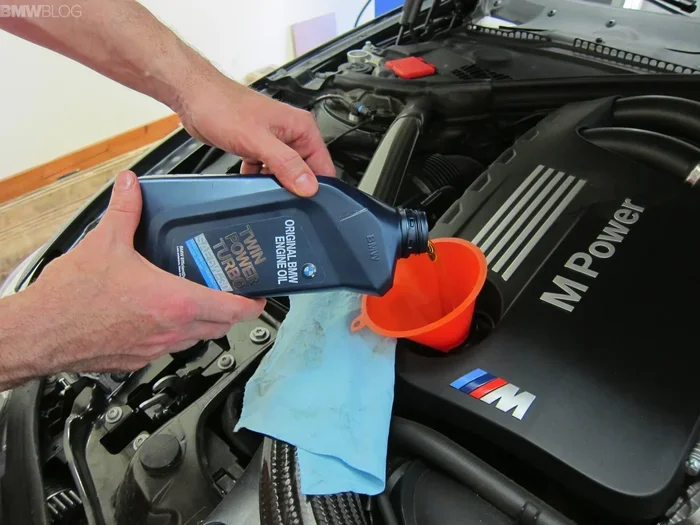
For hands-on car owners, a DIY oil change is possible. You will need the correct oil, a compatible oil filter, and basic tools. BMW oil changes are relatively straightforward for those with mechanical experience. The main advantage is cost savings and complete control over the oil and filter quality. However, you will need to properly dispose of the old oil and filter at a recycling center.
Common Mistakes BMW Owners Make with Oil Changes
Even experienced car owners can make mistakes when it comes to BMW oil changes. Avoiding these common errors helps protect your engine and your wallet.
- Using conventional oil instead of synthetic — BMW engines are designed for synthetic oil. Conventional oil does not provide adequate protection.
- Ignoring the oil specification — Not all synthetic oils are equal. Always confirm the oil meets BMW LL-01 or LL-04 specifications.
- Overfilling or underfilling the oil — BMW engines have specific oil capacities. Too much or too little oil can cause problems.
- Skipping the oil filter replacement — A new oil filter is essential for clean oil circulation. Never reuse an old filter.
- Stretching the oil change interval too far — Pushing beyond the recommended mileage can degrade engine performance over time.
- Not checking for leaks after service — Always inspect underneath your car after an oil change to make sure nothing is dripping.
Expert Insights on BMW Oil Changes
We spoke with several BMW technicians and automotive experts to get their take on quick-lube oil changes for BMW vehicles. The consensus was clear. Routine oil changes at a reputable quick-lube shop like Valvoline are perfectly fine for most BMW owners. The key is communication.
Experts recommend being upfront with the technician about your BMW model and engine type. Ask specifically which oil specification they use. Request to see the oil filter brand. These simple steps ensure you are getting a service that meets your BMW’s needs. Most technicians appreciate informed customers and will take extra care when they know you understand your vehicle.
One BMW specialist we consulted shared this insight: “BMW owners should never feel guilty about using a quick-lube service for routine maintenance. The most important thing is using the correct oil and filter. As long as the shop uses quality synthetic oil that meets BMW specs, the location matters less than the product quality.”
Key Takeaways
- Valvoline offers BMW oil change services at many locations, but compatibility depends on your specific model and engine type.
- BMW engines require specific oil specifications like LL-01 or LL-04, which not all quick-lube shops fully meet.
- The cost at Valvoline is typically lower than a BMW dealership, making it a budget-friendly option for routine maintenance.
- Using the wrong oil can damage your BMW engine over time, leading to costly repairs.
- Always confirm Valvoline uses OEM-approved oil and filters before booking your appointment.
- DIY oil changes and independent shops are alternative options worth considering for BMW owners.
Frequently Asked Questions
Can I use Valvoline for my BMW oil change if it is still under warranty?
Yes, you can use Valvoline for a BMW oil change while your vehicle is under warranty. However, you must ensure the oil and filter meet BMW specifications. Keep all service receipts and documentation. If a warranty claim is ever denied due to oil change issues, having proof of proper service protects you. Always use synthetic oil that meets the LL-01 or LL-04 specification to stay compliant with BMW warranty requirements.
Does Valvoline use the correct oil filter for BMW vehicles?
Valvoline typically uses high-quality aftermarket oil filters that meet or exceed OEM standards. However, it is always a good idea to ask the technician which filter brand they use. For BMW vehicles, filters from brands like Mann, Mahle, or Bosch are excellent choices. If you have a preference, let the technician know before the service begins so they can accommodate your request.
How does a Valvoline BMW oil change compare to a dealership oil change?
A Valvoline oil change is significantly cheaper than a dealership oil change. Dealerships typically charge $150 to $300, while Valvoline charges $50 to $120 depending on the oil type. Both services include an oil and filter change. The main difference is the level of specialization. Dealerships have BMW-specific training and equipment, but Valvoline technicians are trained to service a wide range of vehicles including luxury brands. For routine oil changes, Valvoline offers excellent value.
What BMW oil type does Valvoline use for oil changes?
Valvoline offers several synthetic oil options, including Valvoline SynPower and Valvoline MaxLife. For BMW vehicles, you should request a full synthetic oil that meets the LL-01 or LL-04 specification. Confirm the viscosity grade as well, which is typically 0W-30 or 0W-40 for most modern BMW engines. Always verify the oil meets BMW requirements before the technician begins the service.
How long does a Valvoline oil change take for a BMW?
A Valvoline oil change for a BMW typically takes 20 to 30 minutes. This is slightly longer than a standard oil change for a regular vehicle because BMW engines have specific requirements. The technician needs to verify the correct oil, use the proper filter, and check fluid levels specific to your BMW model. The process is still much faster than visiting a dealership, where wait times can exceed an hour.
Is it safe to get a BMW oil change at Valvoline?
Yes, it is generally safe to get a BMW oil change at Valvoline as long as you confirm they use the correct oil specification and a quality oil filter. BMW engines are durable and can handle oil changes from reputable quick-lube shops. The key is communication. Let the technician know you drive a BMW, specify the correct oil type, and ask questions about the service. With proper oil and regular changes, your BMW engine will stay healthy for years to come.
Conclusion
So, does Valvoline do BMW oil changes? The answer is a clear yes. Valvoline provides a convenient, affordable, and reliable option for BMW owners who need routine oil changes. By choosing the right oil specification, confirming filter quality, and communicating your vehicle’s needs, you can trust Valvoline to keep your BMW engine running smoothly.
BMW vehicles deserve proper care, and that starts with using the right oil at the right interval. Whether you choose Valvoline, a dealership, or an independent specialist, what matters most is that you stay consistent with your oil change schedule. Skipping or delaying oil changes is one of the fastest ways to shorten your BMW engine’s lifespan.
Take the time to find a Valvoline location that is experienced with BMW vehicles. Ask questions, check reviews, and confirm they use quality synthetic oil. Your BMW is a significant investment. Protecting it with regular, proper oil changes is one of the simplest and most effective things you can do. Drive confidently knowing your engine is getting the care it deserves.