Common Toyota 4Runner Problems You Need to Know About
The Toyota 4Runner is a beloved off-road SUV, but it has known issues that every owner should understand. Common Toyota 4Runner problems include engine overheating, transmission slipping, suspension wear, and electrical gremlins. Regular maintenance and early detection can save you thousands in costly repairs.
The Toyota 4Runner has been a favorite among SUV lovers for decades. It is rugged, reliable, and built to handle tough terrain. But like any vehicle, it is not perfect. Common Toyota 4Runner problems do exist, and knowing about them before they catch you off guard can make a huge difference.
Whether you own a first-generation 4Runner or a newer model, understanding these issues helps you stay proactive. You will learn what to watch for, how to prevent problems, and when to seek professional help. This guide covers everything you need to know about keeping your 4Runner in top shape.
Many 4Runner owners love their trucks so much that they drive them for 200,000 miles or more. But reaching that milestone requires awareness of the vehicle’s weak spots. Let us dive into the most common problems and what you can do about them.
Key Takeaways
- Engine overheating is one of the most reported issues, often caused by coolant leaks or a failing thermostat.
- Transmission problems such as slipping or rough shifting tend to appear as the vehicle ages past 100,000 miles.
- Suspension components like control arms and bushings wear out faster due to the 4Runner’s off-road nature.
- Electrical issues including faulty sensors and dashboard warning lights are common in older model years.
- Rust and body corrosion can develop on the undercarriage, especially in cold or coastal climates.
- Regular maintenance is the single best way to prevent most of these problems from becoming expensive repairs.
📑 Table of Contents
Engine and Cooling System Problems
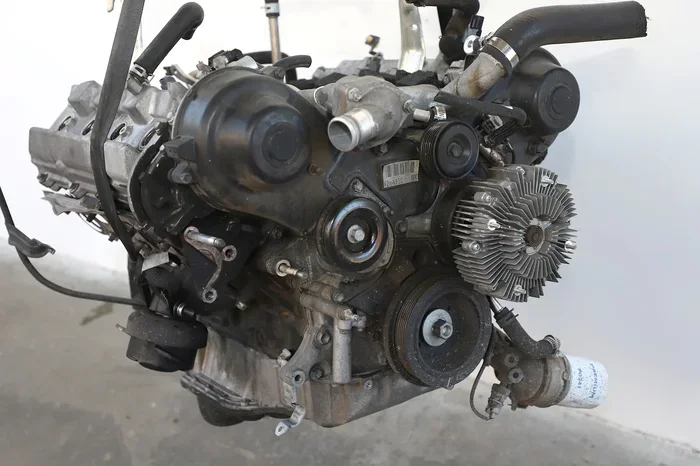
The engine is the heart of your 4Runner, and when something goes wrong, it can be serious. Toyota 4Runner engine problems are among the most frequently reported issues by owners across all generations.
Overheating Issues
One of the most common complaints is engine overheating. This can happen for several reasons. A leaking radiator, a broken water pump, or a faulty thermostat can all cause your engine to run too hot.
When your 4Runner overheats, it can lead to costly damage. Warped cylinder heads, blown head gaskets, and cracked engine blocks are all possible outcomes. The good news is that early detection can prevent most of this damage.
Watch for these warning signs of overheating:
- The temperature gauge climbing into the red zone
- Steam or coolant vapor coming from under the hood
- A sweet smell coming from the engine area
- Coolant puddles under your parked vehicle
If you notice any of these symptoms, pull over safely and let the engine cool down. Then check your coolant level and inspect for visible leaks.
Coolant Leaks
Coolant leaks are a very common issue in the 4Runner. The hoses, water pump, and radiator can all develop leaks over time. Older models are especially prone to this problem because rubber components degrade with age.
A small leak might not seem like a big deal at first. But over time, low coolant levels can cause your engine to overheat. Always keep an eye on your coolant reservoir and top it off as needed.
Oil Consumption
Some 4Runner owners report higher-than-normal oil consumption. This is especially true for older engines that have accumulated many miles. Burning oil between changes can signal worn piston rings or valve seals.
To stay on top of this, check your oil level every two weeks. If you find yourself adding oil frequently, have a mechanic inspect the engine before it causes bigger damage.
Transmission and Drivetrain Issues
The 4Runner transmission problems that owners report tend to show up after the vehicle hits the 100,000-mile mark. This is true for both automatic and manual transmission models.
Slipping Gears
Slipping gears feel like your 4Runner is momentarily losing power during acceleration. You might notice the RPMs spike without a corresponding increase in speed. This is a clear sign of transmission wear.
Slipping can be caused by low transmission fluid, worn clutch packs, or internal component damage. The fix can range from a simple fluid change to a full transmission rebuild.
Rough Shifting
Rough or jerky shifting is another common complaint. This often feels like a delay when you switch from park to drive or reverse. It can also happen during highway driving when the transmission tries to upshift or downshift.
Regular transmission fluid changes can help prevent this issue. Toyota recommends changing the fluid every 60,000 miles for most 4Runner models. Do not skip this maintenance step.
Transfer Case Problems
The transfer case is what allows your 4Runner to switch between two-wheel drive and four-wheel drive. Some owners experience issues with the transfer case, especially in models with higher mileage.
Symptoms include difficulty engaging 4WD, grinding noises, or a warning light on the dashboard. If you notice any of these, have the transfer case inspected right away.
Suspension and Steering Concerns
The 4Runner was built for off-road adventures, and that means its suspension takes a beating. Toyota 4Runner suspension problems are common, especially for owners who use their vehicles on rough terrain.
Control Arm and Ball Joint Wear
The control arms and ball joints connect your suspension to the wheels. Over time, these components wear out, especially when you frequently drive on uneven surfaces. Worn control arms can cause clunking noises, uneven tire wear, and poor handling.
Most owners notice this problem between 80,000 and 120,000 miles. Replacing control arms and ball joints is not cheap, but it is necessary for safe driving.
Suspension Bushings
The rubber bushings in your suspension system can crack and deteriorate over time. When bushings wear out, you may notice increased vibration, noise, or a loose feeling while driving.
Replacing bushings is a more affordable fix than replacing entire suspension components. Many mechanics can inspect your bushings during a routine oil change or tire rotation.
Steering Column Issues
Some older 4Runner models have reported steering column problems. This can include stiffness when turning, clicking noises, or the steering feeling loose. These issues can affect your ability to control the vehicle safely.
If you notice any steering problems, do not ignore them. Have a professional inspect the steering system as soon as possible.
Electrical and Dashboard Problems
Modern vehicles rely heavily on electronics, and the 4Runner is no exception. Electrical problems in the Toyota 4Runner can range from minor annoyances to serious safety concerns.
Check Engine Light and Warning Lights
The check engine light is one of the most common reasons 4Runner owners visit the shop. The light can come on for many reasons, from a loose gas cap to a failing oxygen sensor.
Here are some common triggers for the check engine light in a 4Runner:
- Faulty oxygen sensors
- Failing catalytic converter
- Loose or damaged gas cap
- Mass airflow sensor issues
- Spark plug or ignition coil problems
Never ignore the check engine light. Even if your 4Runner seems to run fine, the underlying issue could worsen over time. Use an OBD-II scanner to read the error codes, or visit a trusted mechanic.
Faulty Sensors
The 4Runner has many sensors that monitor engine performance, emissions, and safety systems. When these sensors fail, they can trigger warning lights or cause the engine to run poorly.
Oxygen sensors are particularly prone to failure in older models. Replacing a faulty sensor is relatively inexpensive, but driving with it can reduce fuel efficiency and increase emissions.
Power Window and Lock Malfunctions
Electrical gremlins in the power windows and door locks are a common nuisance. These issues are usually caused by worn-out motors or faulty wiring. While not dangerous, they can be frustrating and affect daily convenience.
Rust and Body Corrosion
Rust is a serious concern for many 4Runner owners, especially those living in cold climates or near the coast. Toyota 4Runner rust problems can affect the undercarriage, wheel wells, and rocker panels.
Undercarriage Rust
The undercarriage is constantly exposed to road salt, mud, and moisture. Over time, this exposure can cause rust to develop on the frame and suspension components. Undercarriage rust weakens the structural integrity of the vehicle.
Wheel Well and Rocker Panel Corrosion
Rust often starts in the wheel wells and rocker panels. These areas trap moisture and are difficult to keep completely dry. Regular washing, especially during winter months, can help prevent rust from forming.
Preventing Rust
Here are some practical steps to protect your 4Runner from rust:
- Wash the undercarriage regularly, especially after driving on salted roads
- Apply a rust-proofing treatment or undercoating
- Fix any paint chips or scratches promptly
- Keep the interior dry and free of moisture
- Inspect the vehicle for early signs of rust at least twice a year
Addressing rust early can save you from expensive bodywork repairs down the road.
Maintenance Tips to Avoid Costly Repairs
Prevention is always better than cure. Following a consistent maintenance schedule is the best way to avoid common Toyota 4Runner problems and extend the life of your vehicle.
Stick to the Maintenance Schedule
Toyota provides a detailed maintenance schedule for every 4Runner model. Following this schedule ensures that all critical components are inspected and serviced at the right intervals. Do not skip oil changes, fluid flushes, or filter replacements.
Use Quality Parts and Fluids
Using OEM (Original Equipment Manufacturer) parts and recommended fluids can make a big difference. Aftermarket parts vary widely in quality, and cheaper options may not last as long or perform as well.
Find a Trusted Mechanic
Having a trusted mechanic who knows Toyotas is invaluable. They can spot potential problems early and provide honest advice. If you are wondering whether you can take your Toyota to any dealership, the answer is yes. You can take your Toyota to any dealership for service, which gives you flexibility in finding the right shop.
Monitor Your Fluids
Keep an eye on all your vehicle fluids, including engine oil, coolant, transmission fluid, brake fluid, and power steering fluid. Low or dirty fluids can cause serious damage over time.
Address Small Issues Immediately
A small noise or warning light today can become a major repair tomorrow. Do not ignore minor issues. Addressing them early saves money and keeps your 4Runner safe and reliable.
How to Decide When to Repair vs. Replace
Every 4Runner owner will eventually face the question of whether to repair or replace. Here are some factors to consider:
- Age of the vehicle: If your 4Runner is over 15 years old, major repairs may not be worth the investment.
- Cost of repairs: If a repair costs more than the vehicle is worth, replacement may be the smarter choice.
- Overall condition: Consider the overall health of the engine, transmission, and body. If multiple systems need work, it may be time for a new vehicle.
- Your budget: Be realistic about what you can afford for ongoing repairs.
If you are considering a different Toyota model, you might want to compare options. For example, Toyota Tundras are known for their fuel efficiency compared to other trucks in the class, which could be a factor if you are looking for a more efficient daily driver.
Final Thoughts on Toyota 4Runner Reliability
The Toyota 4Runner remains one of the most capable and durable SUVs on the road. Despite its share of common problems, the 4Runner has earned a reputation for longevity and off-road toughness. Most issues are manageable with proper maintenance and timely repairs.
Owning a 4Runner comes with responsibilities. Staying on top of maintenance, watching for warning signs, and addressing problems early are all part of the ownership experience. The rewards are well worth the effort. A well-maintained 4Runner can easily serve you for 200,000 miles or more.
If you are considering purchasing a used 4Runner, always get a pre-purchase inspection. This inspection can reveal hidden problems that may not be visible on the surface. It is a small investment that can save you from buying a vehicle with serious issues.
Remember, every vehicle has its quirks. The 4Runner is no different. But with the right knowledge and a proactive approach, you can enjoy this iconic SUV for many years to come. Keep your 4Runner well-maintained, stay informed about potential issues, and it will reward you with countless miles of reliable performance.
Frequently Asked Questions
What are the most common Toyota 4Runner problems?
The most common issues include engine overheating, transmission slipping, suspension wear, electrical problems, and rust. Regular maintenance can help prevent most of these issues from becoming serious and expensive repairs.
How often should I service my Toyota 4Runner?
Toyota recommends following the maintenance schedule in your owner’s manual. Generally, you should change the oil every 5,000 to 7,500 miles and have a full inspection every 15,000 miles. Staying on top of these intervals keeps your 4Runner running smoothly.
Is the Toyota 4Runner reliable for long-term ownership?
Yes, the 4Runner is widely regarded as one of the most reliable Toyota SUVs. With proper care and maintenance, many owners report driving their 4Runners well past 200,000 miles without major issues.
Can I drive my Toyota 4Runner with the check engine light on?
You can drive short distances with the check engine light on, but you should not ignore it. The light indicates an underlying issue that could worsen over time. Have a mechanic diagnose the problem as soon as possible to avoid more costly repairs.
Why does my 4Runner overheat?
Overheating is often caused by coolant leaks, a faulty thermostat, or a failing water pump. Low coolant levels prevent the engine from cooling properly. If you notice overheating, check your coolant level and inspect for leaks right away.
Are Toyota 4Runner maintenance costs high compared to other SUVs?
Maintenance costs for the 4Runner are moderate compared to other SUVs in its class. Routine services like oil changes and brake pads are fairly standard in price. However, major repairs like transmission work or suspension replacements can be more expensive due to the vehicle’s rugged build.
=== CONCLUSION ===
Understanding common Toyota 4Runner problems is essential for any owner or potential buyer. From engine overheating and transmission issues to suspension wear and rust, the 4Runner has its share of known weak spots. But none of these problems are insurmountable with proper care and attention.
The key takeaway is simple: stay proactive. Follow the maintenance schedule, watch for warning signs, and address small issues before they become big problems. Your 4Runner is built to last, and with the right approach, it will serve you reliably for many years.
If you are experiencing any of these issues, do not wait. Consult a trusted mechanic and get your vehicle the care it deserves. A well-maintained 4Runner is one of the best off-road SUVs you can own.