Are Toyota Highlanders Good for Towing and Hauling
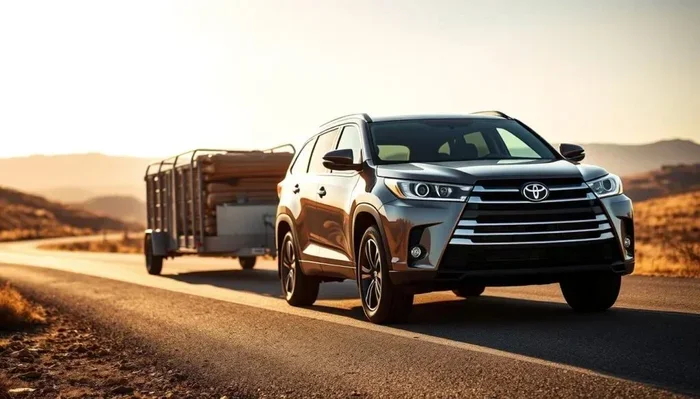
The Toyota Highlander is a solid choice for Toyota Highlander towing and light hauling. With a max towing capacity of up to 5,000 pounds when properly equipped, it handles trailers, boats, and small RVs with ease. This guide covers towing specs, setup tips, real-world performance, and common mistakes to help you get the most out of your Highlander.
So, you are thinking about using a Toyota Highlander for towing and hauling. Maybe you have a boat. Maybe you have a small camper. Or maybe you just want a family SUV that can handle more than school runs and grocery trips. Whatever the reason, the question is simple: is the Highlander up to the task?
The short answer is yes. The Toyota Highlander is one of the most popular three-row SUVs on the road, and for good reason. It offers a strong towing capacity, a comfortable ride, and solid reliability. But like any vehicle, there are things you need to know before you hook up a trailer and hit the road.
In this guide, we will walk through everything you need to know about Toyota Highlander towing. We will cover towing capacity numbers, which models tow best, what equipment you need, real-world performance, and common mistakes to avoid. By the end, you will know exactly whether the Highlander is the right tow vehicle for your needs.
Key Takeaways
- Towing Capacity: The Highlander can tow up to 5,000 pounds when equipped with the right package and hitch.
- V6 Power Matters: The V6 engine provides the best towing performance compared to the four-cylinder option.
- Hitch Installation Is Key: Proper hitch setup and wiring make a big difference in safety and performance.
- Hybrid Models Have Limits: The Hybrid version has a lower towing capacity than the V6 gas model.
- Maintenance Matters: Regular checks on brakes, fluid, and tires keep your Highlander towing-ready.
- It Rivals Competitors: The Highlander holds its own against the Honda Pilot and Ford Explorer for towing.
- Know Your Limits: Staying within the rated towing weight prevents damage and keeps you safe on the road.
📑 Table of Contents
- Toyota Highlander Towing Capacity: What You Need to Know
- Can You Tow a Trailer with a Toyota Highlander
- Toyota Highlander Towing Package and Setup
- Real-World Towing Performance of the Toyota Highlander
- Common Mistakes When Towing with a Highlander
- How the Highlander Compares to Other SUVs for Towing
- Final Thoughts on Toyota Highlander Towing and Hauling
Toyota Highlander Towing Capacity: What You Need to Know
When it comes to Toyota Highlander towing, the numbers matter. Towing capacity is the maximum weight your vehicle can safely pull behind it. This number is not the same for every Highlander. It depends on the engine, the model year, and the towing package you choose.
Most modern Toyota Highlanders can tow between 3,500 and 5,000 pounds. That is enough for a small travel trailer, a boat, or a utility trailer loaded with gear. But if you are planning to tow something heavy, you need to pay attention to the details.
Towing Specs by Model Year
Toyota has updated the Highlander over the years, and towing numbers have changed. Here is a quick look at what to expect:
- 2020-2023 Models: Most V6 Highlanders tow up to 5,000 pounds when equipped with the towing package.
- 2024 and Newer Models: The latest Highlanders continue to offer a 5,000-pound towing limit on V6 trims.
- Older Models (2017-2019): Some earlier models tow up to 5,000 pounds as well, depending on the drivetrain and engine.
Always check your specific model year and trim. The owner manual will have the exact towing rating for your vehicle. Do not guess. Guessing can lead to overloading, which is dangerous.
V6 vs Hybrid Towing Comparison
The Highlander comes in two main engine options: a V6 gas engine and a hybrid powertrain. These two engines perform very differently when it comes to towing.
The V6 engine is the clear winner for Toyota Highlander towing. It produces around 295 horsepower and 263 pound-feet of torque. That torque is what gives you the pulling power you need when hauling a heavy load.
The hybrid version, on the other hand, produces around 243 horsepower. It is more fuel-efficient, which is great for daily driving. But it has a lower towing capacity, usually around 3,500 pounds. If towing is a priority for you, the V6 is the way to go.
Here is a quick comparison:
- V6 Engine: Up to 5,000 lbs towing capacity. Best for trailers, boats, and RVs.
- Hybrid Engine: Up to 3,500 lbs towing capacity. Better for fuel economy and lighter loads.
- Four-Cylinder (Older Models): Limited towing. Not recommended for heavy loads.
If you plan to do serious towing, the V6 model is the clear choice. The extra power and torque make a real difference on the road.
Can You Tow a Trailer with a Toyota Highlander
Absolutely. The Highlander is designed to tow trailers, and many owners do it regularly. But not all trailers are created equal. You need to match your trailer to the Highlander’s capabilities to stay safe and within the limits.
Types of Trailers You Can Tow
Here are the most common trailers that a Highlander can handle without any issues:
- Small Travel Trailers: Lightweight campers under 5,000 pounds are a perfect match.
- Boomerang Trailers: These compact trailers are popular among families and fit the Highlander well.
- Boat Trailers: Small to medium boats, including aluminum fishing boats and jet skis, are easy to tow.
- Utility Trailers: Great for hauling lawn equipment, furniture, or building supplies.
- Motorcycles and ATVs: A simple motorcycle trailer works well with the Highlander.
What about larger trailers? A 30-foot fifth-wheel RV or a heavy horse trailer will exceed the Highlander’s limits. Trying to tow something too heavy can damage your transmission, brakes, and engine. Always stay within the rated capacity.
Towing Equipment You Will Need
To tow safely with a Highlander, you need the right equipment. It is not just about hooking up a trailer and going. Here is what you should have:
- Towing Hitch: A Class III or Class IV hitch rated for your trailer weight. Most Highlanders use a Class III hitch.
- Weight Distribution System: Helps distribute the trailer weight evenly across all axles. Essential for heavier loads.
- Trailer Wiring Harness: Connects your trailer lights to the Highlander’s electrical system. You need working brake lights and turn signals.
- Brake Controller: Required if your trailer has electric brakes. It lets you apply the trailer brakes from your truck.
- Safety Chains: Always use safety chains in a crisscross pattern under the trailer tongue.
Do not skip any of these items. Each piece of equipment plays a role in keeping you and others safe on the road. A trailer without proper wiring or chains is a serious safety hazard.
Toyota Highlander Towing Package and Setup
Toyota offers a factory towing package for the Highlander that makes the setup process much easier. If you are buying a new Highlander and plan to tow, this package is worth every penny.
What Comes in the Towing Package
The Toyota towing package typically includes several key components:
- Heavy-Duty Towing Hitch Receiver: Mounted to the rear bumper or frame for a solid connection.
- Trailer Wiring Harness: Pre-wired for easy connection to your trailer lights.
- Engine Cooling Upgrade: Helps prevent overheating when towing heavy loads.
- Transmission Cooler: Keeps the transmission running cool under load, which extends its life.
When you buy the towing package from the factory, everything is designed to work together. You do not have to worry about compatibility issues or aftermarket modifications. It just works.
Hitch Installation Tips
If your Highlander does not come with a factory towing package, you can have a hitch installed aftermarket. Here are some tips to make the process go smoothly:
- Go to a Professional: A certified installer will know exactly where to mount the hitch and how to wire it properly.
- Check the Receiver Size: Most Highlanders use a 2-inch receiver hitch. Make sure your trailer matches this size.
- Verify Ground Clearance: Some hitches can reduce ground clearance. If you drive on rough roads, this matters.
- Test Before You Go: Always do a test tow in a safe area before heading out on a long trip.
A properly installed hitch is the foundation of safe towing. Do not try to save money by skipping professional installation if you are not confident in your skills.
Wiring and Electrical Considerations
The electrical connection between your Highlander and your trailer is critical. You need working brake lights, turn signals, and running lights on your trailer. Most towing packages include a seven-pin connector, which handles all of these functions.
If you are using a smaller trailer with basic lights, a four-pin connector may be enough. But for anything with brakes or auxiliary power, go with the seven-pin setup. It gives you full control and keeps you compliant with towing laws in most states.
Quick tip: Test all your trailer lights before every trip. A burned-out bulb on a trailer is easy to miss and can be dangerous on the highway.
Real-World Towing Performance of the Toyota Highlander
Theoretical numbers are great, but what happens when you actually hook up a trailer and drive? Real-world towing performance tells you a lot about whether the Highlander is the right choice for you.
Towing a Boat or RV
Many Highlander owners tow small to mid-size boats and pop-up campers. The experience is generally smooth and confident. The V6 engine has plenty of power to maintain highway speeds, even on inclines.
That said, the Highlander is not a heavy-duty tow vehicle. If you are towing a large fifth-wheel trailer or a heavy motorhome, you will feel the strain. The transmission may shift more frequently, and fuel economy will drop significantly.
For families who want to tow a small camper to the beach or a fishing boat to the lake, the Highlander is more than capable. It handles these loads with ease and comfort.
Towing in Different Terrains
Where you tow matters just as much as what you tow. The Highlander performs well on flat highways and gently rolling terrain. This is where most people do their towing, and the Highlander excels in these conditions.
Mountain passes and steep grades are a different story. The V6 engine can handle moderate inclines, but you may notice the transmission working harder on long uphill stretches. If you are towing through mountains, use a lower gear and let the engine do the work. Do not ride the brakes, as this can cause overheating.
Off-road towing is not the Highlander’s strong suit. If you plan to tow a trailer on dirt roads or rough terrain, consider a truck or a body-on-frame SUV instead. The Highlander is a unibody vehicle, which means it is best suited for paved roads and light-duty towing.
Fuel Economy When Towing
Towing always reduces fuel economy, and the Highlander is no exception. When pulling a trailer, expect your gas mileage to drop by 20 to 30 percent. The V6 model typically gets around 18 to 20 mpg when towing a moderate load, compared to 22 mpg without a trailer.
The hybrid model tends to lose more efficiency when towing because of the smaller battery and motor setup. If fuel economy is important and you plan to tow frequently, the V6 is a better choice overall.
Common Mistakes When Towing with a Highlander
Even experienced towers make mistakes. The Highlander is a capable vehicle, but it has limits. Avoiding these common errors will keep you safe and protect your investment.
Overloading the Vehicle
This is the number one mistake people make. Your Highlander has a maximum towing capacity, but it also has a payload limit. Payload is the total weight of everything inside the vehicle plus the tongue weight of the trailer.
Many people focus only on towing capacity and forget about payload. If you have a full load of passengers, gear, and a heavy trailer tongue weight, you can exceed the payload limit without realizing it. This puts stress on the suspension, brakes, and tires.
Quick tip: Check your owner manual for both towing capacity and payload capacity. Stay under both limits at all times.
Skipping Pre-Trip Inspections
Before every towing trip, do a quick inspection. Check your tire pressure, including the trailer tires. Inspect your hitch connections and safety chains. Verify that all lights are working. Look at your brake pads and fluid levels.
A five-minute inspection can prevent a major problem on the road. Do not skip it, even if you are in a hurry.
Ignoring Transmission Health
Towing puts extra strain on your transmission. Over time, this can lead to overheating and premature wear. To protect your Highlander, change the transmission fluid regularly and consider adding an external transmission cooler if you tow frequently.
Watch for warning signs like slipping gears, delayed shifting, or a burning smell. If you notice any of these, stop immediately and get your vehicle checked. Ignoring transmission problems can lead to expensive repairs.
How the Highlander Compares to Other SUVs for Towing
The Toyota Highlander is not the only three-row SUV that can tow. Let us see how it stacks up against some popular competitors.
Highlander vs Honda Pilot for Towing
The Honda Pilot is one of the Highlander’s closest rivals. Both are three-row SUVs with similar sizes and features. When it comes to towing, the Pilot can tow up to 5,000 pounds, matching the Highlander’s V6 capacity.
Where the Highlander has an edge is in reliability and resale value. Toyota has a strong reputation for durability, and Highlanders tend to hold their value better than Pilots over time.
Both vehicles offer a towing package, but the Highlander’s package includes a transmission cooler and upgraded engine cooling as standard in many trims. This gives the Highlander a slight advantage for frequent towing.
Highlander vs Ford Explorer for Towing
The Ford Explorer can tow up to 5,600 pounds when properly equipped, which is more than the Highlander. The Explorer also offers a hybrid option, but its hybrid towing capacity is similar to the Highlander Hybrid.
The Explorer has a more powerful engine option in the ST model, which produces 400 horsepower. This makes the Explorer better suited for heavier towing jobs. However, the Highlander offers better fuel economy and lower maintenance costs.
If you need to tow very heavy loads regularly, the Explorer might be a better fit. If you want a balance of towing ability, reliability, and efficiency, the Highlander is hard to beat.
Highlander vs Chevy Tahoe for Towing
The Chevy Tahoe is a full-size SUV with a much higher towing capacity, often exceeding 8,000 pounds. It is a completely different class of vehicle. If you need to tow large trailers, horse trailers, or heavy equipment, the Tahoe is the better choice.
But the Tahoe is bigger, less fuel-efficient, and more expensive to operate. For most families, the Highlander’s towing capacity is more than enough. The Tahoe is overkill unless you have serious towing needs.
Comparison Table:
- Toyota Highlander (V6): 5,000 lbs towing. Best for light to medium-duty towing.
- Honda Pilot: 5,000 lbs towing. Similar capability, slightly lower resale value.
- Ford Explorer (EcoBoost): 5,600 lbs towing. More power, higher cost.
- Chevy Tahoe: 8,000+ lbs towing. Much bigger, less efficient, higher price.
For most families, the Highlander hits the sweet spot. It offers enough towing capacity for typical use without the downsides of a larger, less efficient vehicle.
Final Thoughts on Toyota Highlander Towing and Hauling
The Toyota Highlander is a capable and reliable towing and hauling SUV. With a maximum towing capacity of 5,000 pounds, it can handle small trailers, boats, campers, and utility loads with confidence. The V6 engine provides the power you need, and the towing package adds the essential features for safe and easy towing.
However, the Highlander is not a heavy-duty tow vehicle. It is best suited for light to medium-duty towing. If you need to tow very heavy loads, a truck or full-size SUV is a better choice. But for most families, the Highlander more than meets the demand.
Before you start towing, make sure you understand your Highlander’s limits. Install the right hitch and wiring. Do regular maintenance checks. Stay within the rated towing and payload capacities. Follow these simple rules, and your Highlander will serve you well for many towing adventures to come.
Whether you are heading to the lake with a boat or camping in the mountains with a small trailer, the Toyota Highlander is ready to go. It is one of the best family SUVs for towing, and with the right setup, you will enjoy many years of safe and reliable towing experiences.
So yes, the Toyota Highlander is good for towing and hauling. Just respect its limits, prepare properly, and enjoy the ride.
Frequently Asked Questions
What is the maximum towing capacity of a Toyota Highlander?
The Toyota Highlander can tow up to 5,000 pounds when equipped with the V6 engine and the factory towing package. Always check your specific model year and trim for the exact rating in the owner manual.
Can a Toyota Highlander tow a travel trailer?
Yes, the Highlander can tow small to mid-size travel trailers up to its 5,000-pound limit. Make sure the trailer weight includes cargo, and always stay within the rated capacity for safe towing.
Is the Toyota Highlander Hybrid good for towing?
The Highlander Hybrid has a towing capacity of around 3,500 pounds. It is suitable for light towing but not as capable as the V6 gas model for heavier loads.
Do I need a special hitch for Toyota Highlander towing?
Yes, you need a Class III or Class IV towing hitch rated for your trailer weight. A professional installation is recommended to ensure proper fit and safety.
How does towing affect Highlander fuel economy?
Towing reduces fuel economy by about 20 to 30 percent. The V6 model typically gets 18 to 20 mpg when towing, compared to around 22 mpg without a trailer.
Can I tow a boat with a Toyota Highlander?
Absolutely. The Highlander handles small to medium boats easily within its 5,000-pound towing limit. Just make sure you have the proper hitch, wiring, and safety equipment installed.