Can a Toyota Tundra Last 500K Miles Without Issues
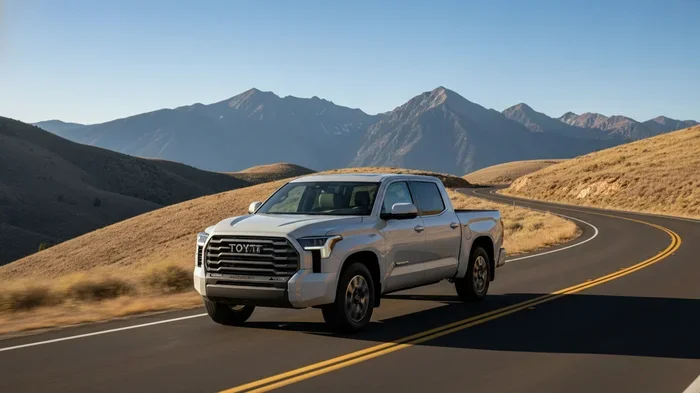
A Toyota Tundra can absolutely last 500K miles with proper care and regular maintenance. This legendary Toyota truck is known for its durability, strong engine options, and long vehicle lifespan. Owners who follow the maintenance schedule and address small issues early see their Tundra easily surpass the 500K mile mark. In this guide, we break down exactly what it takes to keep your Tundra running strong for the long haul.
When you buy a Toyota Tundra, you are not just buying a truck. You are buying a piece of automotive history that is built to go the distance. The question on every truck owner’s mind is simple: can a Toyota Tundra last 500K miles without falling apart? The short answer is yes. But the full answer is much more interesting.
Toyota has built a reputation for making vehicles that simply refuse to quit. The Tundra has been on the market since 2000, and many owners have pushed theirs well past the 300K and even 400K mile marks. Reaching 500K miles is not just possible. It is achievable with the right approach to care and maintenance.
In this article, we will walk you through everything you need to know about Tundra longevity. We will cover engine durability, common problems, maintenance tips, and what you can do to make sure your truck hits that 500K milestone. Whether you own a first-generation Tundra or the latest model, this guide has something for you.
Key Takeaways
- Toyota Tundra trucks are built to last: With proper care, a Tundra can easily reach 500K miles or more.
- Regular maintenance is the key: Following the Toyota maintenance schedule prevents costly repairs down the road.
- The 5.7L V8 engine is especially durable: This powerplant is known for longevity when properly maintained.
- Body and frame rust are common concerns: Regular washing and undercoating help protect the Tundra’s structure.
- Transmission health matters at high mileage: Timely fluid changes keep the transmission running smoothly past 300K miles.
- Tundra generations vary in reliability: Newer models have addressed many issues found in older generations.
- Resale value stays strong: A well-maintained Tundra holds its value even at high mileage.
📑 Table of Contents
- Understanding Toyota Tundra Longevity
- Engine and Powertrain Durability
- Maintenance Schedule for High Mileage
- Common Problems in Older Tundra Models
- Protecting Your Tundra for the Long Haul
- Tundra Resale Value at High Mileage
- How a Used Tundra Compares to New
- Expert Insights on Tundra Longevity
- Conclusion
Understanding Toyota Tundra Longevity
The Toyota Tundra has been a staple in the full-size truck market for over two decades. Since its launch in 2000, Toyota has built the Tundra with a focus on toughness and reliability. The truck was designed to handle heavy towing, tough jobs, and daily driving without breaking a sweat.
Toyota engineers built the Tundra with a strong frame and durable components. The body-on-frame construction gives it an advantage over many competitors. This design allows the truck to absorb stress and handle heavy loads over time. Many owners report that their Tundra feels just as strong at 400K miles as it did on day one.
How Many Miles Can a Truck Really Last?
The average lifespan of a pickup truck is around 200K miles. However, trucks that receive regular maintenance and careful driving often go much further. For Toyota trucks in general, 300K miles is considered the starting point for high mileage. Reaching 500K miles puts your Tundra in an elite club of well-cared-for vehicles.
To put this in perspective, the average American drives about 13,000 miles per year. That means reaching 500K miles would take roughly 38 years of driving. Of course, most truck owners do not keep a vehicle that long. But for those who do, or for those who buy high-mileage used Tundras, the question of reliability becomes even more important.
Engine and Powertrain Durability
The heart of any Tundra is its engine. Toyota offers the Tundra with a powerful 5.7L V8 engine that has earned a strong reputation for durability. This engine is known for its ability to handle high mileage without major issues. When properly maintained, the 5.7L V8 can easily push past 400K miles.
The 4.6L V8 is another option found in older Tundra models. While not as powerful as the 5.7L, it is still a reliable engine that can reach high mileage with proper care. Both engines share similar maintenance needs and are known for their long service life.
Transmission Reliability at High Mileage
The transmission is one of the most important components to watch as your Tundra racks up miles. Toyota equipped the Tundra with a 6-speed automatic transmission. This transmission is generally reliable, but it does need attention as the truck ages.
Regular transmission fluid changes are critical. Most experts recommend changing the fluid every 60K to 80K miles. Neglecting this service can lead to transmission problems down the road. At high mileage, a transmission rebuild can cost thousands of dollars. Staying on top of fluid changes is one of the best ways to avoid that expense.
Common Engine Problems to Watch For
Even the most reliable engines can develop issues over time. Here are some common problems Tundra owners should keep an eye on:
- Oil consumption: Some Tundra engines burn oil as they age. Regular oil level checks help catch this early.
- Timing chain wear: The timing chain can stretch over time. This is more common in higher-mileage trucks.
- Sensor failures: Various sensors can fail with age. These are usually inexpensive to replace.
- Exhaust manifold cracks: This issue is more common in earlier Tundra generations.
Most of these problems are manageable if caught early. Regular inspections and timely repairs keep your engine running strong for the long haul.
Maintenance Schedule for High Mileage
Keeping a Tundra on the road for 500K miles requires discipline. You cannot skip services and expect the truck to last. Toyota has a recommended maintenance schedule, and following it is the single best thing you can do for your truck.
Essential Maintenance Tasks
Here is a breakdown of the most important maintenance tasks for a high-mileage Tundra:
- Oil changes every 5K to 7K miles: Clean oil keeps the engine lubricated and prevents wear. Use high-quality synthetic oil for best results.
- Transmission fluid changes every 60K miles: Fresh fluid keeps the transmission shifting smoothly and prevents premature wear.
- Coolant flushes every 60K miles: Clean coolant prevents overheating and corrosion in the engine block.
- Brake inspections every 15K miles: Brake pads and rotors wear out over time. Catching issues early prevents costly rotor damage.
- Spark plug replacements every 60K miles: Fresh spark plugs keep the engine running efficiently and smooth.
- Timing chain inspection at 200K miles: Checking the timing chain before it fails can save you from a major repair.
Quick Tips for Tundra Owners
Here are some simple tips that make a big difference:
- Keep a maintenance log. Write down every service and repair.
- Check your fluid levels weekly. Low fluids cause big problems.
- Wash your truck regularly, especially the undercarriage. Road salt causes serious rust damage.
- Address small noises or vibrations immediately. They are often early warning signs.
- Use genuine Toyota parts when possible. Aftermarket parts vary widely in quality.
Common Problems in Older Tundra Models
No truck is perfect, and the Tundra is no exception. Older generations of the Tundra have some known issues that owners should be aware of. Knowing these problems helps you stay ahead of them.
First Generation (2000-2006) Issues
The first-generation Tundra had some reliability concerns that Toyota addressed in later models. Common issues include:
- Rust on the frame and body: This was a significant problem in northern states where road salt was heavily used.
- Transmission hesitation: Some owners reported rough shifting at low speeds.
- Rear axle bearing failures: This can cause a humming noise and needs prompt attention.
- Water pump leaks: The water pump can develop leaks as the truck ages.
Despite these issues, many first-generation Tundras still run strong today. The key is addressing problems before they become expensive repairs.
Second Generation (2007-2021) Issues
Toyota made significant improvements in the second-generation Tundra. However, some issues still appeared:
- Blown head gaskets: This is more common in the 5.7L V8 engines under heavy load.
- Brake rotor warping: The heavy weight of the Tundra can cause brake rotors to warp over time.
- Electrical gremlins: Some owners reported issues with the infotainment system and sensors.
Overall, the second generation is considered more reliable than the first. Toyota listened to owner feedback and made meaningful improvements.
Third Generation (2022-Present) Improvements
The latest Tundra generation brings a completely new platform. Toyota switched to a twin-turbo V6 engine, which is a major change. This new engine is more efficient and still very powerful. Early reports suggest strong reliability, but it is too soon to know how these trucks hold up at 500K miles.
Protecting Your Tundra for the Long Haul
Prevention is always better than repair. If you want your Tundra to last 500K miles, you need to take proactive steps to protect it. This means paying attention to how you drive, how you store the truck, and how you address issues as they come up.
Driving Habits That Extend Truck Life
How you drive has a direct impact on how long your truck lasts. Here are some habits that help:
- Warm up the engine before driving hard: Give the oil a minute to circulate before hitting the road.
- Avoid sudden acceleration and hard braking: Smooth driving reduces stress on the engine and brakes.
- Do not overload the truck: Stay within the towing and payload limits listed in your owner’s manual.
- Let the truck cool down after heavy towing: This prevents overheating and reduces engine stress.
Storage and Environmental Protection
Where and how you store your Tundra matters. Trucks that sit outside in harsh weather deteriorate faster. Here are some tips:
- Store the truck in a garage whenever possible.
- Use a quality truck cover if outdoor storage is unavoidable.
- Apply undercoating to protect the frame from moisture and road salt.
- Wax the body regularly to prevent paint damage and rust.
These small steps add up over hundreds of thousands of miles. They can mean the difference between a truck that lasts 500K miles and one that rusts out at 200K.
Tundra Resale Value at High Mileage
One of the biggest advantages of owning a Toyota Tundra is its resale value. Even at high mileage, a well-maintained Tundra holds its value surprisingly well. This is because buyers trust the Toyota brand and know that these trucks are built to last.
Compared to competitors like the Ford F-150 or Chevrolet Silverado, the Tundra often commands a premium in the used market. Buyers are willing to pay more for a high-mileage Tundra because they know the truck can go another 100K miles with minimal work.
If you are considering selling a high-mileage Tundra, make sure to document all maintenance. A full service history gives buyers confidence and helps you get a better price.
How a Used Tundra Compares to New
Many buyers wonder if purchasing a used Tundra with 200K or 300K miles is a smart move. The answer is often yes, especially if the truck has been well maintained. A used Tundra with a clean history can easily last another 200K miles or more.
When buying a used Tundra, look for these signs of a well-cared-for truck:
- Complete maintenance records
- No signs of frame rust or body damage
- Smooth transmission shifting
- Consistent oil consumption levels
- Clean undercarriage with no salt buildup
A thorough pre-purchase inspection by a trusted mechanic is always a smart move. This is especially true for high-mileage trucks.
Expert Insights on Tundra Longevity
Automotive experts agree that the Toyota Tundra is one of the most durable trucks on the road. According to various reliability studies, the Tundra consistently ranks above average for long-term ownership costs. The truck’s simple, proven engineering is a big part of its durability.
Mechanics who specialize in Toyota trucks often say that the Tundra is one of the easiest vehicles to work on. Parts are widely available, and the design is straightforward. This makes repairs more affordable compared to trucks with more complex systems.
For owners wondering about reaching the 500K mile mark, the consensus is clear. It is absolutely possible. The Tundra just needs consistent care, attention to small issues, and a commitment to following the maintenance schedule. Many owners who have hit this milestone say the truck still feels like new at 500K miles.
For comparison, you can check how many miles is too much for other vehicle types like cruisers or how many miles is too many for a used minivan. These comparisons help put Tundra longevity in perspective.
Also, if you are curious about how 200K miles affects a vehicle, check out how long 200K miles is on a car here. Understanding mileage benchmarks helps you set realistic expectations for your Tundra’s lifespan.
Conclusion
So, can a Toyota Tundra last 500K miles without issues? The answer is a resounding yes. The Tundra is one of the most reliable full-size trucks ever built. With a strong engine, durable frame, and proven track record, this truck is designed to go the distance.
But longevity does not happen by accident. It requires commitment. You need to follow the maintenance schedule, address issues promptly, and treat the truck with care. Owners who do these things are rewarded with a truck that keeps running long after the warranty has expired.
If you are thinking about buying a Tundra or already own one, take comfort in knowing that this truck is built to last. With proper care, 500K miles is not just a possibility. It is a realistic goal. Keep up with the maintenance, drive responsibly, and your Tundra will be there for you mile after mile.
Frequently Asked Questions
What is the average lifespan of a Toyota Tundra?
With proper maintenance, a Toyota Tundra can last between 250K and 500K miles or more. Many owners report their Tundras reaching the 500K mile mark when they follow the recommended maintenance schedule and address issues promptly. The average lifespan depends heavily on driving habits, maintenance consistency, and environmental factors.
Is 200K miles a lot for a Toyota Tundra?
No, 200K miles is not considered high mileage for a Toyota Tundra. Toyota trucks are known for their durability and can easily last several hundred thousand miles more with proper care. A Tundra at 200K miles is still in the early-to-mid portion of its potential lifespan.
What is the most common problem with the Toyota Tundra at high mileage?
The most common high-mileage issues include transmission fluid degradation, timing chain wear, and body or frame rust. Regular maintenance, especially timely fluid changes, helps prevent most of these problems. Addressing small issues early keeps them from becoming expensive repairs at high mileage.
Does the 5.7L V8 Tundra engine last longer than the 4.6L V8?
The 5.7L V8 is generally considered more durable and powerful, but both engines can reach 500K miles with proper care. The 5.7L has more torque and handles heavy towing better, which can reduce engine stress when pulling loads. Both engines benefit greatly from regular oil changes and timely maintenance.
Can I still drive my Tundra if it has over 400K miles?
Yes, you can absolutely drive a Tundra with over 400K miles as long as it has been properly maintained. Many Tundra owners continue to drive their trucks well past this milestone without major issues. Regular inspections and prompt attention to any new noises or warning signs are important at this stage.
How can I make my Tundra last longer than 500K miles?
To push your Tundra beyond 500K miles, stay consistent with oil changes, transmission fluid flushes, and coolant replacements. Address any unusual sounds or performance changes immediately. Keep the truck clean, protect it from rust, and avoid overloading it beyond its rated capacity. A well-documented maintenance history also helps you catch problems before they become serious.
=== INTERNAL LINKS ===
For more information on Toyota truck longevity, check out how long is 200000 miles on a car here. Understanding mileage benchmarks helps you set realistic expectations for your vehicle’s lifespan.
If you are comparing different vehicle types, you might also want to read about how many miles is too much for a cruiser here and how many miles is too many for a used minivan here.