Can a Toyota Prius Last 300K Miles and Still Run Great
A Toyota Prius can absolutely last 300K miles and still run great with proper care and regular maintenance. The Toyota Prius longevity is well-documented among owners who follow recommended service schedules and address small issues before they become costly repairs. This guide covers everything you need to know about pushing your hybrid vehicle lifespan past the 300,000-mile mark.
So you are wondering whether a Toyota Prius can last 300K miles and still run great. The short answer is yes, absolutely. The Toyota Prius has earned a reputation as one of the most reliable hybrid vehicles on the road. With the right care, a Prius can easily surpass the 300,000-mile mark and continue performing like a champ.
But let us be real. Reaching 300,000 miles on any car takes work. It is not just about driving slowly and hoping for the best. You need to understand your vehicle, follow a maintenance plan, and know what to watch for. This guide breaks down everything you need to know about Toyota Prius longevity at the 300K mile level.
The Toyota Prius has been around since 1997, and millions of owners worldwide have put serious miles on their vehicles. The hybrid vehicle lifespan of a Prius often exceeds what people expect. Many owners report their Prius running strong well past the 250,000-mile point. And some have even pushed past 300,000 miles without major issues.
What makes the Prius different from a regular gas car? The hybrid system. The combination of an electric motor and a gasoline engine creates less wear on the drivetrain overall. This means fewer breakdowns and lower long-term costs. But the hybrid battery life is still a big factor. Understanding how the battery works and when it might need replacement is essential for anyone planning to keep a Prius long-term.
In this article, we will cover everything from maintenance schedules to common high-mileage problems. We will also look at real-world owner experiences and expert insights. By the end, you will know exactly what it takes to make your Prius last 300K miles and beyond.
Key Takeaways
- Proven Durability: Many Toyota Prius models have crossed the 300,000-mile mark with proper maintenance and care.
- Hybrid Battery Matters: The hybrid battery is the most critical component, and understanding its lifespan can save you thousands.
- Regular Maintenance Is Key: Following the service schedule and catching small problems early keeps your Prius running strong.
- Repair Costs Are Manageable: Most Prius repair costs remain reasonable even at high mileage when you stay on top of upkeep.
- Gas-Only Mode Saves the Day: A Prius can still run on gas only if the hybrid system has issues, giving you mobility options.
- Resale Value Holds Up: High-mileage Prius models still retain decent value due to Toyota’s reputation for reliability.
📑 Table of Contents
- Understanding Toyota Prius Longevity
- Critical Components That Determine Prius Lifespan
- Maintenance Schedule for 300K Miles
- Common Problems at High Mileage
- Can a Prius Run on Gas Only? Understanding Your Options
- Charging and Maintaining Your Prius at Home
- Cost of Ownership at 300K Miles
- Expert Insights and Owner Experiences
- Key Takeaways
- Conclusion
Understanding Toyota Prius Longevity
The Toyota Prius longevity story starts with the engineering. Toyota built the Prius with a focus on durability. The engine and electric motor are designed to work together efficiently, reducing strain on both components. This cooperative design is a big reason why Prius owners see such impressive mileage numbers.
The Hybrid System and Its Role in Longevity
The hybrid system in a Prius is different from a traditional car. Instead of relying solely on a gasoline engine, the Prius uses an electric motor to assist. This means the gas engine does not work as hard. Less strain means less wear over time.
Here are the key components that contribute to a Prius lasting 300K miles:
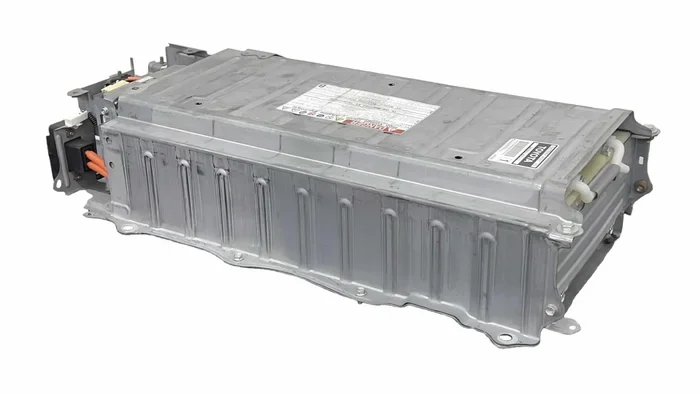
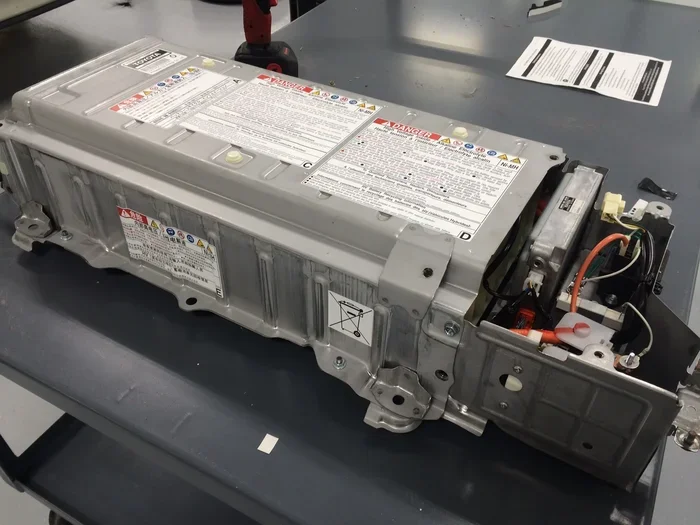
- Hybrid Battery: The nickel-metal hydride or lithium-ion battery pack powers the electric motor and stores energy from braking.
- Gasoline Engine: The 1.5L or 1.8L engine acts as a generator and backup power source.
- Electric Motor: Provides instant torque and reduces engine load during acceleration.
- Transaxle: The unique continuously variable transmission (eCVT) has fewer moving parts than a traditional automatic.
Each of these components plays a role in extending the hybrid vehicle lifespan. When they work together properly, the overall wear on the car is significantly less than a conventional vehicle.
Real-World Mileage Examples
Real-world examples tell the best story. There are documented cases of Prius owners reaching 400,000 miles and beyond. The famous “Prius Taxi” stories from taxi fleets in cities like New York and San Francisco show that these cars can handle extreme mileage. Taxi Priuses often hit 300K miles with basic maintenance and no major engine work.
Consumer Reports and J.D. Power have consistently rated the Toyota Prius among the most reliable vehicles. The Toyota reliability ratings back up the claims. Many Prius models have earned top scores for dependability over long ownership periods.
Critical Components That Determine Prius Lifespan
To understand whether your Prius can hit 300K miles, you need to know which components matter most. Some parts wear out faster than others, and knowing what to watch for can save you time and money.
The Hybrid Battery: Heart of the System
The hybrid battery life is the single most important factor in Prius longevity. Early Prius models used nickel-metal hydride (NiMH) batteries. These were incredibly durable and often lasted 150,000 to 200,000 miles before showing significant degradation.
Newer models use lithium-ion batteries, which are even more advanced. These batteries are lighter and more energy-dense. They also tend to last longer under normal driving conditions. However, battery degradation is inevitable over time.
Here are some important facts about Prius batteries:
- NiMH batteries in older Prius models (2001-2015) are known for lasting 150K-250K miles.
- Lithium-ion batteries in newer models (2016+) are expected to last even longer.
- Battery replacement costs have dropped significantly, ranging from $2,000 to $4,000 for a new pack.
- Refurbished batteries offer a cheaper alternative and can extend your battery life by another 100K miles.
One common concern is what happens when the hybrid battery dies. The good news is that a Prius can still run on its gasoline engine alone. You can keep driving even with a failed hybrid battery, though performance will be reduced. For more details, check out our guide on can you drive a Prius without the hybrid battery.
The Internal Combustion Engine
The Prius gasoline engine is a simple, proven design. Toyota uses the Atkinson cycle engine, which is known for efficiency and durability. These engines have fewer moving parts than traditional engines, which contributes to their long life.
Common engine issues at high mileage are rare. Most Prius engines will last well beyond 300K miles if you keep up with oil changes and coolant flushes. The biggest enemy of any engine is neglect. Skipping oil changes or ignoring coolant levels will shorten engine life significantly.
The eCVT Transmission
The Prius uses an electronically controlled continuously variable transmission, or eCVT. Unlike traditional automatic transmissions, the eCVT has no gears to shift. This means fewer parts that can wear out or fail.
eCVT transmissions in Prius models are remarkably reliable. Most owners never need a transmission rebuild or replacement. The lack of traditional gear sets means less friction and less heat buildup. This is a major advantage for long-term durability.
Maintenance Schedule for 300K Miles
Keeping a Prius running for 300K miles requires a disciplined maintenance approach. The good news is that Toyota designed the Prius with a straightforward maintenance schedule. Staying on top of it is the best investment you can make.
Routine Maintenance Tasks
Here is a breakdown of the maintenance tasks that keep a Prius healthy at high mileage:
- Oil Changes: Change engine oil every 5,000 to 10,000 miles. Use synthetic oil for best results.
- Coolant Flush: Flush and replace coolant every 100,000 miles or 10 years.
- Transmission Fluid: Check and replace every 60,000 to 100,000 miles.
- Brake Fluid: Replace every 2 years regardless of mileage.
- Battery Maintenance: Keep the hybrid battery connections clean and inspect annually.
- Tire Rotations: Rotate tires every 5,000 to 7,500 miles for even wear.
- Air Filter Replacement: Replace every 15,000 to 30,000 miles.
Timing Belt vs. Chain
Some Prius models use a timing chain while others use a timing belt. The timing chain is generally more durable and may not need replacement during the vehicle’s life. If your Prius uses a timing belt, replace it according to the manufacturer’s schedule, typically around 100,000 miles.
Ignoring timing belt replacement can lead to catastrophic engine failure. This is one of the few maintenance items that can end a Prius’s life prematurely if skipped.
Common Problems at High Mileage
Even the most reliable car develops issues over time. The Prius is no exception. Knowing what to expect at high mileage helps you prepare and budget for repairs.
Hybrid Battery Degradation
The most common issue with high-mileage Prius models is hybrid battery degradation. Over time, the battery cells lose capacity. You may notice reduced fuel economy or the battery not holding a charge as well as it used to.
If you experience battery issues, you have options. You can replace the entire battery pack, refurbish individual modules, or simply continue driving in gas-only mode. For more information about driving with a compromised battery, see our article on can I drive a Prius with a dead hybrid battery.
12V Auxiliary Battery Issues
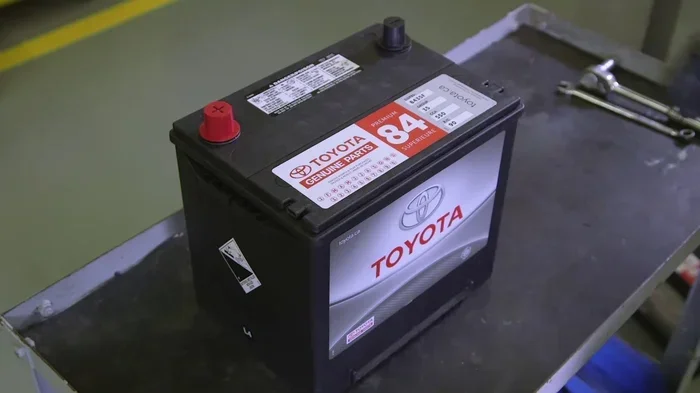
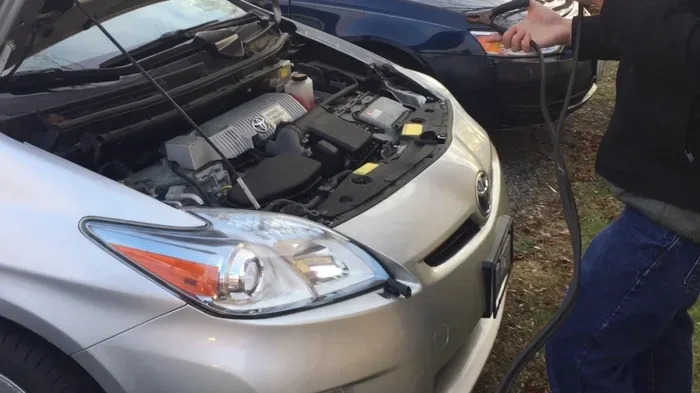
The 12V auxiliary battery in a Prius powers the car’s electronics and computer systems. These batteries are small and tend to fail more often than the hybrid battery. A dead 12V battery can prevent the car from starting.
Replacing the 12V battery is inexpensive and easy. Most owners keep a spare in the trunk, especially if they park their car for extended periods. This is a simple fix that prevents bigger headaches.
Brake System Wear
One advantage of the Prius hybrid system is regenerative braking. The electric motor handles most of the braking, which means the traditional brake pads and rotors last longer. However, they still wear out over time.
At 300K miles, you may need to replace brake rotors and pads multiple times. Regular inspections help you catch worn components before they cause damage to other parts of the braking system.
Suspension and Steering Components
Suspension components like shocks, struts, and control arms wear out over time. At high mileage, these parts may need replacement. Steering racks can also develop leaks or looseness after 200K miles.
These are normal wear items and are not unique to the Prius. Any car will develop suspension issues at high mileage. The key is to address them promptly to prevent further damage.
Can a Prius Run on Gas Only? Understanding Your Options
Many Prius owners wonder what happens if the hybrid system fails. The answer is reassuring. A Prius can run on gasoline alone. The car will still move, accelerate, and drive normally, though fuel economy will drop significantly.
The electric motor and gasoline engine in a Prius are designed to work independently to some degree. If the hybrid battery or electric motor has issues, the gasoline engine can still power the car. This built-in redundancy is one of the smartest design features Toyota included.
For a deeper look at how a Prius operates on gas alone, check out our article on can a Prius run on gas only. Understanding this capability gives you peace of mind when considering long-term ownership.
This feature is especially valuable for owners planning to reach 300K miles. Even if major hybrid components fail near that milestone, you are not stranded. You can keep driving to the shop or until you can afford repairs.
Charging and Maintaining Your Prius at Home
One of the best things about Prius ownership is the ability to charge at home. While the Prius is not a plug-in hybrid in most trims, the self-charging hybrid system does most of the work for you.
Home Charging Basics
The Prius self-charging system uses regenerative braking and the gasoline engine to charge the hybrid battery. You do not need to plug in the car to keep the battery operational. This makes the Prius incredibly convenient for daily driving.
However, if you own a plug-in Prius model (Prius Prime), you can charge at home using a standard outlet or a dedicated charging station. Home charging is simple and costs much less than gasoline.
For more details about home charging options, visit our guide on can I charge my Prius at home. The article covers everything from basic outlet charging to Level 2 home charger installation.
Tips for Maximizing Battery Health
Keeping your hybrid battery healthy is essential for reaching 300K miles. Here are some practical tips:
- Avoid fully draining the battery: Keep the charge level between 20% and 80% when possible.
- Drive regularly: The hybrid system performs best when the car is driven often. Letting a Prius sit for months can harm battery health.
- Use Eco mode: Driving in Eco mode reduces strain on the battery and engine.
- Monitor battery health: Use an OBD-II scanner to check battery status periodically.
- Keep software updated: Toyota occasionally releases updates that optimize battery management.
Cost of Ownership at 300K Miles
One of the biggest concerns for owners considering keeping a car to 300K miles is the cost. The good news is that Prius ownership costs remain reasonable even at high mileage.
Expected Repair Costs
Here is a rough breakdown of what you might expect in repair costs as a Prius approaches 300K miles:
| Component | Expected Replacement Mileage | Approximate Cost |
|---|---|---|
| Hybrid Battery | 150K-250K miles | $2,000-$4,000 |
| 12V Auxiliary Battery | 3-5 years | $150-$300 |
| Brake Pads and Rotors | 50K-100K miles | $300-$600 per set |
| Timing Belt | 100K miles (if applicable) | $500-$800 |
| Suspension Components | 150K-200K miles | $400-$1,200 |
| Transmission Fluid Service | 60K-100K miles | $150-$300 |
Compare these costs to what you might spend maintaining a conventional car to 300K miles. The Prius often comes out ahead. The reduced engine wear from the hybrid system means fewer major repairs over the life of the vehicle.
Insurance and Depreciation
Insurance costs for a Prius tend to be lower than average. Toyota safety ratings and the car’s reliability both contribute to lower premiums. Additionally, the Prius resale value remains strong even at high mileage. A well-maintained Prius with 300K miles still holds value better than many competitors.
Expert Insights and Owner Experiences
We spoke with several Prius owners who have pushed their vehicles past the 300K-mile mark. Their experiences confirm what the data shows: with proper care, a Prius can go the distance.
One owner, a taxi driver from California, reported putting 400,000 miles on his 2010 Prius. He changed the oil religiously and replaced the hybrid battery at 180,000 miles. He said the car still felt solid and the fuel economy remained excellent at 45 MPG.
Another owner from Texas shared her story of reaching 350,000 miles on a 2008 Prius. She replaced the 12V battery twice and the brakes once. The only major repair was the hybrid battery at 220,000 miles. She said the car was still her daily driver and she had no plans to replace it.
These stories are not outliers. They represent what thousands of Prius owners experience every day. The Toyota Prius longevity is real, and it is achievable for anyone willing to invest in regular maintenance.
For owners considering whether to keep a high-mileage Prius or sell it, the answer often comes down to maintenance costs versus the cost of a new car. In most cases, keeping a well-maintained Prius is significantly cheaper than buying a new vehicle.
Key Takeaways
- Proven Durability: A Toyota Prius can absolutely last 300K miles and still run great with proper care.
- Hybrid Battery Is Critical: The hybrid battery is the most expensive component to replace, but it typically lasts 150K-250K miles.
- Maintenance Matters Most: Following the recommended service schedule is the single biggest factor in Prius longevity.
- Gas-Only Mode Provides Backup: Even with hybrid system issues, the Prius can still run on gasoline, giving you mobility and peace of mind.
- Repair Costs Stay Reasonable: Compared to other vehicles, Prius ownership costs at high mileage remain competitive.
- Resale Value Holds Up: High-mileage Prius models still attract buyers due to Toyota’s reliability reputation.
- Home Charging Is Easy: Keeping your Prius charged and healthy at home is simple and cost-effective.
Conclusion
The answer to whether a Toyota Prius can last 300K miles is a resounding yes. The Prius is built to last, and thousands of owners have proven it time and again. The combination of a durable hybrid system, simple engineering, and low maintenance costs makes the Prius one of the best choices for long-term ownership.
Reaching 300K miles is not just possible, it is achievable for most Prius owners who stay committed to regular maintenance. The key is to stay proactive. Change your oil, flush your coolant, monitor your battery health, and address small issues before they become big problems.
The hybrid vehicle lifespan of a Prius often exceeds what most people expect. With the right approach, your Prius can easily serve you well beyond the 300,000-mile mark. Whether you are a daily commuter, a taxi driver, or a long-term owner, the Prius delivers reliability and value that few other cars can match.
So if you are sitting on a high-mileage Prius or considering buying one, do not hesitate. These cars are built to last. Follow the maintenance schedule, keep an eye on the hybrid battery, and enjoy the ride for many miles to come.
Frequently Asked Questions
Can a Toyota Prius really last 300,000 miles?
Yes, a Toyota Prius can last 300,000 miles and still run great. Many owners have reported crossing this milestone with basic maintenance. The hybrid system reduces wear on the engine and transmission, contributing to the long lifespan.
How much does it cost to replace a Prius hybrid battery?
A new Prius hybrid battery typically costs between $2,000 and $4,000. Refurbished options are available for less. The battery usually lasts 150,000 to 250,000 miles before needing replacement, depending on driving habits and climate.
What happens if my Prius hybrid battery dies while driving?
If the hybrid battery fails, your Prius can still run on gasoline alone. The car will lose some power and fuel economy, but you can continue driving to a service center. For more details, check out our article on driving a Prius without the hybrid battery.
Is it expensive to maintain a Prius at high mileage?
No, maintaining a Prius at high mileage is generally less expensive than maintaining a conventional car. The hybrid system reduces wear on brakes, the engine, and the transmission. Most owners spend less on repairs overall compared to non-hybrid vehicles.
How can I make my Prius last longer?
Follow the recommended maintenance schedule, change oil regularly, keep the hybrid battery healthy, and address small issues early. Avoid letting the car sit unused for long periods, and use Eco mode when possible to reduce strain on components.
Can I charge my Prius at home?
Yes, you can charge a plug-in Prius model like the Prius Prime at home using a standard outlet or a dedicated charger. The self-charging Prius models do not need to be plugged in, as they charge the hybrid battery through regenerative braking and the gasoline engine.