Car Electrician Job Description Everything You Need to Know
A car electrician job description covers everything from diagnosing vehicle electrical systems to fixing car wiring and electrical components. Whether you are exploring a new career or need to hire a skilled automotive electrician, this guide gives you the full picture. You will learn what the role involves, what skills matter most, and how to get started.
Key Takeaways
- Car electricians specialize in diagnosing and repairing vehicle electrical systems, including batteries, alternators, and wiring.
- Key skills include electrical diagnostics, troubleshooting, reading wiring diagrams, and using OBD scanners.
- Becoming a car electrician typically requires a high school diploma, vocational training, and hands-on experience.
- The average salary ranges from $40,000 to $75,000 depending on experience and location.
- Modern cars need tech-savvy electricians who understand computer-controlled systems and software updates.
- Common car electrical problems include dead batteries, faulty alternators, and blown fuses that need quick fixes.
📑 Table of Contents
- Car Electrician Job Description: Everything You Need to Know
- What Does a Car Electrician Do?
- Essential Skills Every Car Electrician Needs
- How to Become a Car Electrician
- Daily Tasks and Responsibilities
- Tools of the Trade
- Salary and Career Outlook
- Expert Insights
- Key Differences: Car Electrician vs. General Mechanic
- Final Thoughts
Car Electrician Job Description: Everything You Need to Know
Modern vehicles are packed with technology. From car dashboards to backup cameras, everything runs on electricity. That is where a car electrician steps in. If you have ever wondered what this job looks like day to day, you are in the right place.
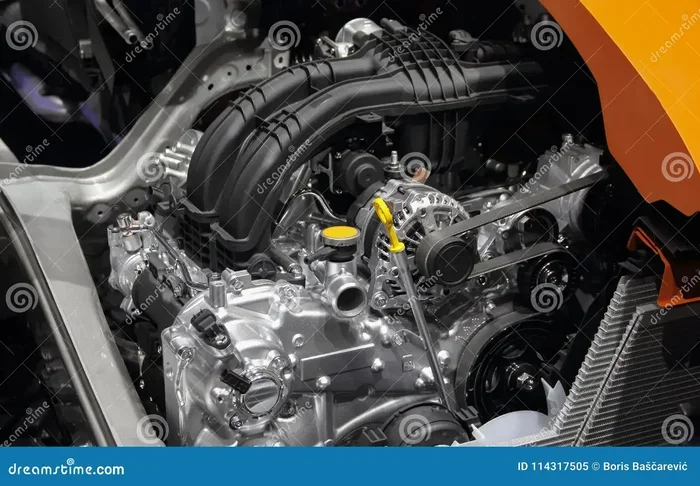
The car electrician job description covers a wide range of duties. These professionals handle vehicle electrical systems, track down faults, and keep your car running safely. They work with everything from the car battery to complex software systems. It is a hands-on career that blends technical knowledge with real problem-solving.
In this guide, we will walk you through every detail. You will discover what the job involves, what tools you need, how to become one, and what to expect in terms of pay. Let us dive in.
What Does a Car Electrician Do?
A car electrician focuses on the electrical side of vehicles. They are not general mechanics. Instead, they zero in on electrical components and systems that power your car. Think of them as the heart doctors of the automotive world.
Core Responsibilities
So what does a typical day look like? Here are the main tasks a car electrician handles:
- Diagnosing car electrical problems using specialized tools
- Repairing and replacing car wiring, fuses, and relays
- Testing the car battery, alternator, and starter motor
- Reading and interpreting wiring diagrams
- Installing new electrical systems or upgrades
- Running electrical diagnostics with OBD scanners
- Fixing dashboard lights, sensors, and control modules
- Performing vehicle maintenance on electrical systems
Each job is different. One day you might be hunting down a short circuit. The next day you could be installing a new sound system. The variety is part of what makes this work exciting.
Where Do They Work?
Car electricians can be found in several settings. Some work at auto repair shops. Others are employed by car dealerships or fleet maintenance companies. A few even run their own businesses, offering mobile services right at your driveway.
Essential Skills Every Car Electrician Needs
Being good with your hands is not enough. The car electrician job description demands a mix of technical and soft skills. Let us break them down.
Technical Skills
These are the must-have abilities that get the job done:
- Electrical diagnostics: The ability to quickly find the source of a problem using multimeters and voltage testers
- Reading wiring diagrams: Every car has a map of its electrical system. Electricians must read these like a book
- Circuit testing: Checking continuity, resistance, and voltage across circuits
- Software knowledge: Modern cars use computers. Electricians need to update and reset software modules
- Understanding of automotive technology: Staying current with new car models and their tech
Soft Skills That Matter
Technical smarts open the door. Soft skills help you succeed.
- Problem-solving: Every repair is a puzzle. You need patience and a sharp mind
- Communication: You must explain issues clearly to car owners who may not understand the technical side
- Attention to detail: One loose wire can cause big problems. Precision is everything
- Time management: Customers want fast service. You need to work efficiently without cutting corners
Strong electrical troubleshooting skills set the best electricians apart. If you enjoy figuring things out, this career fits you naturally.
How to Become a Car Electrician
Ready to pursue this career? The path is more straightforward than you might think. Here is a step-by-step look at how to get there.
Step 1: Get Your High School Diploma
Start with a solid education. Focus on math, physics, and any shop classes available. These subjects build the foundation for understanding vehicle electrical systems.
Step 2: Complete Vocational or Trade Training
A mechanic certification program is your next move. Many community colleges and trade schools offer courses in automotive electrical repair. These programs usually take six months to a year. They cover wiring, circuitry, and automotive computer systems.
Some popular certifications to pursue include:
- ASE (Automotive Service Excellence) certification
- EVT (Electronics Vehicle Technology) certification
- Manufacturer-specific training programs
Step 3: Gain Hands-On Experience
Books teach theory. Practice builds skill. Look for entry-level positions or apprenticeships at auto repair shops. Even working as a helper gives you valuable time with real vehicles and real problems.
Step 4: Keep Learning
Cars change fast. Automotive technology evolves every year. Stay sharp by attending workshops, taking online courses, and reading industry publications. The more you learn, the more valuable you become.
Daily Tasks and Responsibilities
What does a typical workday look like for a car electrician? Let us walk through a realistic schedule.
Morning Routine
Most electricians start by reviewing their job list. They check which vehicles are in the bay and what issues have been reported. A quick team huddle often covers the day’s priorities.
Midday Work
The bulk of the day involves hands-on repairs. You might spend an hour testing a car battery that will not hold a charge. Then you could move on to replacing a faulty alternator. Each task requires focus and methodical electrical diagnostics.
End of Day
Electricians document their work, update repair orders, and prepare tools for the next day. Cleaning and organizing the workspace keeps everything running smoothly.
Common Car Electrical Problems They Fix
Some issues show up more often than others. Here are the most frequent ones:
- Dead car battery: Often caused by aging or leaving lights on
- Faulty alternator: This keeps your battery charged. When it fails, your car stalls
- Blown fuses: A simple but annoying problem that cuts power to certain systems
- Faulty starter motor: When you turn the key and nothing happens, this is often the culprit
- Wiring shorts: Damaged car wiring can cause random electrical behavior
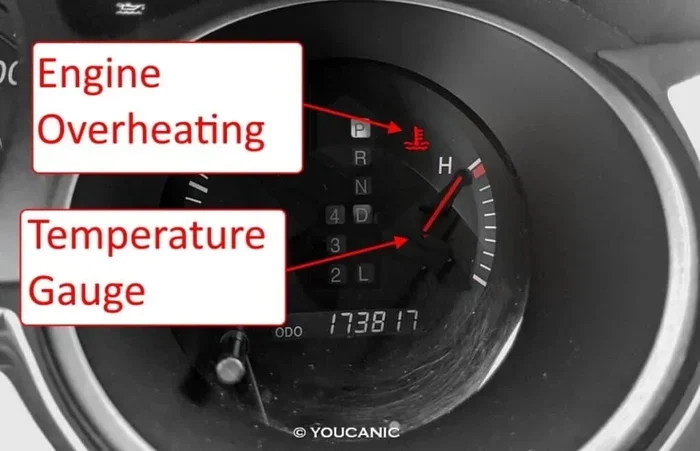
- Sensor failures: Modern cars have dozens of sensors. One bad sensor can trigger warning lights
Tools of the Trade
A car electrician is only as good as their tools. Having the right equipment makes every job faster and more accurate. Here is what they typically carry.
Must-Have Tools
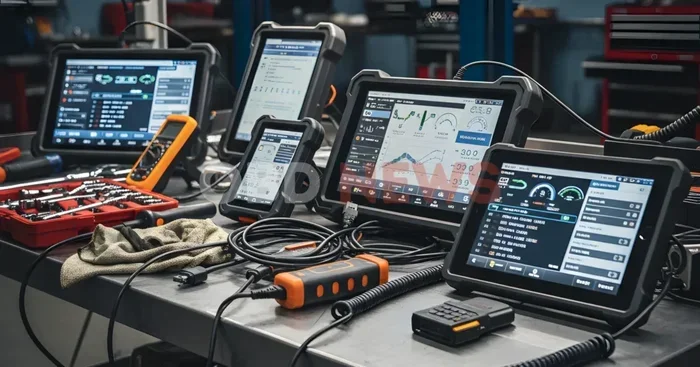
- Multimeter: Measures voltage, current, and resistance. This is the number one tool for electrical troubleshooting
- OBD scanner: Reads error codes from your car’s computer. It points you toward the problem fast
- Voltage tester: Checks if power is reaching a specific point
- Wire crimpers and strippers: For connecting and repairing car wiring
- Soldering iron: Creates strong, lasting wire connections
- Wiring diagrams: Not a tool you hold, but a resource you cannot live without
Comparison: Basic vs. Advanced Tool Kits
| Feature | Basic Kit | Advanced Kit |
|---|---|---|
| Multimeter | Basic model | Digital with data logging |
| OBD Scanner | Code reader only | Full diagnostic system |
| Wire Tools | Manual crimpers | Heat-shrink and auto-crimper |
| Price Range | $100-$300 | $500-$1,500+ |
| Best For | Beginners and hobbyists | Professional electricians |
Starting with a basic kit is smart. As you grow in the field, upgrading to advanced tools becomes necessary. Professional-grade equipment saves time and improves accuracy on every automotive electrical repair job.
Quick Tips for Tool Maintenance
- Clean your tools after every use to prevent corrosion
- Store them in a dry, organized case
- Replace worn items regularly. Cheap tools can damage components
- Calibrate your multimeter and OBD scanner periodically
Salary and Career Outlook
Wondering if this career pays well? The short answer is yes. Let us look at the numbers.
Average Earnings
Salaries vary based on experience, location, and employer. Here is a general breakdown:
- Entry-level: $30,000 to $40,000 per year
- Mid-level: $45,000 to $60,000 per year
- Experienced: $65,000 to $80,000+ per year
Those who specialize in automotive technology or work with luxury and electric vehicles often earn more. Running your own auto repair shop can also increase your income significantly.
Job Outlook
The demand for skilled car electricians is growing. Modern vehicles are more electrical than mechanical now. Every new car model brings more sensors, computers, and electronic features. This trend means steady work for years to come.
Opportunities also exist in related fields. Some electricians move into vehicle maintenance management, training, or even manufacturing roles. The career path is flexible.
Common Mistakes to Avoid
New electricians often stumble on the same issues. Here are pitfalls to watch out for:
- Skipping diagnostics: Jumping to repairs without proper testing wastes time and money
- Using the wrong tools: Cheap or incorrect tools can damage electrical components
- Ignoring wiring diagrams: These save you from guessing. Always use them
- Neglecting continuing education: The field changes fast. Stopping learning means falling behind
- Overlooking safety: Working with electricity carries risks. Always disconnect the battery first
Expert Insights
We asked a few seasoned professionals what they wish more people understood about the car electrician job description. Here is what they said.
“People think it is just about batteries and wires. But today, we are more like IT specialists for cars. You need to understand software, sensors, and computer networks just as much as you need to understand circuits.” — Mark, certified automotive electrician with 15 years of experience.
“The biggest thing I tell new electricians is to be patient. A problem that looks simple might be hiding behind three other issues. Take your time with electrical diagnostics and let the tools guide you.” — Sarah, owner of a mobile car electrical service.
Their advice boils down to one thing: never stop learning. Automotive technology is always advancing. The electricians who stay curious and keep sharpening their skills are the ones who thrive.
Key Differences: Car Electrician vs. General Mechanic
Many people confuse these two roles. They are not the same. Here is a quick comparison to clear things up.
| Aspect | Car Electrician | General Mechanic |
|---|---|---|
| Focus | Electrical systems only | All vehicle systems |
| Main Tasks | Diagnostics, wiring, sensor repair | Oil changes, brakes, engine repair |
| Tools | Multimeters, OBD scanners, soldering irons | Wrenches, jacks, diagnostic machines |
| Training | Specialized electrical training | General automotive training |
| Typical Pay | $40,000-$80,000 | $35,000-$75,000 |
Some professionals do both. But specialization in automotive electrical repair often leads to higher pay and more focused expertise. If you love working with electricity and technology, going deep in this area is a smart move.
Final Thoughts
The car electrician job description is broad, exciting, and full of opportunities. From diagnosing car electrical problems to installing cutting-edge systems, this career keeps you on your toes. It rewards curiosity, precision, and a genuine passion for vehicle electrical systems.
Whether you are considering this path for yourself or looking to hire a professional, now you know what to expect. The demand is strong. The pay is solid. And the work genuinely matters. Every driver depends on a working electrical system, and that starts with skilled electricians who take pride in what they do.
If this guide sparked your interest, take the next step. Look into training programs in your area. Talk to working electricians. Start small with basic electrical troubleshooting projects. The road ahead is bright for anyone willing to plug in and learn.
Frequently Asked Questions
What is a car electrician job description?
A car electrician job description outlines the duties of a professional who diagnoses and repairs vehicle electrical systems. This includes testing the car battery, fixing wiring, replacing alternators, and running diagnostics with OBD scanners. They focus specifically on electrical issues rather than general mechanical repairs.
How much does a car electrician earn?
Entry-level electricians earn around $30,000 to $40,000 per year. Mid-level professionals make $45,000 to $60,000. Experienced electricians can earn $65,000 to $80,000 or more. Those who specialize in electric vehicles or run their own auto repair shop often earn higher salaries.
Do I need a degree to become a car electrician?
No degree is required. Most employers look for a high school diploma and vocational training in automotive electrical repair. Hands-on experience and certifications like ASE carry a lot of weight. Many electricians learn through apprenticeships and on-the-job training as well.
What tools do car electricians use most often?
The most common tools include a multimeter, OBD scanner, voltage tester, wire crimpers, and a soldering iron. Reading wiring diagrams is also essential. These tools help electricians perform accurate electrical diagnostics and troubleshoot problems quickly across vehicle systems.
Can a car electrician work from home or on the road?
Yes, many electricians offer mobile services. They travel to customers and fix electrical issues on-site. This setup requires a well-stocked toolkit and a reliable vehicle. Mobile work is popular among car owners who prefer convenient, at-home repairs for their vehicle electrical systems.
What are the most common car electrical problems?
The top issues include dead batteries, faulty alternators, blown fuses, bad starter motors, and wiring shorts. Sensor failures are also common in modern vehicles. Quick diagnosis and repair prevent bigger problems. Regular vehicle maintenance helps catch these issues early.