Car Dry Cleaning at Home Simple Tips for Beginners
Car dry cleaning at home is a quick, water-free way to keep your vehicle looking fresh and protected. You only need a few basic supplies like microfiber cloths, detailing sprays, and a vacuum to get professional results. This guide walks you through every step, from interior cleaning to exterior shine, so beginners can start with confidence.
Keeping your car clean does not always require a bucket of soapy water and a hose. Car dry cleaning at home has become one of the fastest-growing trends in vehicle care. Whether you live in an apartment without a driveway or just want a quicker way to maintain your ride, dry cleaning methods work surprisingly well.
This approach uses special sprays, cloths, and tools to lift dirt and grime without a single drop of water. The results can look just as good as a traditional wash when done right. In this guide, we will walk you through everything you need to know to get started with car dry cleaning at home today.
You do not need expensive equipment or years of experience. A few simple products and the right technique are all it takes. Let us dive into how you can transform your car cleaning routine with these beginner-friendly methods.
Key Takeaways
- No water needed: Dry cleaning methods save water and work great for light dirt and maintenance between washes.
- Basic supplies are all you need: Microfiber cloths, detailing sprays, and a handheld vacuum cover most tasks.
- Start with the interior: Cleaning the inside first prevents dirt from transferring to the exterior.
- Use the right technique: Spray, wipe, and buff in sections for the best results.
- Avoid common mistakes: Using the wrong cloths or too much product can damage surfaces.
- Build a routine: Regular dry cleaning keeps your car looking great year-round with minimal effort.
📑 Table of Contents
- What Is Car Dry Cleaning at Home?
- Essential Supplies for Car Dry Cleaning at Home
- How to Clean Your Car Interior Without Water
- How to Clean Your Car Exterior Without Water
- Quick Tips for Better Results With Car Dry Cleaning at Home
- Common Mistakes to Avoid When Dry Cleaning Your Car
- Expert Insights on Car Dry Cleaning at Home
- How Often Should You Dry Clean Your Car?
- Comparing Dry Cleaning vs. Traditional Car Washing
- Conclusion
What Is Car Dry Cleaning at Home?
Car dry cleaning at home refers to cleaning your vehicle without using water. Instead, you rely on specialized sprays, wipes, and dry tools to remove dirt, dust, and stains. This method is also known as a waterless wash or rinse-free wash. It has gained popularity among car owners who want a fast and eco-friendly alternative to traditional washing.
Dry cleaning works best for light to moderate dirt. If your car is covered in mud or heavy grime, you may still need a water-based wash first. But for everyday maintenance, dust removal, and light spot cleaning, dry methods are incredibly effective.
Why People Are Switching to Dry Cleaning
There are several reasons why more car owners are choosing dry cleaning methods. First, it saves water. A traditional car wash can use 50 to 100 gallons of water per session. Dry cleaning uses none, making it a greener choice for the environment.
Second, it is incredibly convenient. You can clean your car in your garage, apartment parking spot, or even at work. There is no need to find a water source or worry about runoff. Third, dry cleaning products often contain protective ingredients that leave a shine and guard against UV damage.
Finally, dry cleaning saves time. A full dry clean can be done in 30 to 45 minutes. That is much faster than a traditional wash, dry, and wax routine. For busy car owners, this alone is a game changer.
Essential Supplies for Car Dry Cleaning at Home
Before you start, gather the right supplies. Having everything ready makes the process smooth and efficient. Here is what you will need for car dry cleaning at home.
Microfiber Cloths
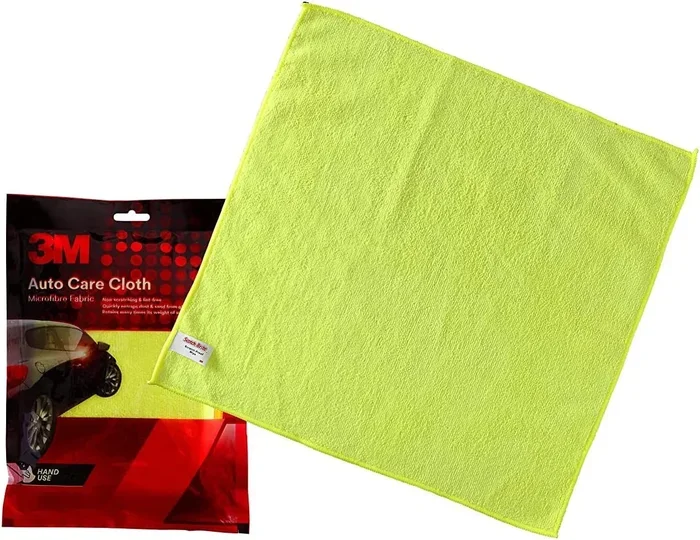
Microfiber cloths are the backbone of any dry cleaning kit. They are soft, lint-free, and highly absorbent. You should have at least three to four cloths on hand. Use one for spraying and wiping, another for buffing, and a third for interior surfaces.
Avoid using old t-shirts or paper towels. These can scratch your paint and leave behind fibers. Invest in quality microfiber cloths designed specifically for auto detailing. They make a huge difference in the final result.
Detailing Sprays and Waterless Wash Solutions
A good detailing spray is essential for car dry cleaning at home. These sprays are formulated to lift dirt safely from your car’s surface. Look for products that offer UV protection and gloss enhancement.
Some popular options include waterless wash sprays and quick detailer sprays. You spray them onto the surface and wipe them off with a microfiber cloth. They work by encapsulating dirt particles so they do not scratch the paint during removal.
Handheld Vacuum and Brushes
For interior cleaning, a handheld vacuum is a must-have. It removes dust, crumbs, and debris from seats, floors, and crevices. Pair it with soft-bristle brushes to loosen dirt from tight spots like seat seams and vent slats.
A small detailing brush set works wonders for dashboards, console areas, and door panels. These brushes are gentle enough not to scratch but strong enough to push out trapped dirt.
How to Clean Your Car Interior Without Water
Starting with the interior is the smartest approach for car dry cleaning at home. When you clean inside first, any dust or debris that falls will be removed when you clean the exterior later. This prevents you from re-contaminating a freshly washed outside surface.
Step 1: Remove Loose Debris
Begin by removing all trash and personal items from the car. Take out floor mats and shake them outside. This gives you a clean workspace and makes the vacuuming process much more effective.
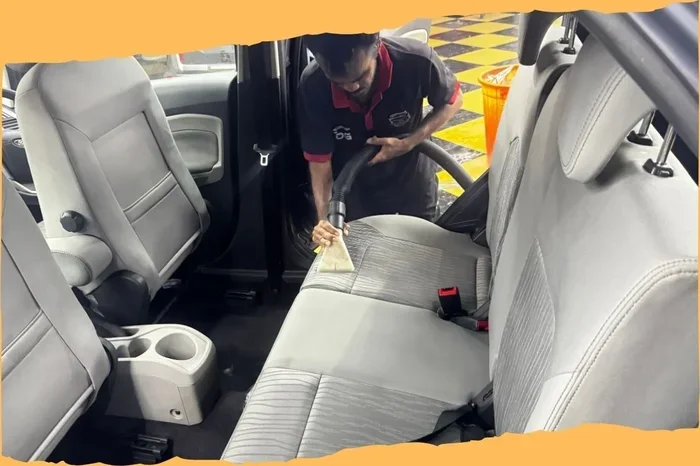
Next, use your handheld vacuum to sweep the entire interior. Start from the top and work your way down. Vacuum the seats, carpet, and floor areas thoroughly. Pay extra attention to crevices between seats and the center console.
Step 2: Wipe Down Hard Surfaces
Use a microfiber cloth with a small amount of interior detailing spray to wipe down the dashboard, center console, and door panels. Spray the product onto the cloth, not directly onto the surfaces. This prevents excess liquid from seeping into electronics or vents.
Work in sections. Start at the top of the dashboard and move downward. Use a cotton swab or small brush to clean air vents and button areas. A little patience here goes a long way toward a polished look.
Step 3: Clean the Upholstery
For fabric seats, use a fabric refresher spray. Spritz lightly and wipe with a clean microfiber cloth. For leather seats, use a leather cleaner and conditioner applied with a soft cloth. This keeps the leather soft and prevents cracking over time.
If you notice stains, use a spot cleaner designed for automotive upholstery. Apply a small amount to the stain, let it sit for a minute, then blot gently with a clean cloth. Avoid rubbing, as this can push the stain deeper into the fabric.
Step 4: Treat the Windows and Mirrors
Finish the interior with a glass cleaner spray and a fresh microfiber cloth. Spray the glass cleaner onto the cloth first, then wipe the windows in a circular motion. This technique prevents streaks and leaves a crystal-clear finish.
Do not forget the rearview mirror and side mirrors. These small touches make a big difference in the overall appearance of your car’s interior.
How to Clean Your Car Exterior Without Water
The exterior is where car dry cleaning at home really shines. With the right products, you can remove dust, road grime, and light water spots without touching a hose. Here is how to do it step by step.
Step 1: Rinse the Surface With a Detailing Spray
Start by misting a section of the car with a waterless wash solution. Work on one panel at a time. The spray lubricates the surface and lifts dirt particles away from the paint. This is crucial because dry wiping without lubrication can cause micro scratches.
Never spray the product on direct sunlight or hot surfaces. The spray will dry too quickly and leave residue. Choose a shaded area or work during cooler parts of the day for the best results.
Step 2: Wipe and Buff
Using a clean microfiber cloth, gently wipe the sprayed section in straight lines. Do not scrub hard. Let the detailing spray do the work. After wiping, use a second clean cloth to buff the area to a shine.
Flip the cloth frequently to a clean side. This prevents you from dragging dirt back across the paint. For heavily soiled areas like the front bumper, you may need to reapply the spray and wipe again.
Step 3: Address Tough Spots
For bug splatter, tree sap, or bird droppings, use a dedicated spot remover. Apply it directly to the affected area and let it sit for 30 seconds. Then wipe gently with a microfiber cloth. These stubborn spots need extra attention but respond well to the right product.
For water spots on the paint, a quick detailer spray usually does the trick. Spray, wipe, and buff. The protective agents in the spray also help shield the paint from future damage.
Step 4: Add a Protective Layer
After cleaning, consider applying a spray wax or paint sealant. These products add a layer of protection that repels water and dirt. They also give your car a glossy finish that lasts for weeks.
Simply spray the product onto the panel and buff it out with a clean microfiber cloth. Work in small sections and overlap each pass slightly for even coverage.
Quick Tips for Better Results With Car Dry Cleaning at Home
Here are some expert-backed tips that will improve your dry cleaning results immediately.
- Always wash your microfiber cloths before use. New cloths may have loose fibers that can scratch your car’s surface.
- Use separate cloths for different areas. A cloth used on the wheels should never touch the paint.
- Work in sections. Small, manageable areas give you better control and more thorough cleaning.
- Keep your supplies organized. A small caddy or bag makes it easy to carry everything you need.
- Clean your cloths regularly. Dirty cloths spread grime instead of removing it.
- Store products in a cool, shaded area. Heat can degrade the quality of detailing sprays and cloths.
Common Mistakes to Avoid When Dry Cleaning Your Car
Even with the best intentions, beginners often make mistakes that can harm their vehicle. Here are the most common errors to watch out for.
Using the Wrong Type of Cloth
Not all cloths are safe for car surfaces. Avoid paper towels, old towels with zippers, or rough fabrics. These can create fine scratches known as swirl marks on your paint. Stick with premium microfiber cloths designed for automotive use.
Applying Too Much Product
More product does not mean better cleaning. Excess spray can leave a sticky residue that attracts more dirt. Use a light mist and apply more only if needed. Less is more when it comes to detailing sprays.
Skipping the Pre-Wipe
Some beginners spray the product and wipe immediately. This can grind dirt into the paint. Always do a light pre-wipe with a dry cloth to remove loose dust before applying any spray. This simple step prevents scratches and improves results.
Ignoring the Wheels and Tires
While dry cleaning works great for the body, the wheels and tires need special attention. Use a dedicated wheel cleaner and a separate brush. Tire shine products also help restore the black finish on your tires. Do not skip this step if you want a complete look.
Expert Insights on Car Dry Cleaning at Home
Professional detailers agree that dry cleaning is an excellent maintenance tool. However, they also note its limitations. According to experienced detailers, dry methods work best as a supplement to regular water-based washes, not a complete replacement.
Most experts recommend doing a full water wash at least once a month. Use dry cleaning methods between washes to keep your car looking its best. This combined approach gives you the best of both worlds: thorough cleaning and convenient maintenance.
Detailers also emphasize the importance of quality products. Cheap detailing sprays may contain harsh chemicals that damage your car’s clear coat over time. Invest in reputable brands that are pH-balanced and safe for automotive paint. Your car’s finish will thank you for it.
Another expert tip is to always read the product labels. Different sprays are designed for different surfaces. A glass cleaner is not the same as a paint detailer. Using the wrong product can leave streaks or damage sensitive surfaces. Match the product to the surface for the safest and best results.
How Often Should You Dry Clean Your Car?
The frequency of car dry cleaning at home depends on your driving conditions and environment. If you park indoors and drive short distances, a dry clean every two weeks may be sufficient. If you park outside or drive on dusty roads, weekly dry cleaning is recommended.
Pay attention to your car’s condition. If you notice a dull finish or visible dust buildup, it is time for a dry clean. Regular maintenance prevents dirt from bonding to the surface and becoming harder to remove later.
Comparing Dry Cleaning vs. Traditional Car Washing
| Feature | Dry Cleaning | Traditional Washing |
|---|---|---|
| Water Usage | None | 50-100 gallons |
| Time Required | 30-45 minutes | 60-90 minutes |
| Best For | Light dirt, maintenance | Heavy grime, mud |
| Equipment Needed | Sprays, cloths, vacuum | Hose, buckets, brushes |
| Location Flexibility | Anywhere | Needs water access |
| Paint Protection | Good (with quality sprays) | Good (with waxing) |
| Cost Per Session | Low | Low to moderate |
As you can see, both methods have their place in a complete car care routine. Dry cleaning excels at convenience and speed, while traditional washing handles heavier cleaning tasks. Using both together gives your car the best care possible.
Conclusion
Car dry cleaning at home is one of the simplest and most effective ways to keep your vehicle looking great. It saves water, saves time, and delivers impressive results with minimal effort. Whether you are a complete beginner or a busy car owner looking for a faster routine, dry cleaning methods have something to offer.
Start with the basic supplies we covered, follow the step-by-step process, and avoid the common mistakes discussed above. Build a regular schedule and watch how quickly your car stays clean and shiny. With consistent care, car dry cleaning at home can become your go-to maintenance habit. Your car will look better, and you will spend less time and money on professional detailing. Give it a try this weekend and see the difference for yourself.
Frequently Asked Questions
Can I use car dry cleaning at home on a heavily dirty car?
Dry cleaning works best on light to moderate dirt. For heavy mud or grime, rinse the car with water first and then follow up with dry cleaning methods for a polished finish. Trying to dry clean a very dirty car can push abrasive particles across the paint and cause scratches.
Is car dry cleaning at home safe for all paint types?
Yes, most waterless wash products are safe for all automotive paint types. However, always check the product label and test on a small hidden area first. This ensures compatibility and prevents any unexpected reactions with your specific paint finish.
How often should I dry clean my car instead of washing it?
Use dry cleaning for regular maintenance between full water washes. A good rule is to dry clean every one to two weeks and do a full water wash once a month. Adjust based on your driving conditions and how dirty your car gets.
What is the best microfiber cloth for car dry cleaning?
Look for plush, premium-grade microfiber cloths with at least 300 GSM weight. These are thick, soft, and highly effective at trapping dirt without scratching. Avoid thin or low-quality cloths that may leave lint or cause fine scratches on the paint surface.
Can I use household cleaning products for car dry cleaning at home?
It is best to avoid household cleaners. They are not formulated for automotive surfaces and may contain chemicals that damage your car’s paint, trim, or interior materials. Dedicated car detailing products are safer and more effective for long-term paint and surface protection.
Do I need any special skills to start car dry cleaning at home?
No special skills are needed. The process is straightforward and beginner-friendly. As long as you use the right products and follow the proper technique of spraying, wiping, and buffing, you can achieve professional-quality results with very little experience.