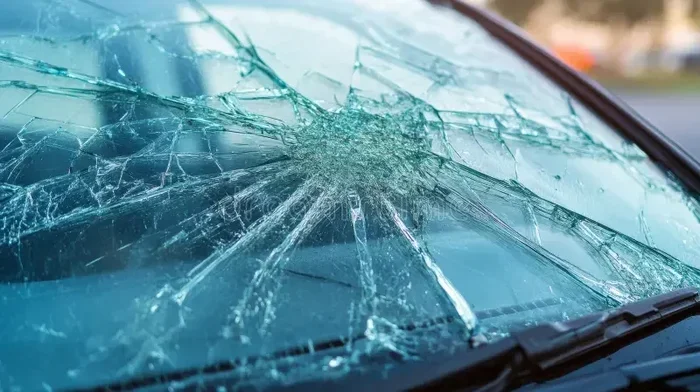
The Real Downsides to Ignoring a Damaged Windshield
Ignoring a damaged windshield can lead to serious safety risks, costly repairs, and even legal trouble. A small crack or chip weakens your vehicle’s structure and reduces visibility on the road. Over time, temperature changes and road vibrations cause damage to spread, turning a minor fix into a full windshield replacement. This article covers the real downsides, the hidden costs, and practical steps to protect yourself and your vehicle.
You see it every morning when you get in the car. A small crack. A tiny chip. Maybe a star-shaped mark right in your line of sight. You tell yourself it’s no big deal. You’ll fix it eventually. But days turn into weeks. Weeks turn into months. And that little damaged windshield keeps growing.
Here’s the thing most people don’t realize. A damaged windshield is not just a cosmetic issue. It affects your safety, your wallet, and even your legal standing on the road. Many drivers ignore windshield damage until it becomes impossible to overlook. By then, the fix is no longer simple or cheap.
In this article, we’ll walk through every real downside of ignoring a cracked windshield. We’ll cover safety risks, hidden costs, legal issues, and what you should do right now. Whether you have a small rock chip or a long crack, this guide will help you make the right call.
Key Takeaways
- Safety Risk: A damaged windshield compromises your vehicle’s structural integrity and airbag function.
- Cost Escalation: Small chips spread into large cracks, turning a cheap repair into an expensive replacement.
- Legal Consequences: Driving with a cracked windshield can lead to fines and failed vehicle inspections.
- Visibility Problems: Even minor damage creates glare and distortions that impair your driving.
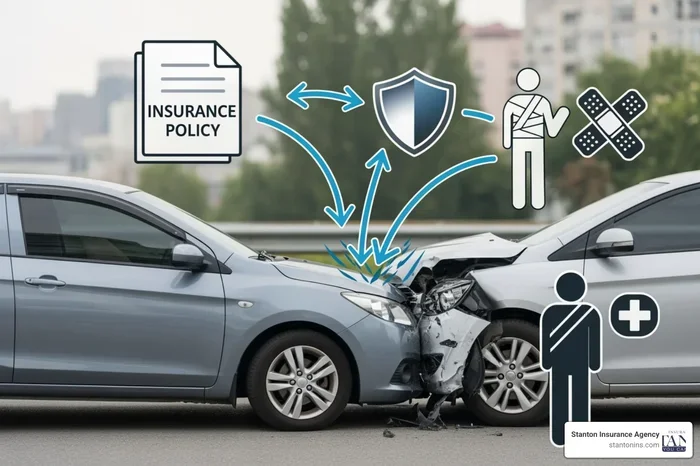
- Insurance Coverage: Most policies cover windshield repair or replacement with little to no deductible.
- Temperature Sensitivity: Heat and cold worsen existing damage rapidly.
- Time Sensitivity: Quick action prevents minor damage from becoming a major safety hazard.
📑 Table of Contents
- Your Windshield Does More Than You Think
- Safety Risks of a Cracked Windshield
- How Damage Spreads Over Time
- Financial Costs You Didn’t Expect
- Legal and Inspection Consequences
- When to Repair vs. When to Replace
- Quick Tips to Prevent Windshield Damage
- Common Mistakes Drivers Make
- Expert Insights on Windshield Maintenance
- Key Takeaways
- Conclusion
Your Windshield Does More Than You Think
Most people see a windshield as just a piece of glass. But your auto glass plays a critical role in how your vehicle performs. It’s not just there to keep bugs off your face.
The Structural Role of Your Windshield
Your windshield contributes up to 30 percent of your vehicle’s structural strength. In a rollover accident, it helps keep the roof from collapsing. The windshield seal and bonding also support the frame of your car. When the glass is cracked, that support weakens. A damaged windshield can fail under stress that a healthy one would handle just fine.
How the Windshield Supports Airbag Deployment
Here’s something many drivers don’t know. Your front passenger airbag relies on the windshield to bounce back toward the occupant. If the glass is cracked or weakened, it might shatter instead of holding. That means the airbag could deploy incorrectly or not at all. Driving safety depends on every part working right — and your windshield is one of the most important parts.
Safety Risks of a Cracked Windshield
Let’s get straight to the point. A damaged windshield puts you and your passengers at real risk. It’s not something to brush aside.
Reduced Visibility on the Road
Even a small crack can distort your view of the road. Sunlight glares off the damage. Rain fills the crack and creates blurry spots. At night, headlights from oncoming traffic scatter through the crack. All of this makes driving safety worse. You might not notice a pedestrian, a stop sign, or a car slowing down ahead of you.
Wind and Debris Become Bigger Problems
A cracked windshield has less wind resistance and structural strength. At highway speeds, even small rocks can turn a small chip into a long crack. The damaged area becomes a weak point. More damage can happen in seconds. What started as a rock chip can become a web of cracks across the entire glass.
Risk of Shattering
A healthy windshield is made of laminated glass. It holds together when hit. But a cracked windshield has compromised integrity. Bumps, pressure changes, and temperature swings can cause the glass to shatter unexpectedly. Imagine that happening at 60 miles per hour. The risk is real and it’s serious.
How Damage Spreads Over Time
One of the biggest mistakes drivers make is waiting too long. A chip in windshield glass might seem harmless today. But it changes fast.
The Role of Temperature Changes
Think about what your windshield goes through every day. Hot sun in the morning. Cold air conditioning in the afternoon. Winter freezes. Summer heat. These temperature changes cause the glass to expand and contract. A tiny crack widens a little each time. Over weeks or months, it grows from a small chip into a major crack that needs full windshield replacement.
Vibration From Driving
Every time you drive, your vehicle vibrates. The engine, the road, the suspension — all of it transfers movement through the frame to the glass. A cracked windshield absorbs all that vibration. Over time, the stress causes the crack to spread. What could have been a windshield repair now becomes a full replacement job.
Moisture Seeping Into Cracks
Water gets into every crack and chip. Once moisture sits inside the glass layers, it weakens the bonding. Dirt and debris also enter. The crack becomes harder to repair. In many cases, the damage becomes irreversible. That’s when you’re looking at windshield replacement cost instead of a simple fix.
Financial Costs You Didn’t Expect
People often avoid fixing a damaged windshield because they think it’s too expensive. But the truth is the opposite. Ignoring the damage almost always costs more in the long run.
Repair vs. Replacement: Understanding the Difference
A small chip or crack under six inches can usually be repaired. Windshield repair costs between $50 and $150 in most cases. A full windshield replacement, on the other hand, can range from $200 to $1,000 or more. The difference depends on your vehicle model, the type of auto glass, and where you live. The point is clear — fix it early and save hundreds of dollars.
Hidden Costs of Delayed Repair
Beyond the glass itself, there are other costs to consider. A weakened windshield can affect your insurance rates if you file a claim later. Failed vehicle inspections mean extra trips and fees. And if the glass shatters on the road, you might need a tow. These hidden costs add up fast.
Does Insurance Cover Windshield Damage?
Most comprehensive auto insurance policies cover windshield repair or replacement with little or no deductible. Many policies even offer zero-deductible glass coverage. So there’s really no reason to delay. Check with your provider. You might be surprised how affordable it is to fix the damage now.
| Type of Damage | Average Repair Cost | Average Replacement Cost | Insurance Coverage |
|---|---|---|---|
| Small rock chip (under 1 inch) | $50 – $75 | N/A | Usually covered |
| Medium crack (under 6 inches) | $75 – $150 | N/A | Usually covered |
| Large crack or spread damage | Not repairable | $200 – $1,000 | Usually covered |
| Full windshield replacement | N/A | $200 – $1,000+ | Usually covered |
Note: Costs vary by vehicle type, location, and insurance provider. Always get a quote before deciding.
Legal and Inspection Consequences
Driving with a damaged windshield isn’t just risky — it can also get you in trouble with the law.
Failed Vehicle Inspections
Most states require vehicles to pass safety inspections. A cracked or chipped auto glass windshield often fails the inspection. That means you can’t register your car. You might get cited on the spot. Some states issue fix-it tickets, while others impose fines. Either way, it’s an unnecessary headache.
Traffic Citations and Fines
Police officers can pull you over if your windshield damage obstructs your view. Depending on your state, fines for a cracked windshield can range from $50 to $200 or more. In some areas, repeated violations can lead to higher insurance premiums. It’s a simple fix that avoids all of this.
How Damage Affects Your Vehicle Inspection
Inspectors look at the size, location, and spread of cracks. Damage in the driver’s direct line of sight almost always fails. Even small chips near the center of the glass can cause a failed inspection. Before you schedule your next inspection, consider getting a windshield repair done first. It saves time, money, and stress.
When to Repair vs. When to Replace
Not every damaged windshield needs a full replacement. Knowing the difference helps you make smart decisions.
Signs You Need a Repair
You can likely repair the damage if:
- The chip or crack is smaller than six inches.
- The damage is not in the driver’s direct line of sight.
- There are fewer than three chips or cracks.
- The damage is not on the edge of the windshield.
- The crack has not spread or deepened significantly.
A quick windshield repair takes about 30 minutes. It stops the crack from spreading and restores most of the glass strength.
Signs You Need a Replacement
You probably need a full windshield replacement if:
- The crack is longer than six inches.
- The damage is directly in your line of sight.
- The crack extends to the edge of the glass.
- Multiple cracks or chips cover a large area.
- The damage has spread despite previous repairs.
A professional will remove the old glass, clean the frame, and install new OEM glass or quality aftermarket glass. The process takes about one to two hours. Most shops also handle the curing time so you can drive away safely.
Choosing the Right Glass and Service Provider
Not all auto glass services are the same. Look for shops that use quality glass and offer warranties. Ask if they use OEM-equivalent glass or original manufacturer glass. A good provider will also check your windshield seal and ensure proper bonding. This prevents leaks, wind noise, and future damage.
Quick Tips to Prevent Windshield Damage
You can’t prevent every rock or chip. But you can reduce your risk with a few smart habits.
- Keep distance. Stay several car lengths behind trucks and construction vehicles. Debris flies off their tires and hits your windshield.
- Avoid construction zones. If you can take a different route, do it. Construction areas have loose gravel and debris.
- Park in the shade. Extreme temperature changes stress your glass. Parking in a garage or shaded area helps.
- Fix small chips immediately. A windshield repair takes minutes and prevents costly replacement later.
- Check your wipers. Worn wipers scratch the glass surface over time. Replace them regularly.
- Don’t slam doors. Heavy impacts create stress points in the glass. Close doors gently.
Common Mistakes Drivers Make
Let’s talk about what not to do. These mistakes make damaged windshield problems worse.
Mistake 1: Using DIY repair kits for serious cracks. While DIY kits work for tiny chips, they don’t fix larger cracks properly. You might end up paying more for a botched repair and a replacement anyway.
Mistake 2: Ignoring small chips. A tiny chip today becomes a long crack tomorrow. The damage spreads faster than most people expect. Don’t wait for it to get worse.
Mistake 3: Choosing the cheapest option without checking quality. The cheapest windshield replacement might use low-quality glass or skip proper bonding. This creates safety issues and leaks. Always check reviews and ask about warranties.
Mistake 4: Delaying because of insurance confusion. Many drivers don’t realize their insurance covers glass damage. They assume it’ll raise their rates. In most cases, comprehensive glass claims don’t affect premiums. Call your insurer and ask before you delay.
Mistake 5: Driving with obstructed view. If a crack blocks your sight line, don’t drive long distances. Get it repaired or replaced immediately. Your safety and the safety of others on the road depends on clear visibility.
Expert Insights on Windshield Maintenance
We spoke with certified auto glass technicians about the most common issues they see. Here’s what they want every driver to know.
First, they stress that windshield repair should happen within days of noticing damage. The longer you wait, the more the crack spreads. Second, they warn against extreme temperature changes. Pouring hot water on a frozen windshield or blasting AC on a sun-heated car can worsen existing cracks. Third, they recommend regular inspections. Look at your glass every few weeks. Catch small chips before they become big problems.
One technician shared this insight: “I see people every week who waited too long. What could have been a $75 repair becomes a $500 replacement. And in some cases, the damage spreads to the point where the whole windshield needs to come out. A few minutes of attention early on saves a lot of money and hassle later.”
Another expert pointed out that damaged windshield issues spike during spring and summer. Road construction increases. Gravel and debris are everywhere. The heat expands the glass. That’s the time to be most vigilant about chips and cracks.
Key Takeaways
- Safety First: A damaged windshield weakens your vehicle’s structure and affects airbag deployment. Your safety depends on intact glass.
- Damage Spreads Fast: Temperature changes, vibrations, and moisture cause small chips to grow into large cracks quickly.
- Costs Add Up: Ignoring a small chip leads to expensive windshield replacement instead of an affordable repair.
- Legal Risks Are Real: Cracked windshields can cause failed inspections, fines, and citations in many states.
- Insurance Often Covers It: Most comprehensive policies cover glass damage with little or no deductible.
- Act Early: Quick action prevents minor damage from becoming a major safety and financial problem.
Conclusion
A damaged windshield is never just a cosmetic problem. It’s a safety issue, a financial issue, and a legal issue all at once. The downsides of ignoring it are real and they stack up fast. What starts as a tiny chip becomes a long crack. What starts as a $75 repair becomes a $1,000 replacement. What starts as a minor inconvenience becomes a serious safety hazard on the road.
The good news? It’s easy to fix. Most windshield repair jobs take less than an hour. Insurance usually covers the cost. And the peace of mind you get from knowing your glass is intact is worth it all. Don’t wait until the damage gets worse. Don’t wait until you get a ticket or fail an inspection. Take action now.
Your windshield protects you every time you drive. Give it the attention it deserves. Fix the damage, replace the glass when needed, and keep your driving safety where it should be — at the top of your priority list.
Frequently Asked Questions
Can I still drive safely with a small crack in my windshield?
A small crack might seem harmless, but it weakens the glass and can spread quickly. It also reduces visibility, especially in bright sunlight or at night. For your safety, get even a small crack inspected and repaired as soon as possible.
How long does a windshield repair take?
Most windshield repair jobs take about 30 minutes. The technician cleans the damaged area, fills the chip or crack with resin, and cures it with UV light. You can usually drive away right after the repair is complete.
Will my insurance cover windshield replacement?
In most cases, yes. Comprehensive auto insurance policies typically cover windshield replacement with little or no deductible. Many insurers even offer zero-deductible glass coverage. Check with your provider to confirm your specific plan.
How fast does windshield damage spread?
It varies, but damage can spread within days or weeks depending on conditions. Temperature changes, driving vibrations, and moisture all speed up the process. A small chip can become a large crack surprisingly fast, especially during extreme weather.
Is it safe to use a DIY windshield repair kit?
DIY kits work well for very small chips and surface-level damage. However, they don’t work for longer cracks or damage in the driver’s line of sight. For anything more than a tiny chip, professional repair or replacement is the safer and more effective option.
What happens if I fail a vehicle inspection due to a cracked windshield?
You’ll typically receive a notice to fix the damage and re-inspect the vehicle. In some states, you may get a citation or fine on the spot. The windshield replacement cost is usually the only expense, and most insurance plans cover it entirely or partially.