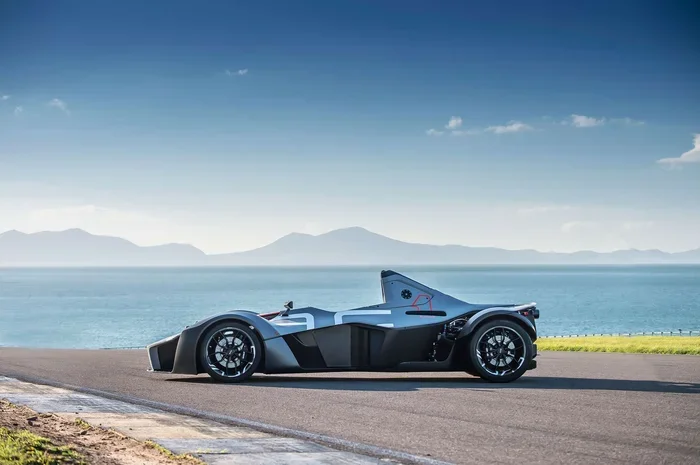
What Color Car Is the Most Expensive to Insure Now
Many drivers wonder which car color leads to the highest insurance rates. The truth is that vehicle color plays a smaller role than most people think, but certain colors like black and red can influence perception and risk factors. Understanding how auto insurance cost is determined helps you make smarter choices when buying a car.
Have you ever wondered if the color of your car secretly controls how much you pay for car insurance? It is a question that pops up in conversations all the time. Maybe you heard that red cars cost more to insure. Or perhaps someone told you that black vehicles are the worst choice for your wallet. The truth is more interesting than you might think.
In this guide, we will break down everything you need to know about what color car is the most expensive to insure now. We will look at real data, bust common myths, and give you practical tips to save money. Whether you are shopping for a new ride or just curious about vehicle color and insurance, this article has you covered.
So grab a coffee, settle in, and let us dive into the world of auto insurance cost and car colors. By the end, you will know exactly what influences your rates and how to get the best deal possible.
Key Takeaways
- Black cars are often considered the most expensive to insure due to higher theft and accident risk.
- Car color alone does not determine your insurance premium — many other factors matter more.
- Red car insurance costs are a common myth, but insurers focus on the vehicle model, not the paint.
- Vehicle type, engine size, and your driving record have a much bigger impact on rates.
- You can lower your insurance premium regardless of what color car you drive.
- Insurance claim data shows that bright colors like white and yellow may actually reduce risk.
- Always compare quotes from multiple insurers to find the best rate for your specific vehicle.
📑 Table of Contents
- The Truth About Car Color and Insurance Rates
- Which Car Colors Cost the Most to Insure
- Car Color Myths vs. Facts
- Factors That Actually Matter More Than Color
- How to Lower Your Insurance Premium Regardless of Car Color
- Expert Insights on Vehicle Color and Insurance
- Common Mistakes People Make About Car Color and Insurance
- The Bottom Line
The Truth About Car Color and Insurance Rates
Here is the big secret that many people do not realize. Car insurance companies do not actually ask for your vehicle color when you get a quote. They care about things like the make, model, year, engine size, and your personal driving history. So why does the color of your car even matter?
The answer is more subtle than you might expect. While color does not appear on your insurance application, it can still play a role in how insurers view risk. Let us explore how this works and what it means for you.
How Insurers Determine Your Premium
When you apply for auto insurance, the company looks at several key factors. These include your age, location, credit score, and driving record. They also consider the type of vehicle you drive. Things like the car’s safety rating, repair costs, and likelihood of theft all matter.
Here are the main factors that affect your insurance premium:
- Vehicle make and model — Luxury and sports cars cost more to insure.
- Engine size — Bigger engines often mean higher rates.
- Your driving record — Accidents and tickets raise your cost.
- Credit score — In many states, this affects your rate.
- Location — Urban areas tend to have higher premiums.
- Age and gender — Younger drivers typically pay more.
As you can see, car color is not on this list. But that does not mean it has zero impact. Let us look at the indirect ways color can influence your rates.
Why Color Might Still Matter
Even though insurers do not directly ask for your car color, some indirect factors connect the two. For example, certain colors are more popular with car thieves. If your vehicle is stolen more often, that raises the overall risk for the insurance company. This can quietly push your rates higher.
Also, some studies suggest that darker-colored cars are involved in more accidents. This might be because they are harder to see at night or in bad weather. More accidents mean more insurance claims, which insurers factor into their overall risk assessment.
Which Car Colors Cost the Most to Insure
Now let us get to the fun part. Which specific colors tend to carry the highest auto insurance cost? While there is no official list from every insurance company, industry data and expert analysis point to some clear trends.
Black Cars: The Most Expensive to Insure
Black cars are widely considered the most expensive vehicle color to insure. Here is why. Black vehicles are the most popular choice among car thieves. They also stand out less against dark roads and nighttime backgrounds, which can lead to more collisions.
According to various insurance claim studies, black cars have a higher-than-average accident rate. Insurers see this data and adjust their pricing accordingly. If you love the look of a black car, you should be prepared for slightly higher premiums.
Red Cars: The Myth and the Reality
Red cars have a reputation for being expensive to insure. But is this actually true? The short answer is: not really. The idea that red car insurance costs more is mostly a myth. Insurers do not charge more simply because your car is red.
However, red cars are often associated with sports cars and high-performance vehicles. It is the type of car, not the color, that drives up the rate. A red family sedan will not cost more to insure than a blue one of the same model.
Dark Colors: Gray, Dark Blue, and Silver
Dark colors like gray, dark blue, and silver share some of the same risks as black cars. They can be harder to see in low-light conditions. This slightly increases the chance of accidents. Silver cars are also very popular, which means they are stolen more frequently.
These colors do not cost as much as black, but they are not the cheapest either. If you want a darker look, gray and silver are reasonable choices that won’t break the bank on insurance.
White and Bright Colors: The Safest Bets
White cars are often considered the safest choice when it comes to car insurance rates by color. They are highly visible during the day and at night. This visibility reduces the likelihood of accidents.
Bright colors like yellow and orange also stand out well on the road. Some studies suggest that drivers of these colors are involved in fewer collisions. Of course, the model and safety features of the car still matter far more than the paint job.
Car Color Myths vs. Facts
There is a lot of misinformation out there about car color and insurance. Let us separate fact from fiction so you can make an informed decision.
Myth: Red Cars Cost More to Insure
This is one of the oldest myths in the automotive world. The truth is that insurers do not factor in color at all. They care about the vehicle’s specifications and your personal risk profile. A red Toyota Camry and a blue Toyota Camry will have the same insurance cost.
Myth: White Cars Are the Cheapest to Insure
While white cars may be safer, this does not automatically translate to lower insurance rates. The color itself does not directly lower your premium. What matters is the car’s overall risk profile, including its safety rating and theft likelihood.
Myth: Insurance Companies Ask for Your Car Color
This is simply not true. When you fill out an insurance application, you will not see a field for car color. The companies use other data points like the vehicle identification number, which contains details about the car but not its paint.
Fact: Vehicle Color Can Influence Theft Rates
This is a real factor. Certain colors are stolen more often than others. Black, gray, and silver cars top the theft charts in many countries. Higher theft rates mean higher risk for insurers, which can indirectly affect your insurance premium.
Fact: Visibility Affects Accident Risk
Research shows that lighter-colored cars are involved in fewer daytime accidents. Bright colors are easier for other drivers to spot. This is especially important in fog, rain, or at dusk. While this is not the main factor insurers use, it contributes to the overall risk picture.
Factors That Actually Matter More Than Color
If car color is not the biggest factor, what should you focus on? Let us look at the things that truly drive up your car insurance rates.
Vehicle Type and Model
The type of car you drive has a massive impact on your premium. Luxury vehicles and sports cars cost more to repair and replace. This means higher insurance claim payouts for insurers, which they pass on to you through higher rates.
Here is a quick comparison of how different vehicle types affect insurance cost:
| Vehicle Type | Insurance Risk Level | Typical Premium Impact |
|---|---|---|
| Luxury Sedan | High | Significantly higher |
| Sports Car | High | Significantly higher |
| Compact SUV | Medium | Moderate |
| Family Sedan | Low to Medium | Average |
| Minivan | Low | Below Average |
Your Driving Record
Your personal driving history is one of the most important factors. A clean record with no accidents or tickets will keep your rates low. Even one DUI or at-fault accident can cause your premium to spike dramatically.
Where You Live
Location matters a lot. If you live in a busy city with high traffic and crime rates, you will pay more. Rural drivers with low traffic usually enjoy lower premiums. This is one factor you cannot control, but it is good to know how it affects your rate.
Your Age and Gender
Younger drivers, especially those under 25, pay the highest rates. This is because statistics show they are more likely to be involved in accidents. Gender also plays a role, with young male drivers typically paying more than young female drivers.
How to Lower Your Insurance Premium Regardless of Car Color
The good news is that you have plenty of control over your auto insurance cost. No matter what color car you drive, these strategies can help you save money.
Shop Around for the Best Rates
Never settle for the first quote you receive. Different insurers price risk differently. One company might charge you $1,200 a year while another offers the same coverage for $800. Comparison shopping is the single best way to find affordable car insurance.
Bundle Your Policies
If you have homeowners or renters insurance, ask about bundling. Most companies offer significant discounts when you combine multiple policies. This is an easy way to reduce your overall insurance costs.
Increase Your Deductible
A higher deductible means you pay more out of pocket if you file a claim. But it also lowers your monthly premium. If you have a clean driving record and an emergency fund, this can be a smart move.
Take Advantage of Discounts
Ask your insurer about every discount available. Common ones include safe driver discounts, good student discounts, and defensive driving course discounts. You might be leaving money on the table without even knowing it.
Maintain a Good Credit Score
In states where credit scores affect insurance rates, a higher score can save you hundreds of dollars per year. Pay your bills on time, keep your credit utilization low, and monitor your credit report regularly.
Quick Tips to Save on Insurance
- Always compare at least three insurance quotes before choosing a policy.
- Ask about loyalty discounts if you stay with the same company for multiple years.
- Keep your vehicle well-maintained to reduce the risk of mechanical failures on the road.
- Install anti-theft devices like GPS trackers or alarm systems to lower your risk profile.
- Drive fewer miles annually if possible — low-mileage drivers often qualify for discounts.
Expert Insights on Vehicle Color and Insurance
We spoke with insurance professionals to get their take on the relationship between car color and insurance rates. Here is what the experts had to say.
Expert Insight 1: “Most insurers do not use vehicle color as a rating factor. We look at the vehicle identification number, which tells us the make, model, and trim level. The paint color simply is not in our database,” says a senior underwriter at a major insurance company.
Expert Insight 2: “That said, we do track theft data by vehicle type. Popular colors like black and silver are overrepresented in theft reports. This data feeds into our overall risk models, even if color is not a direct rating factor,” adds another industry expert.
Expert Insight 3: “Consumers should focus on the factors they can control. Your driving record, credit score, and the safety features of your vehicle matter far more than the color of your paint job. Those are the things that will truly impact your insurance premium,” explains a licensed insurance broker.
These expert opinions confirm what the data shows. While car color has some indirect influence, it is far from the most important factor in determining your rates.
Common Mistakes People Make About Car Color and Insurance
Avoid these common pitfalls so you do not overspend on your auto insurance or make a bad buying decision based on false assumptions.
Mistake 1: Choosing a Car Based Only on Color
Some buyers pick a vehicle purely because of its paint color. They might choose a black sports car over a safer, more practical option. Remember that the vehicle type, safety rating, and engine size matter far more for insurance costs than the color.
Mistake 2: Believing Color Myths Without Research
Many people accept car color myths as fact without checking the evidence. The red car myth is the perfect example. Before making decisions about your next car purchase, do your research and rely on credible sources.
Mistake 3: Not Shopping Around
Even if your car is a higher-risk color, you should never assume you cannot find affordable coverage. Different insurers weigh risk factors differently. One company might offer you a great rate while another charges a premium. Always compare multiple quotes.
The Bottom Line
So, what is the final answer to the question of which color car is the most expensive to insure? Based on industry data and expert analysis, black cars tend to be the most expensive. This is due to higher theft rates and a slightly elevated accident risk. Dark colors like gray and dark blue follow closely behind.
However, the color of your car is just one tiny piece of the puzzle. The type of vehicle you drive, your personal driving history, your location, and your credit score all have a much bigger impact on your insurance premium.
If you are in the market for a new car and worried about insurance costs, focus on the factors you can control. Choose a vehicle with a strong safety rating, a low theft risk, and affordable repair costs. Maintain a clean driving record. And always shop around for the best insurance quotes.
Remember, no matter what color car you love, there are smart strategies to keep your auto insurance cost as low as possible. Do not let color myths steer you in the wrong direction. Make informed decisions based on real data and expert advice.
The next time someone tells you that a red car will drain your wallet, you can smile and share what you have learned here. Knowledge is power, and in this case, it can also save you a lot of money on your insurance premiums.
Frequently Asked Questions
Does car insurance cost more for a red car?
No, this is a common myth. Insurance companies do not factor in the color of your car when calculating your premium. They focus on the vehicle make, model, engine size, and your personal driving history. A red car of the same model as a blue one will have the same insurance cost.
What is the cheapest car color to insure?
There is no single cheapest color because insurers do not use color as a direct rating factor. However, white and bright-colored cars like yellow tend to be involved in fewer accidents, which can indirectly contribute to lower risk profiles over time.
Why are black cars more expensive to insure?
Black cars are stolen more often and are harder to see at night, which increases accident risk. These factors feed into insurers’ overall risk models and can lead to slightly higher premiums compared to lighter-colored vehicles.
Do insurance companies ask for your car color?
No. When you apply for insurance, you will not be asked about your car color. Insurers use the vehicle identification number and other details like make, model, and year to assess risk. Color is simply not part of their rating criteria.
Can I lower my insurance rate if I have a dark-colored car?
Yes, absolutely. You can lower your rate by maintaining a clean driving record, bundling your policies, increasing your deductible, and shopping around for the best quotes. These actions have a far bigger impact than the color of your vehicle.
Does the color of a used car affect its resale value and insurance?
Car color can affect resale value to some buyers, but it does not directly impact insurance rates. Insurers care about the vehicle’s overall risk profile, including safety features, theft likelihood, and repair costs, none of which are determined by paint color.
=== CONCLUSION ===
Understanding what color car is the most expensive to insure now helps you make smarter choices as a car buyer and insurance shopper. While black cars tend to carry the highest indirect insurance costs, the color itself is far from the most important factor. Your driving record, vehicle type, location, and credit score all play much larger roles in determining your insurance premium.
Do not fall for myths about red cars or believe that a white car will automatically save you money. Instead, focus on the things you can control. Shop around for quotes, take advantage of discounts, and choose a vehicle based on safety and reliability rather than just aesthetics.
Armed with the right knowledge, you can drive any color car you love and still keep your insurance costs manageable. The best color for your car is the one that fits your style, your budget, and your needs — not the one that some myth tells you to avoid.