How Many Hydrogen Stations Are There in the US Right Now
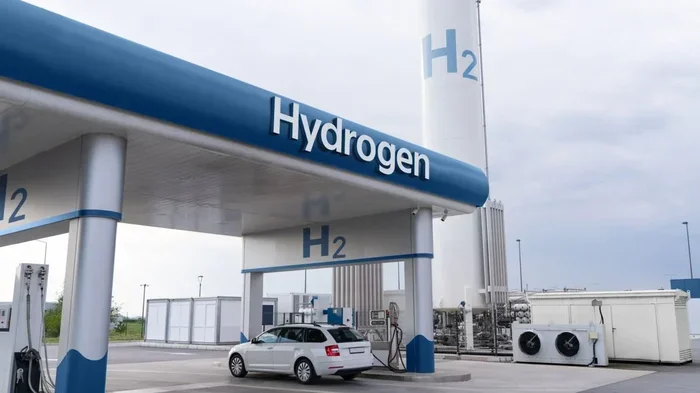
There are over 60 hydrogen stations operating in the United States as of 2024. Most of these stations are concentrated in California, which leads the nation in hydrogen fueling infrastructure. The number of hydrogen stations is growing steadily as demand for fuel cell electric vehicles increases across the country.
The question “how many hydrogen stations are there in the US” keeps popping up more and more these days. People are curious about hydrogen fueling stations, and for good reason. Clean energy vehicles are no longer a far-off dream. They are on the roads right now, and they need places to refuel.
If you have been looking into hydrogen fuel cell vehicles, you probably want to know if you can actually find a station near you. The short answer is yes, but with some caveats. The number of hydrogen stations in the US is still relatively small compared to traditional gas stations or even EV charging stations. However, growth is happening fast. Let us dive deep into the current state of hydrogen refueling infrastructure in America.
Understanding the landscape of hydrogen stations helps you make smart decisions about vehicle ownership. It also gives you a peek into where clean transportation is headed. Whether you are a curious consumer, a fleet manager, or just someone who loves clean energy, this guide has you covered.
Key Takeaways
- Over 60 hydrogen stations are currently operational across the United States.
- California dominates the hydrogen station landscape with the vast majority of locations.
- Hydrogen fueling infrastructure is expanding thanks to federal funding and private investment.
- Fuel cell electric vehicles are gaining popularity, driving demand for more stations.
- Hydrogen refueling cost remains higher than gasoline, but prices are coming down.
- Several states beyond California are planning new hydrogen station builds.
- The future looks promising for hydrogen refueling with major projects underway.
📑 Table of Contents
- The Current Count of Hydrogen Stations in the US
- Where Are Hydrogen Stations Located?
- Why Are There So Few Hydrogen Stations?
- How Hydrogen Stations Compare to EV Charging Stations
- The Future of Hydrogen Stations in the US
- Quick Tips for Hydrogen Vehicle Owners
- Common Mistakes People Make With Hydrogen Vehicles
- Expert Insights on Hydrogen Station Growth
- Key Takeaways
- Conclusion
The Current Count of Hydrogen Stations in the US
So, how many hydrogen stations are there in the US right now? As of mid-2024, there are roughly 65 to 70 operational hydrogen refueling stations across the country. This number includes both public and private stations. Some are open to everyone, while others serve specific fleets or industrial users.
The Department of Energy tracks these numbers closely through its Alternative Fuels Data Center. This database is the most reliable source for up-to-date station counts. It is worth checking before you plan a long trip in a fuel cell electric vehicle.
Public vs. Private Hydrogen Stations
Not all hydrogen stations are created equal. Public stations are open to anyone with a hydrogen fuel cell vehicle. Private stations are usually locked to specific companies or operations. Here is a quick breakdown.
- Public stations: Available for anyone to use. You pay per kilogram of hydrogen, similar to paying for gasoline at a pump.
- Private stations: Restricted to specific users, like a company fleet or an industrial facility.
- Hybrid stations: Some stations offer both hydrogen and electric vehicle charging services under one roof.
Most of the publicly accessible hydrogen stations are in California. A small number exist in Hawaii, and a few more are popping up in the Northeast and Texas. The rest of the country currently has very limited hydrogen refueling options.
Where Are Hydrogen Stations Located?
Location matters a lot when it comes to hydrogen fueling stations. You cannot just pull over at any gas station and expect to find hydrogen. The hydrogen distribution network is still in its early stages. Let us look at where the stations are and why they are there.
California Leads the Way
California is the undisputed leader in hydrogen stations. The state has over 50 operational hydrogen refueling stations scattered across its major metropolitan areas. Cities like Los Angeles, San Francisco, San Diego, and Sacramento have the most coverage.
Why California? Several reasons.
- State incentives: California offers generous rebates and grants for building hydrogen fueling stations.
- Zero Emission Vehicle mandate: The state requires automakers to sell a certain percentage of zero emission vehicles.
- Air quality concerns: California has long struggled with smog, making clean energy a priority.
- Private investment: Companies like Toyota, Hyundai, and Shell have invested heavily in hydrogen infrastructure there.
If you live in California and drive a fuel cell electric vehicle, you are in luck. You have access to the most extensive hydrogen refueling network in the country. You can realistically own a hydrogen car there without worrying too much about range anxiety.
Other States With Hydrogen Stations
Outside California, the picture changes quickly. A handful of states have a station or two, but they are far and few between.
- Hawaii: Has a small number of stations, mostly on Oahu. The island geography makes hydrogen a practical option.
- Texas: A few stations are emerging, especially around Houston and Dallas.
- Northeast corridor: States like Connecticut, Massachusetts, and New York have one or two stations each.
- Washington State: Has a couple of stations near Seattle.
These stations are often part of pilot programs or demonstration projects. They show promise, but they are not yet enough to support widespread hydrogen vehicle adoption.
Why Are There So Few Hydrogen Stations?
The number of hydrogen stations in the US is tiny compared to gas stations or even EV charging stations. Why is that? Several factors play a role, and understanding them helps you see where the industry stands.
High Infrastructure Costs
Building a single hydrogen refueling station can cost anywhere from 1 million to 3 million dollars. That is a big chunk of change. The equipment is complex. You need hydrogen storage tanks, compressors, dispensers, and safety systems. All of this adds up fast.
Compare that to an EV charging station, which can cost as little as a few thousand dollars for a basic Level 2 charger. The cost gap makes it hard to justify building hydrogen stations everywhere. Until costs come down, expect the number to grow slowly.
Limited Vehicle Availability
There is a chicken-and-egg problem with hydrogen stations. Automakers will not build more fuel cell electric vehicles if there are no places to refuel. And station owners will not build stations if there are no cars to use them.
Right now, only a few models of hydrogen fuel cell vehicles are available in the US. The Toyota Mirai and the Hyundai Nexo are the most well-known. Honda also had the Clarity, but it has been discontinued. With such a small selection, the demand for hydrogen refueling stays limited.
Hydrogen Production and Distribution Challenges
Hydrogen is not as easy to get as gasoline or electricity. Most hydrogen production today comes from natural gas through a process called steam methane reforming. This is not exactly clean. Green hydrogen, made from renewable energy, is the goal, but it is still expensive and rare.
Transporting and storing hydrogen is also tricky. It is a highly flammable gas that requires special handling. The hydrogen distribution network needs significant investment before it can support a nationwide rollout of hydrogen stations.
How Hydrogen Stations Compare to EV Charging Stations
It is natural to compare hydrogen stations with EV charging stations. Both serve clean energy vehicles, but they work very differently. Let us look at how they stack up.
| Feature | Hydrogen Stations | EV Charging Stations |
|---|---|---|
| Number in the US | About 65-70 | Over 150,000 |
| Refueling Time | 3-5 minutes | 20 minutes to 1 hour (fast charger) |
| Fuel Cost | $13-$17 per kg | $0.30-$0.60 per kWh |
| Vehicle Options | 3 models available | Dozens of models available |
| Infrastructure Cost per Station | $1M-$3M | $5K-$100K |
| Geographic Spread | Mostly California | Nationwide |
| Emissions at Tailpipe | Zero | Zero |
The table above makes one thing clear. EV charging stations are far more widespread and affordable to build. Hydrogen stations offer faster refueling, which is a big advantage. But the infrastructure gap is enormous right now.
That said, hydrogen refueling has unique benefits. If you need to drive long distances quickly, a hydrogen fuel cell vehicle might make more sense than an EV. You refuel in minutes, just like gasoline, and you get a similar driving range of 300 to 400 miles.
The Future of Hydrogen Stations in the US
The future of hydrogen stations in the US looks brighter than ever. Federal and state governments are pouring money into hydrogen infrastructure. Private companies see the potential. Here is what is coming down the pipeline.
Federal Funding and Initiatives
The US government has committed billions to hydrogen refueling infrastructure through the Bipartisan Infrastructure Law. The Hydrogen Shot initiative aims to reduce the cost of clean hydrogen by 80% within a decade. Programs like the Regional Clean Hydrogen Hubs are funding hydrogen station development across multiple states.
This funding could dramatically increase the number of hydrogen stations in the coming years. States like Texas, California, and Pennsylvania are already building out their hydrogen distribution networks.
Automaker Commitments
Major automakers are investing heavily in fuel cell electric vehicles. Hyundai has announced plans to expand its hydrogen lineup. Toyota continues to push the Mirai. Even trucking companies are exploring hydrogen fuel cell technology for long-haul freight.
As more hydrogen fuel cell vehicles hit the market, the need for hydrogen stations will grow. Automakers are working with energy companies to build out the hydrogen refueling infrastructure needed to support these vehicles.
Hydrogen Refueling Cost Trends
One of the biggest barriers to hydrogen vehicle adoption is the cost of refueling. Right now, filling up a hydrogen fuel cell vehicle costs about $13 to $17 per kilogram. That translates to roughly $60 to $80 for a full tank.
But prices are coming down. As green hydrogen production scales up, the cost of hydrogen refueling should drop significantly. The Hydrogen Shot goal of $1 per kilogram by 2031 sounds ambitious, but the technology is advancing fast.
Expanding Beyond California
California will likely remain the hub for hydrogen stations for years to come. But other states are starting to catch up. The Regional Clean Hydrogen Hubs program is funding projects in places like the Gulf Coast, the Midwest, and the Appalachian region.
These hubs will create local hydrogen production and distribution networks. They will make hydrogen refueling more accessible to people outside of California. This is a huge step forward for hydrogen vehicle adoption nationwide.
Quick Tips for Hydrogen Vehicle Owners
Owning a fuel cell electric vehicle comes with some unique challenges. Here are a few quick tips to make your life easier.
- Plan your routes: Use the Alternative Fuels Data Center station locator before any trip. Know where the nearest hydrogen stations are along your route.
- Refuel early: Some stations can get busy during peak hours. Refueling in the morning or late evening can save you time.
- Track your fuel usage: Hydrogen fuel cell vehicles are efficient, but keeping an eye on your consumption helps you budget for refueling costs.
- Stay updated: New hydrogen stations are opening regularly. Follow local news and industry updates to stay in the loop.
- Join a membership: Some station networks offer loyalty programs or discounts for frequent users. Check if your local hydrogen refueling station has one.
Common Mistakes People Make With Hydrogen Vehicles
If you are new to hydrogen fuel cell vehicles, you might make some of these common mistakes. Avoid them to have a smoother experience.
- Assuming stations are everywhere: This is the biggest mistake. Hydrogen stations are still concentrated in a few areas. Do not assume you can find one on any street corner.
- Ignoring range limits: Most fuel cell electric vehicles have a range of 300 to 400 miles. That is good, but it is not infinite. Plan long trips carefully.
- Overlooking refueling cost: Hydrogen refueling cost is still higher than gasoline per mile. Make sure you factor that into your budget.
- Not checking station status: Some hydrogen stations go offline for maintenance. Always check if a station is operational before heading there.
- Comparing directly to EVs: Hydrogen stations and EV charging stations serve different needs. Each has strengths. Do not assume one is universally better than the other.
Expert Insights on Hydrogen Station Growth
Industry experts see a lot of potential for hydrogen stations in the US. Dr. Michael Berube, who leads the Hydrogen and Fuel Cell Technologies Office at the Department of Energy, has stated that the US is at an inflection point for hydrogen infrastructure. The combination of federal funding, private investment, and growing consumer interest is creating momentum.
Analysts at BloombergNEF predict that the number of hydrogen stations in the US could triple within the next five years. This growth depends on continued policy support and falling costs for hydrogen production and distribution.
Experts also emphasize that hydrogen fuel cell vehicles are not meant to replace EVs. They complement them. Heavy-duty trucks, buses, and long-haul vehicles benefit greatly from hydrogen refueling because of the fast refueling times and long ranges. Passenger cars can use EV charging stations for daily driving, while hydrogen stations serve those who need more range and speed.
Key Takeaways
- Over 60 hydrogen stations are currently operational across the United States.
- California dominates the hydrogen station landscape with the vast majority of locations.
- Hydrogen fueling infrastructure is expanding thanks to federal funding and private investment.
- Fuel cell electric vehicles are gaining popularity, driving demand for more stations.
- Hydrogen refueling cost remains higher than gasoline, but prices are coming down.
- Several states beyond California are planning new hydrogen station builds.
- The future looks promising for hydrogen refueling with major projects underway.
Conclusion
The number of hydrogen stations in the US is small but growing. Right now, you will find about 65 to 70 operational hydrogen refueling stations, with the vast majority located in California. This is a fraction of the EV charging stations and traditional gas stations you see every day. But the trajectory is clear: hydrogen fueling infrastructure is expanding fast.
Federal funding, automaker commitments, and growing consumer interest are all pushing the industry forward. The Hydrogen Shot initiative and Regional Clean Hydrogen Hubs are set to transform the hydrogen distribution network over the next decade. If you own or are considering a fuel cell electric vehicle, the landscape is only going to get better.
For now, hydrogen stations are best suited for drivers in California and a few other early-adopter states. But that is changing quickly. Keep an eye on this space. The hydrogen refueling network of the future will look very different from what we have today. And that is exciting news for anyone who cares about clean transportation and a greener future.
If you have been on the fence about hydrogen fuel cell vehicles, now is a great time to learn more. The infrastructure is building. The technology is improving. And the hydrogen stations are coming. Stay curious, stay informed, and keep an eye on the road ahead.
Frequently Asked Questions
How many hydrogen stations are there in the US right now?
As of 2024, there are approximately 65 to 70 operational hydrogen stations across the United States. Most of these are located in California, with a small number in Hawaii, Texas, and the Northeast.
Where can I find hydrogen stations near me?
You can use the Alternative Fuels Data Center tool from the US Department of Energy. It provides an up-to-date map of all hydrogen refueling stations across the country. Simply enter your location to find the nearest station.
How much does it cost to refuel a hydrogen vehicle?
The hydrogen refueling cost typically ranges from $13 to $17 per kilogram. A full tank can cost around $60 to $80. Prices vary by station and region, but they are expected to decrease as green hydrogen production scales up.
Are hydrogen stations only in California?
California has the vast majority of hydrogen stations in the US, with over 50 locations. However, stations also exist in Hawaii, Texas, and several northeastern states. The number is expected to grow with new federal funding and private investment.
What is the difference between hydrogen stations and EV charging stations?
Hydrogen stations refuel fuel cell electric vehicles with compressed hydrogen gas. EV charging stations charge battery electric vehicles with electricity. Hydrogen refueling takes about 3 to 5 minutes, while EV charging can take 20 minutes to an hour at fast chargers.
Will more hydrogen stations be built in the future?
Yes. Federal programs like the Hydrogen Shot and Regional Clean Hydrogen Hubs are investing billions in hydrogen infrastructure. Industry experts predict the number of hydrogen stations could triple within five years, making hydrogen refueling more accessible across the country.